







2
A aplicação do mármore é uma das formas mais elegantes e atemporais de valorizar ambientes arquitetônicos. Desde construções históricas até projetos contemporâneos, essa rocha natural carrega um charme inconfundível, resultado de sua textura, veios únicos e brilho sofisticado.
Mais do que um revestimento, o mármore é uma escolha estética que traduz história, durabilidade e requinte. Saiba mais a seguir!
Como o mármore surgiu?
A origem do clássico mármore remonta à transformação do calcário sob altas temperaturas e pressões ao longo de milhares de anos.
Esse processo dá origem a uma rocha densa, resistente e naturalmente polida. Civilizações antigas, como a grega e a romana, foram as primeiras a explorar suas qualidades, utilizando o material tanto em esculturas quanto em construções monumentais.
Na Antiga Roma, o mármore simbolizava poder e perfeição. Era comum vê-lo revestindo colunas, templos e palácios. Essa herança estética atravessou séculos e ainda inspira arquitetos e designers, que reinterpretam o uso do mármore em novas composições, sem perder o ar clássico que o consagrou.
Vantagens do mármore na decoração
Além da beleza, o mármore oferece uma combinação singular de resistência e versatilidade. Sua estrutura sólida garante excelente durabilidade, inclusive em áreas de grande circulação, enquanto a variedade de cores, veios e padrões naturais permite compor diferentes estilos, desde decoração clássica, moderna ou minimalista.
Além de seu apelo estético, o mármore se destaca pela capacidade de valorizar os ambientes e conferir identidade aos projetos. Ele atua como elemento protagonista na decoração, enriquecendo os espaços com profundidade e uma elegância atemporal.
Isso porque cada chapa de mármore é única, o que torna o resultado final exclusivo e sob medida para o projeto arquitetônico. Outro diferencial está na variedade de acabamentos, que definem a textura da pedra e o tipo de uso:
- Acabamento Polido: possui brilho intenso e uma superfície perfeitamente lisa, que ressalta os veios e aprofunda as cores. É ideal para salas, halls e lavabos, onde o requinte e a luminosidade são protagonistas.
- Acabamento Levigado: tem aspecto mais acetinado e um toque aveludado, com um brilho discreto. Perfeito para ambientes internos que pedem uma atmosfera mais suave.
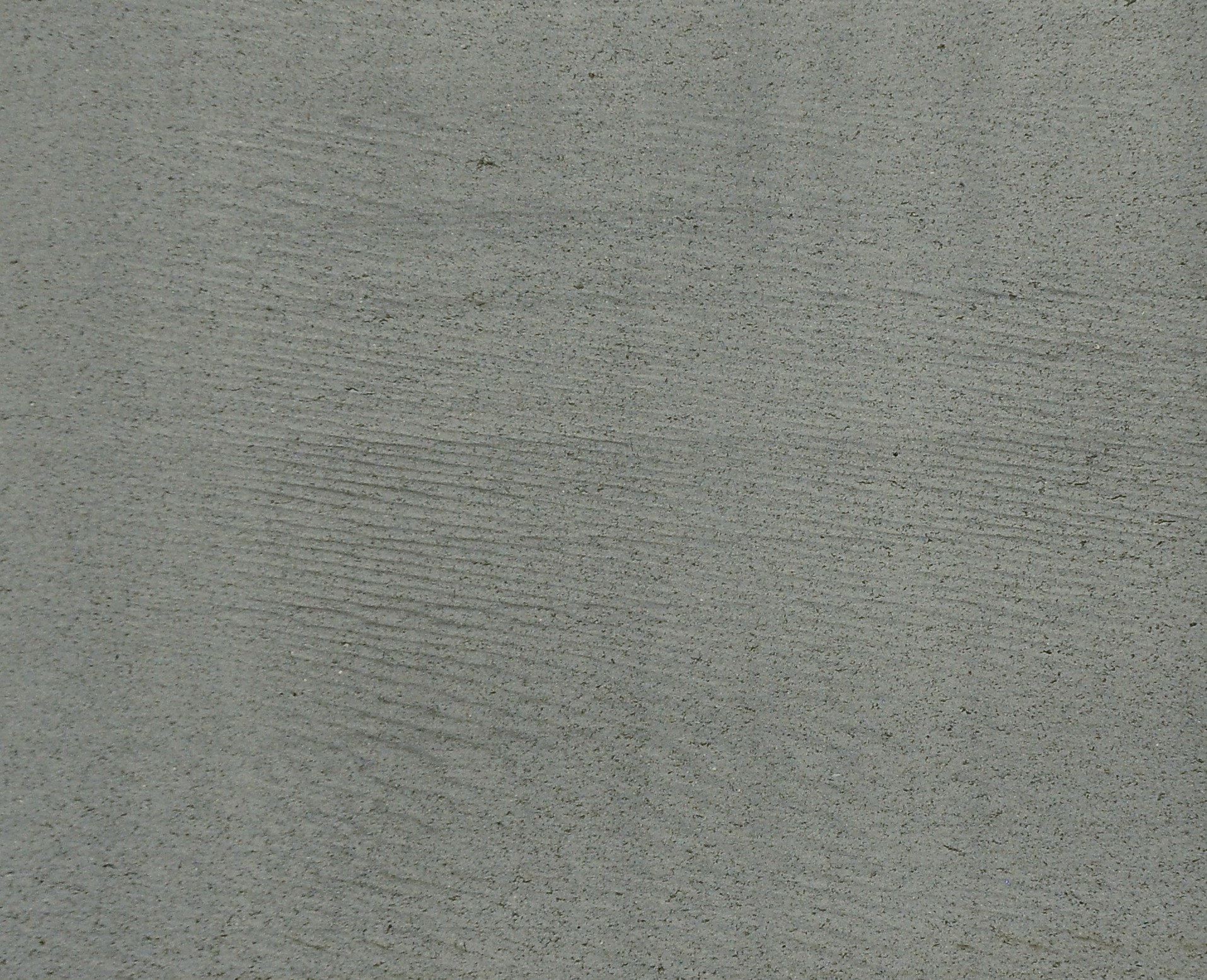
- Acabamento Escovado: apresenta textura levemente rugosa e um tom rústico. Além de realçar a natureza da pedra, esse acabamento é antiderrapante, sendo mais indicado para áreas externas, pisos de banheiros e escadas.
Onde o mármore pode ser aplicado?
1. Revestimentos em banheiros e lavabos
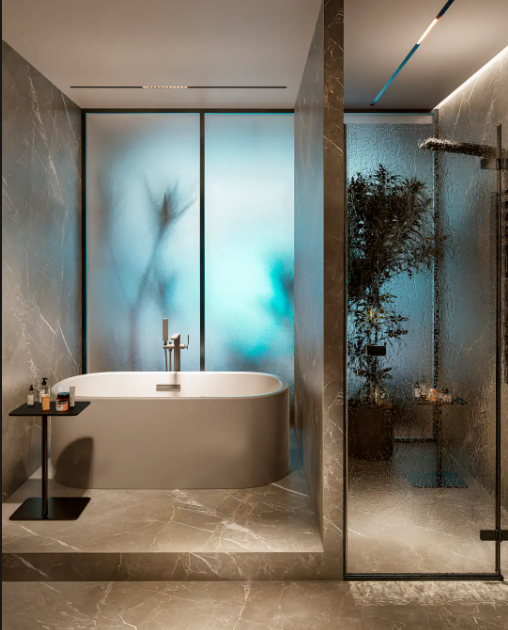
Nos banheiros, a aplicação do mármore cria um ambiente de puro refinamento. Ele pode ser usado em paredes, pisos e até em nichos e bancadas.
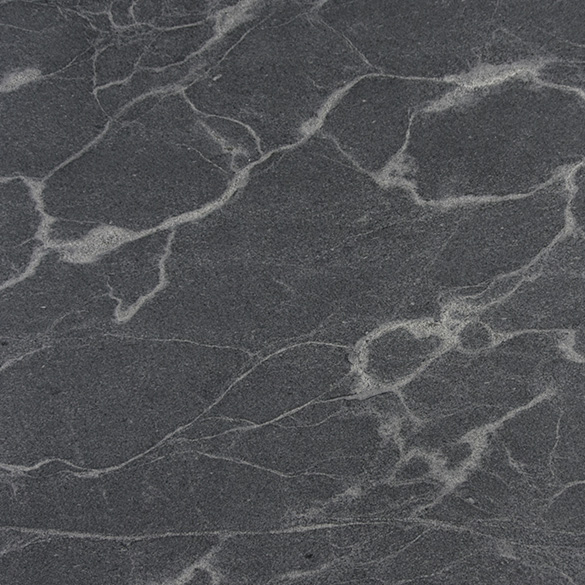
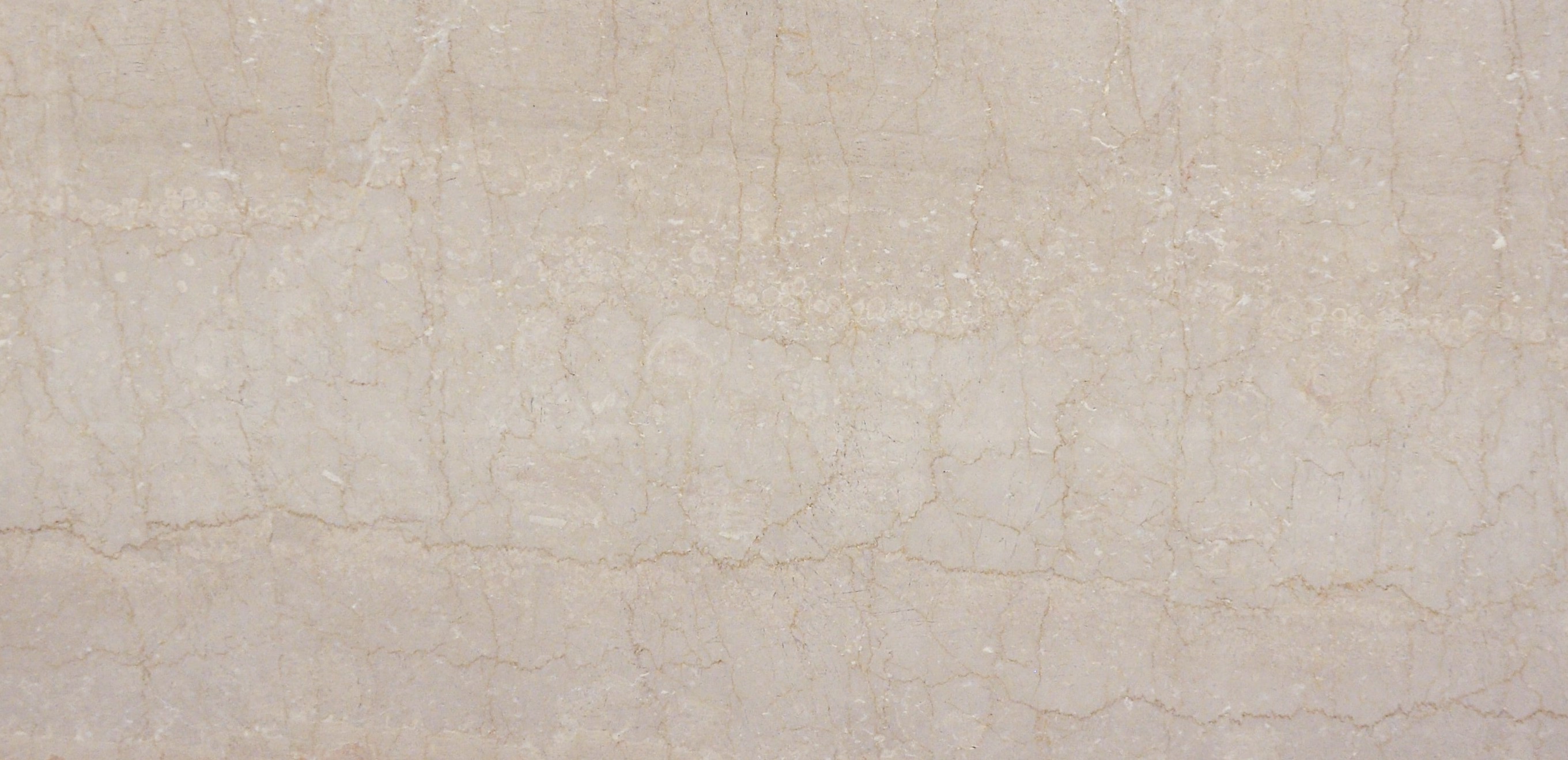
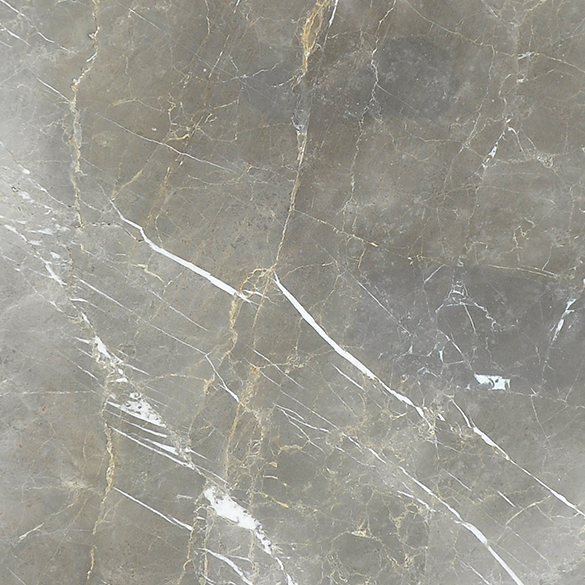
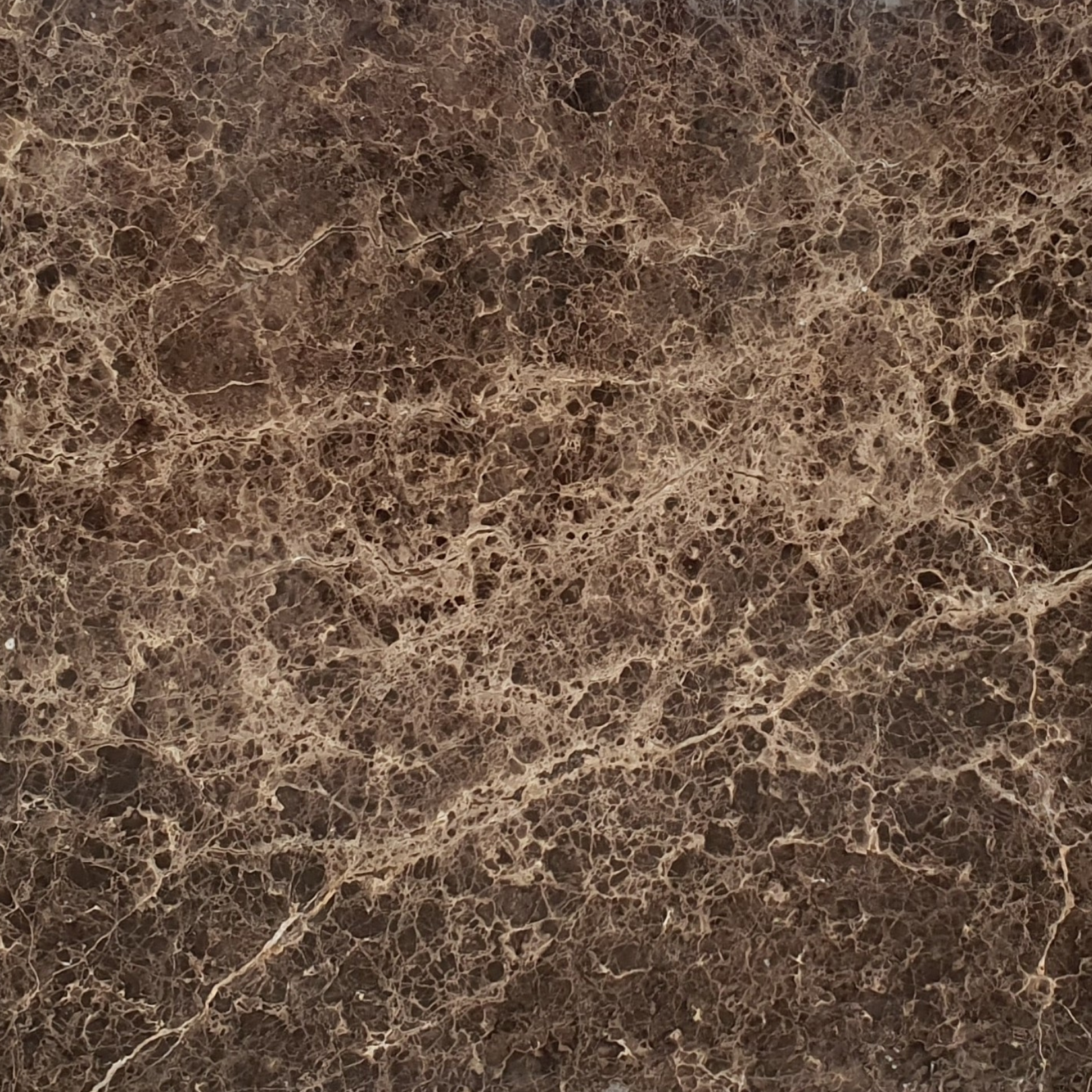
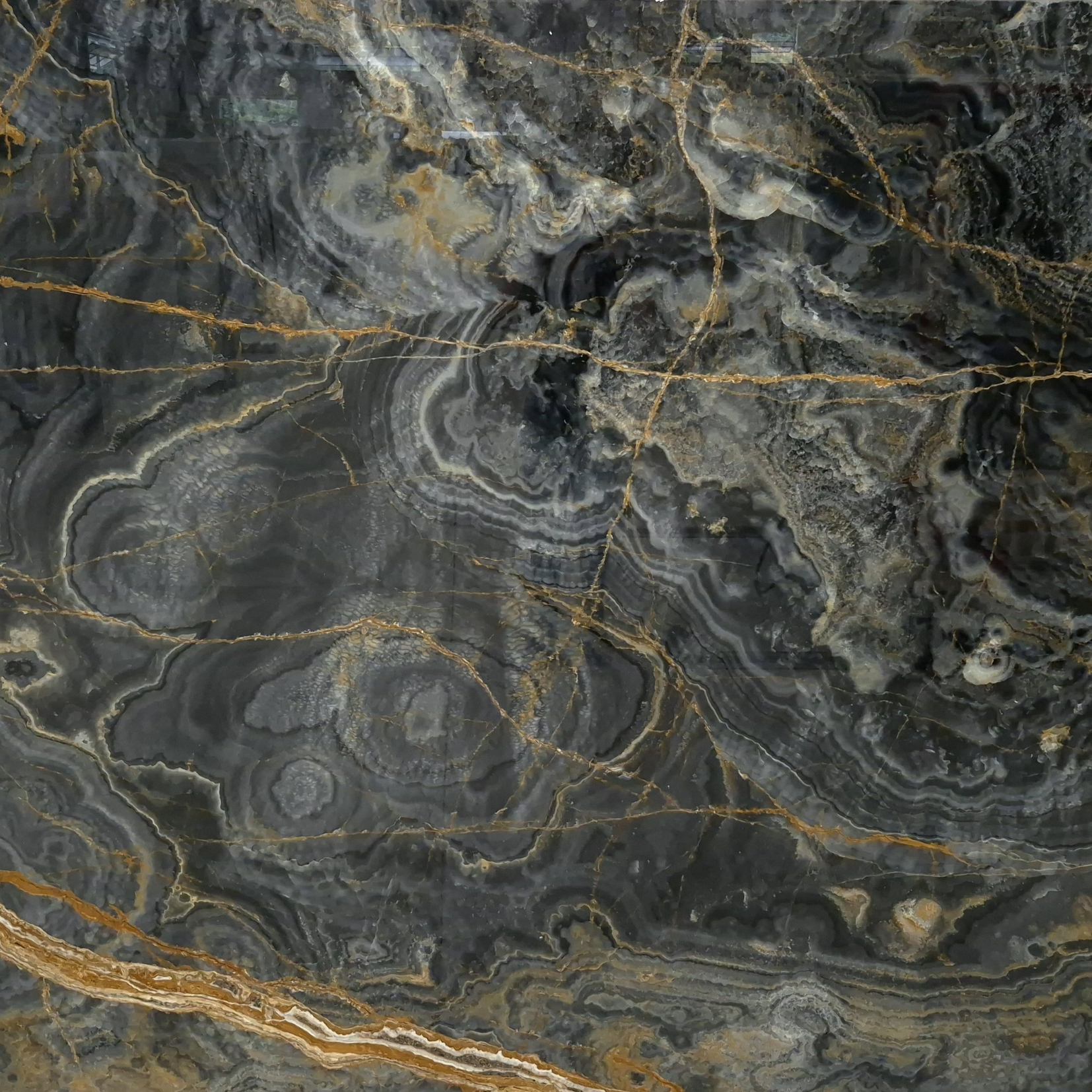
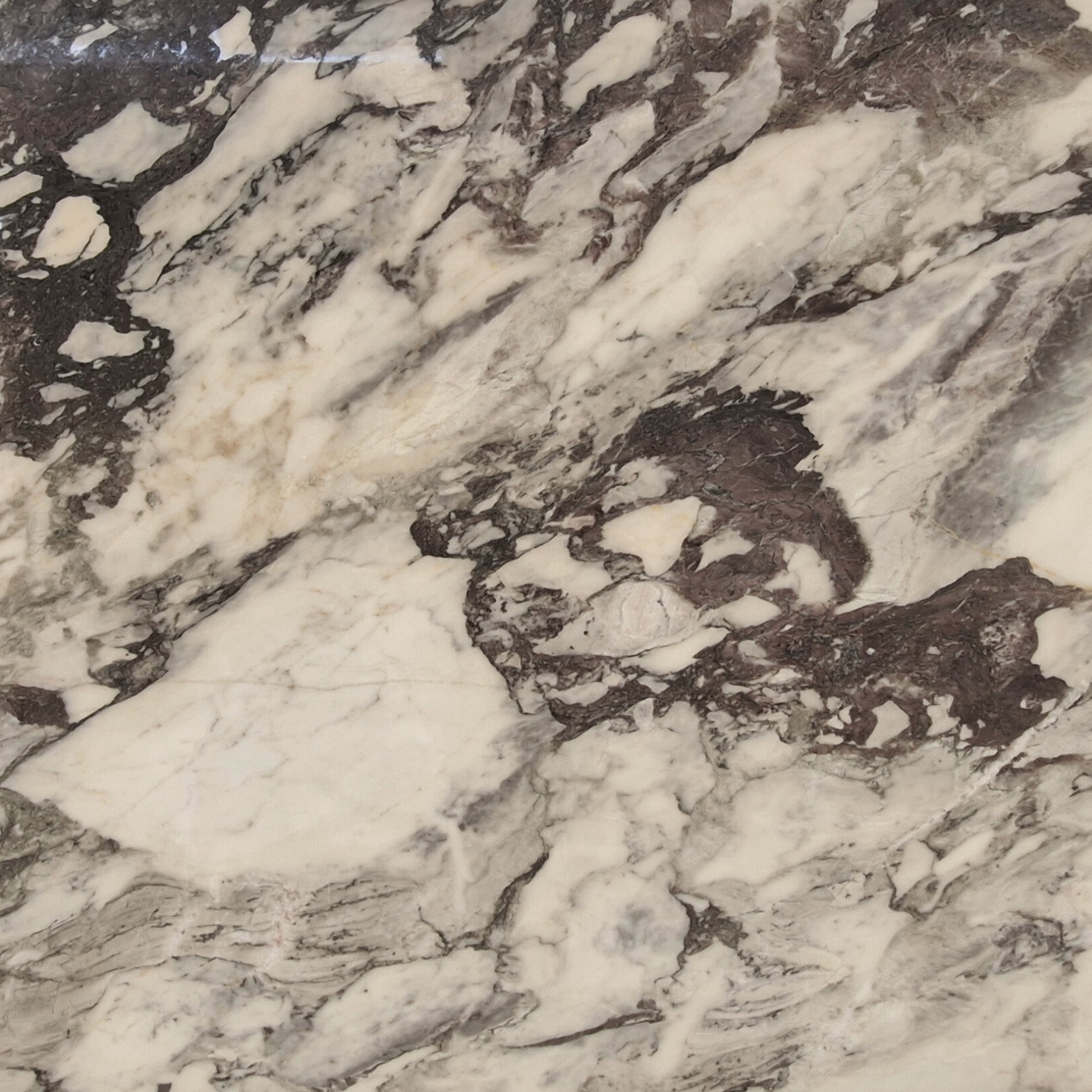
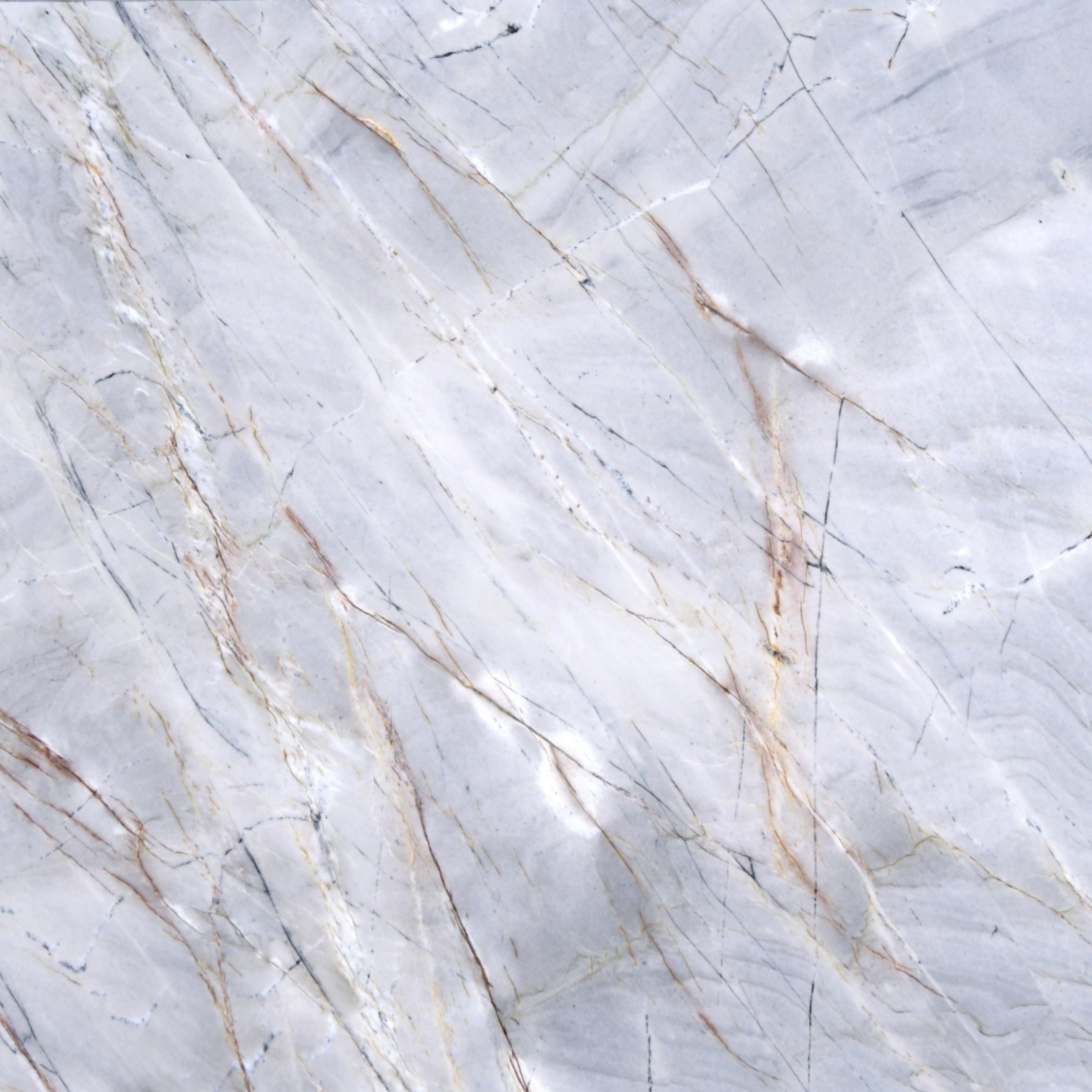
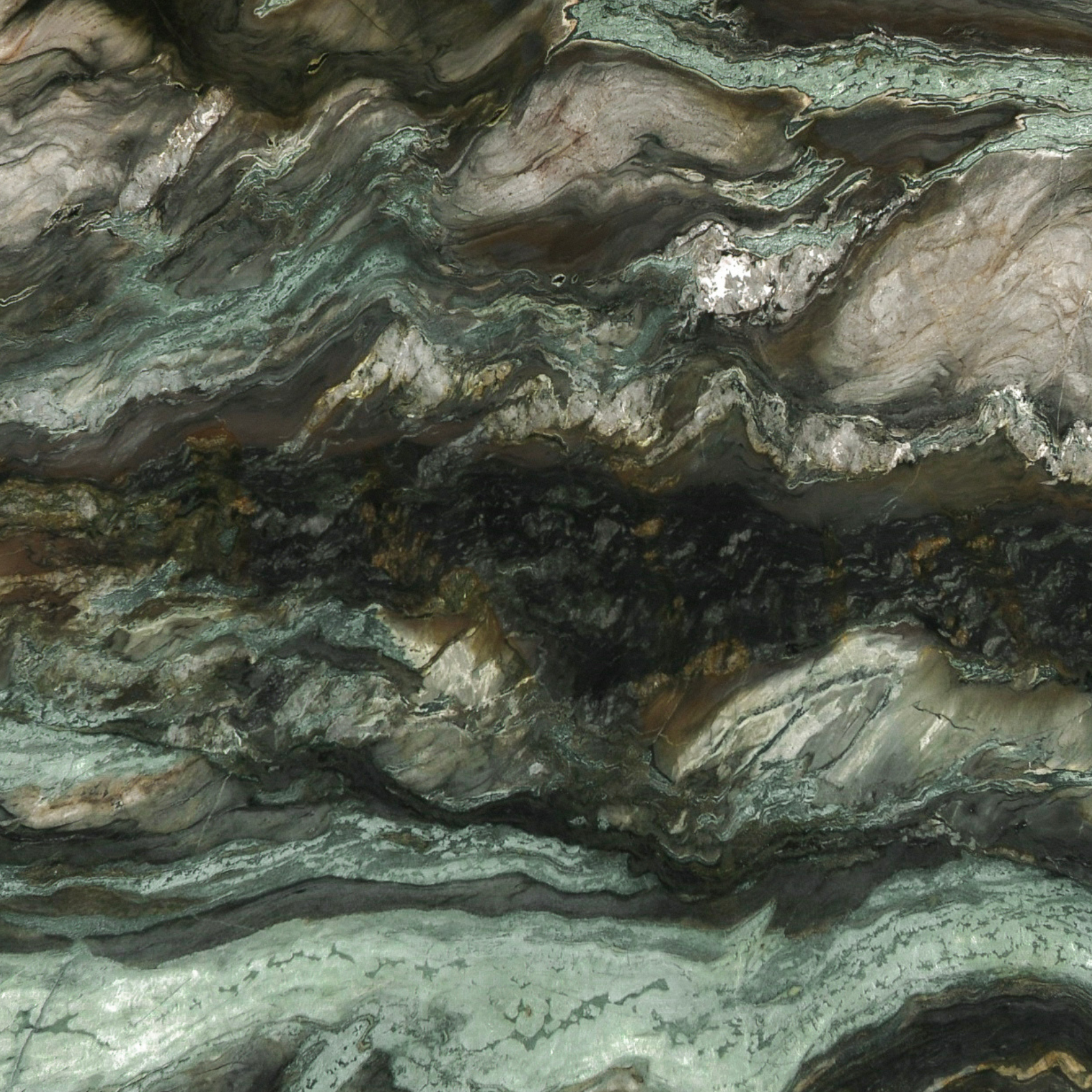
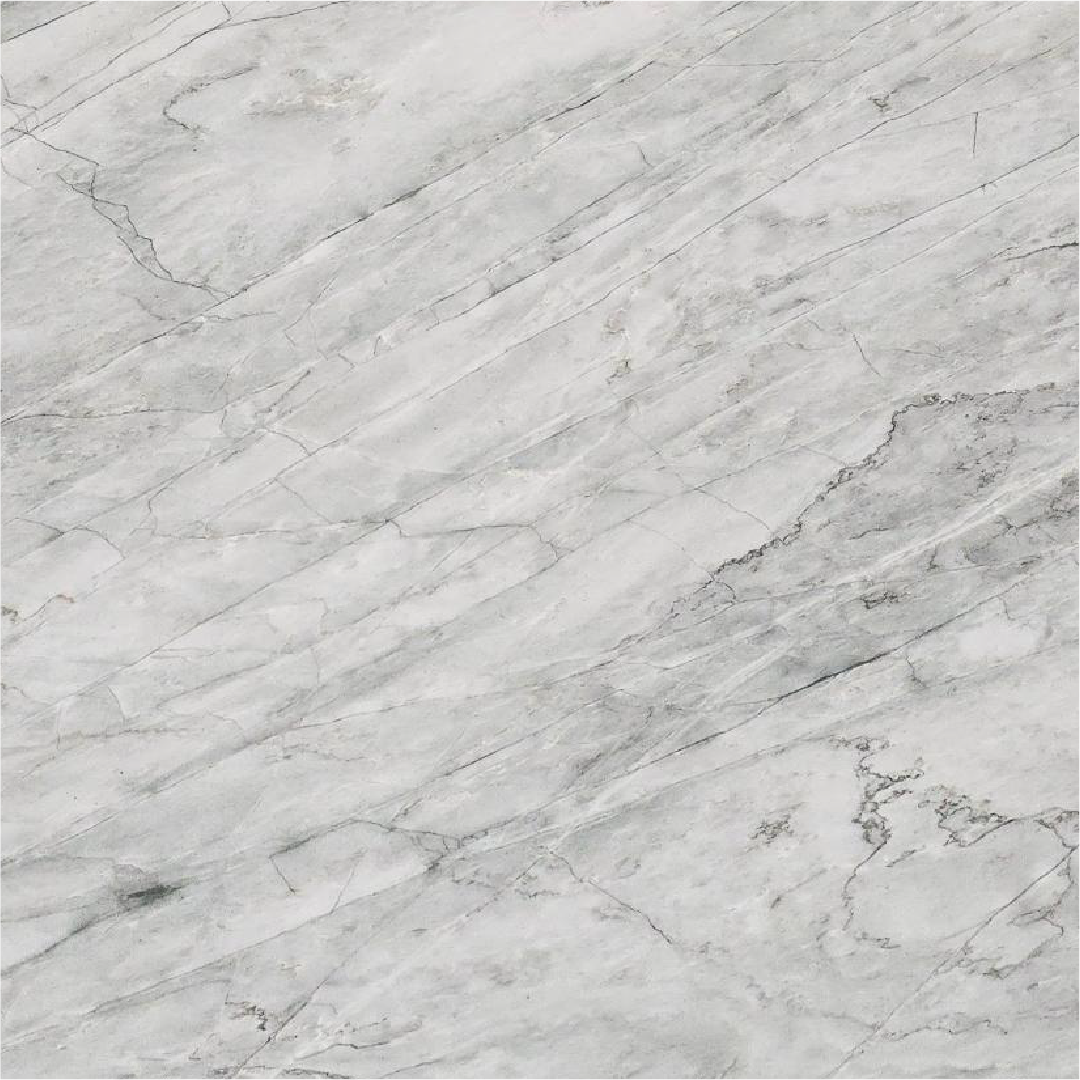
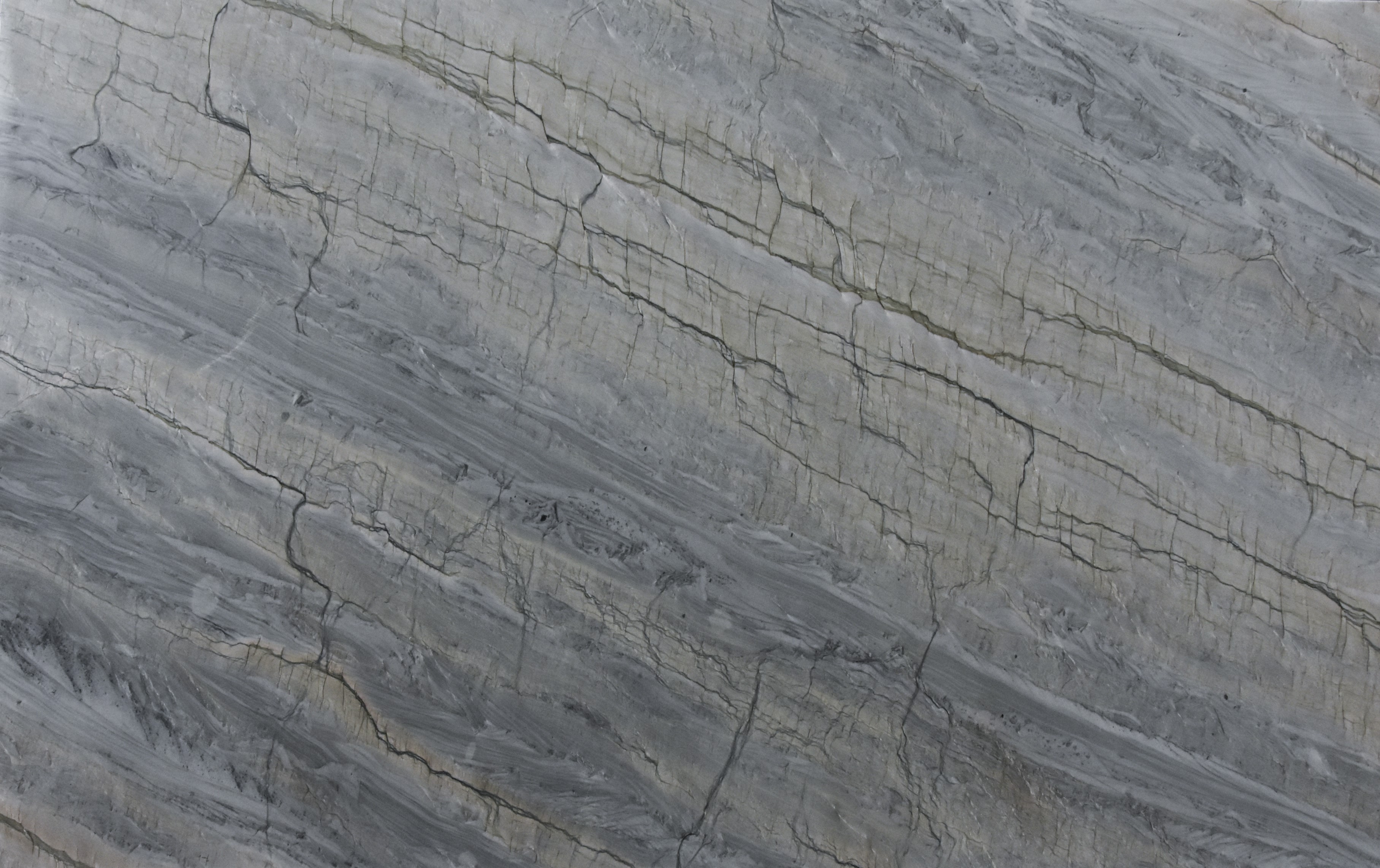
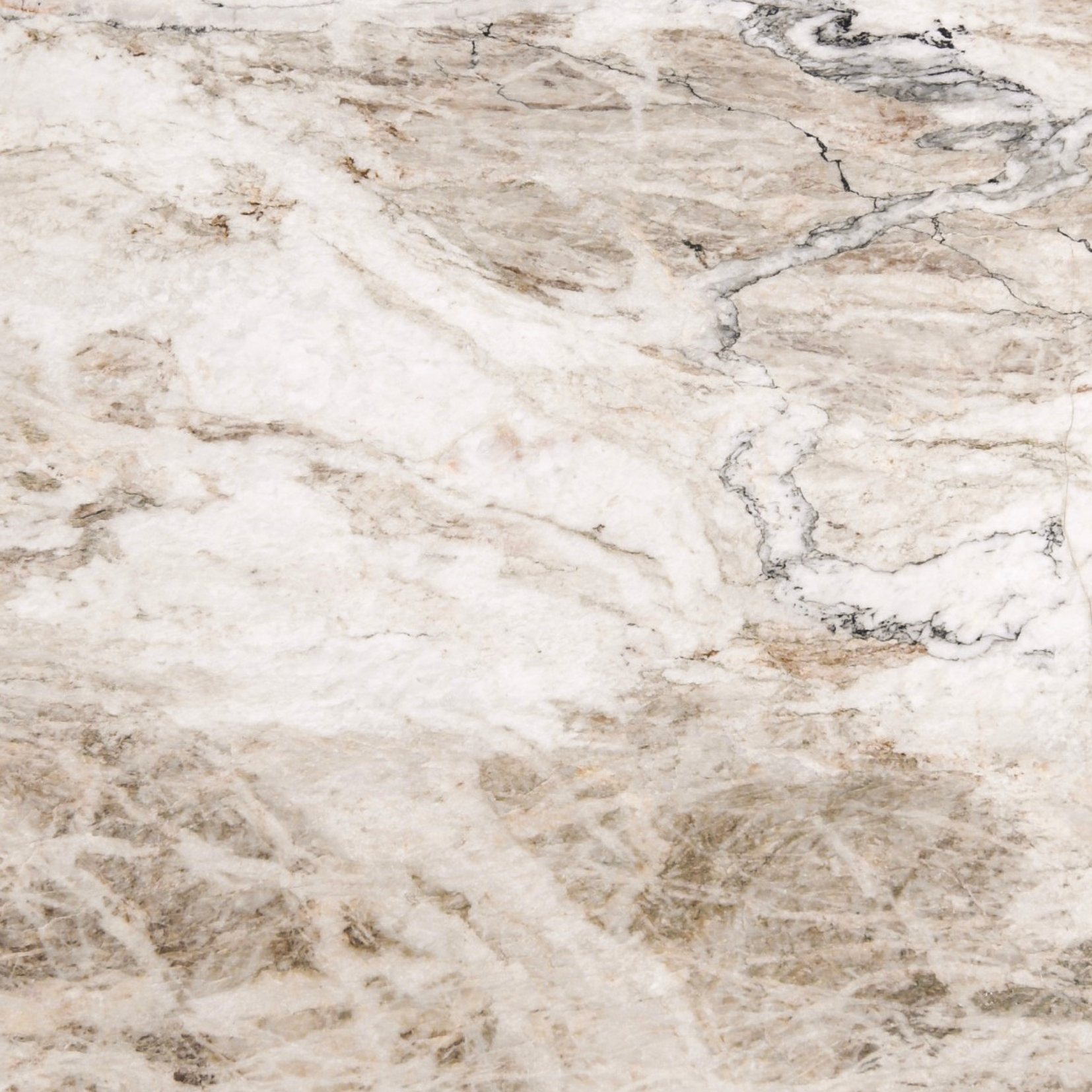
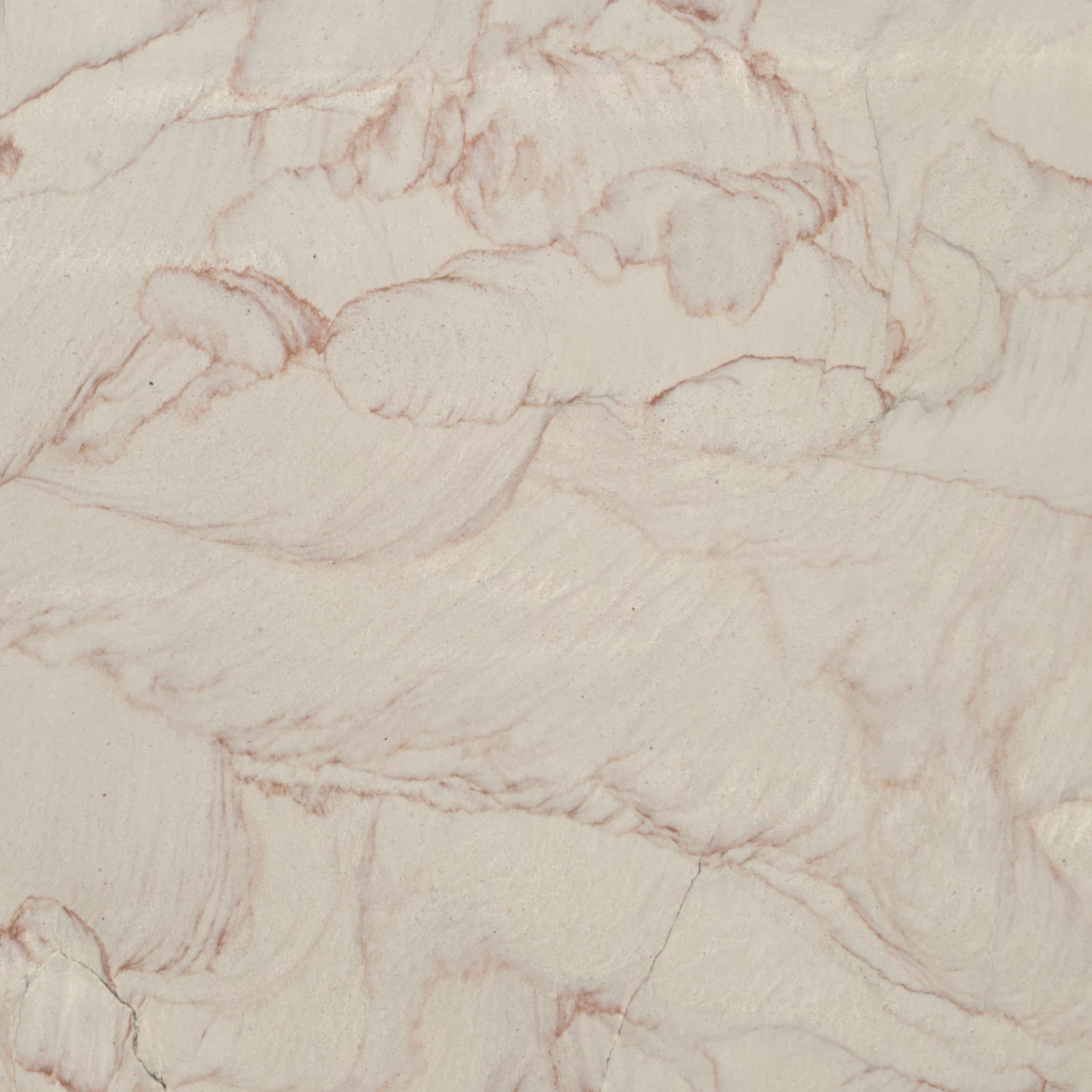
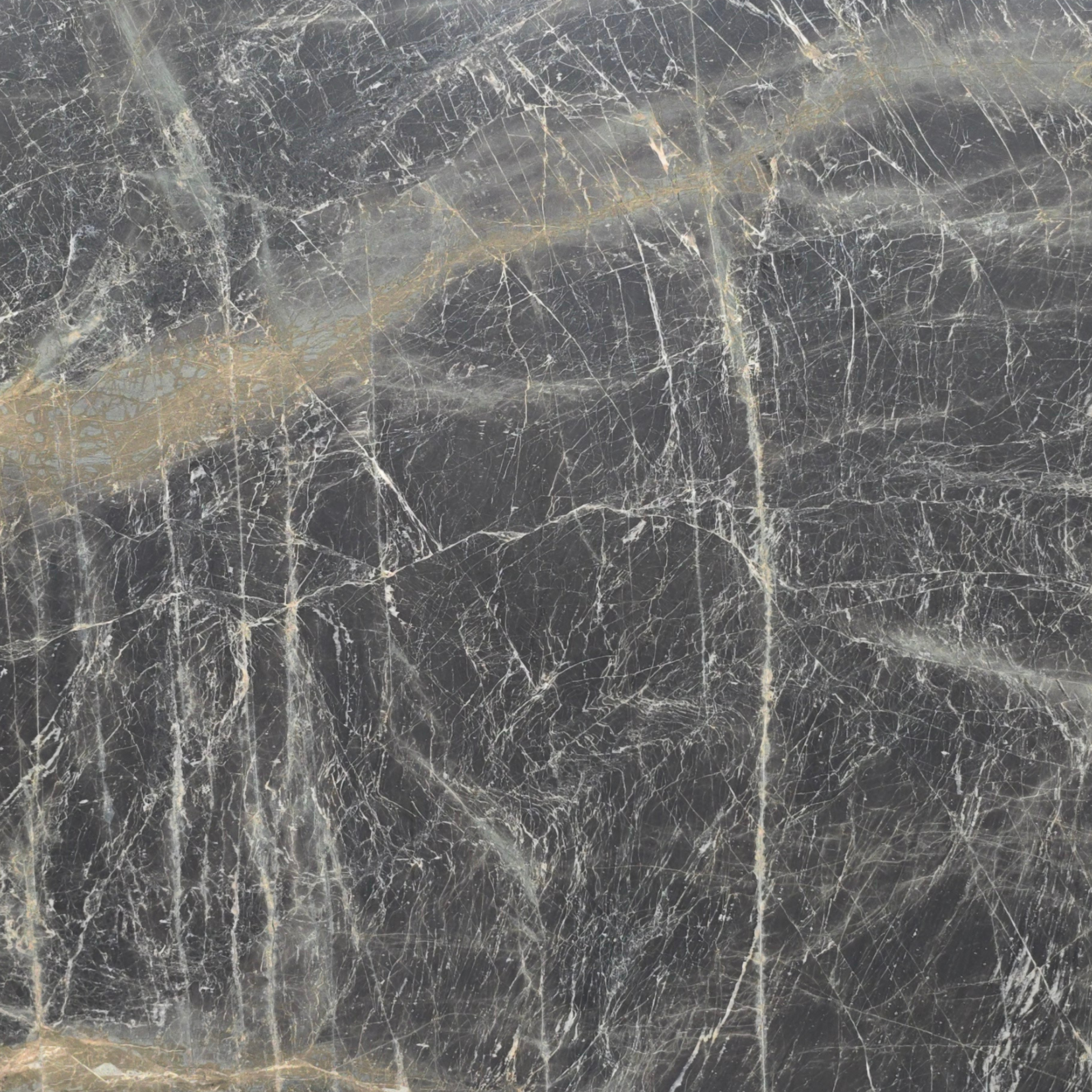
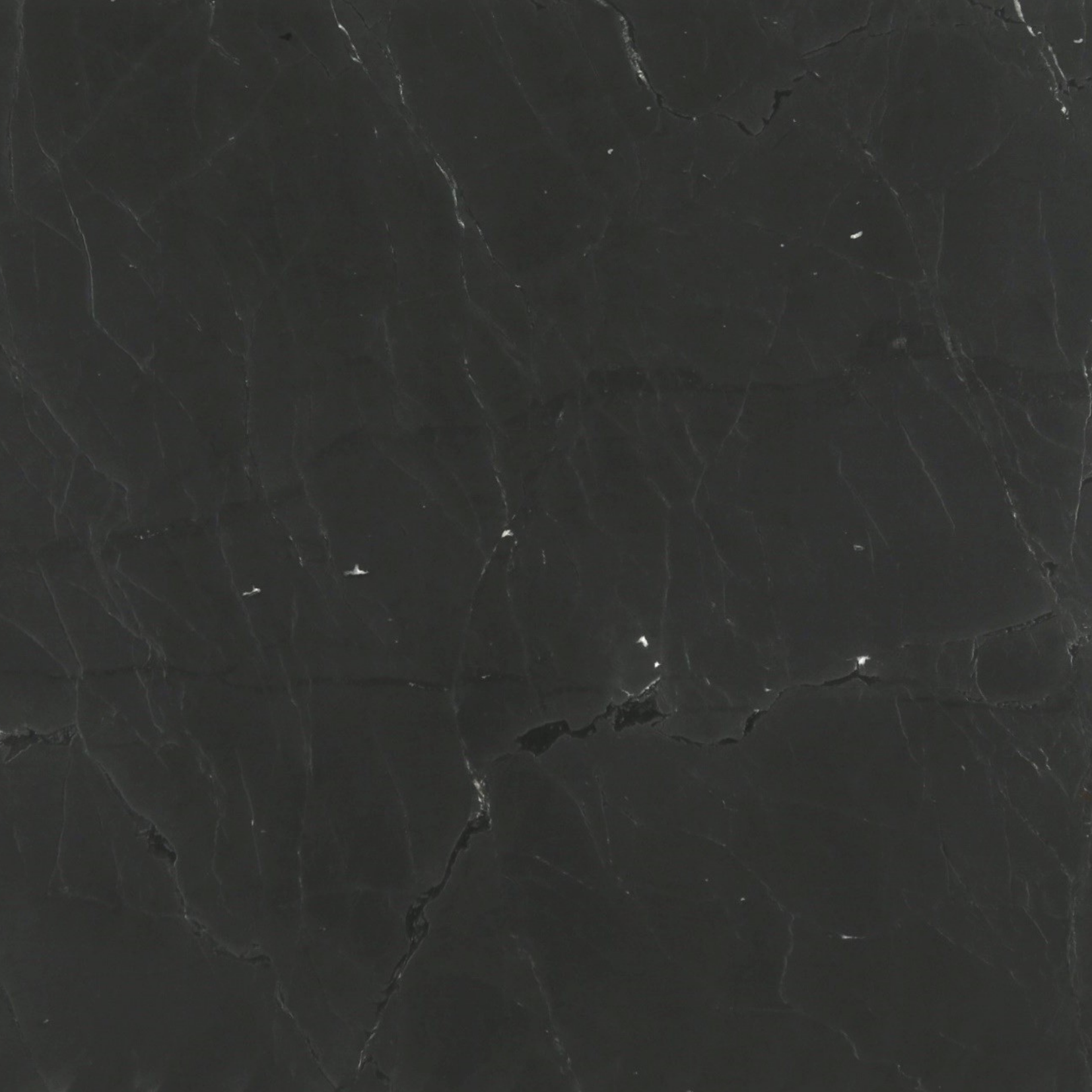
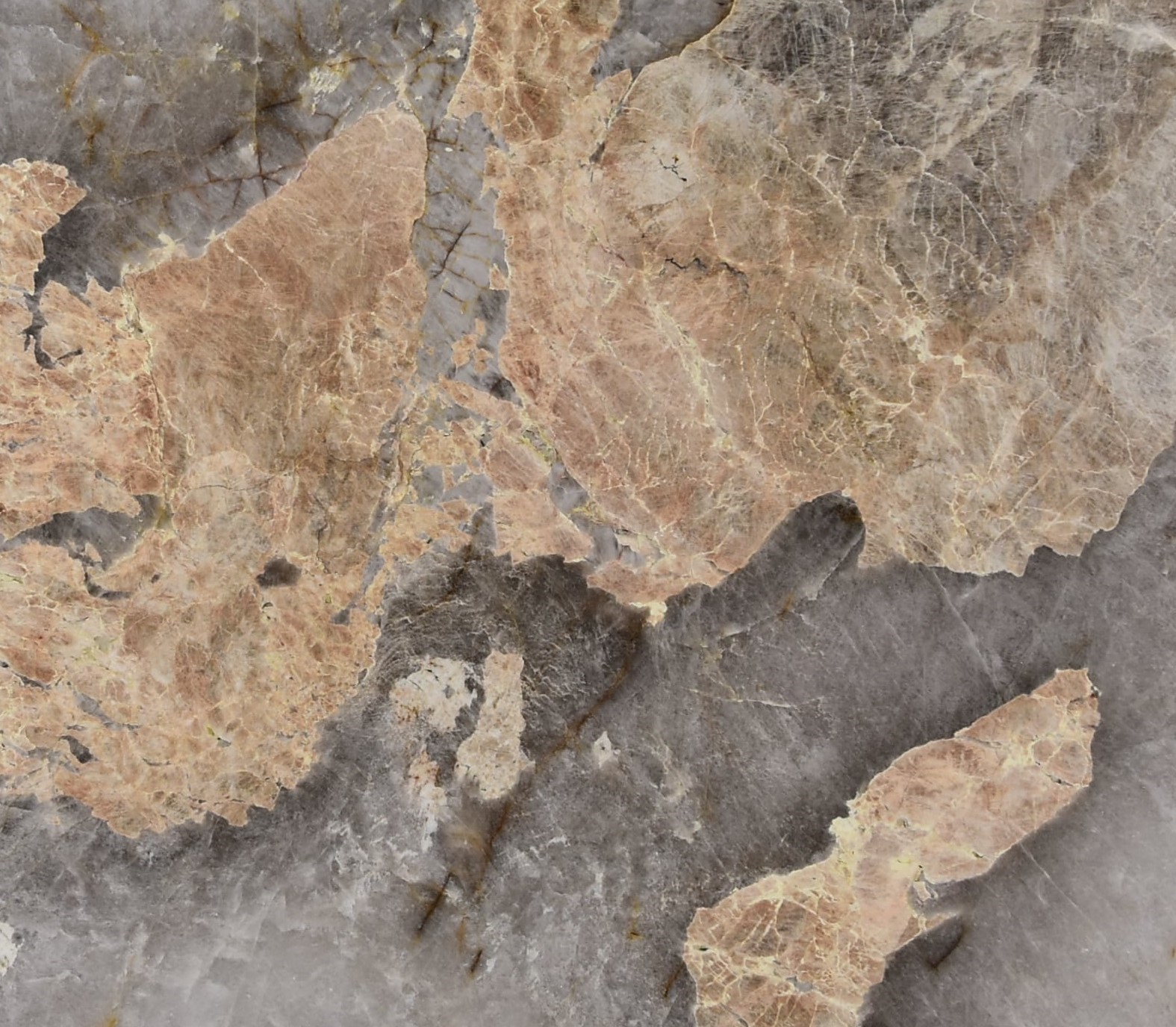
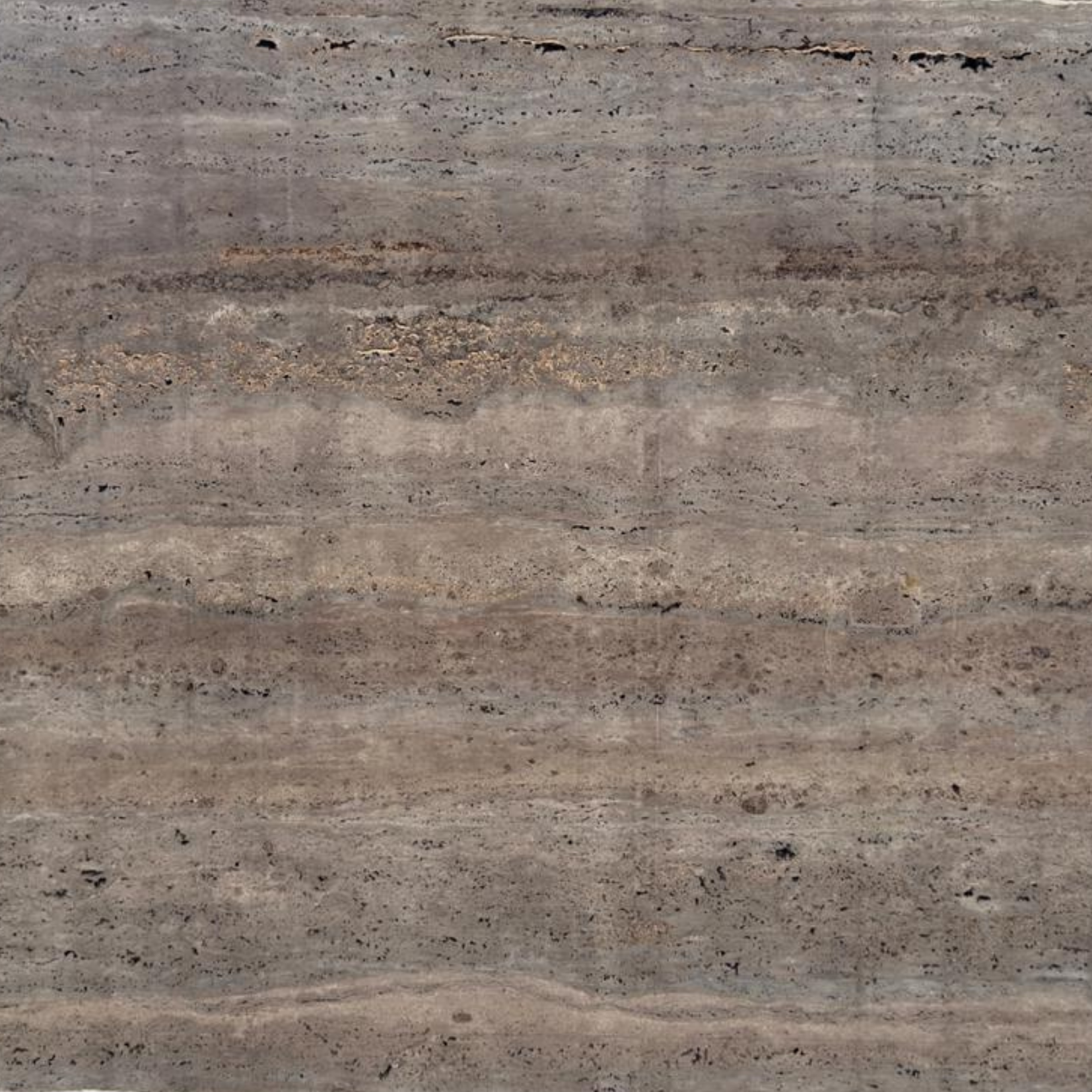
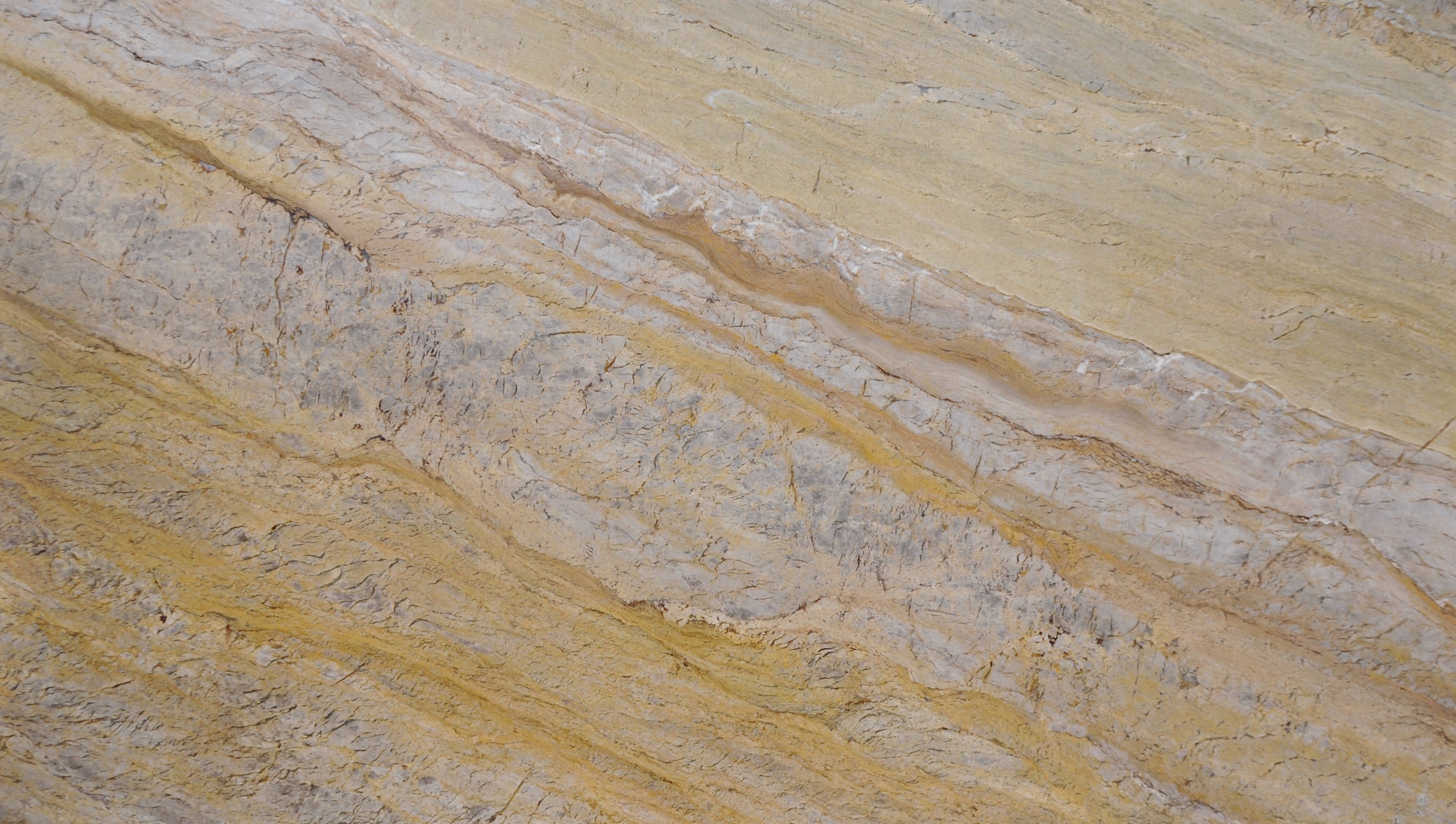
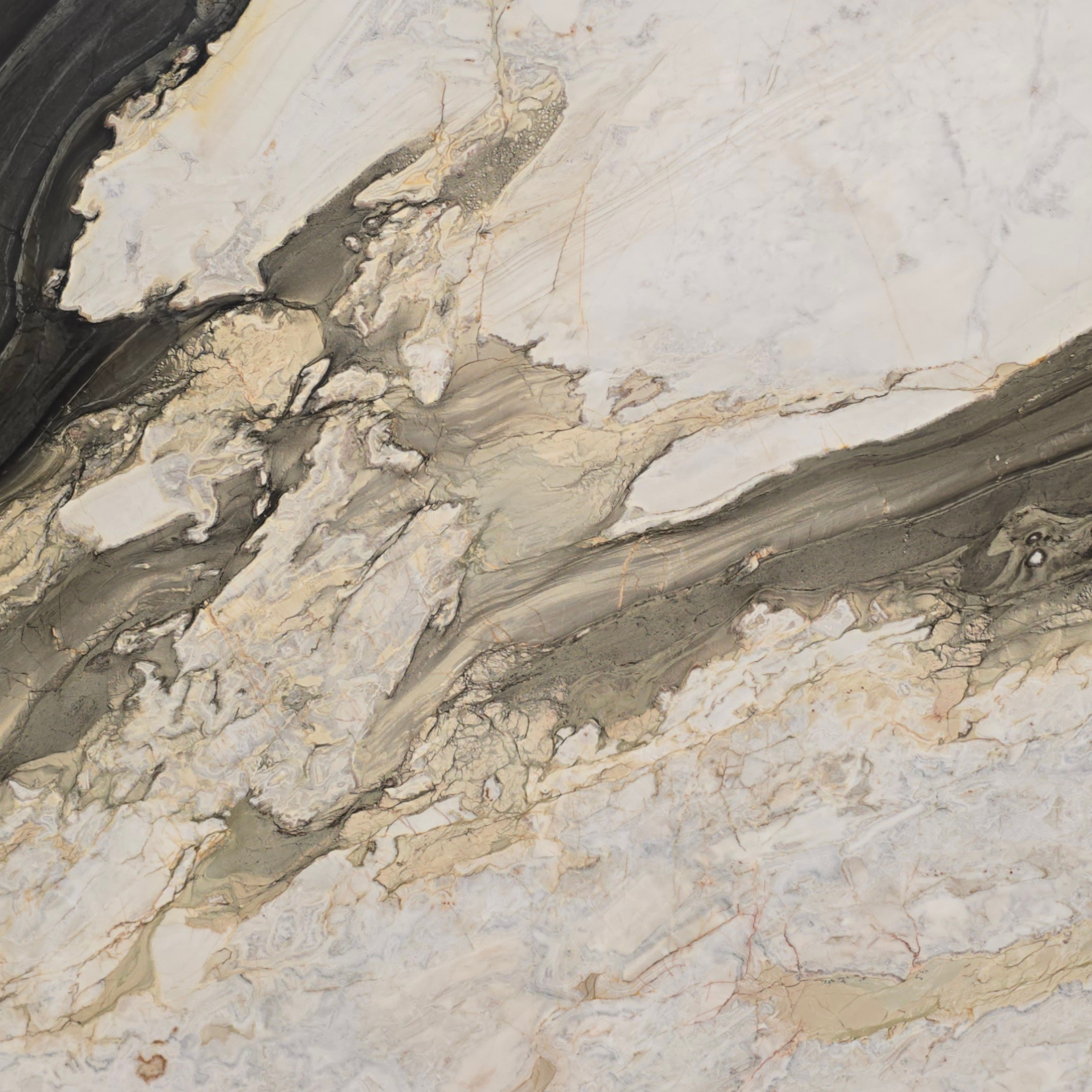
O Grigio Collemandina, de origem da Garfagnana, na Itália, é uma excelente escolha para esse tipo de espaço. De tons acinzentados e amarronzados, combina bem com metais pretos ou dourados, criando um contraste contemporâneo.
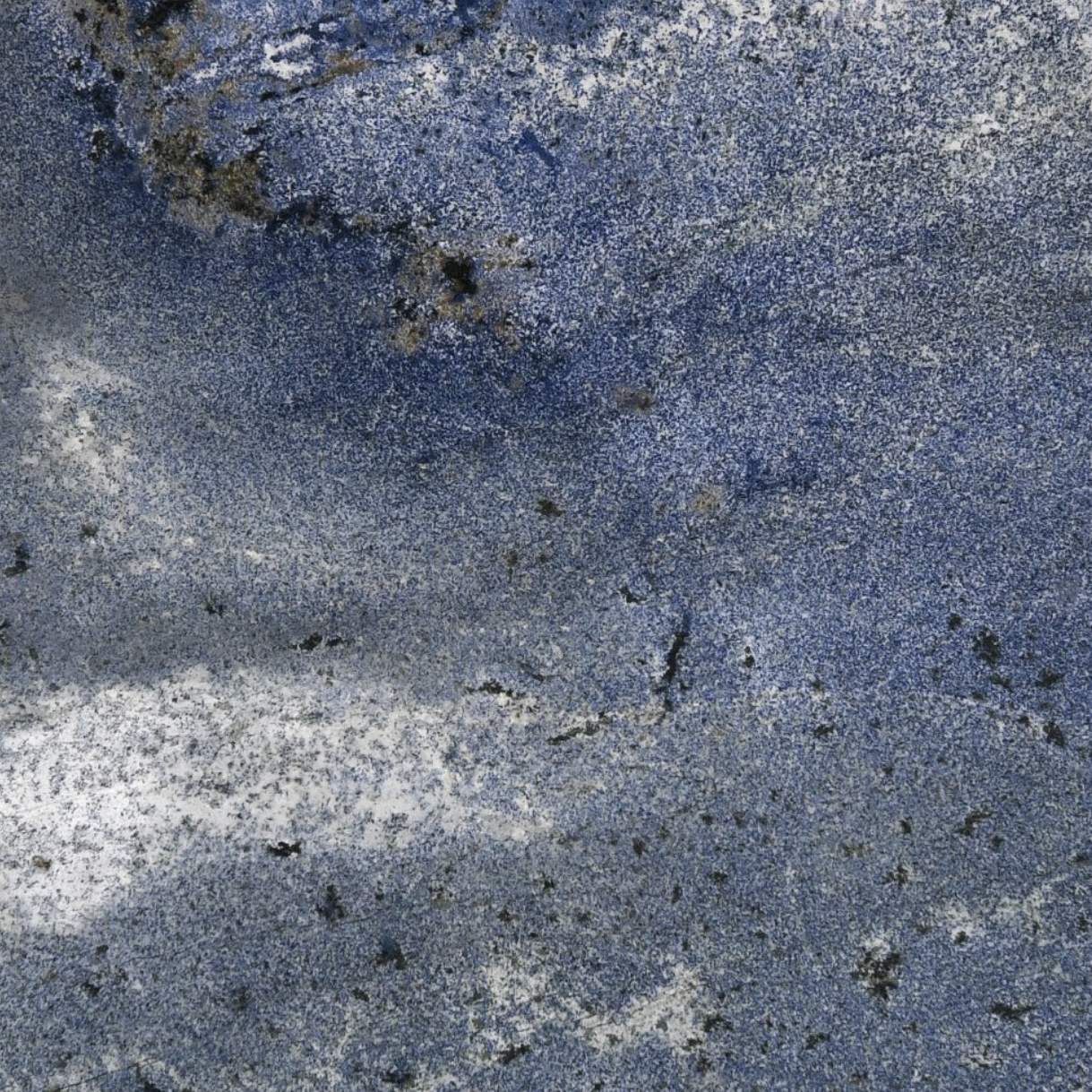
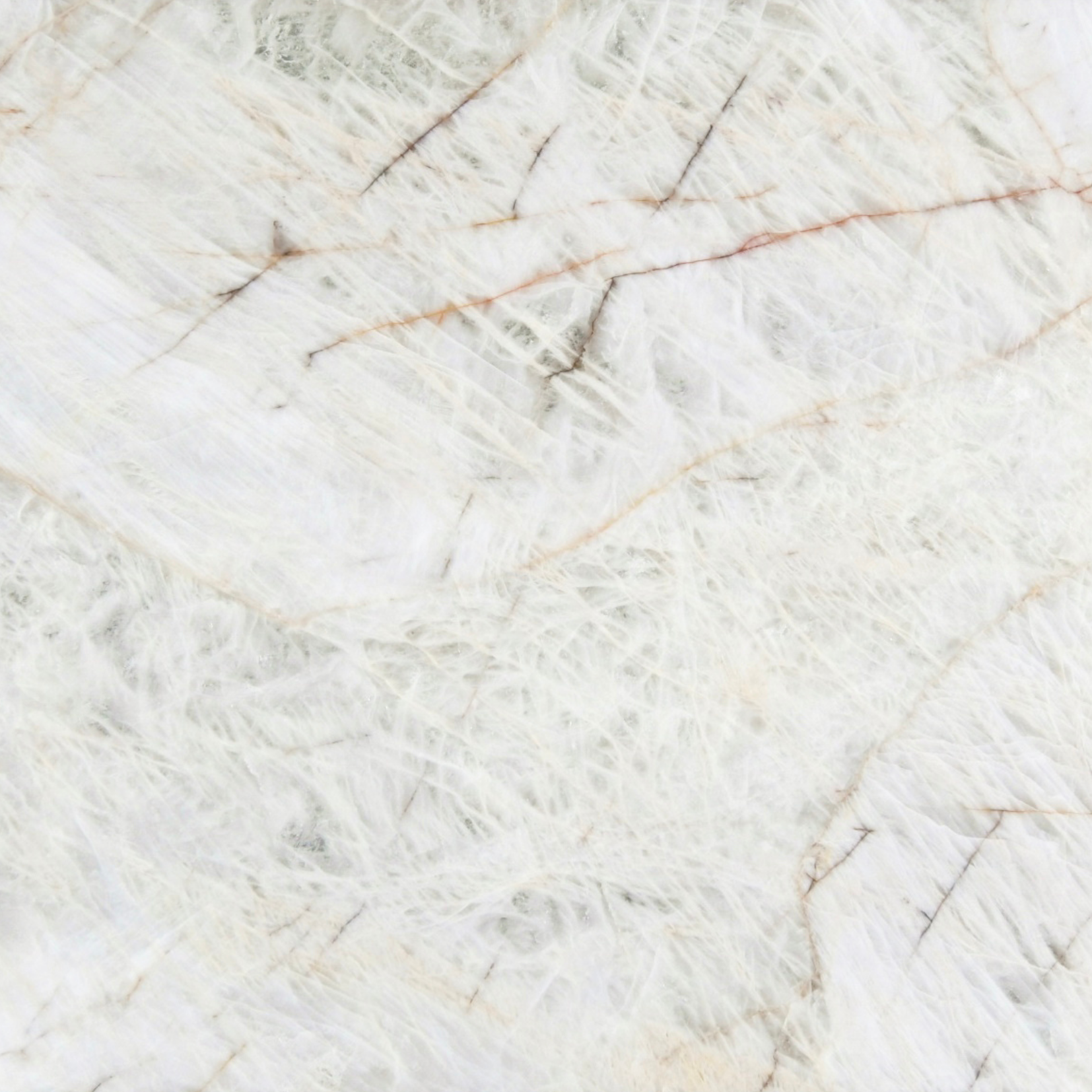
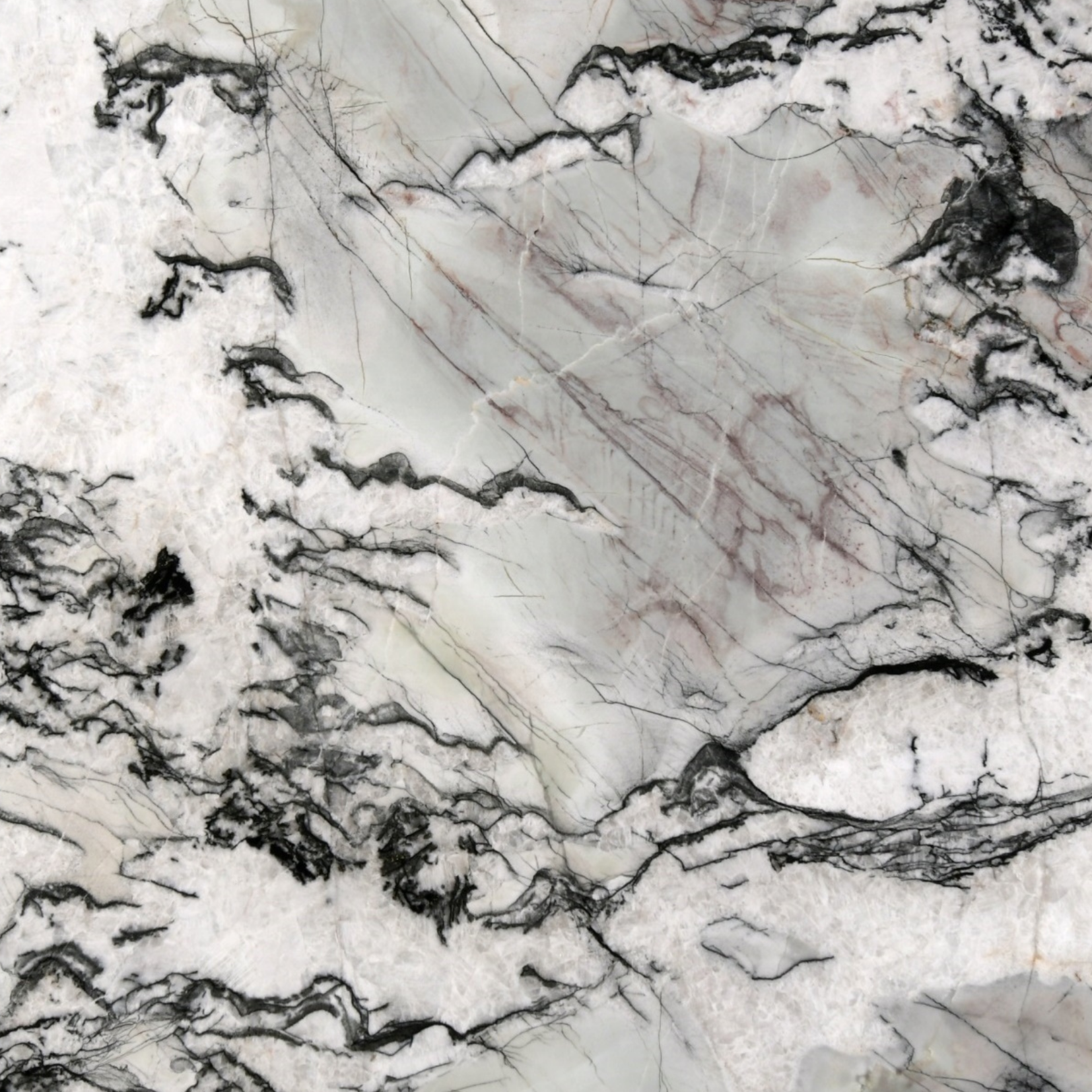
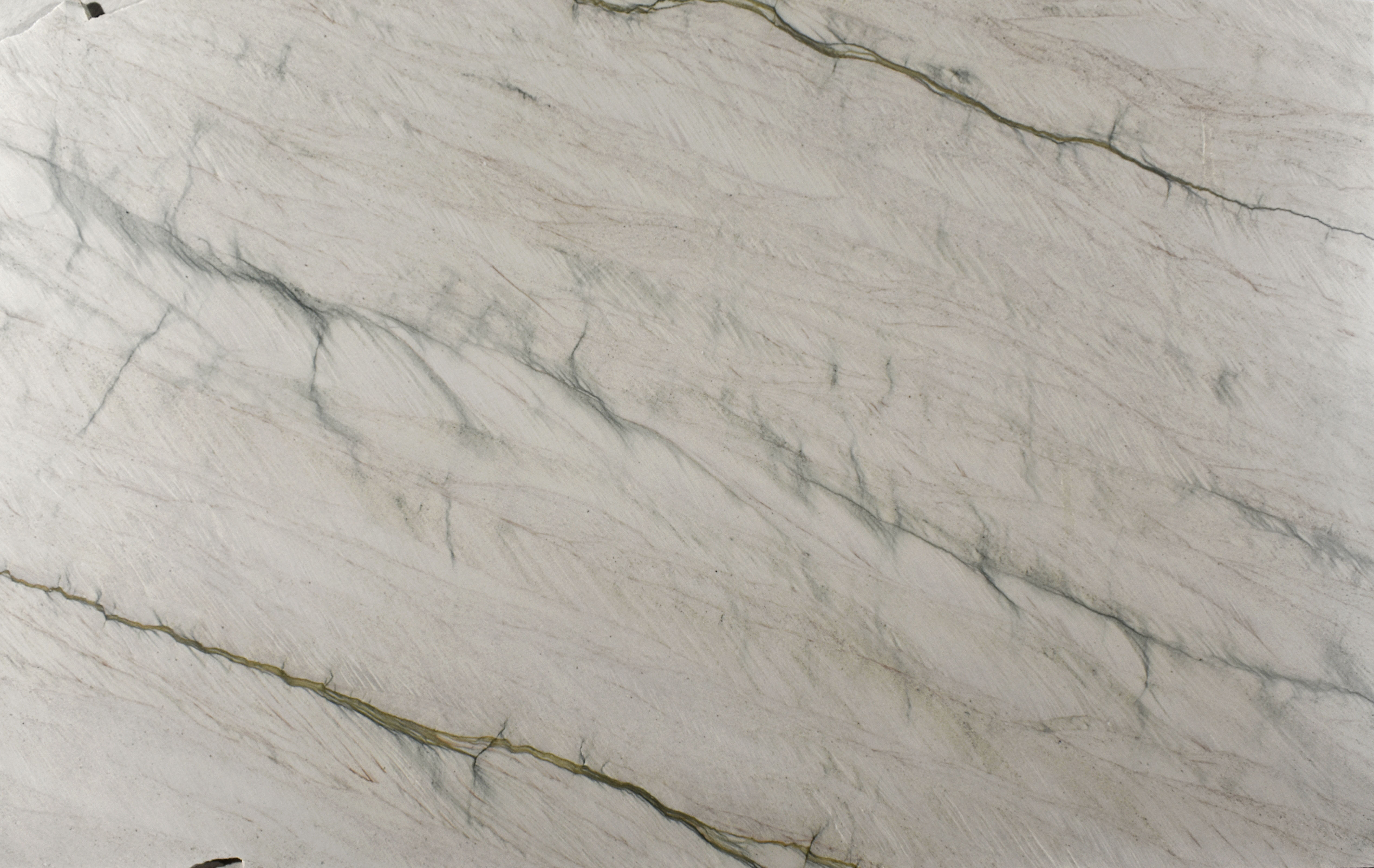
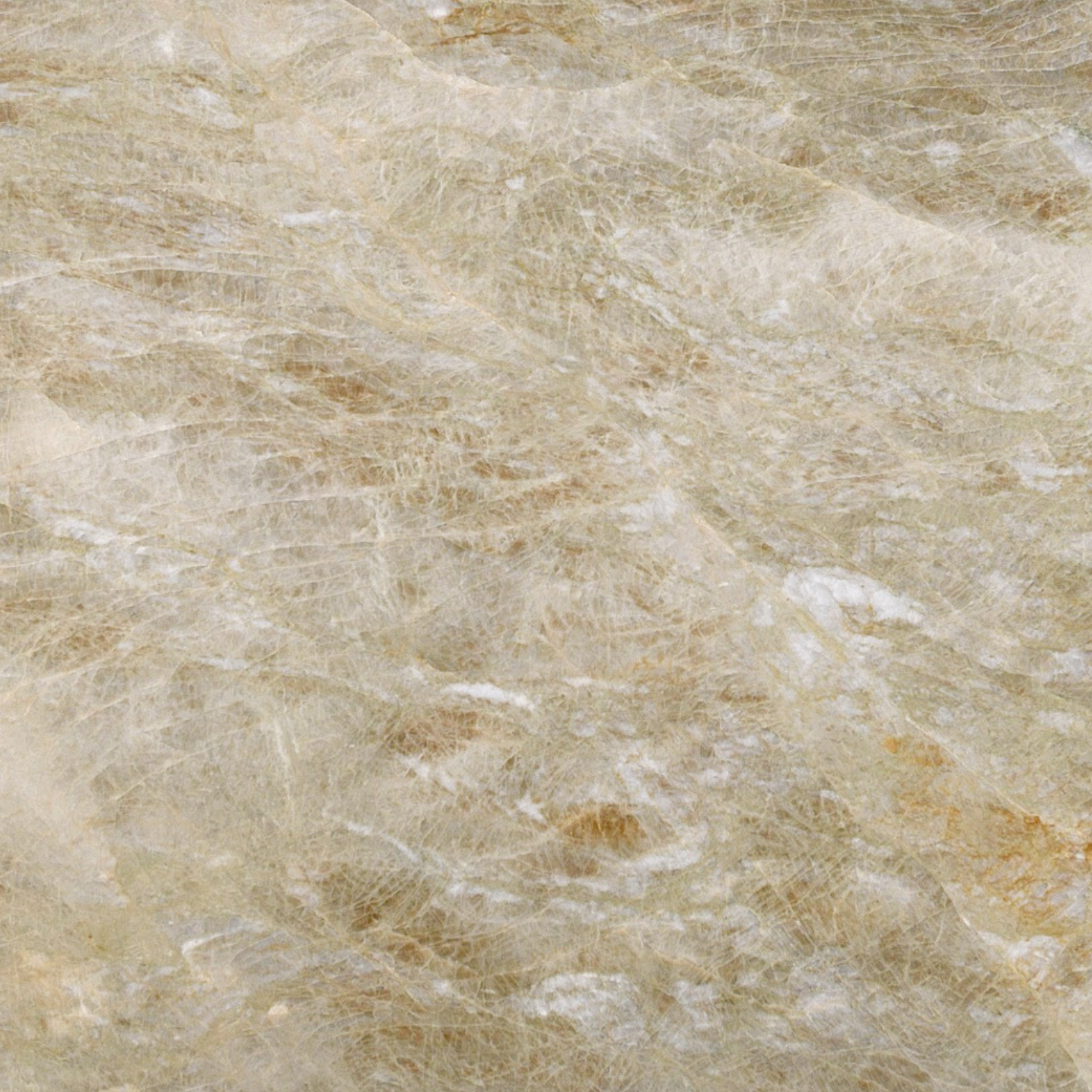
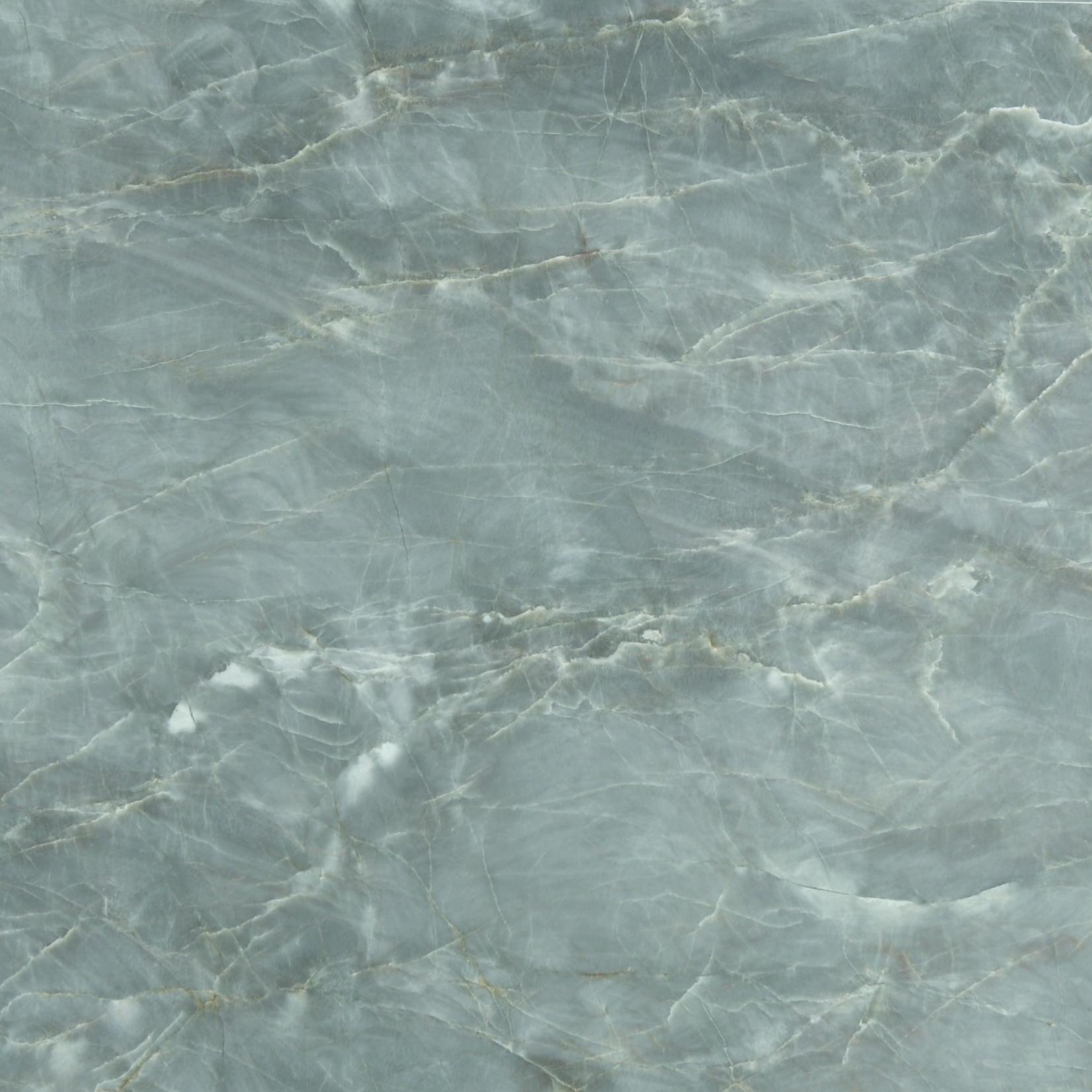
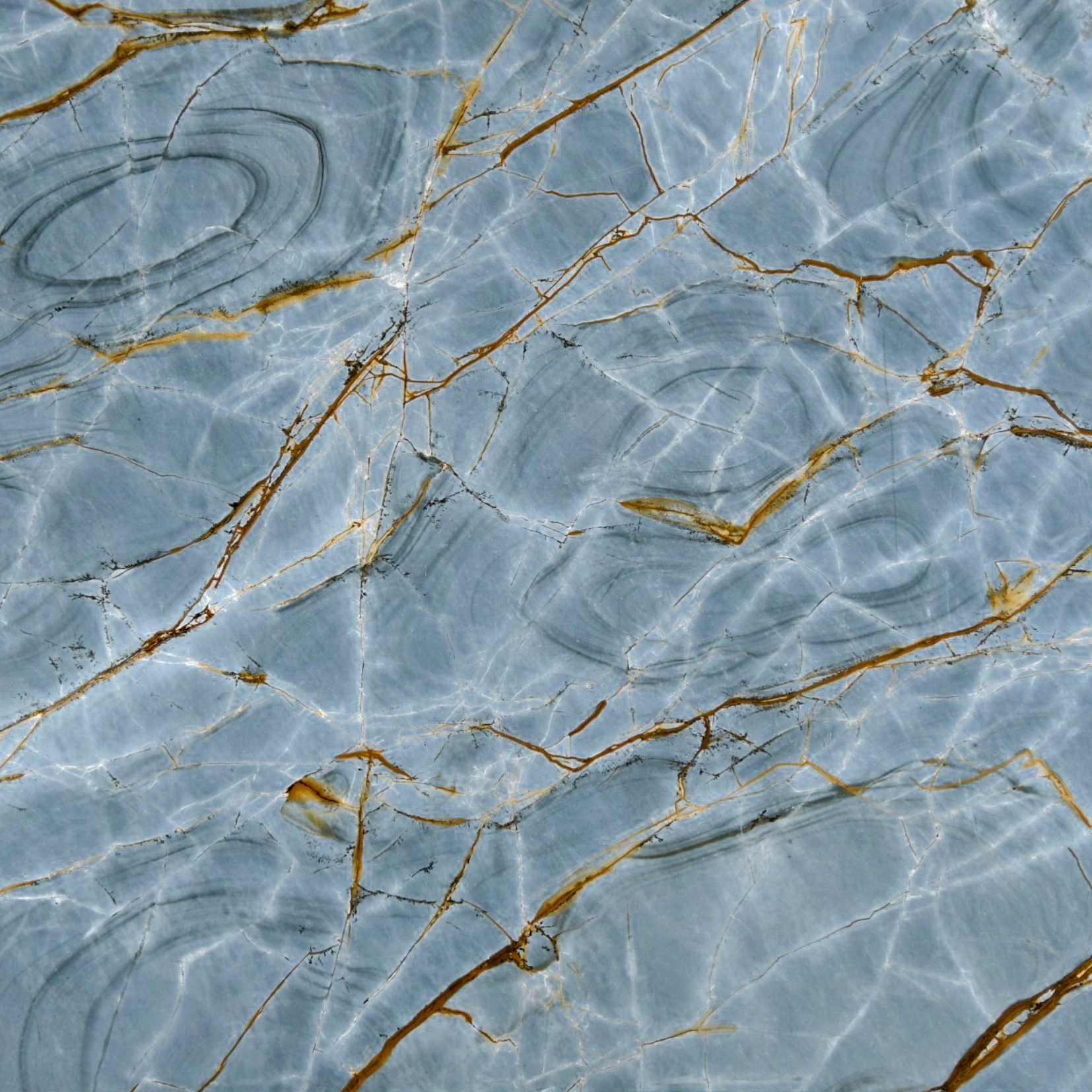
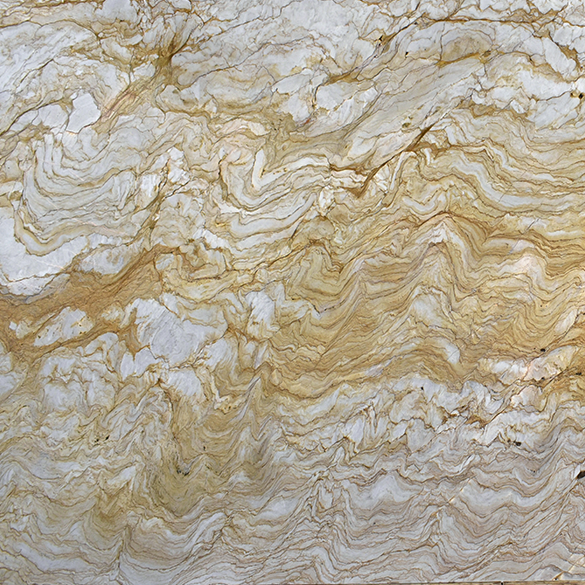
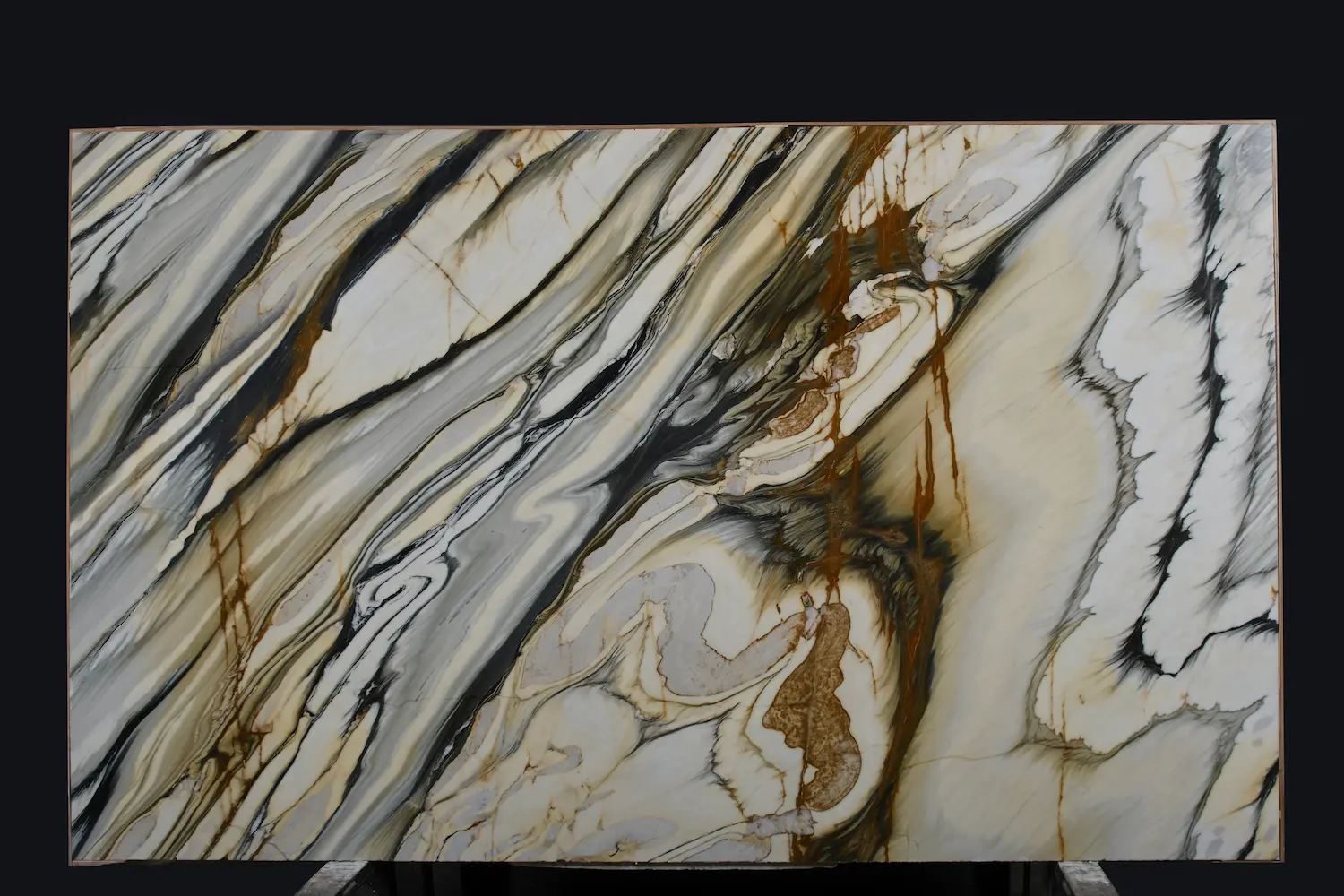
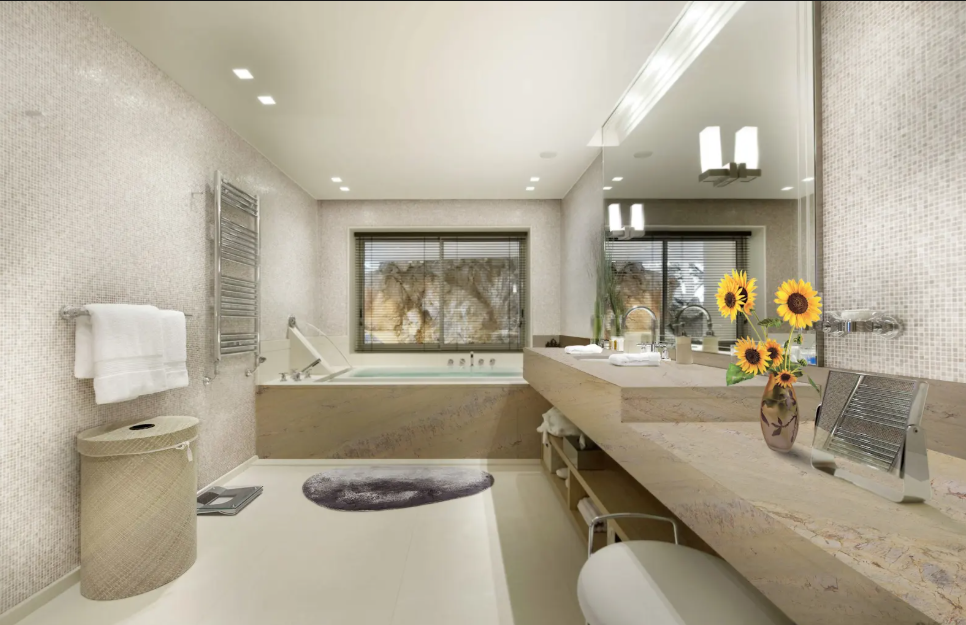
Já o mamoré brasileiro Van Gogh, de base clara com veios amarelos e azulados, é perfeito para detalhes luxuosos, como o revestimento da borda de banheiras. Ele transmite leveza, valorizando o design do ambiente.
2. Painéis em quartos de casal
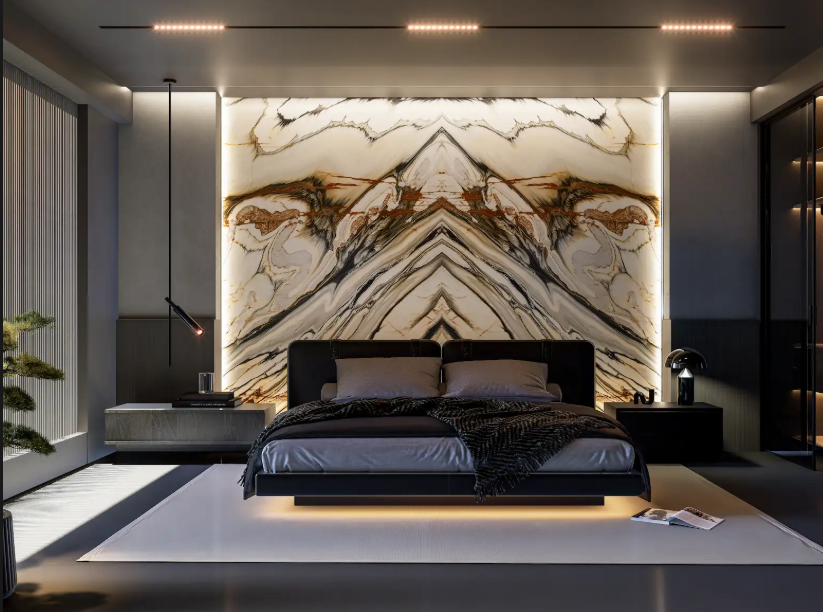
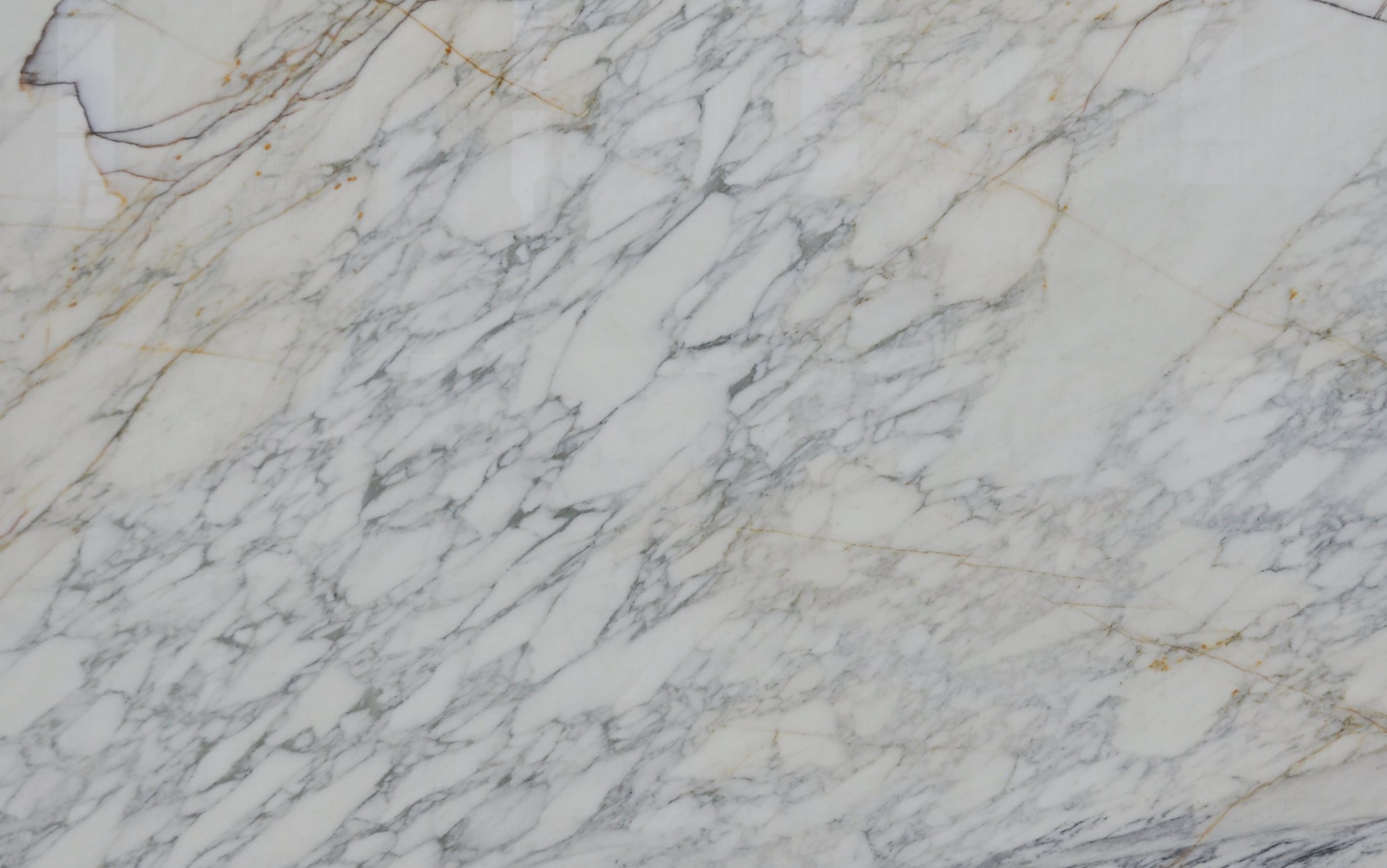
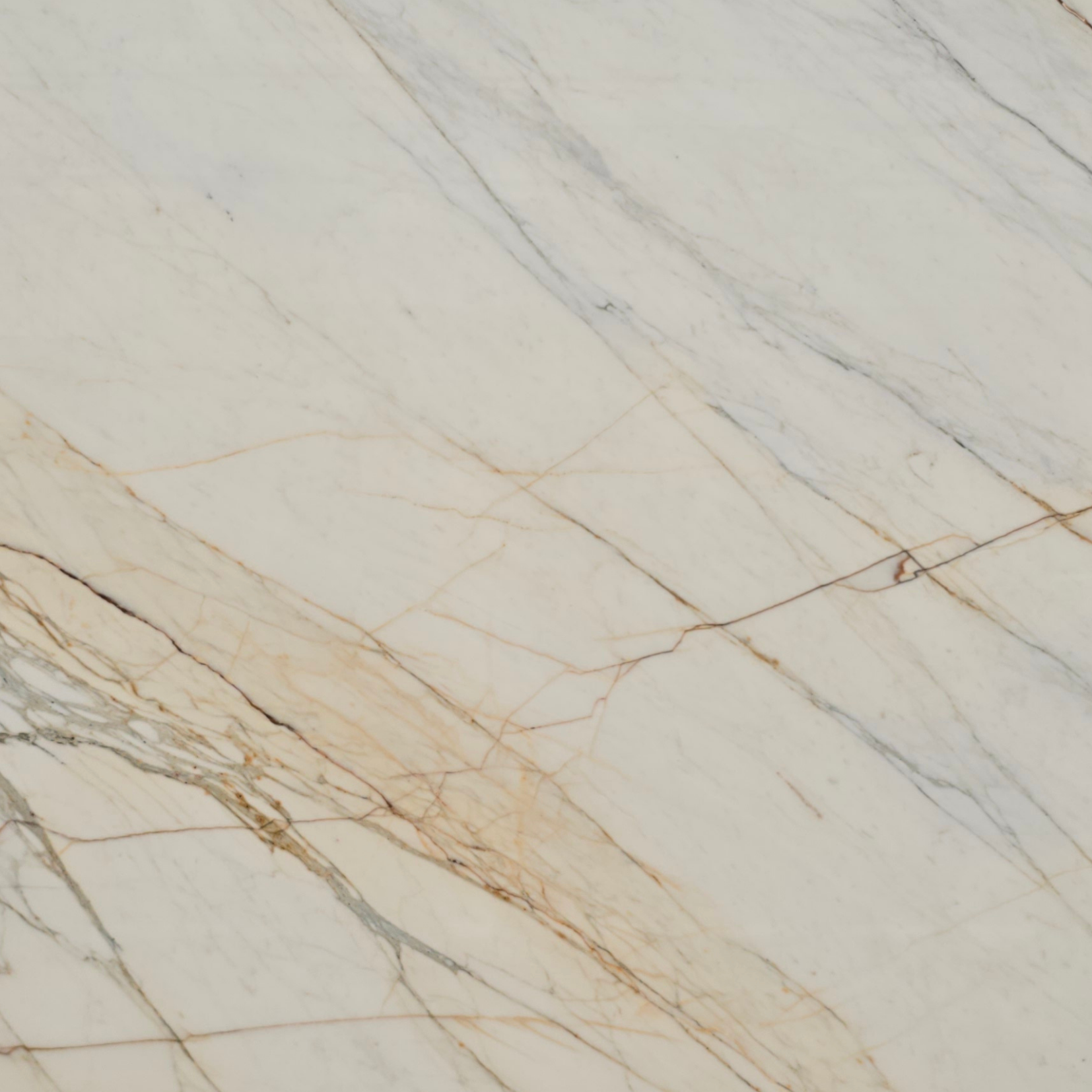
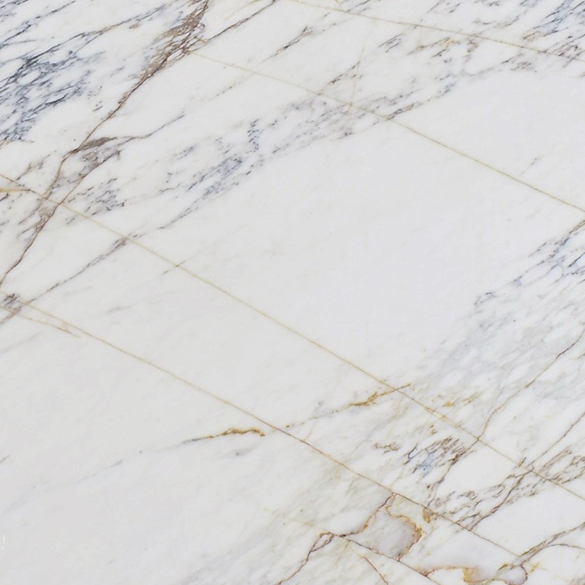
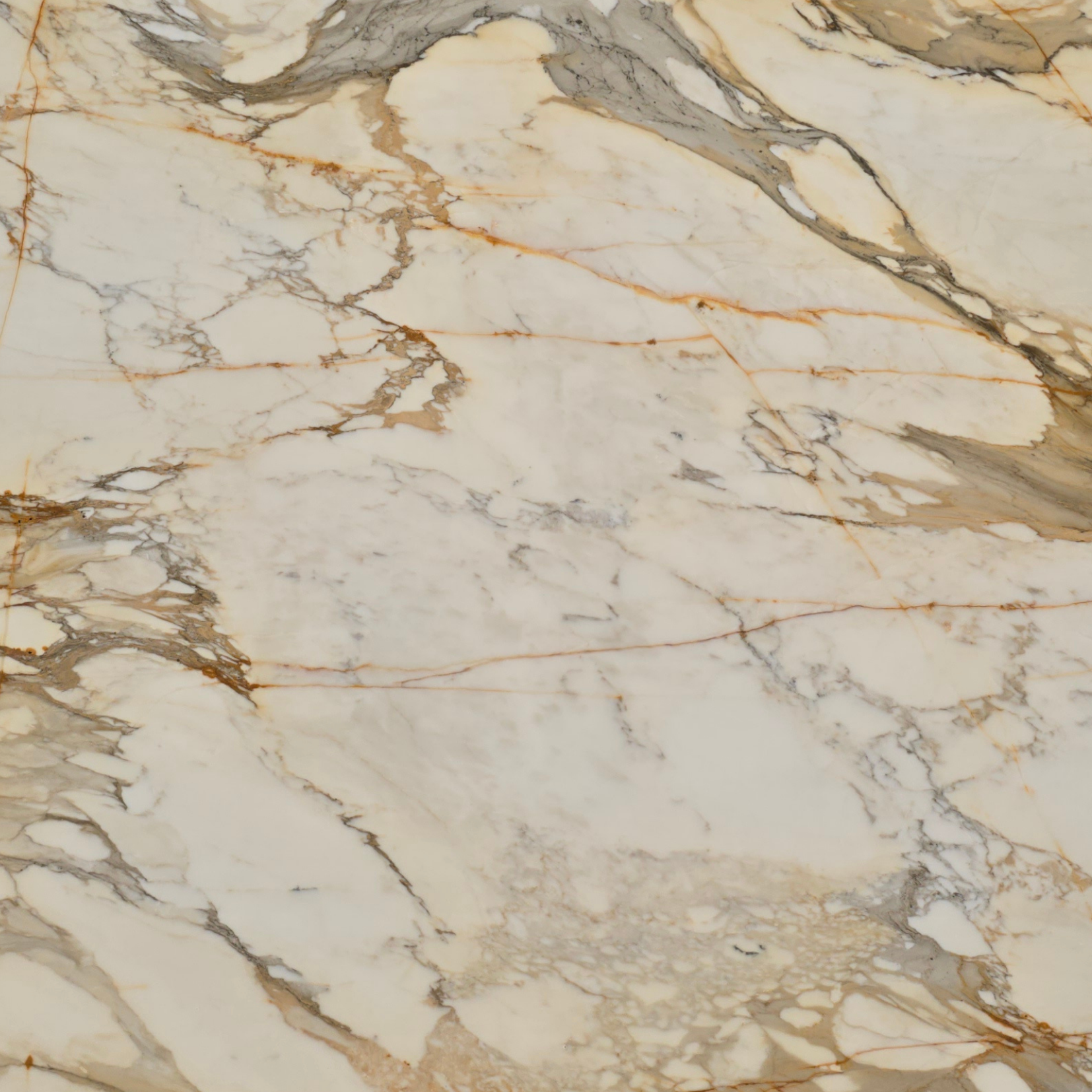
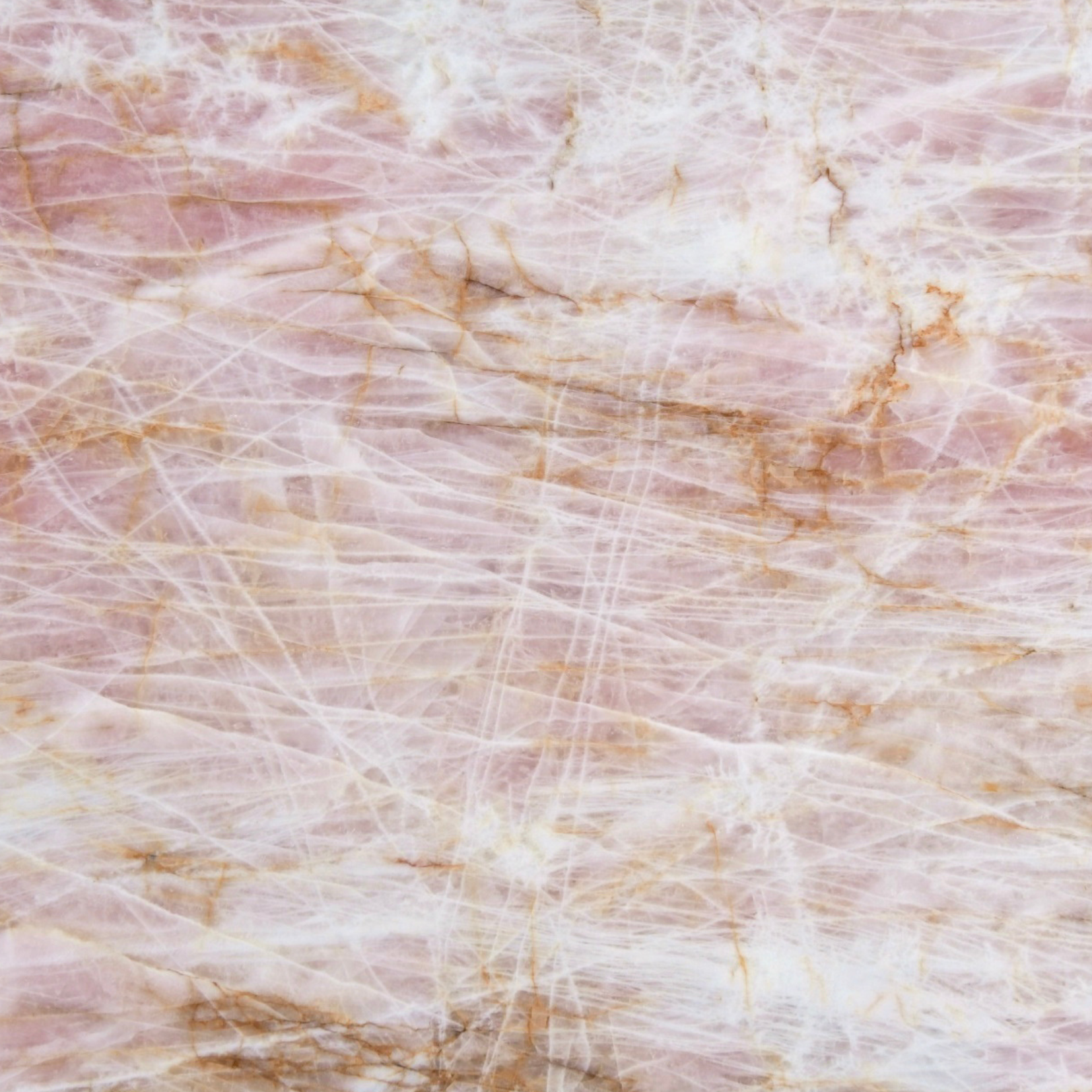
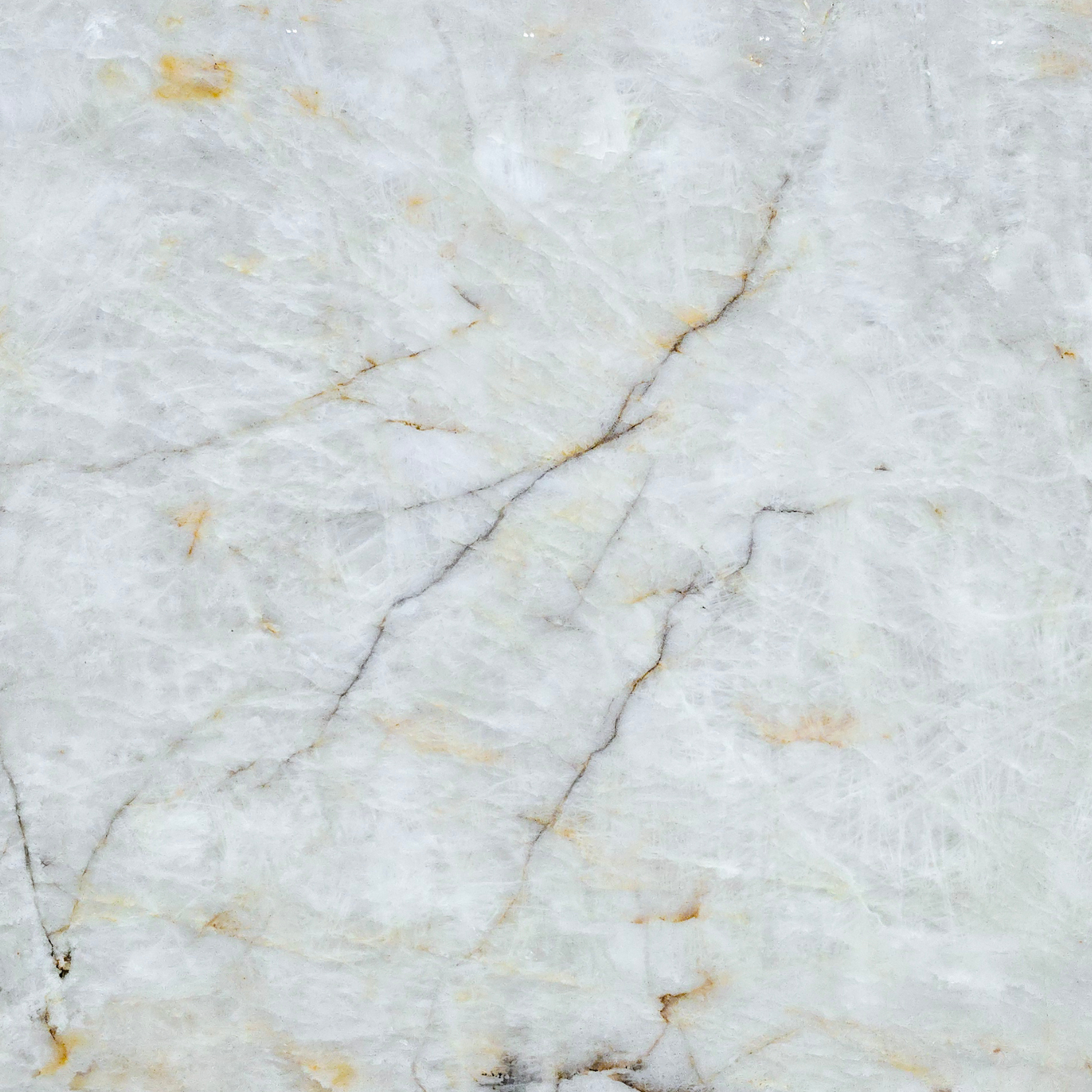
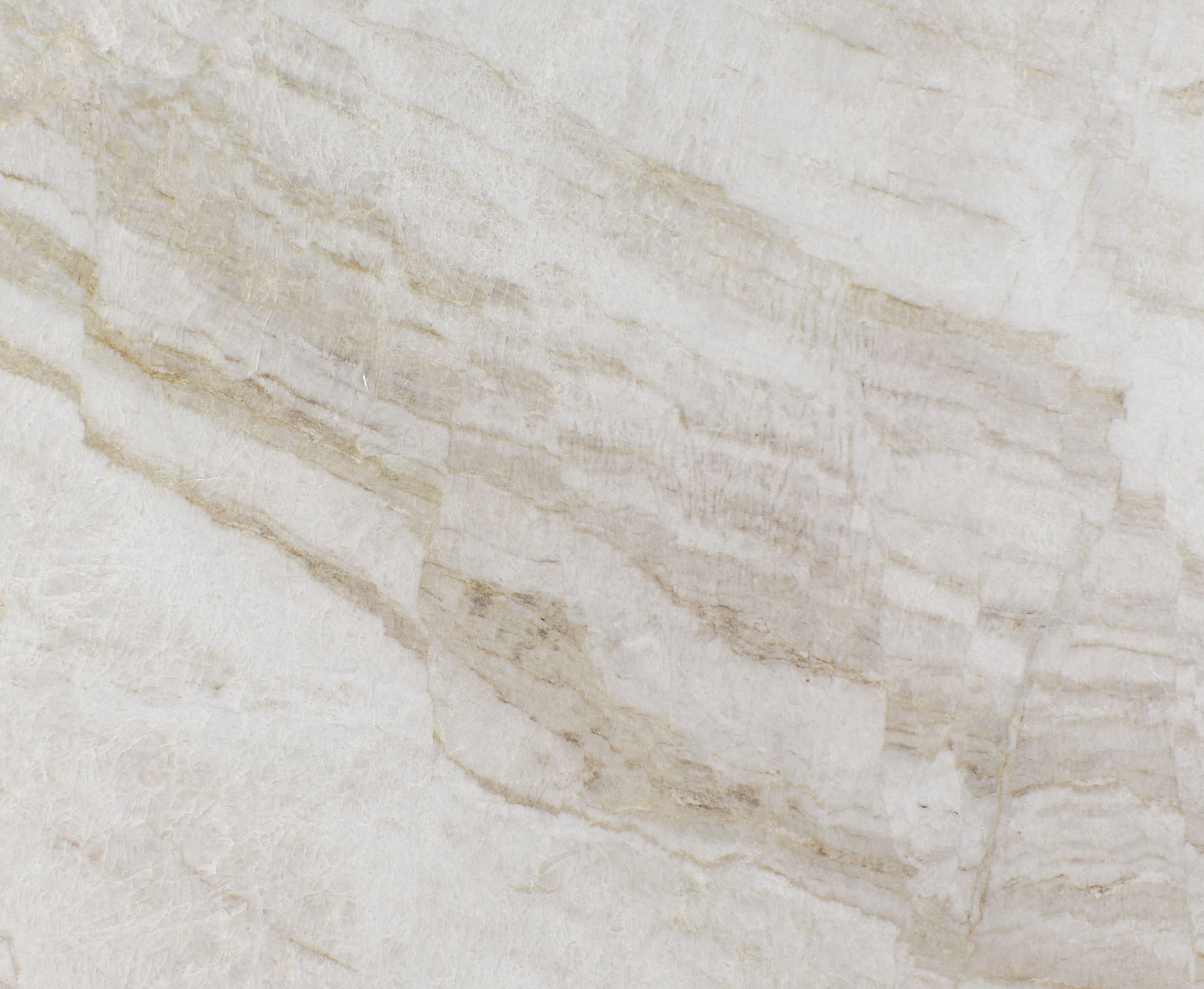
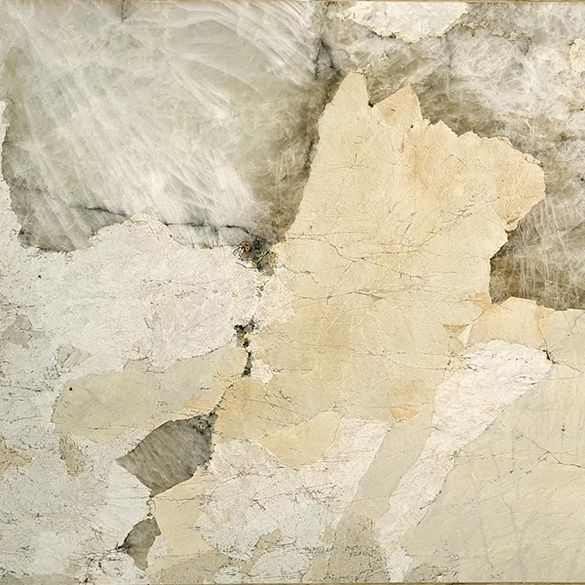
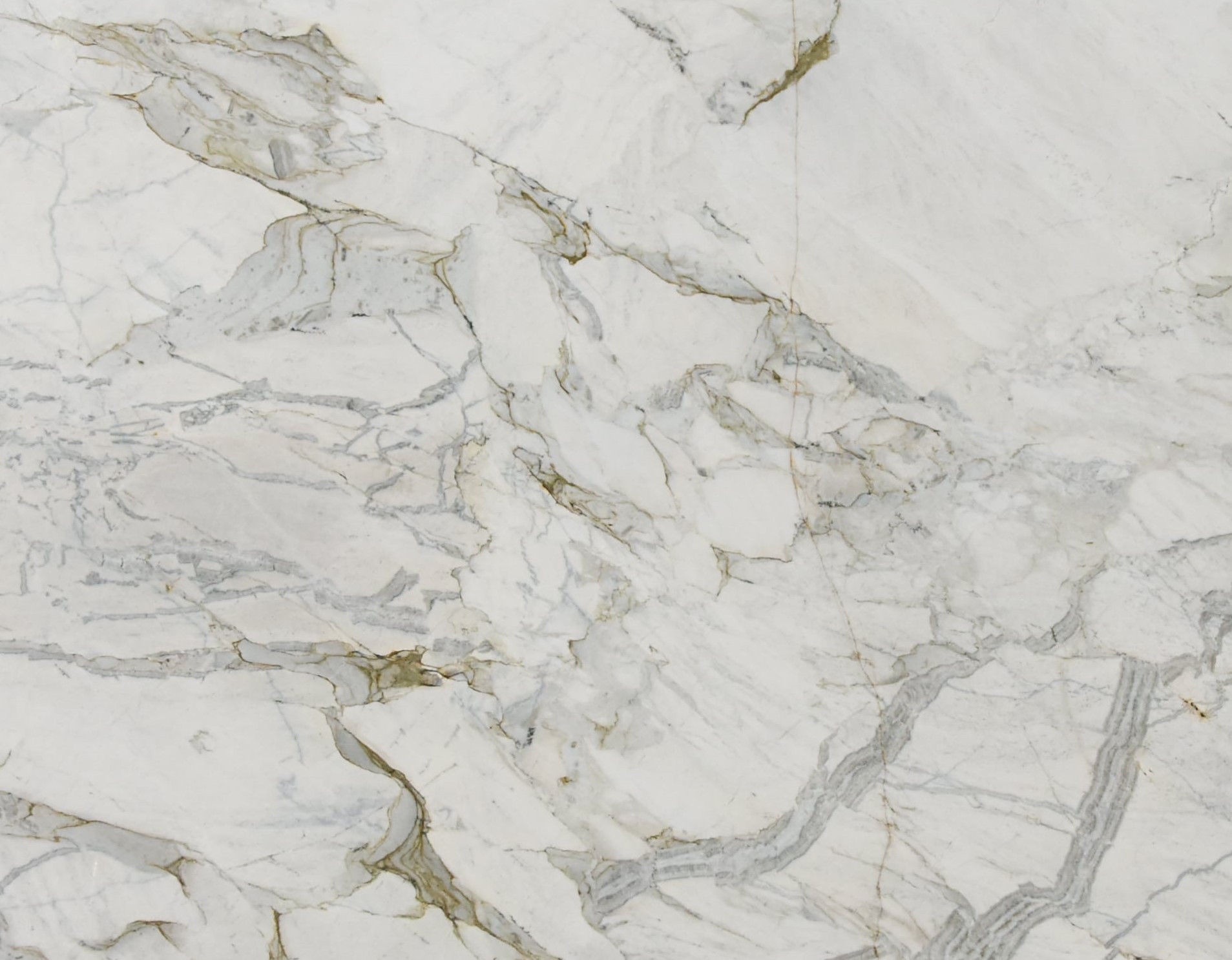
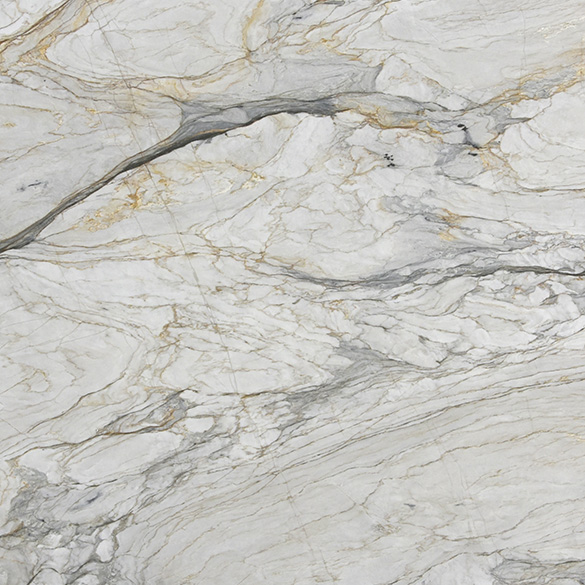
O mármore em painéis de cabeceira transforma o quarto do casal em um refúgio elegante e atrativo. O Calacatta Fabbricotti, com fundo claro e veios dourados que parecem compor um desenho, é ideal para composições que buscam uma sofisticação mais exótica, que pode ser ampliada pela iluminação LED.
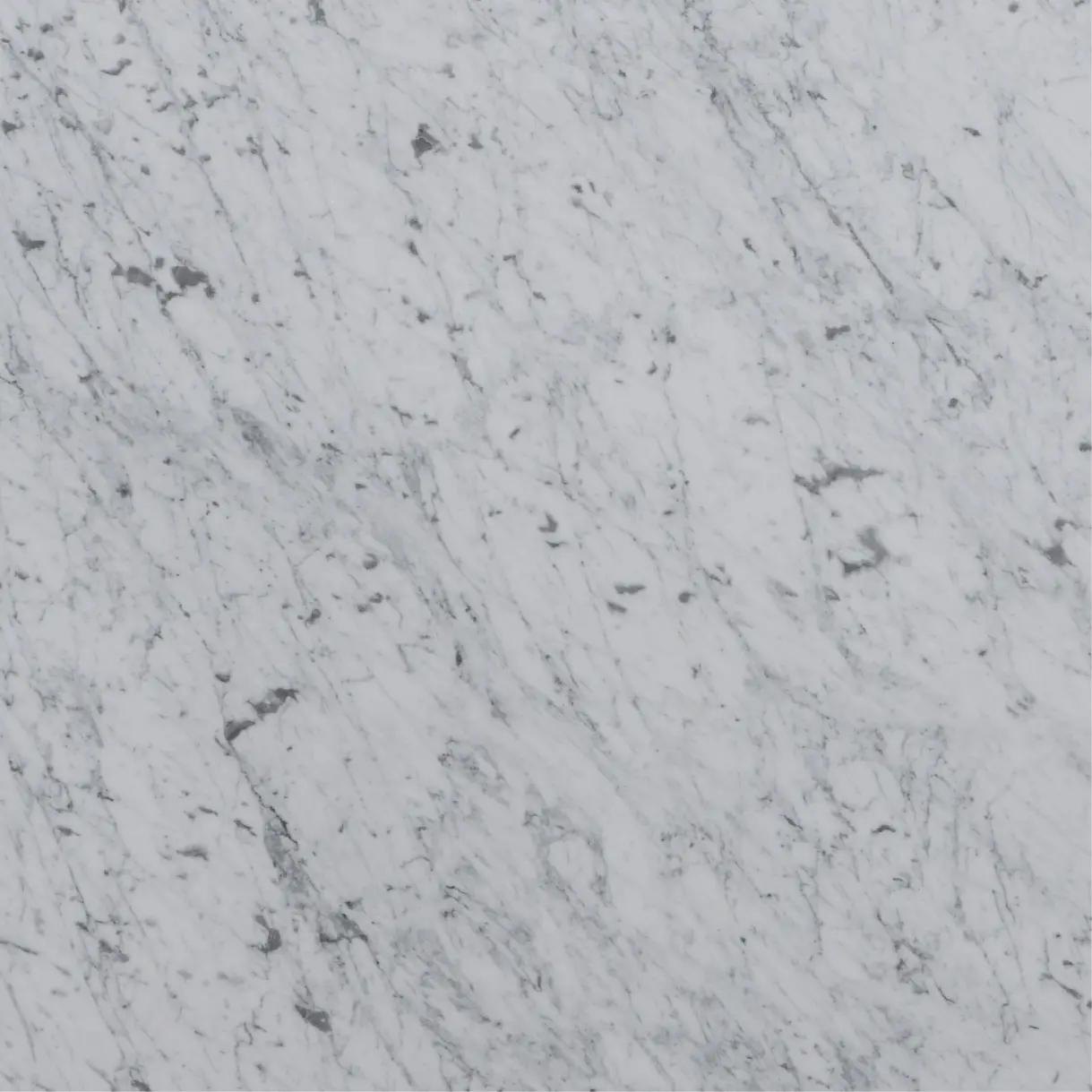
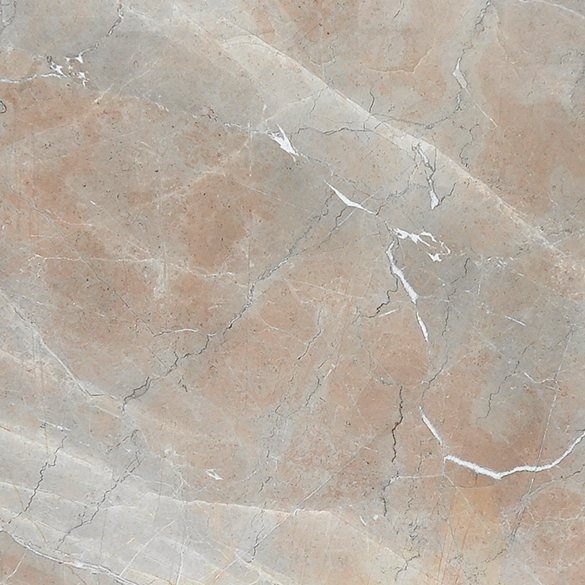
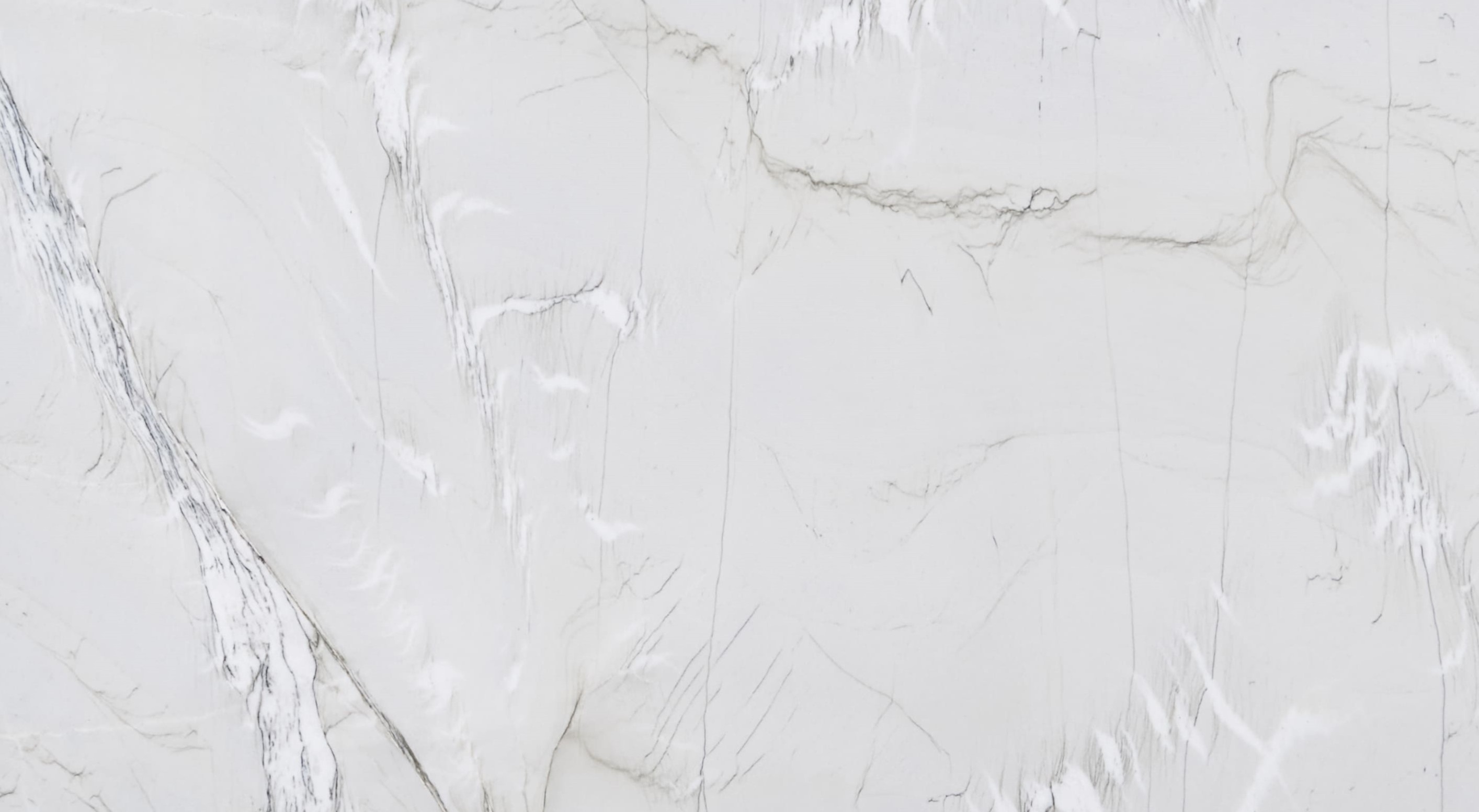
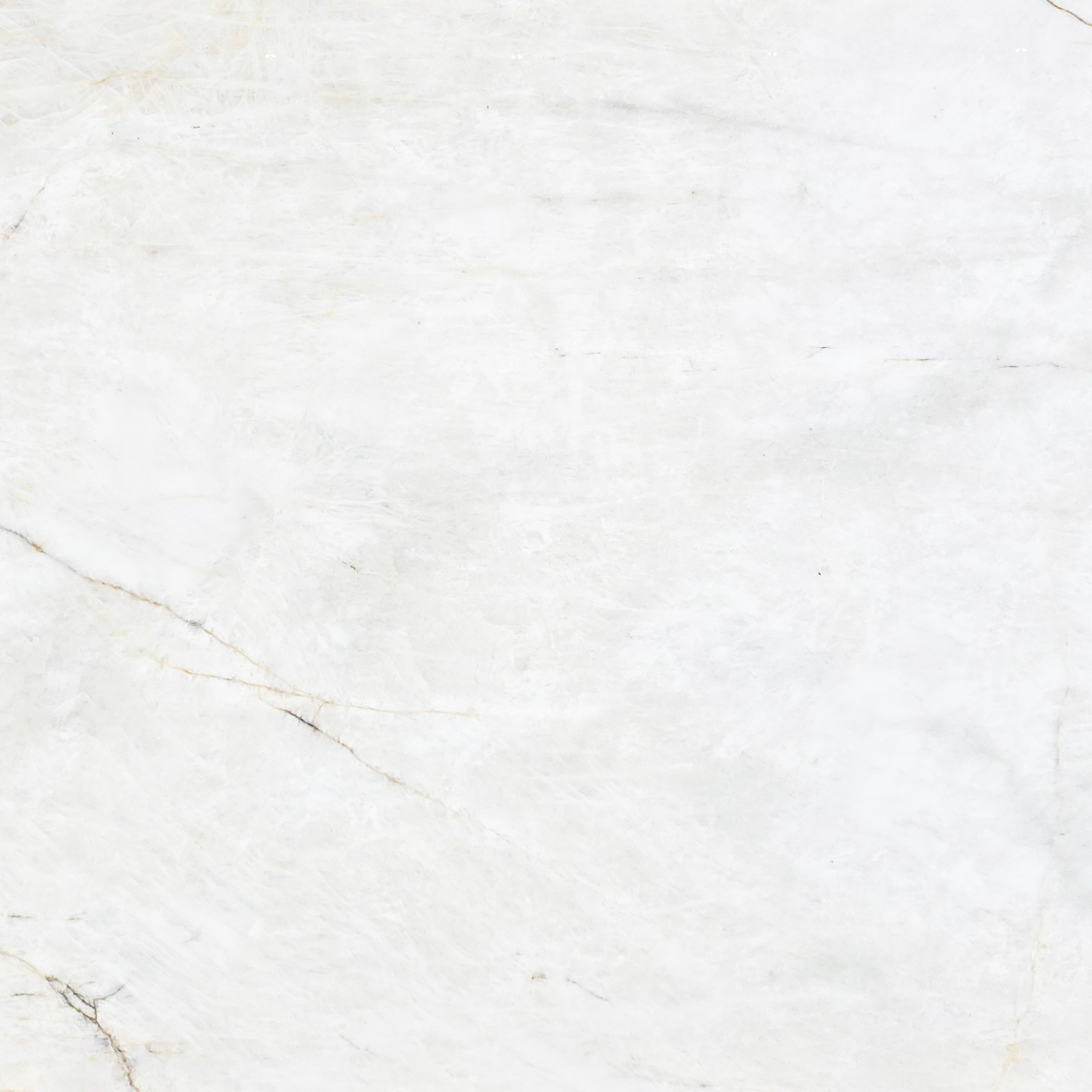
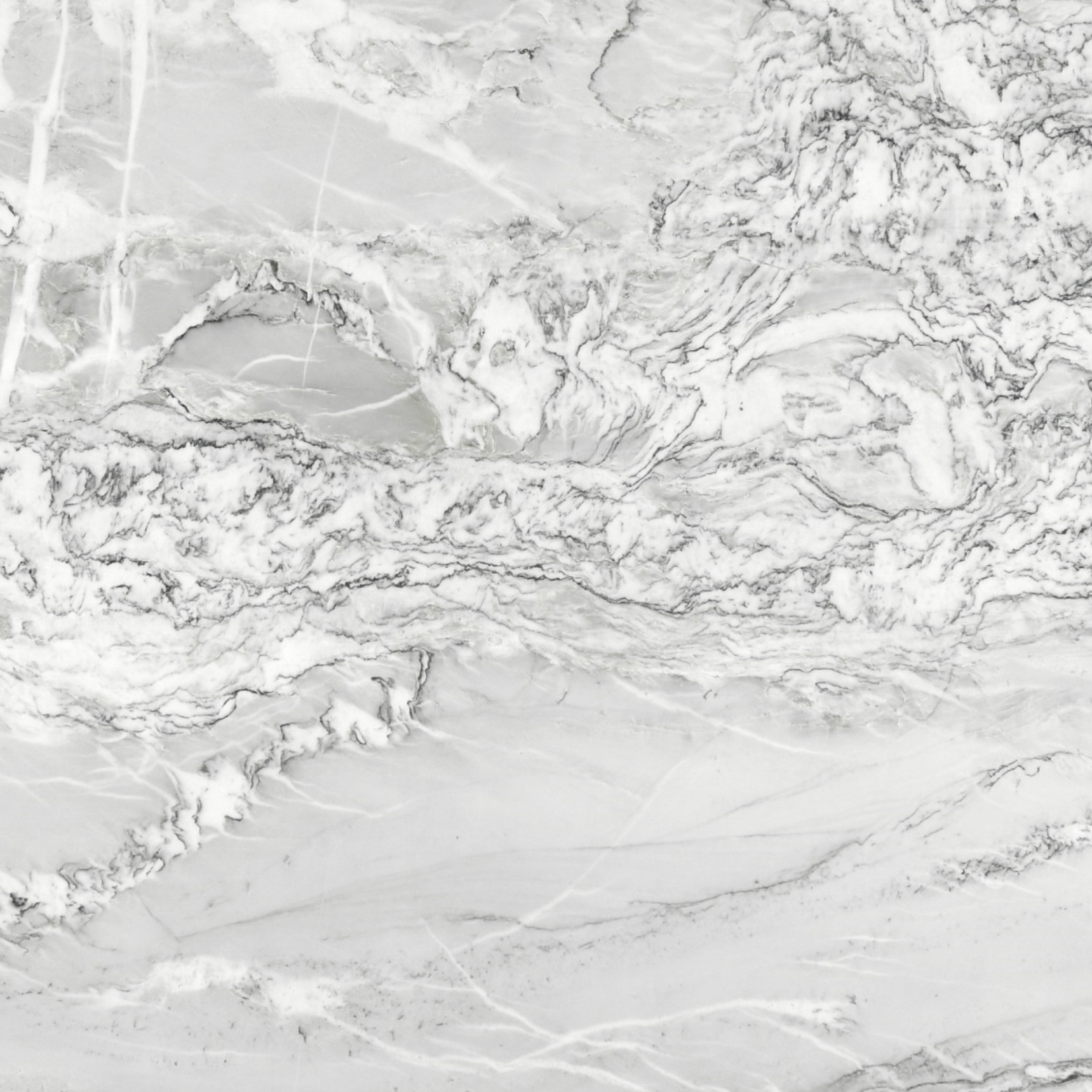
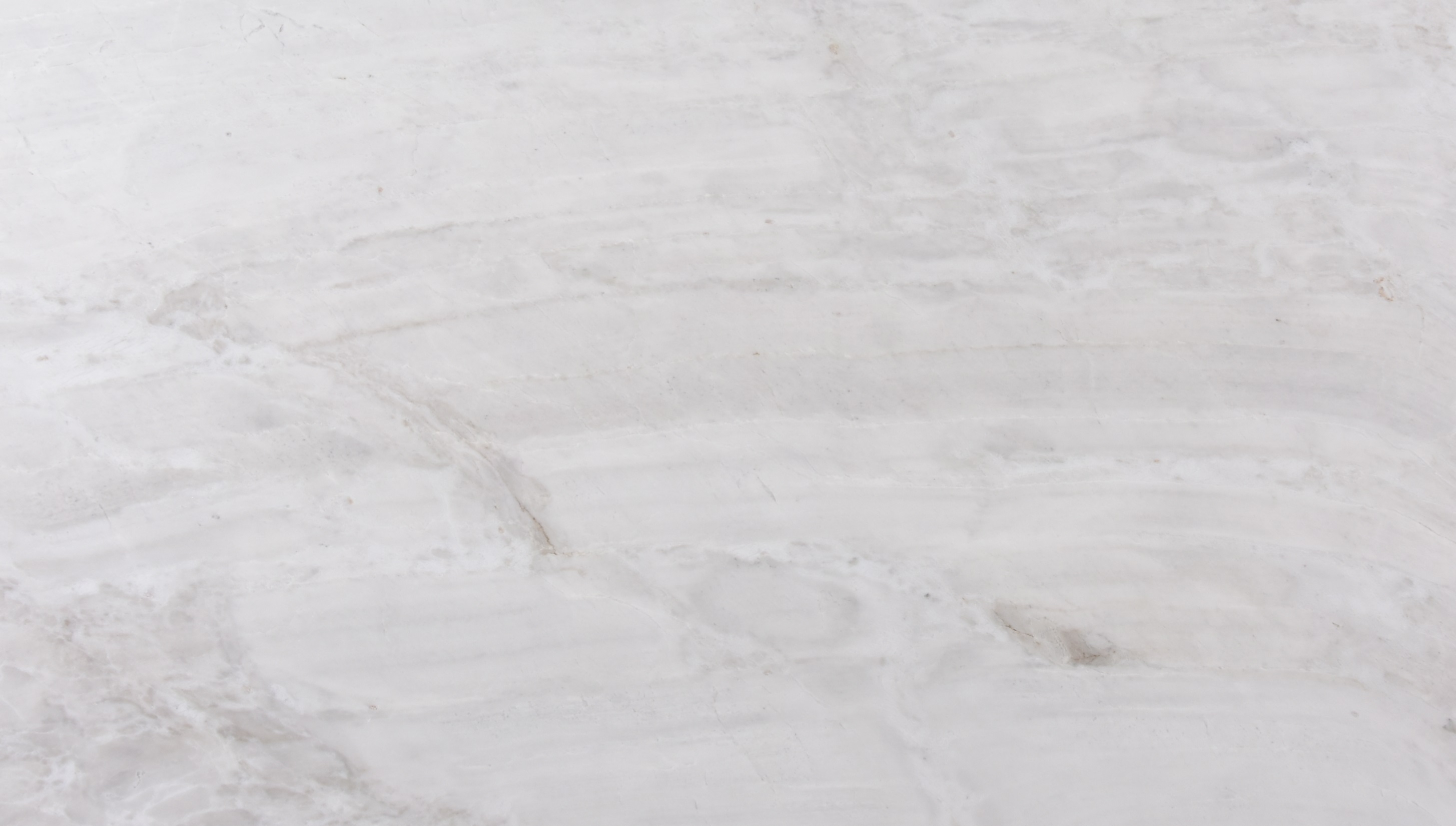
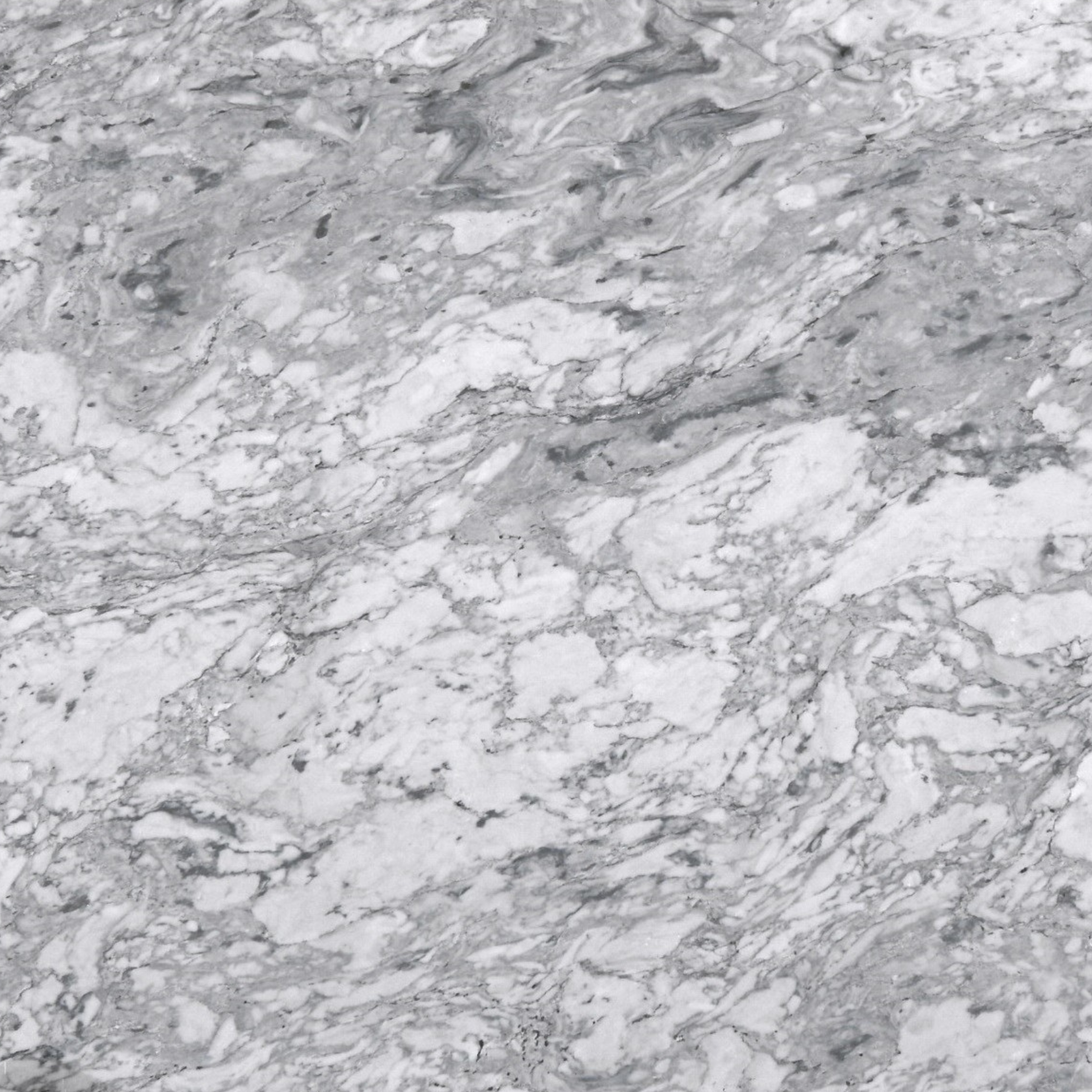
Outra opção é o mármore Statuario, conhecido por seus veios suaves. Ele se harmoniza com paletas neutras, móveis de madeira clara e iluminação indireta, criando um cenário de serenidade.
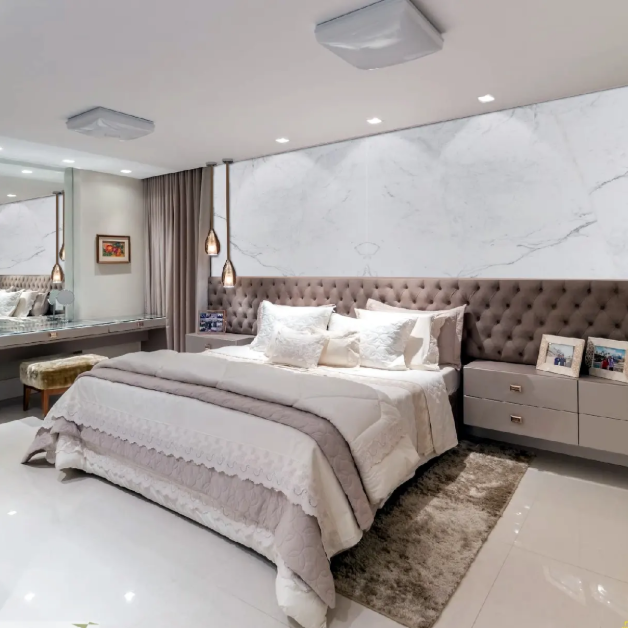
3. Pisos em salas de estar
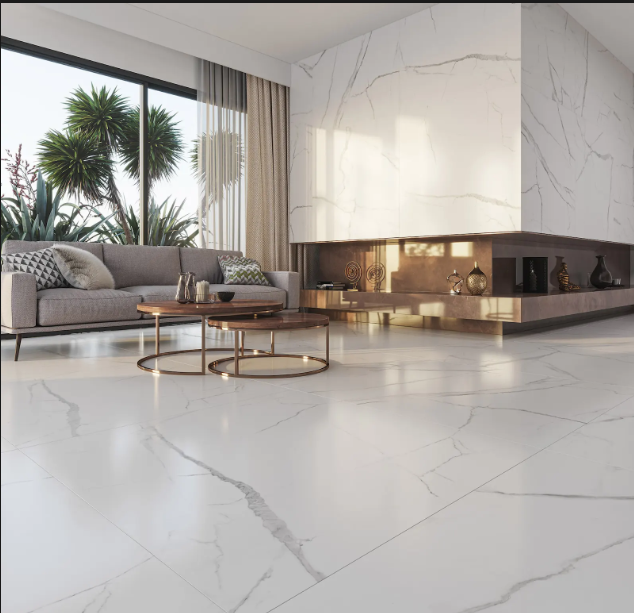
Em salas amplas, o mármore realça o espaço e reflete a luz natural de forma única. O Statuario, como já citado, também pode ser uma ótima escolha para pisos de áreas sociais. Sua aparência limpa reforça a sensação de continuidade, sobretudo quando aplicado em grandes placas.
Combinado a tapetes neutros e mobiliário em tons terrosos, o resultado é um ambiente moderno e elegante na medida certa.
4. Painéis verticais e molduras de porta
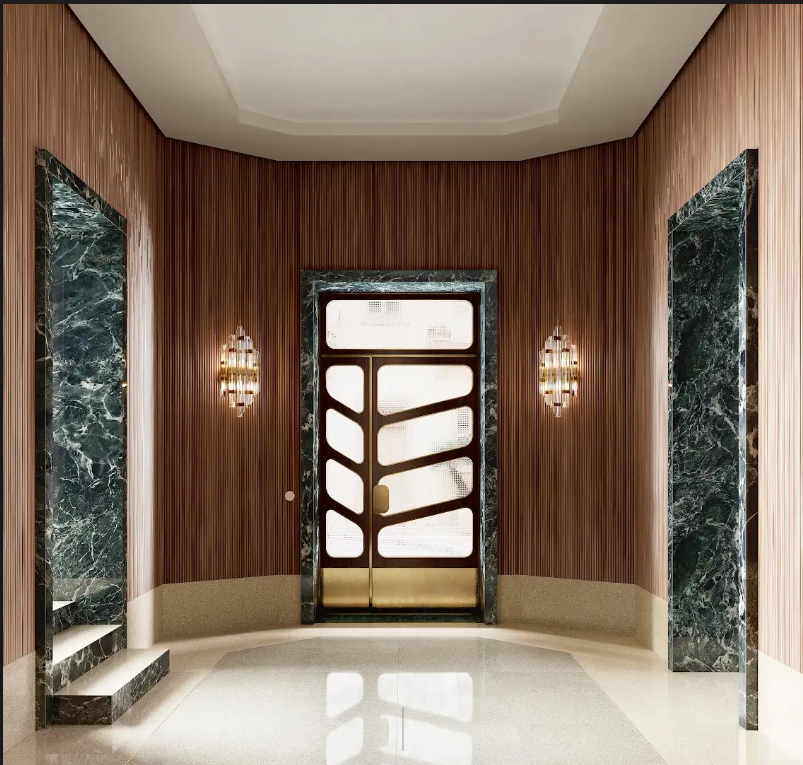
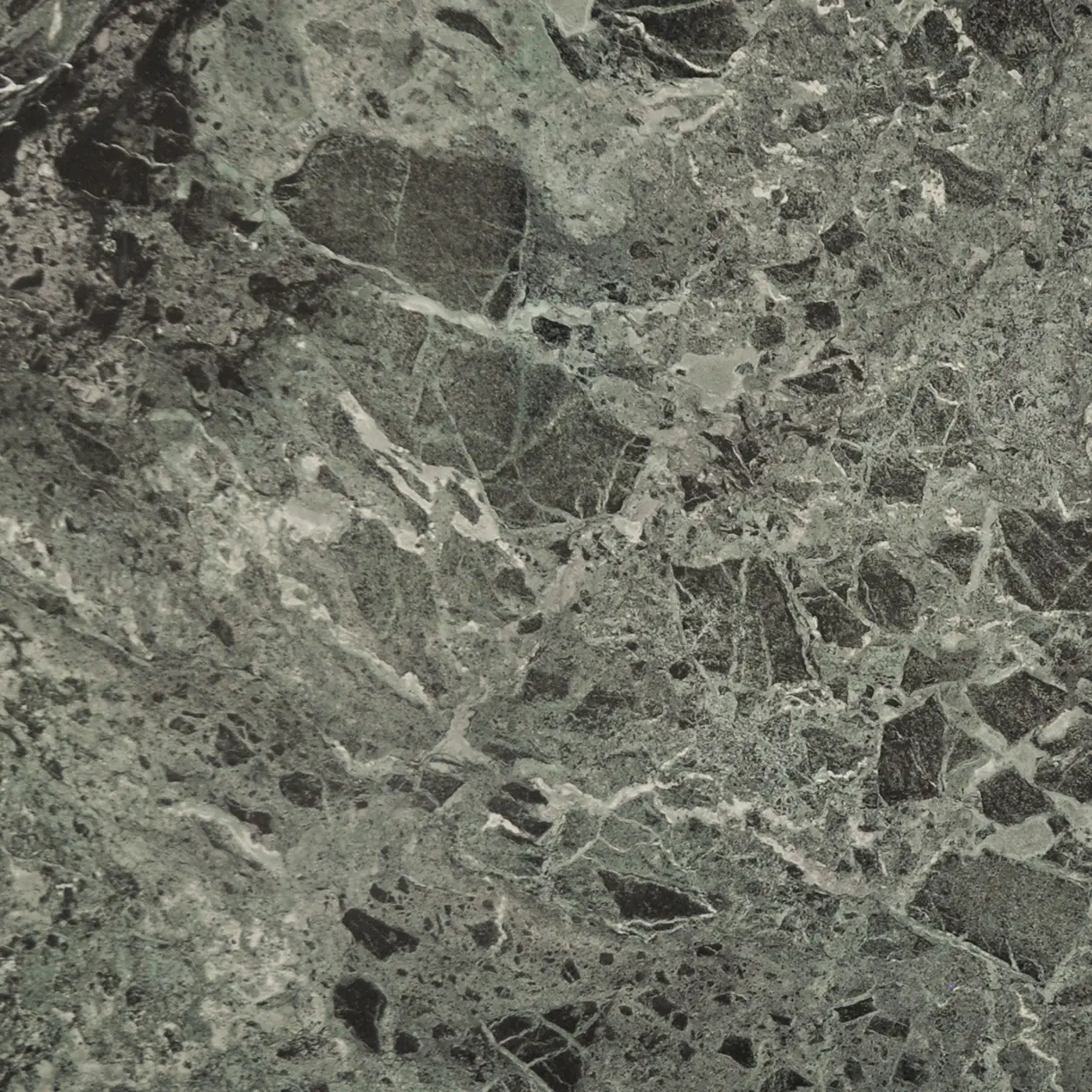
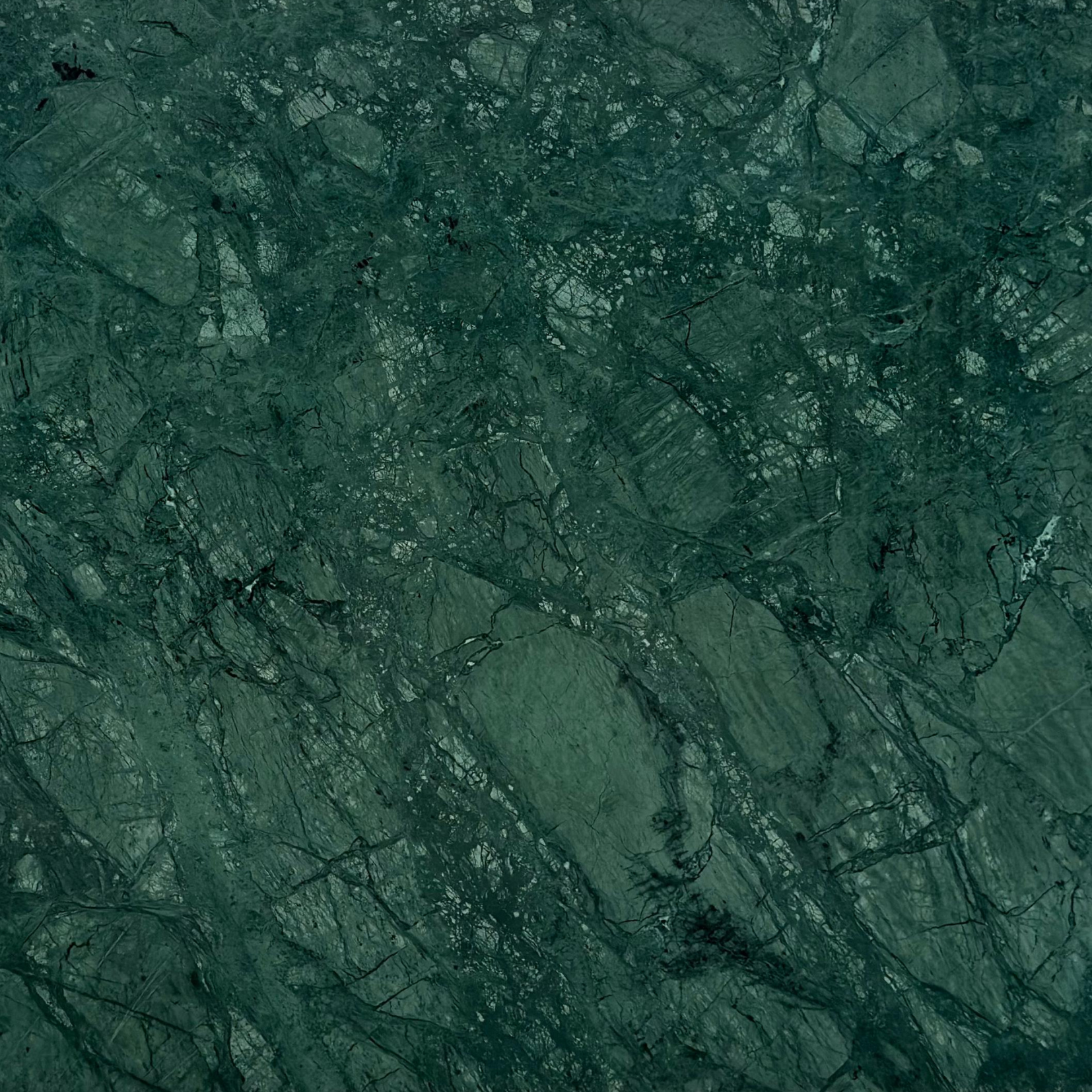
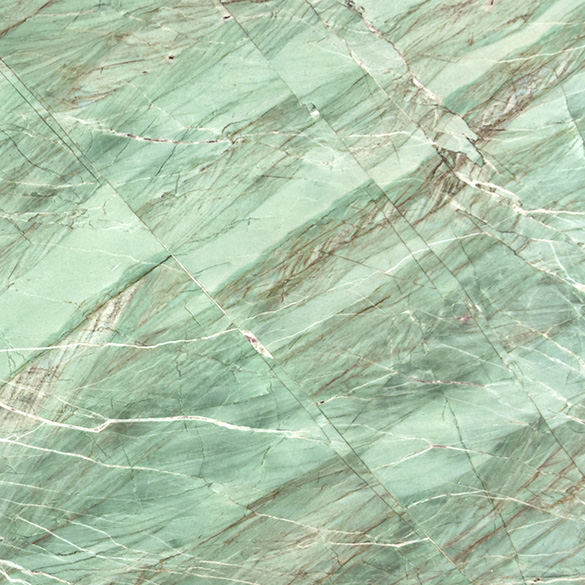
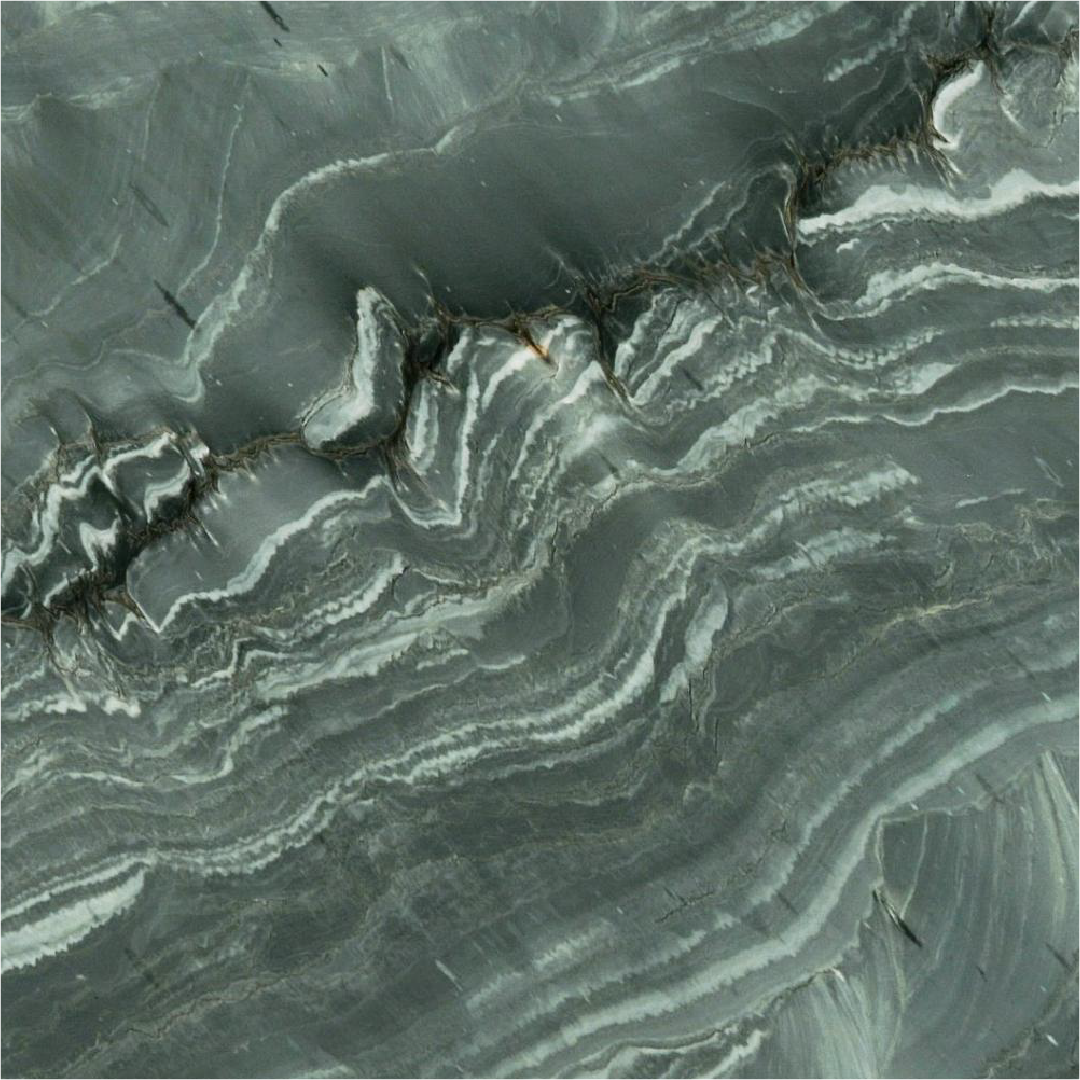
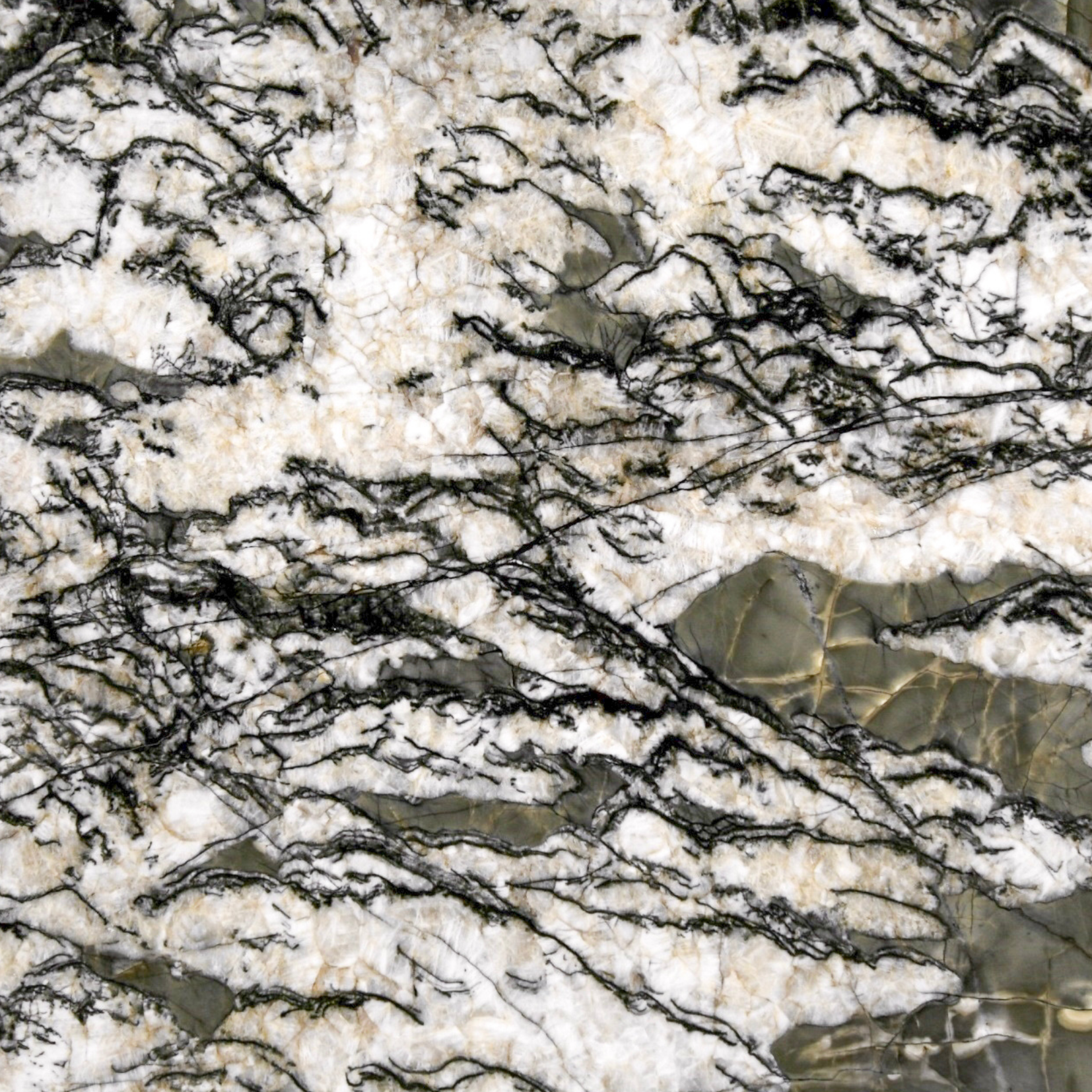
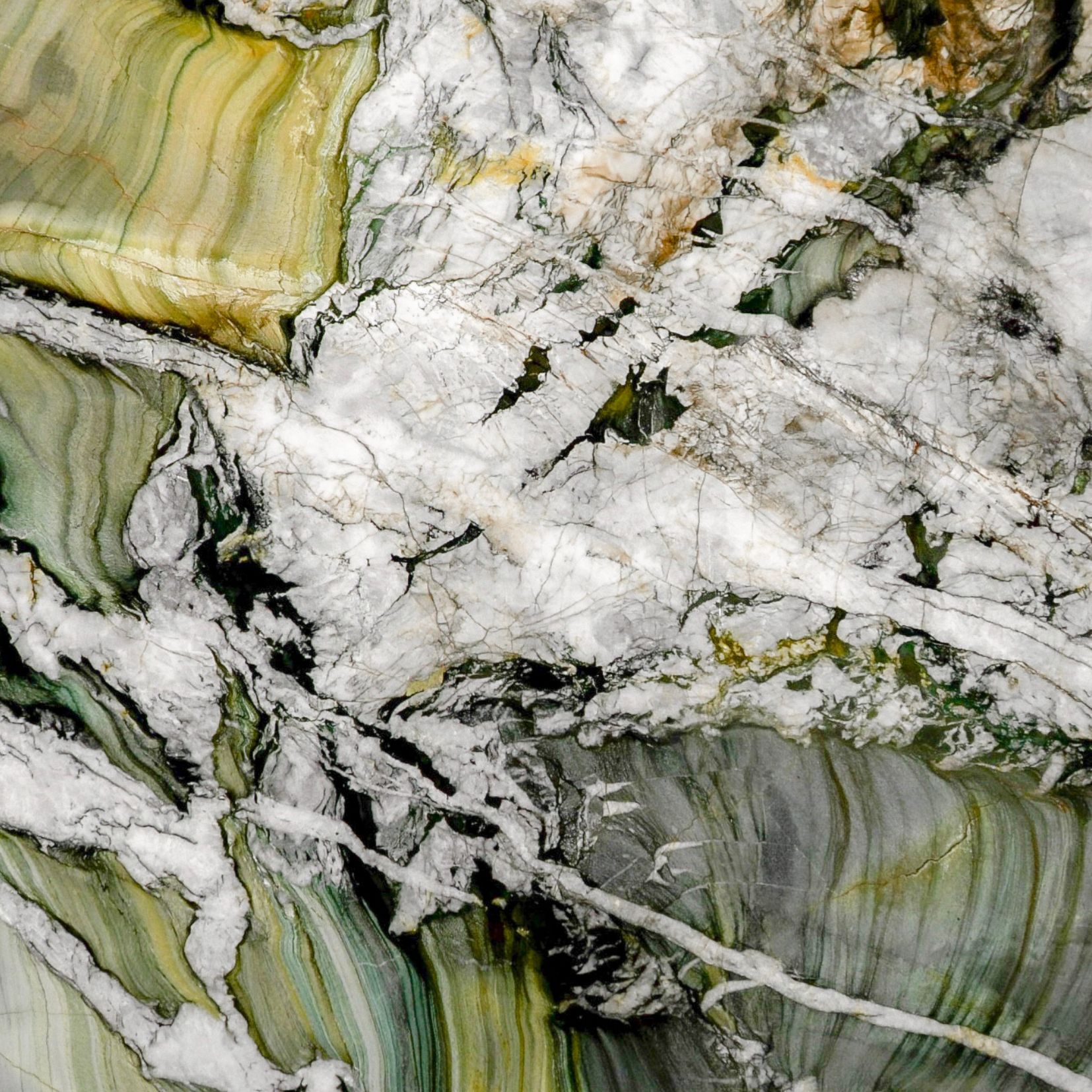
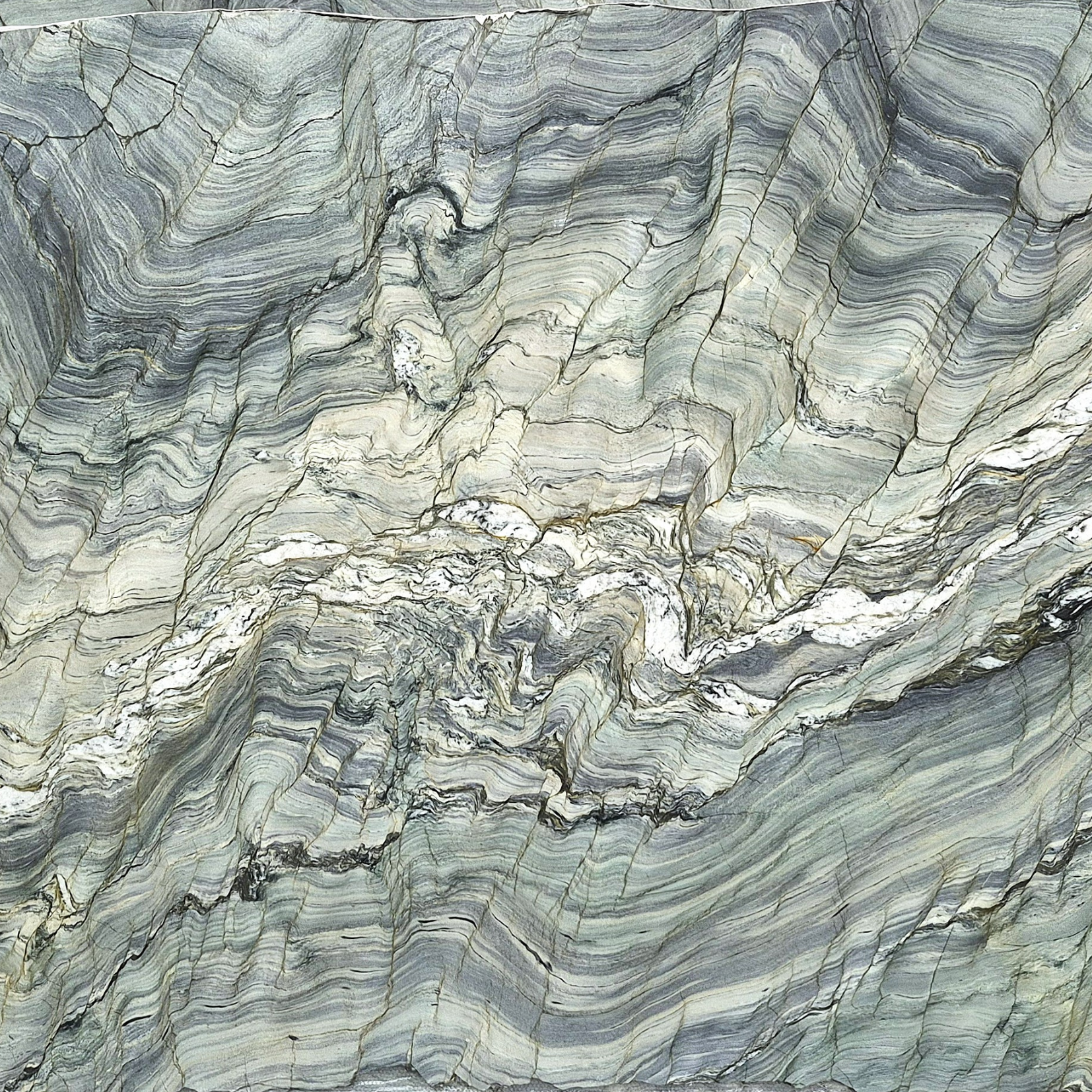
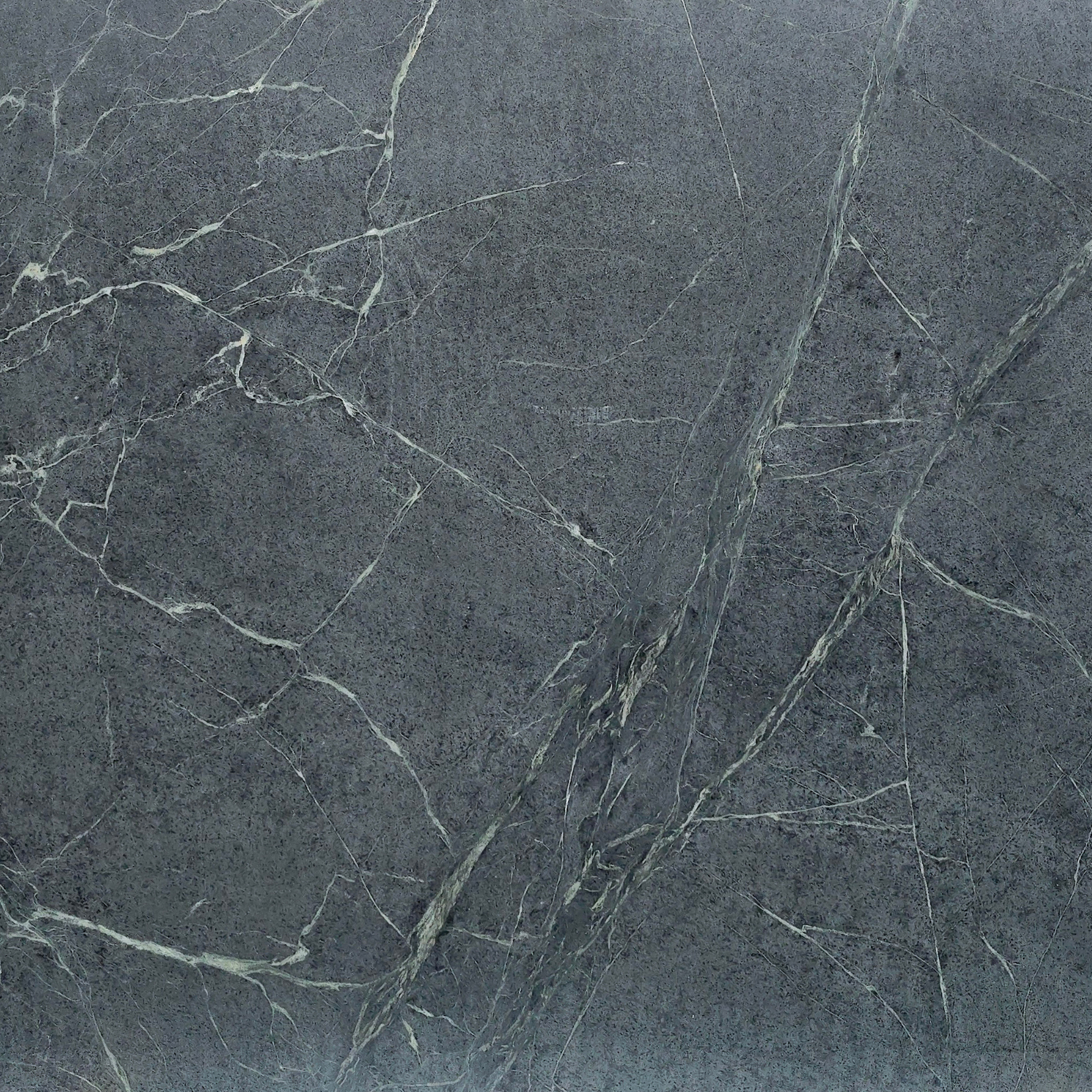
O Verde Alpi é uma peça de destaque para quem deseja ousar. Seu tom profundo de verde, entrelaçado por veios brancos, cria composições dramáticas. Ele pode ser usado como revestimento nas paredes laterais e no contorno da porta central, funcionando como moldura arquitetônica.
Os painéis verticais emolduram o espaço com imponência, podendo fazer contraste com materiais como madeira e metais dourados para reforçar a sensação de nobreza. Essa aplicação do mármore é perfeita para halls de entrada, galerias e corredores.
5. Bancadas e balcões de cozinha
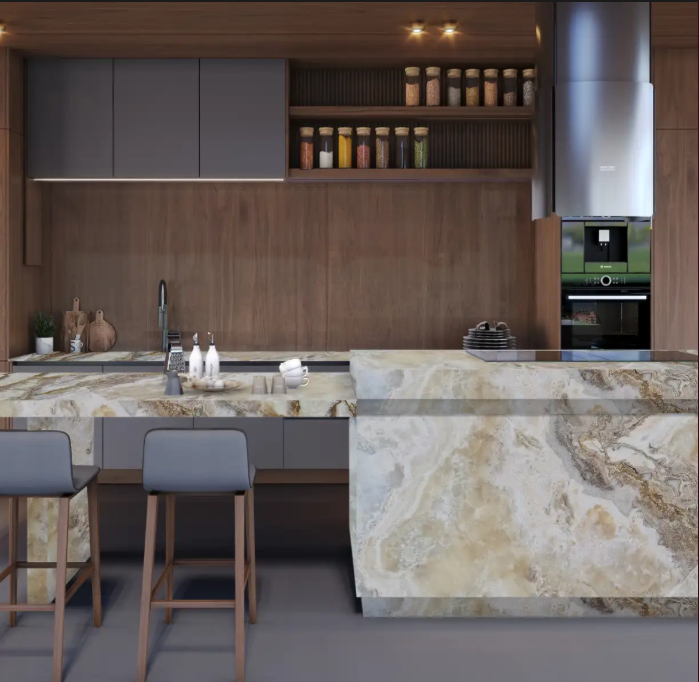
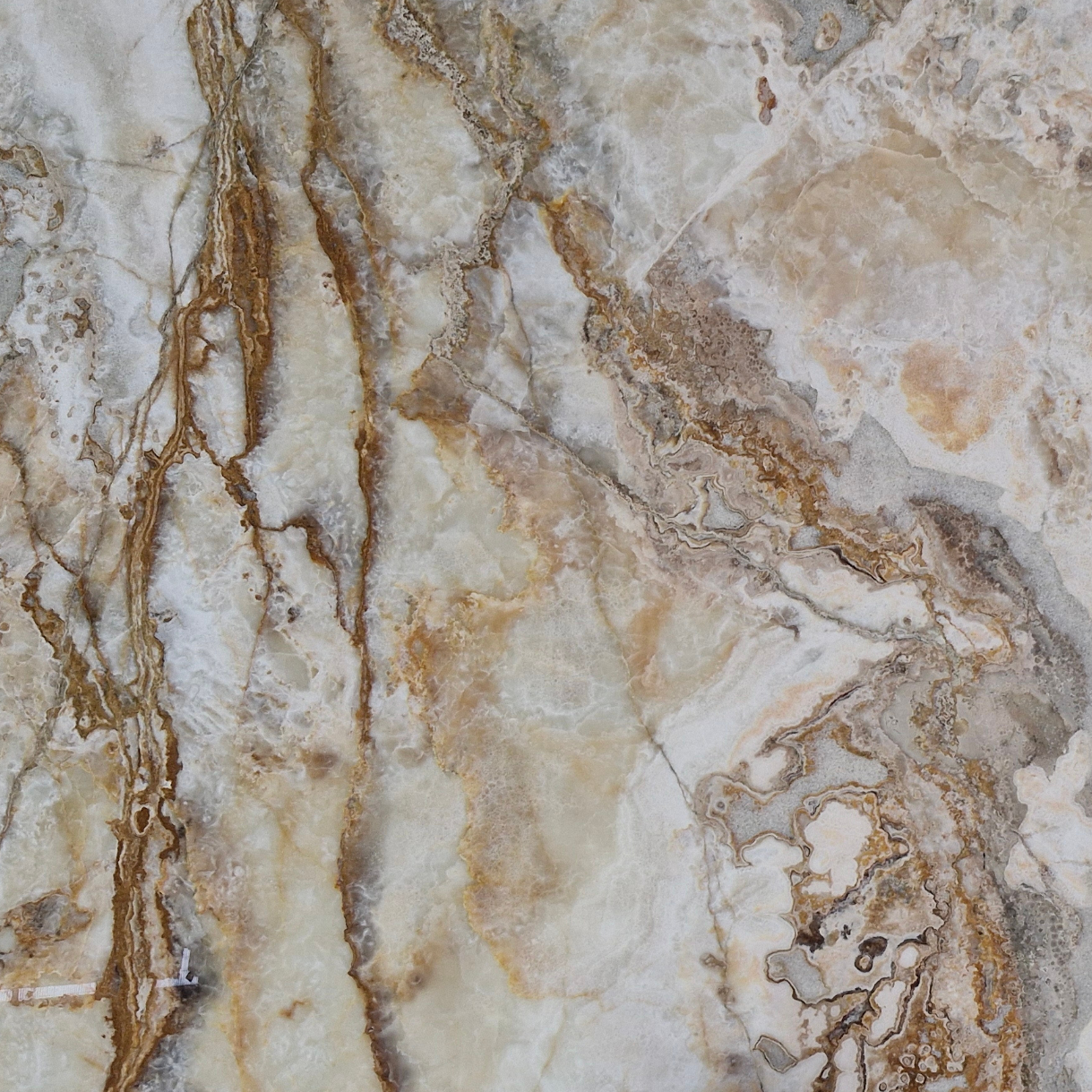
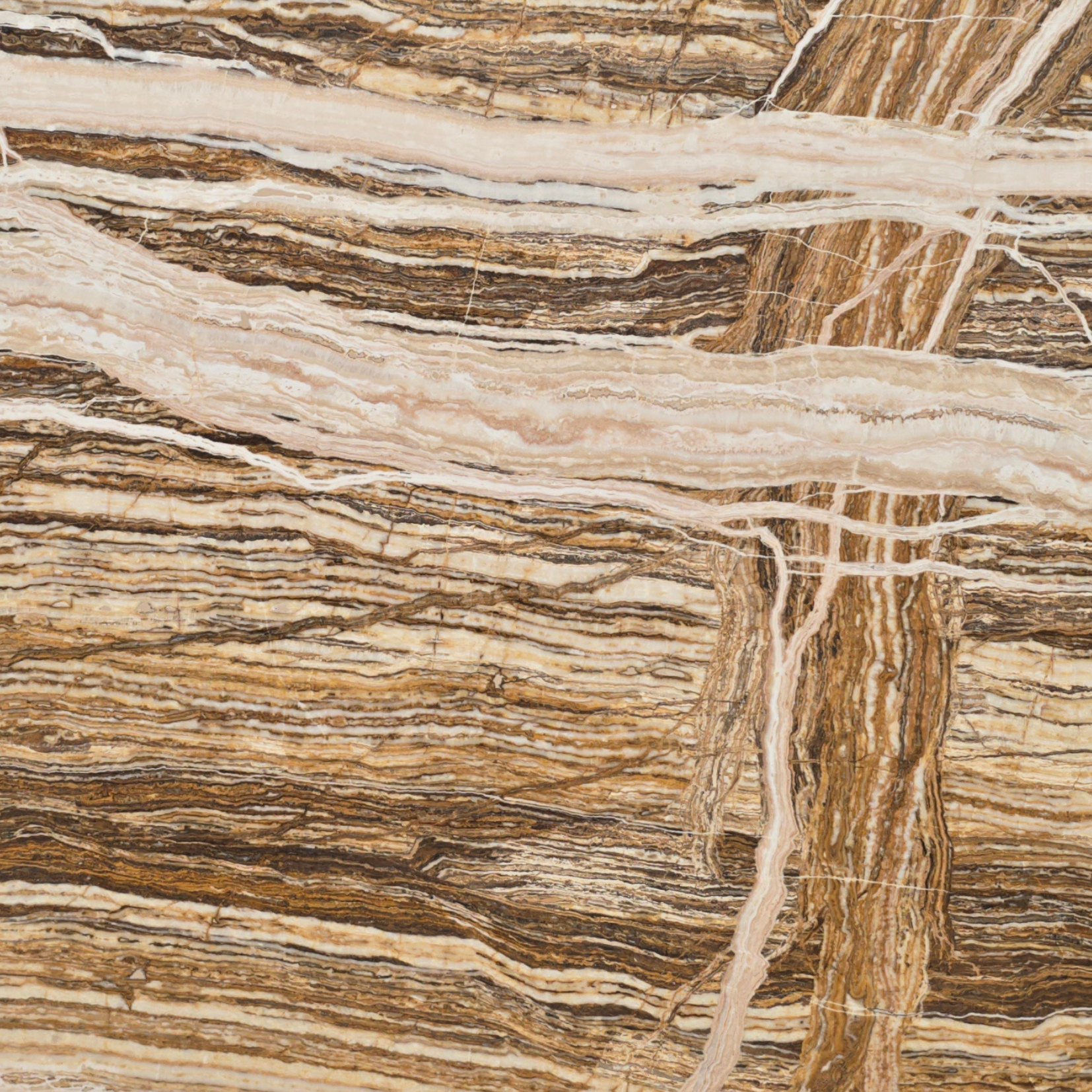
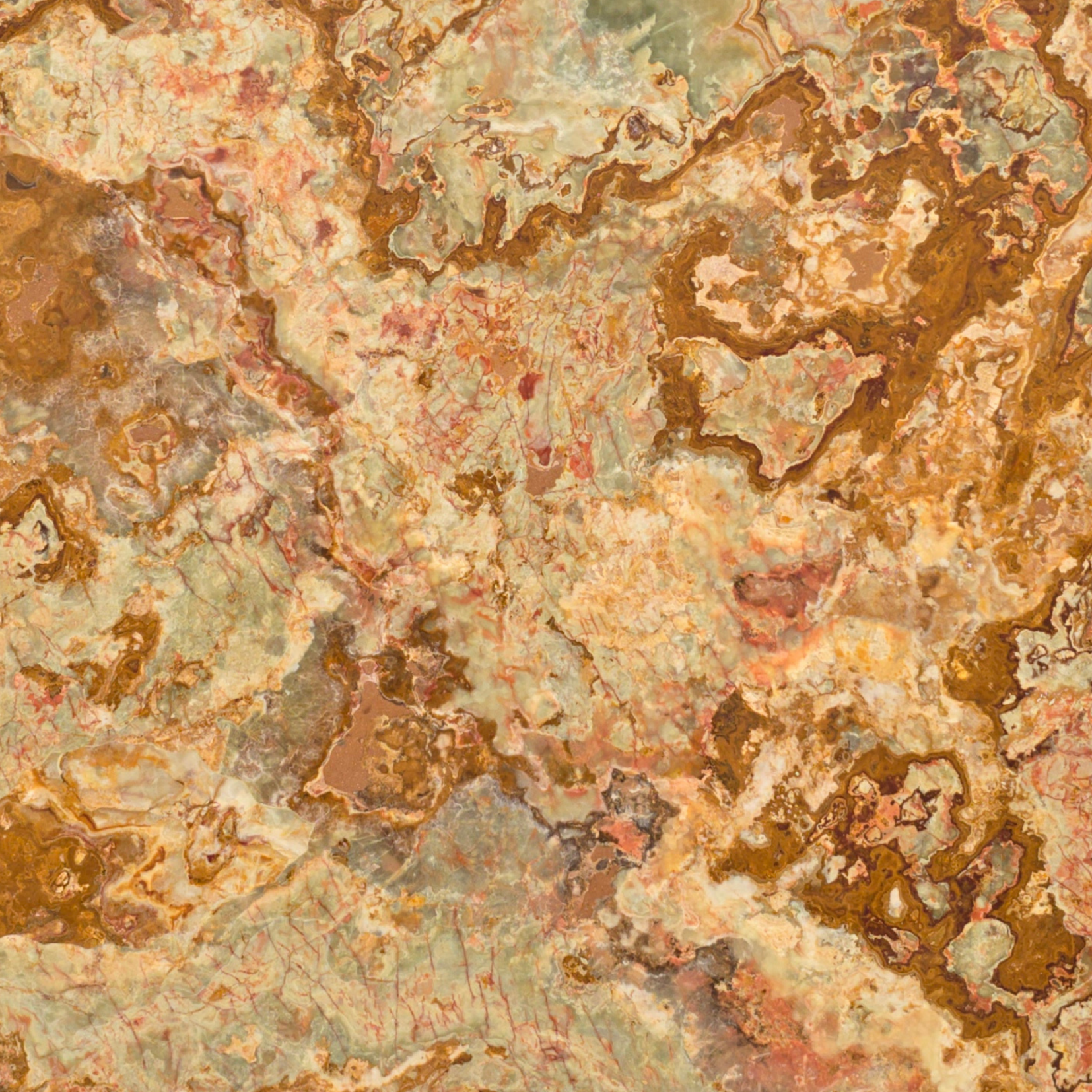
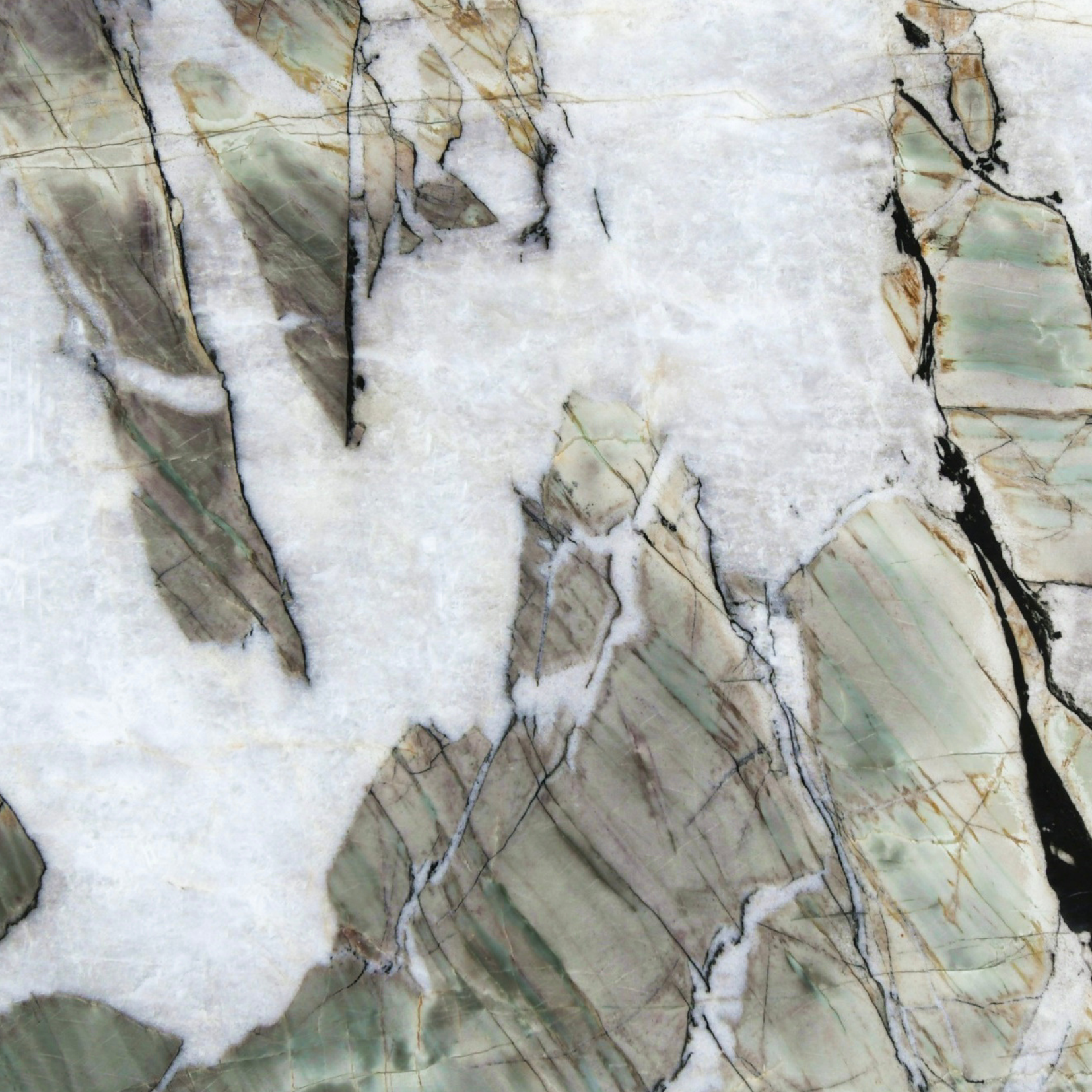
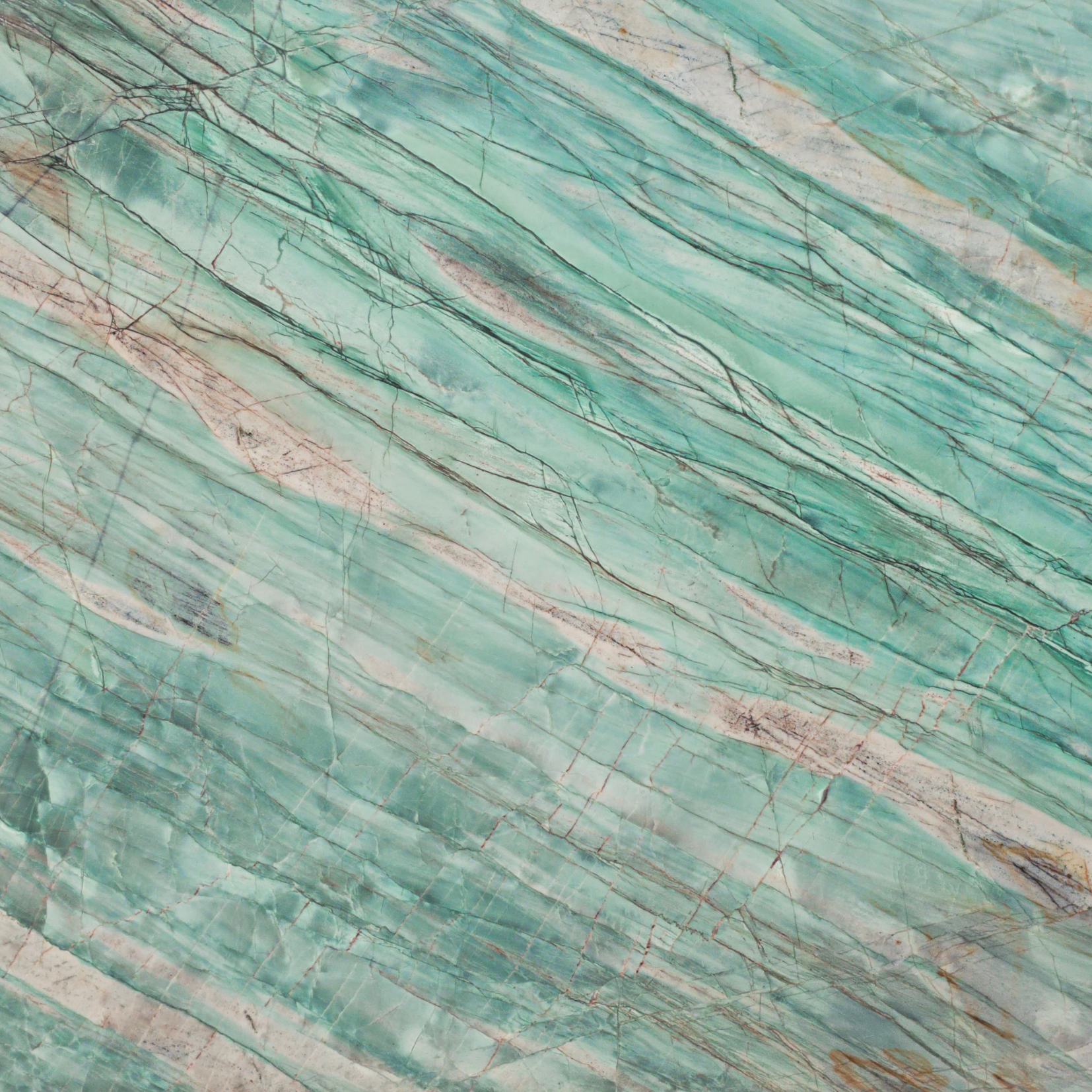
Para cozinhas, o Onix Green traz uma coloração abstrata e translúcida, que adiciona um toque exótico e ao mesmo tempo rústico ao ambiente.
Como um mármore dolomítico, ele apresenta mais resistência e pode ser usado em bancadas e balcões sem perder a durabilidade ao longo do tempo. Quando combinado com armários brancos ou de madeira clara, cria um contraste sofisticado no ambiente.
6. Tampo de mesas
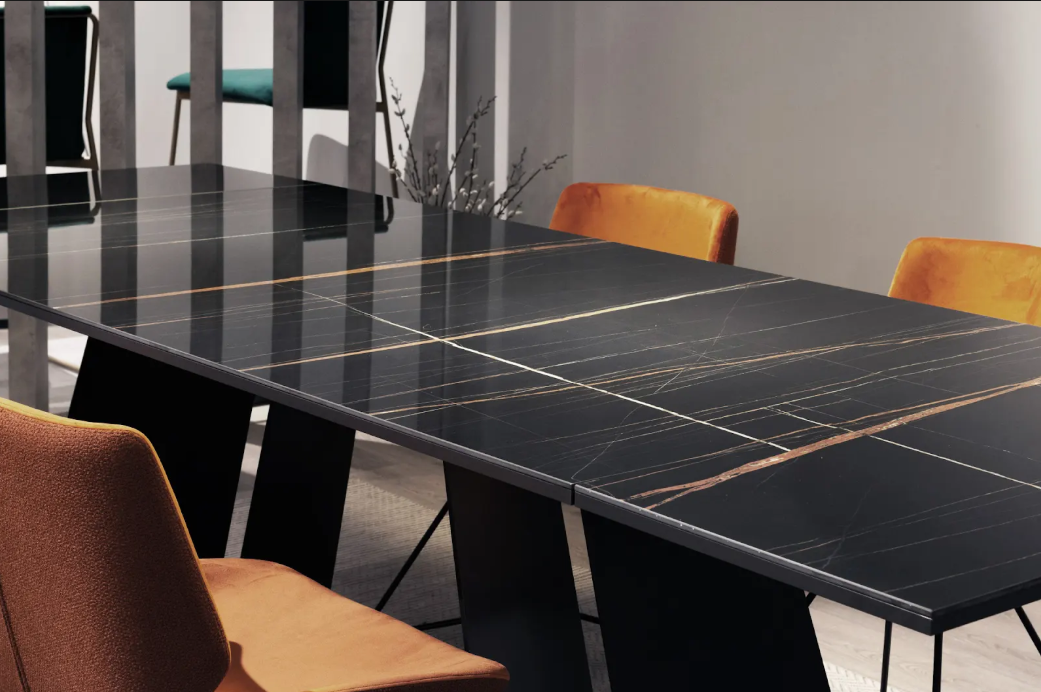
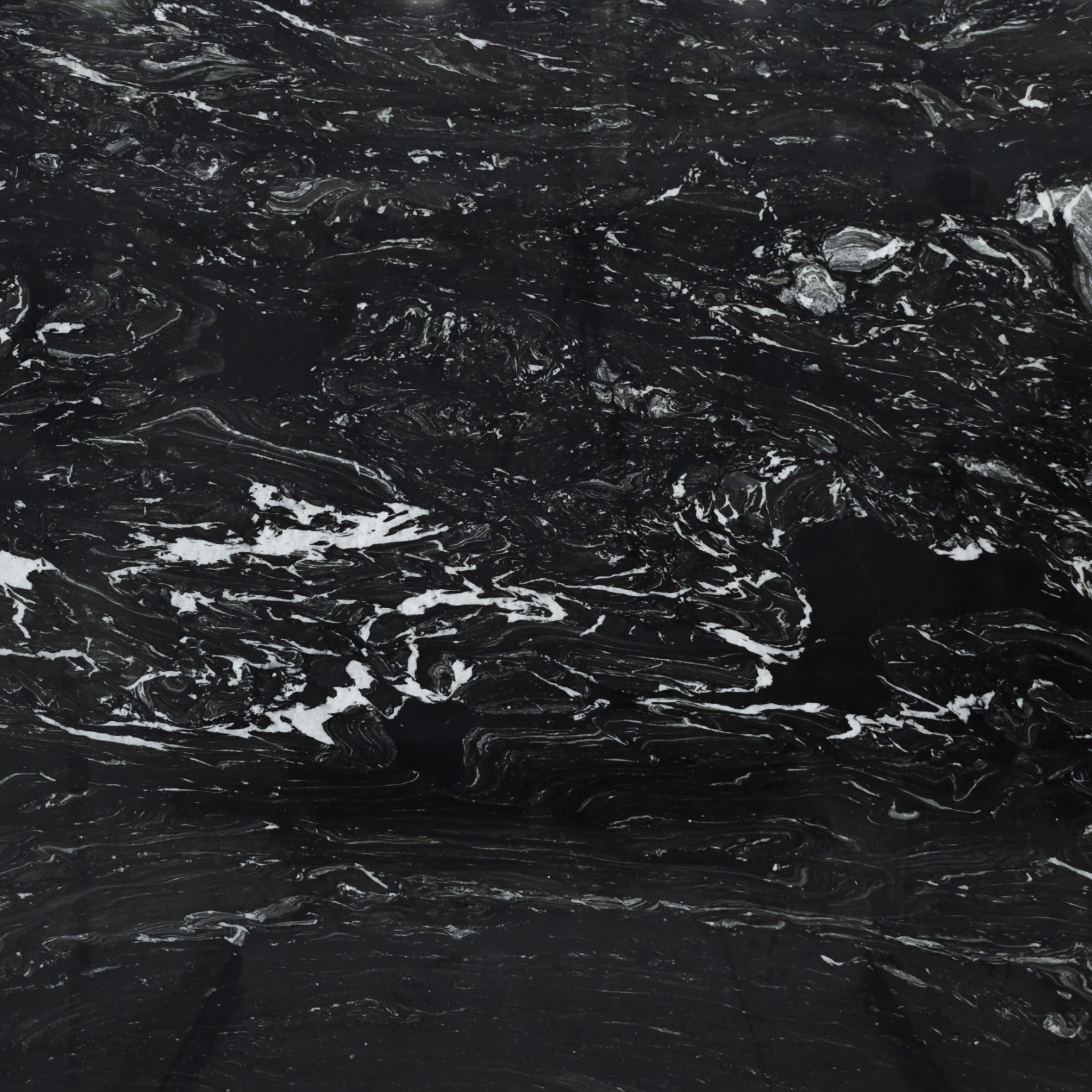
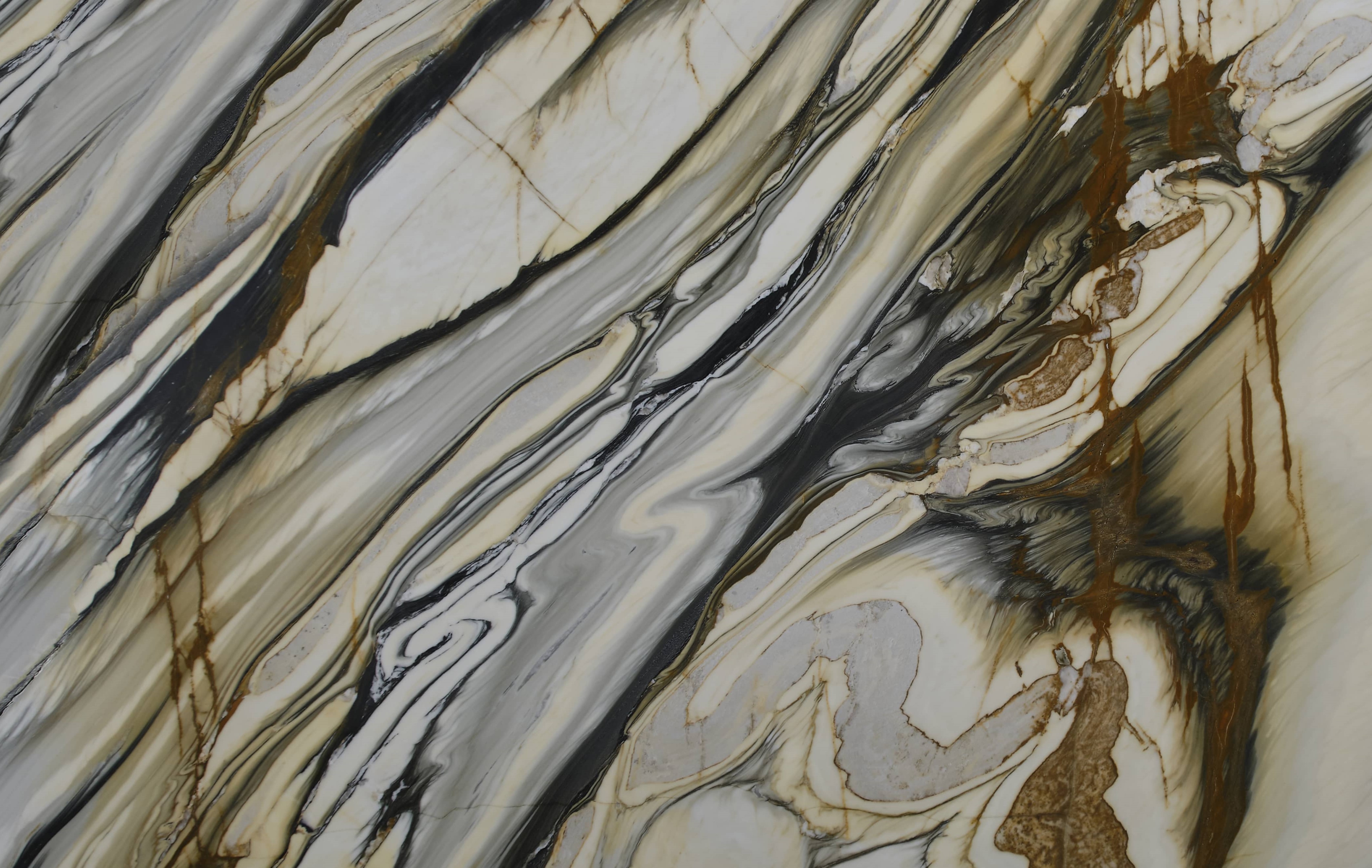
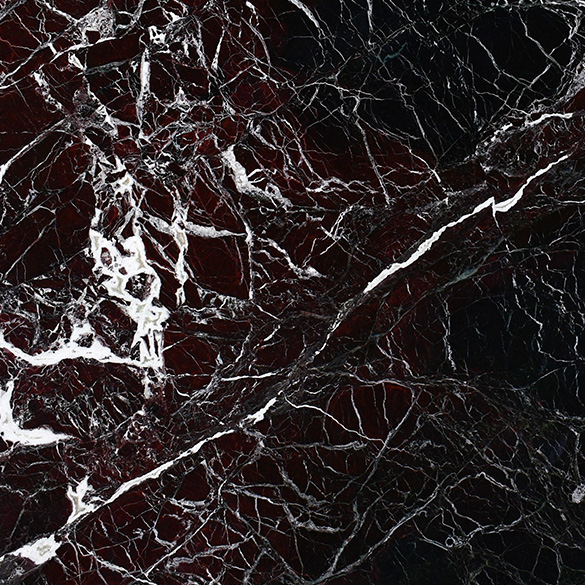
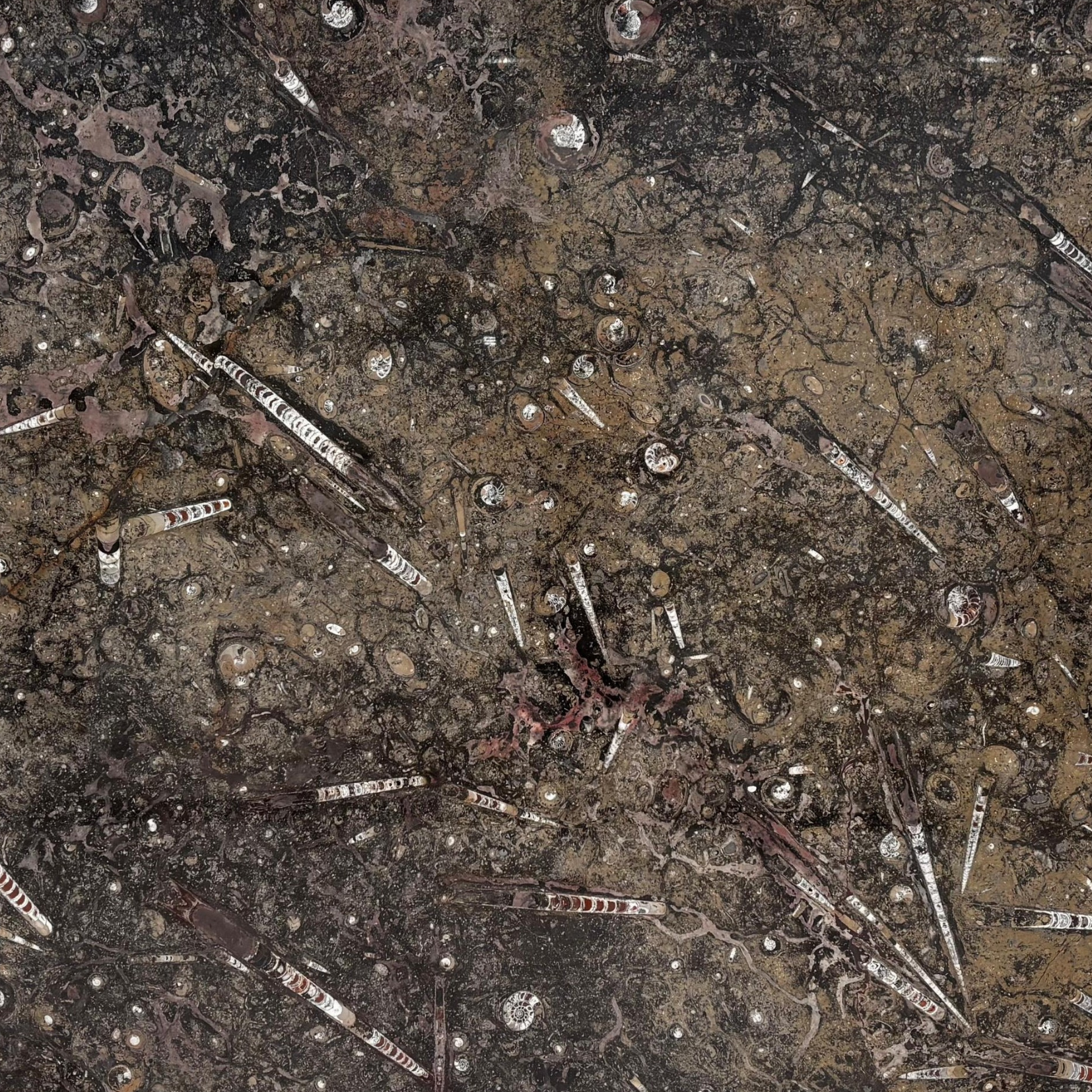
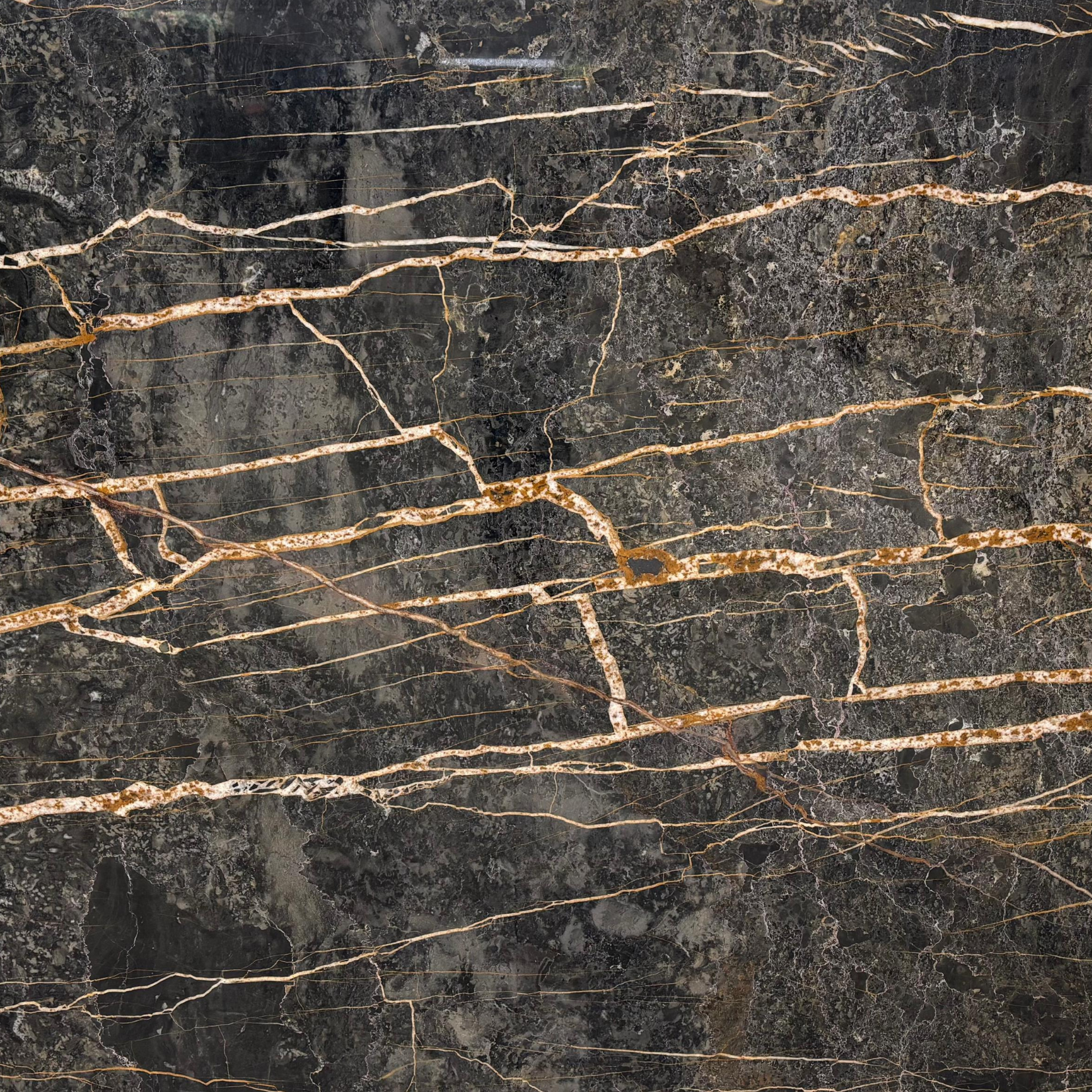
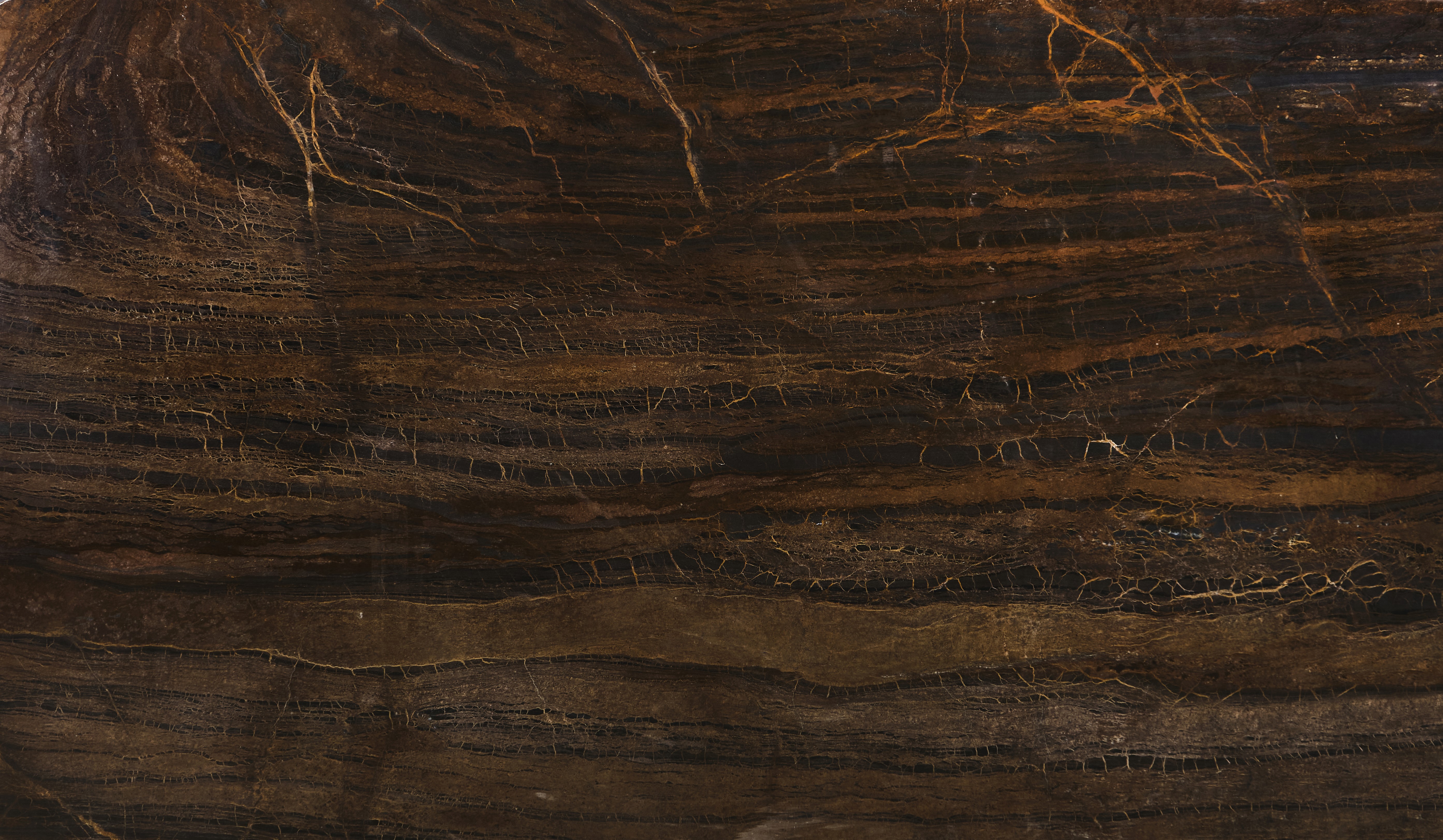
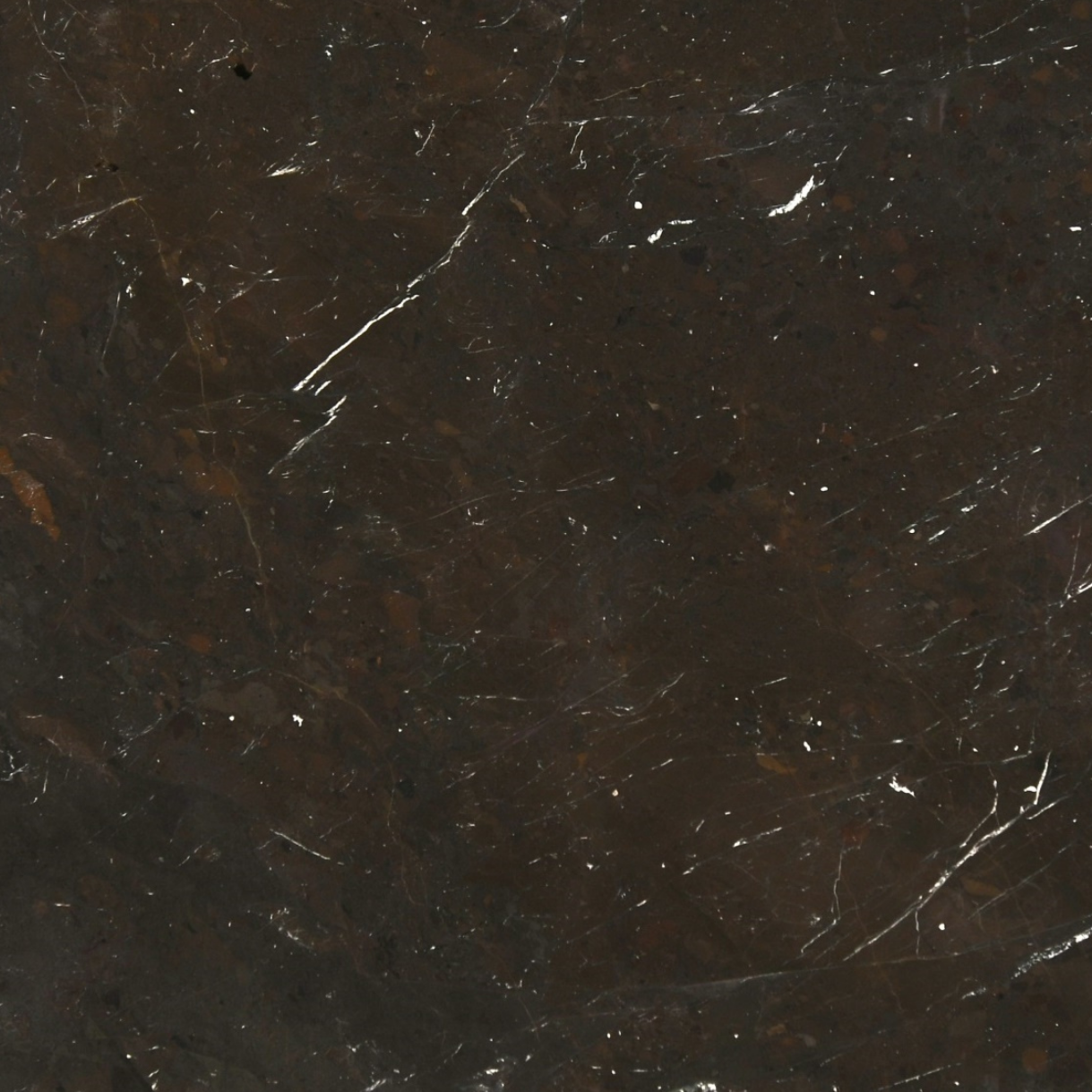
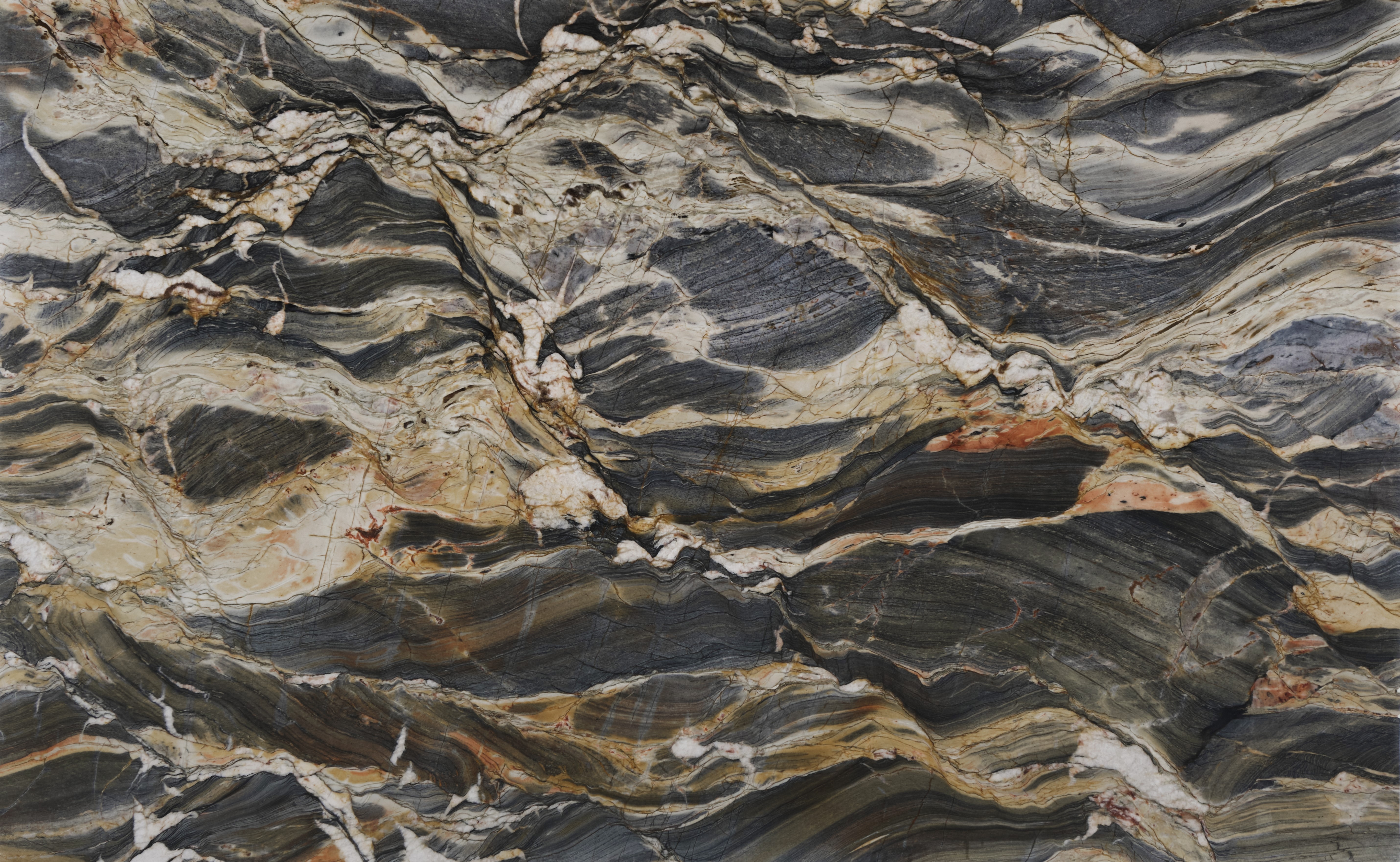
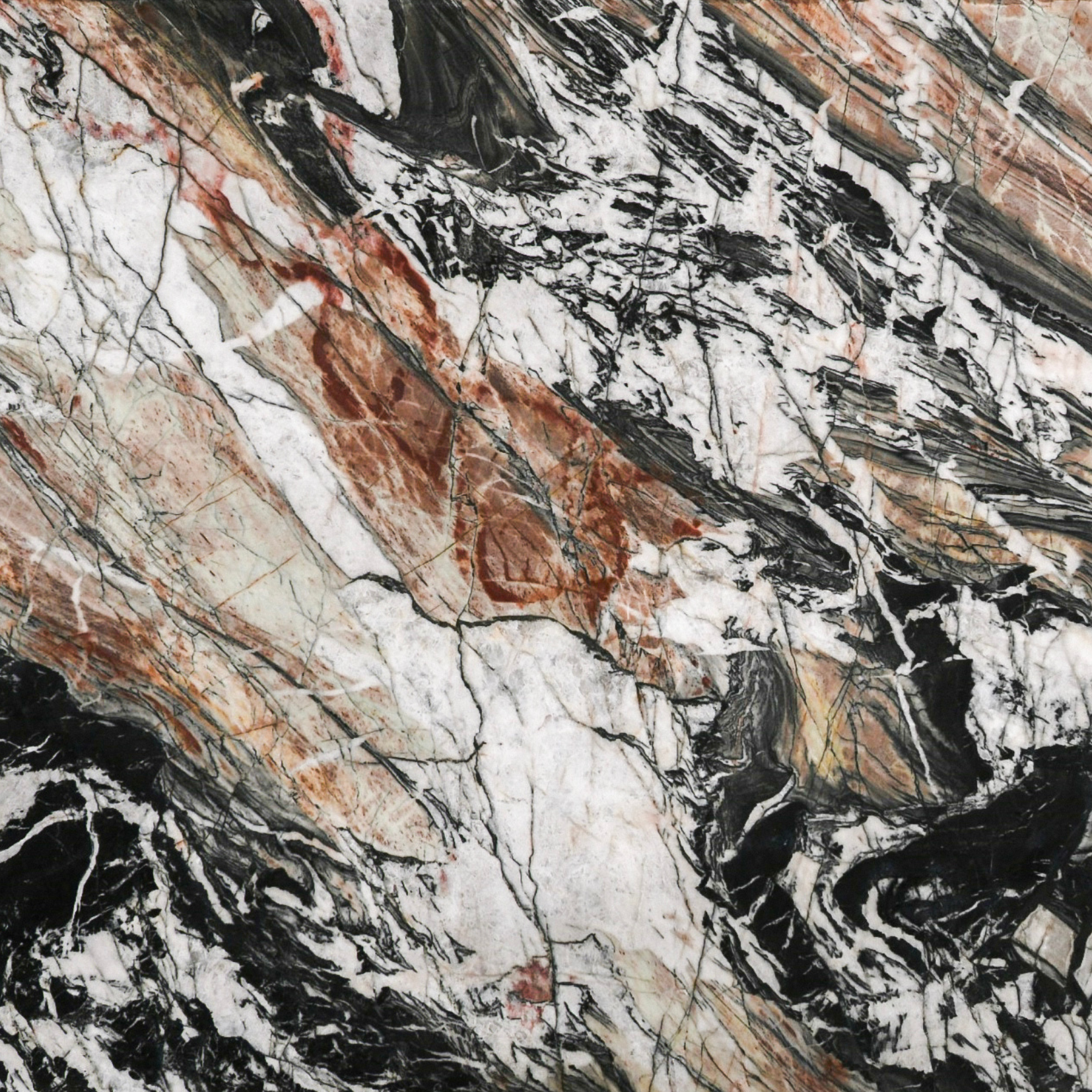
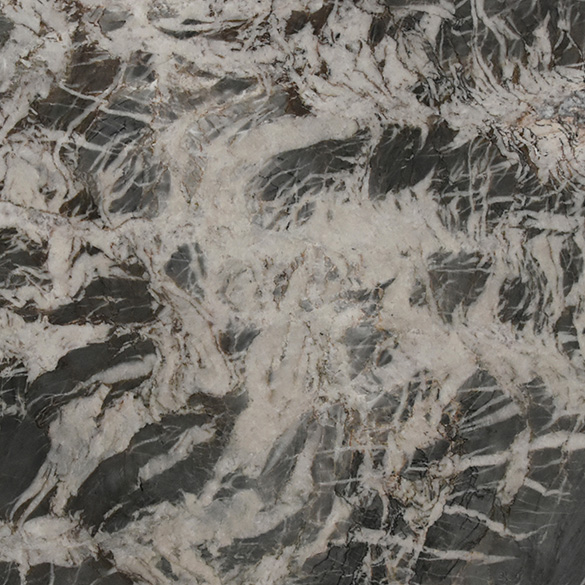
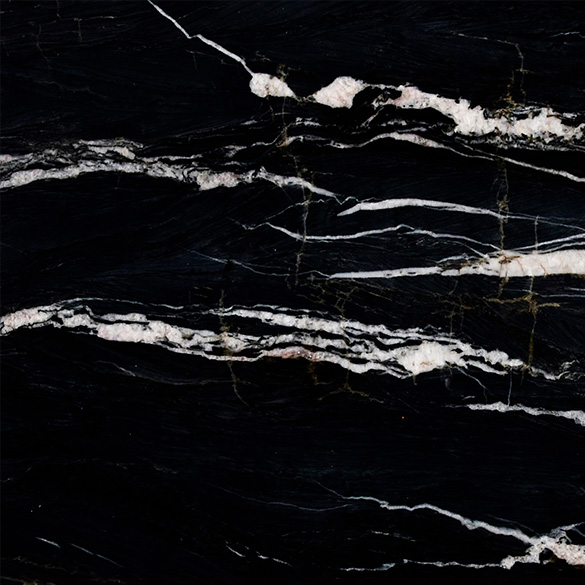
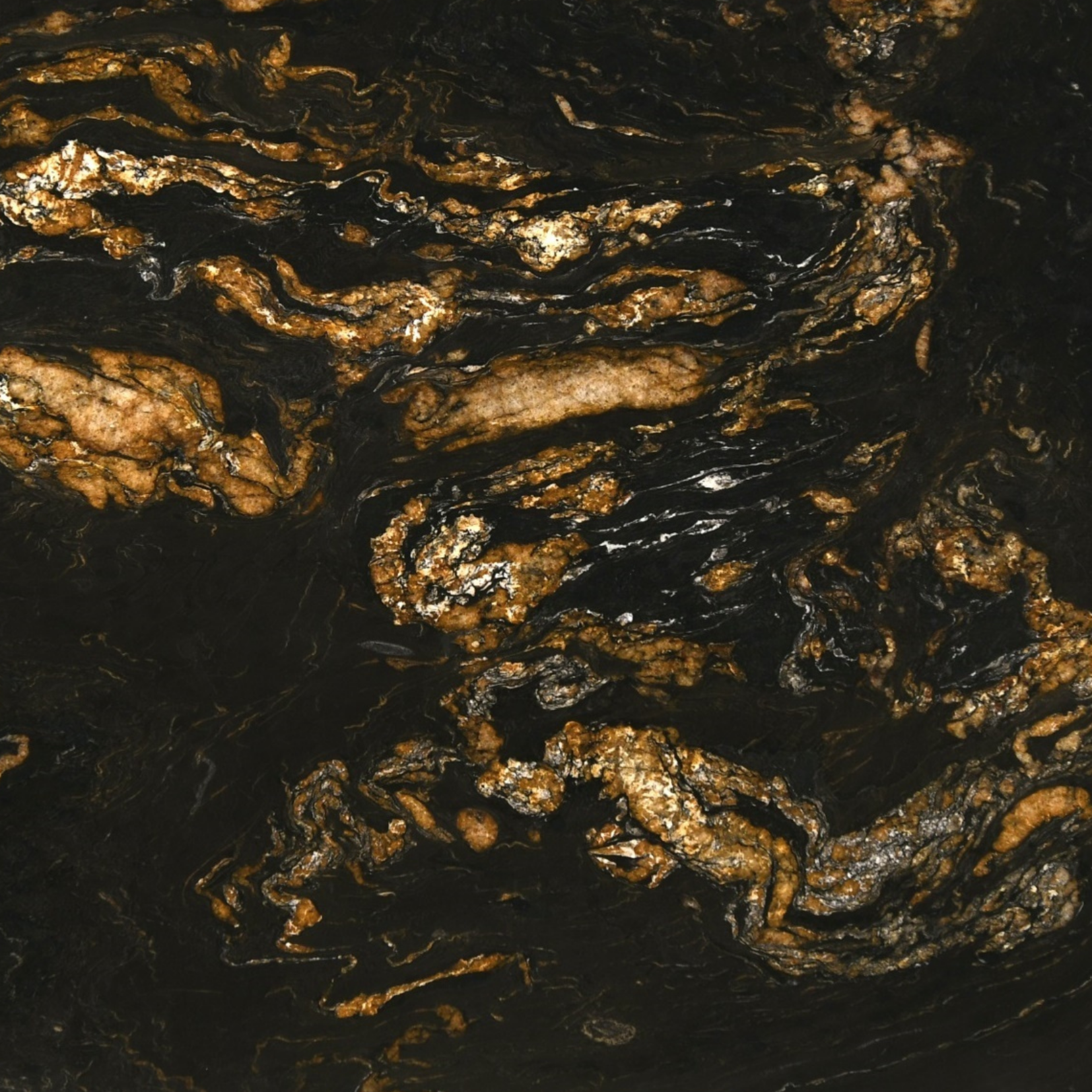
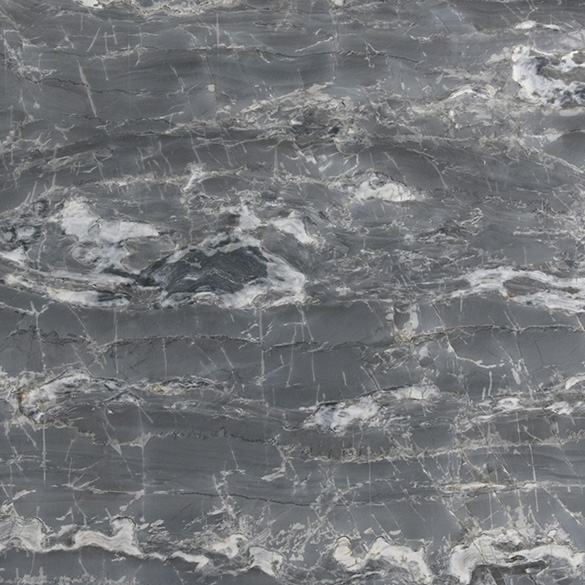
O mármore também pode compor tampos de mesas de jantar, laterais ou de centro, trazendo sofisticação ao mobiliário. O Sahara Black é um exemplo clássico com sua base escura com veios marcantes, imprimindo luxo.
Em salas de estar com decoração minimalista, esse material pode funcionar como peça de destaque, sendo um ponto focal. Combiná-lo a cadeiras de estrutura metálica ou de madeira natural resulta em composições modernas.
Independente do ambiente, a aplicação do mármore é um investimento que traz durabilidade e expressão artística. Essa rocha natural ultrapassa modismos e se mantém como sinônimo de sofisticação, sendo um material capaz de transformar projetos arquitetônicos em grandes experiências visuais.
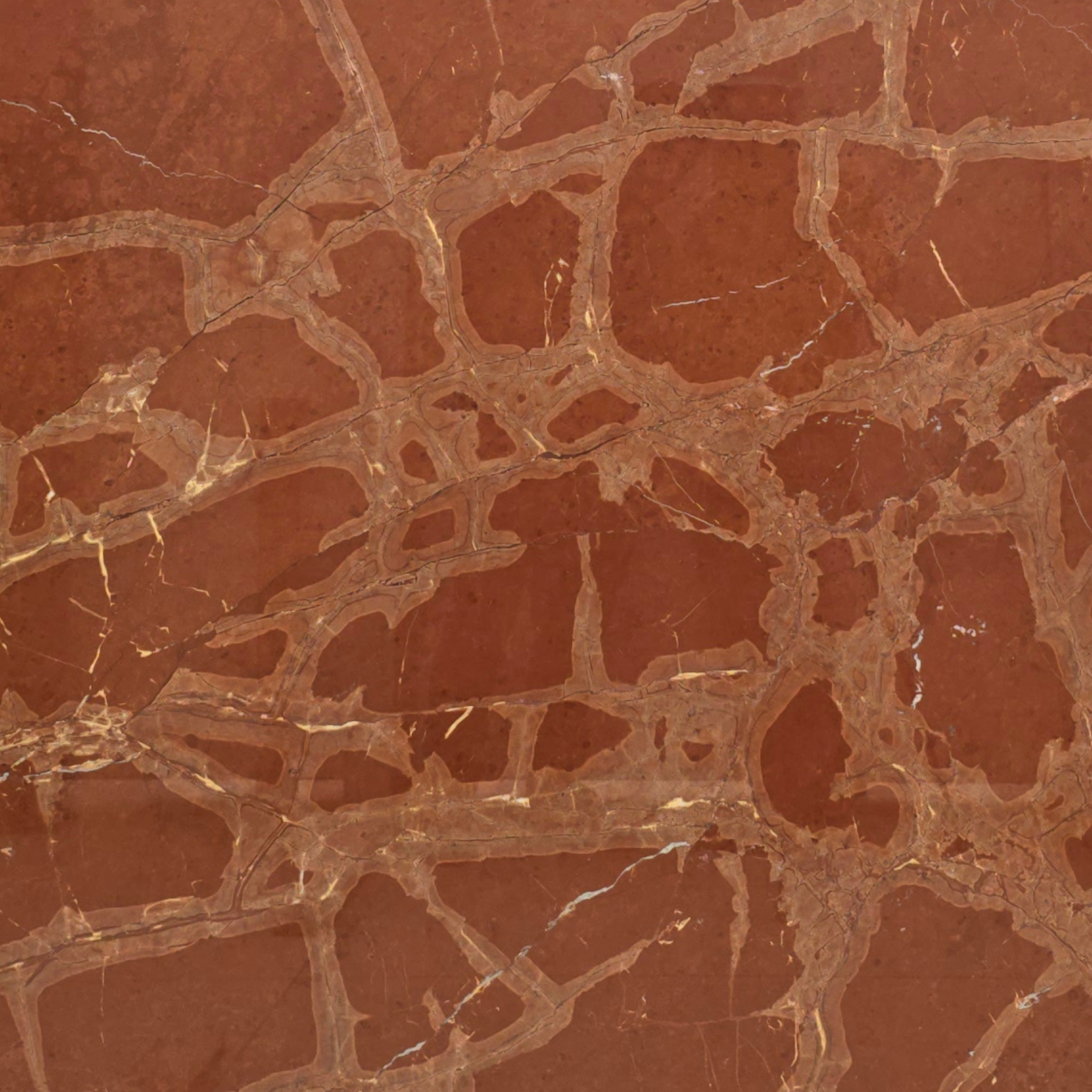
Na Decolores, a excelência no beneficiamento e fornecimento de mármores é resultado de mais de 25 anos de expertise e tecnologia de ponta. O nosso portfólio reúne desde mármores brasileiros, valorizados pela riqueza cromática, até mármores italianos, reconhecidos mundialmente por sua tradição.
Cada chapa é selecionada e lapidada com rigor técnico, garantindo materiais de alto padrão para projetos que exigem desempenho.
Se você busca mais beleza natural ao seu projeto, confira o nosso catálogo completo de mármores Decolores. Fale com nossa equipe e faça um orçamento.
Related contents
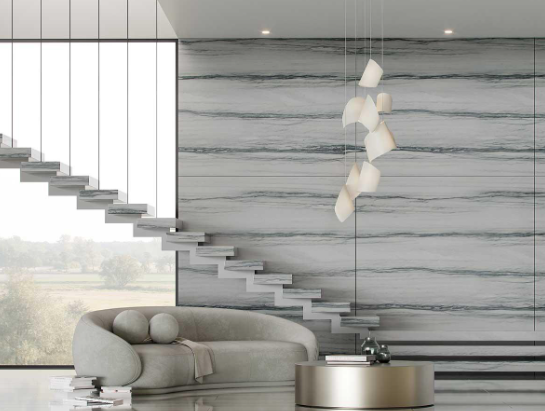
Quartzite: why choose this type of stone?
Having fluid and organic shapes, as well as a myriad of color options and resistance, this stone has become a favorite among interior designers. This living room has received an elegant and cozy essence with the use of Decolores Perla Grey quartzite. For this reason, interior design has increasingly focused on biophilia as a key point for trends germinating for the future of interior design. Thus, natural materials are essential to the idea that human beings in all their plurality have the innate propensity to seek connections with nature. On the other hand, when it is time to build or renovate, issues such as functionality, comfort, cost-effectiveness and the such make a huge difference in the final decision of any design. That’s why natural stone has become a favorite in the segment, as they are highly resistant and versatile, as is the case of quartzite. Having an organic lightness that overflows from their shapes, this kind of stone is considered a gem that has been polished over thousands of years, most of them by the rich geography of Bahia. However, it ends up been mistaken with other species, especially marble, despite having distinct and unique characteristics that tell them apart. Aesthetically, marble is what comes closer to quartzite mainly because both have surfaces marked by veins. However, quartzite presents a milkier appearance (not sure if this is the best term) and more delicate veins, as well as more resistance and durability. Decolores, a company that in little over 20 years has stood out in the stone trade sector for being a benchmark for quartzite processing, presents bellow the main advantages that make the stone the best choice for your design. Check it out! RESISTANCE AND DURABILITY According to studies, quartzite is the most resistant and durable natural stone used for cladding. It loses only to stones such as topaz, ruby, sapphire and diamonds; it is a seven in the Mohs scale of hardness. For this reason, it adapts so well to high temperatures being very recommended for sink countertops and even to clad the outside of barbecue grills. COLOR PALETTE Having an exuberant beauty and a diverse and vibrant color palette, quartzite is suitable for different interior design proposals. CLEANING One of the most frequently asked questions is how to clean natural stones, generally used in kitchen countertops or tables. Quartzite also stands out in this aspect, as it does not absorb liquids and only needs soap and water to be cleaned, making the task easier. WATERPROOF As it receives a water-repellent treatment during processing, quartzite is basically waterproof, thus making it much more resistant to stains and the like. This makes it the perfect material for spaces such as bathrooms, laundries and other wet areas. ABOUT DECOLORES In a little over 20 years Decolores grew as a business that carries innovation, technology, care and contemporaneity in its DNA, being responsible for bringing a more poetic and plural look to the power of natural stones in architecture and interior design. The company, among other things, became known in the business for being a reference point in quartzite processing, a more resistant stone which ended up bringing innovation to the sector thanks to its large diversity of colors and patterns. Due to its modern and cutting edge processing the company is considered a pioneer in quartzite processing both in Brazil and in the world. Its industrial park is located in a 74 thousand sqm area in the city of Cachoeiro de Itapemirim, in Espírito Santo and has a branch in the municipality of Serra in the same state. The company is considered one of the largest natural stone processing zones in the country. Decolores www.decolores.com.br @decoloresoficial PRESS CONTACT Denise Delalamo Comunicação Customer Service: Ana Sant’Anna Contact: (11) 98536-7627 E-mail: [email protected] Customer Service: Gabriela Bardusco E-mail: [email protected]
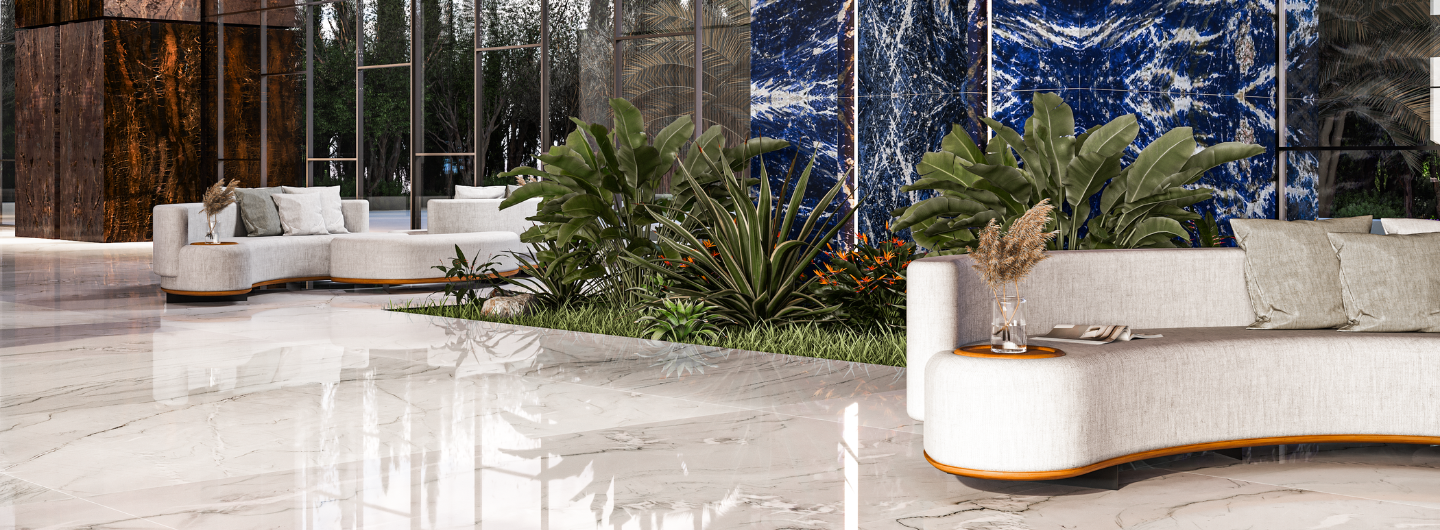
Colors of Brazil: Check out Decolores' releases and interior design news
Learn more about our latest initiatives, get to know the brand, and see the trends for the segment. Here at Decolores, 2024 is already full of great news and plenty of inspiration in interior design trends. We remain committed to our mission of offering beautiful, exclusive, and high-quality natural stones, and we have launched new options early in the year. Below, you will learn more about our brand, the latest releases, and the main innovations in the segment. Stay tuned! Discover more about Decolores Are you familiar with our history? We have over two decades of existence, founded on August 17, 2000. Since then, we have been specialists in the production and commercialization of ornamental natural stones, working with total transparency, environmental and social responsibility, and maintaining good relationships with our customers. We aim to meet the latest market trends and demands, constantly expanding our catalog, always offering the same quality and exclusivity in all products. One of our differentials is technology and innovation, which make us the most reliable option in the segment. Our industrial park is equipped with the latest equipment for cutting and finishing stones. All of this helps us fulfill our mission of providing ornamental stones with total quality and excellence at every stage, from extraction to customer service. Colors of Brazil: Discover the latest additions to our collection This year, we introduced two new additions to the special Colors of Brazil collection, which celebrates the best of the rocks found here in Brazil and bring the unique essence and irreverence that Brazil exudes. Check them out: Bronzite A quartzite that originates from geological processes over 2 billion years ago, composed of numerous layers of iron minerals and quartz. This generates its characteristic reddish tone, vibrant, with an unmistakable brightness. It has very high resistance, making it an option for various types of projects, including floors, walls, interiors, countertops, and much more. In any use, it adds elegance and personality to the space. Sodalite An extremely rare and noble formation formed 700 million years ago from the cooling of magma that emerged from the Earth's interior. Its vibrant blue tone, with white veins and gray-greenish streaks, makes this rock a true spectacle. The intense color creates a unique and bold atmosphere in environments, creating incredible combinations both as the protagonist and as a supporting element in projects. Mont Blanc Found in the Chapada Diamantina, in the heart of Bahia, it is the result of the action of winds and waters, shaping the dunes and carrying sand into the lakes, which, over the years, were gradually buried. Its authentic forms, in light tones reminiscent of marble, combine lightness and sophistication. Da Vinci The history of this rock began over 3 billion years ago, with the formation of a basin that received and accumulated river sediments. Over millennia, the present minerals oxidized, generating elements such as fuchsite, which contributes to Da Vinci's rare aspect. Its green tones carry a unique beauty, adding personality and elegance to environments. Natural stones are a trend this year They appear as some of the main bets in this period, being used in innovative ways, beyond the classic applications in floors and walls. Quartzite, granite and marble are the favorites, for their resistance and durability, combined with impeccable aesthetics. The connection and reminiscence of nature are some of the most valued aspects currently, and undoubtedly, these jewels fit into this trend with great sophistication and lightness. Moreover, maximalist design is also on the rise. Natural stones are great for this style, adding refinement and luxury.
Can natural stone be a sustainable alternative for interior design?
As a durable, timeless and reusable element, stone can become a more environmentally friendly part of architectural design. Did you know that due to their geological characteristics, natural stone can, among other things, be used in the construction industry itself, for decorating rooms, decorative pieces, mosaics and even for making jewelry? Thanks to their composition, rocks can also be used in the cosmetics, ceramics and fertilizer industries. With their long lifespan, natural stones have long proven to be a much more sustainable and viable option in the midst of a synthetic market. It's almost impossible to delve into the history of its formation in nature and not see that it deserves to continue to be surrounded by respect, care and responsibility. In interior design, specifically, its use is directly linked to the desire to connect in a more expansive way with the sensations of well-being that only what is natural can provide. Not to mention, of course, that it is an extremely durable, weather-resistant and easy-to-maintain material. Decolores, a company born in Espírito Santo that has become a benchmark in quartzite processing in Brazil and around the world, sees the intrinsic sustainability of stone as one of the pillars underpinning its institutional values. In this sense, one of the company's strong allies is innovation, where, with a commitment to generating well-being and prosperity for sustainable development and a fairer world, the company always researches and chooses solutions that allow the life cycle of the stone to be as long as possible, without wasting various resources. In addition to making the most of the potential lifespan of its products, Decolores has a Research and Development (R&D) department whose mission is to study the composition of stones, test, evaluate and provide this information internally and externally, in order to improve processes, disseminate knowledge and provide appropriate guidance on use, installation and maintenance.