








Marble Interiors: Get Inspired for Your Next Project
Marble interiors reveal, from the very first glance, a fusion between raw nature and refined elegance. In addition to being a noble cladding material, marble is a natural resource capable of bringing personality and value to both residential and commercial spaces.
This sophistication stems from its very formation: marble is a metamorphic stone composed predominantly of calcite or dolomite, created from limestones subjected to high pressure and temperature over millions of years. The result is a resistant stone marked by unique patterns.
Beyond its natural beauty, marble also offers other advantages such as durability, versatility, and adaptability to different styles. Keep reading to explore exclusive Decolores projects and discover how to incorporate marble into interior design.
The Beauty of Marble Interiors
Decolores projects showcase a variety of environments where marble can be applied. Discover some of the main marble types from Decolores and how they stand out in indoor flooring, living rooms, countertops, panels, kitchens, and more.
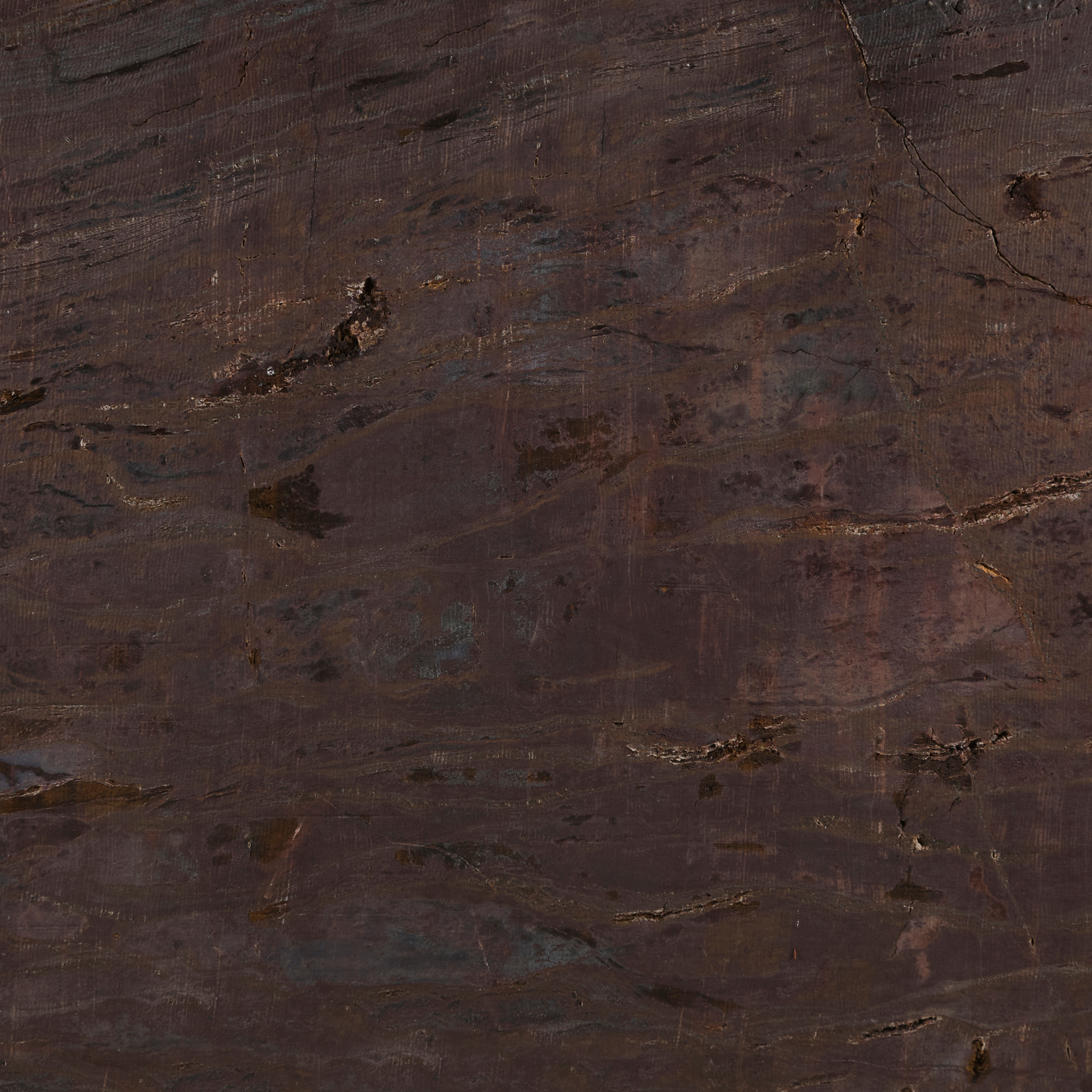
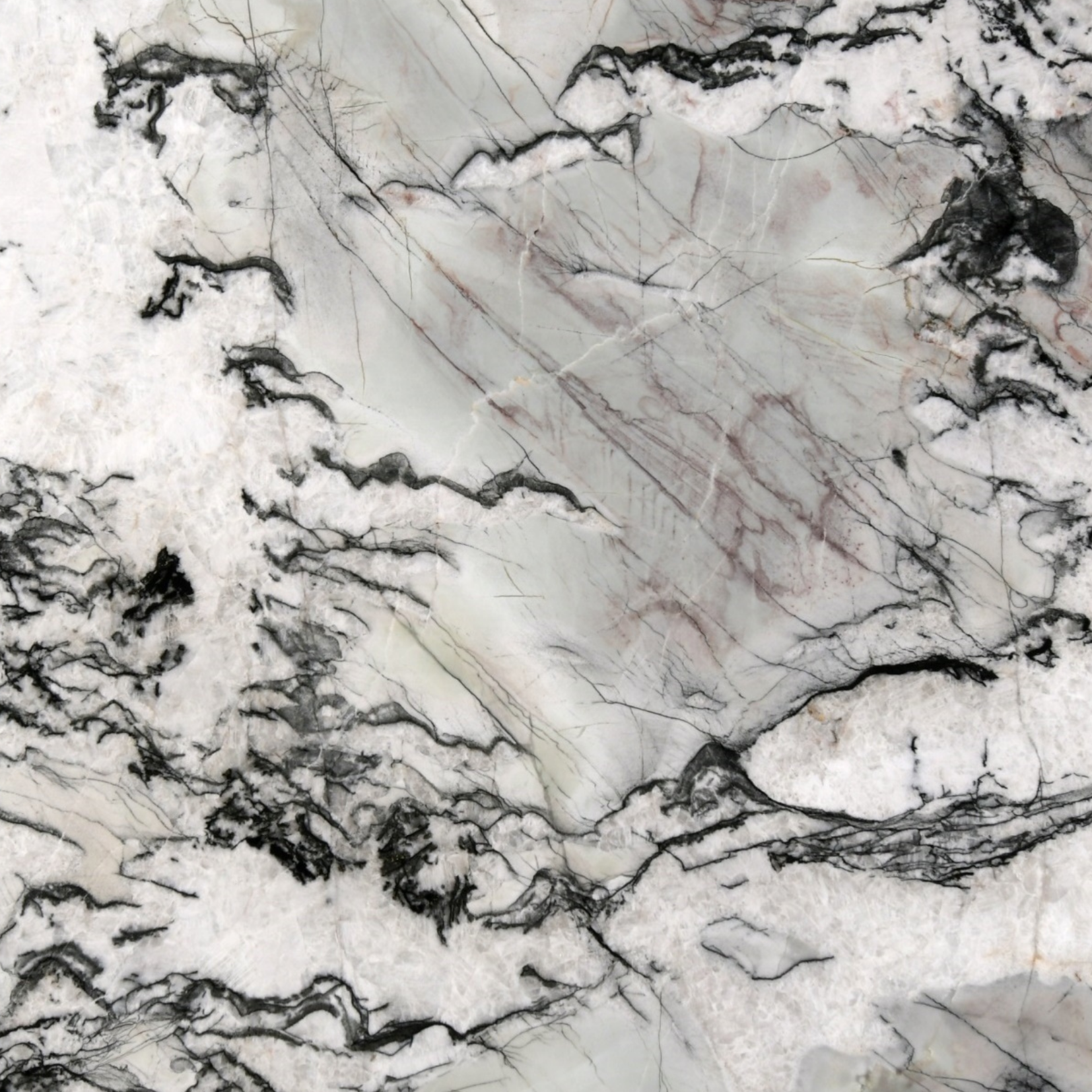
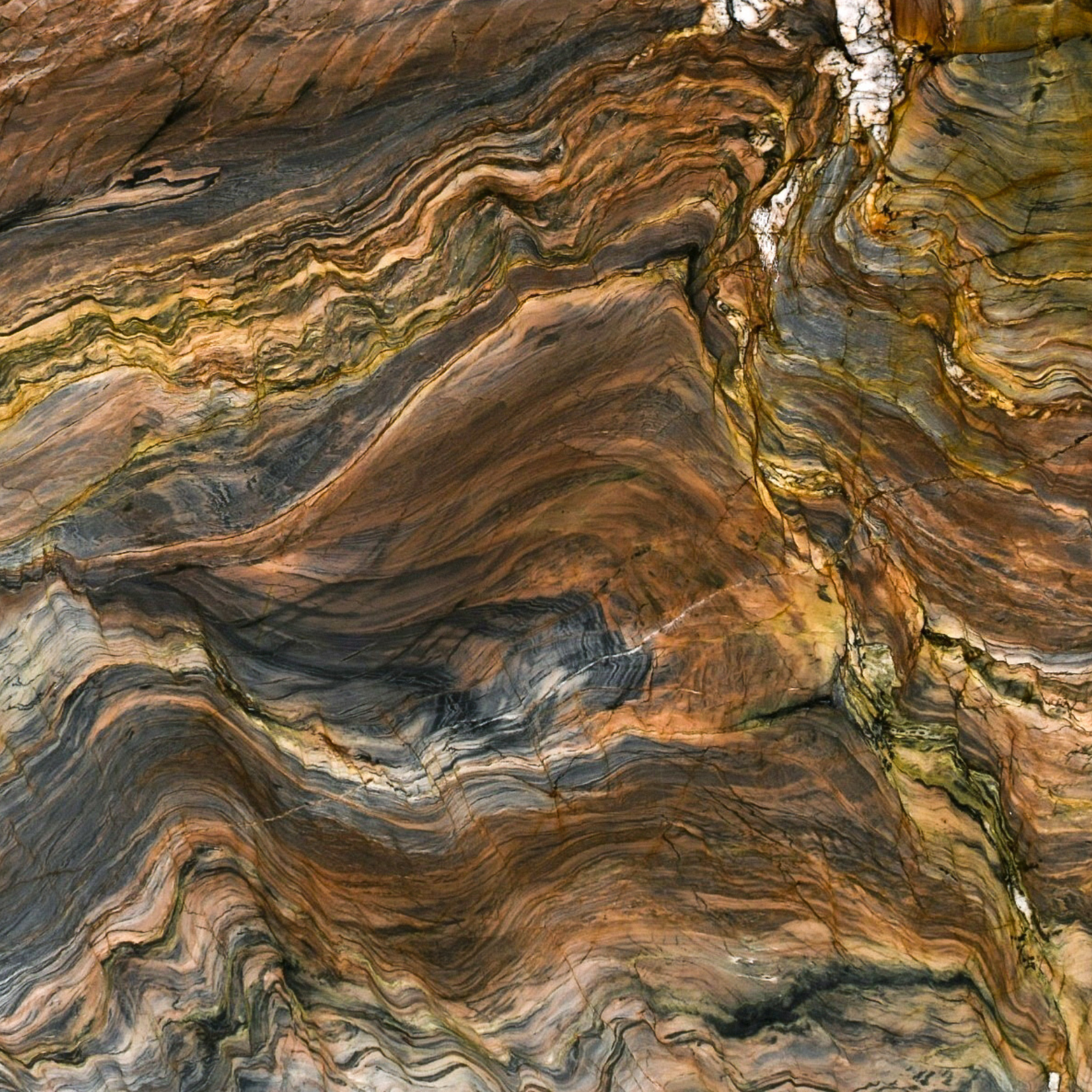
Rosso Levanto Marble
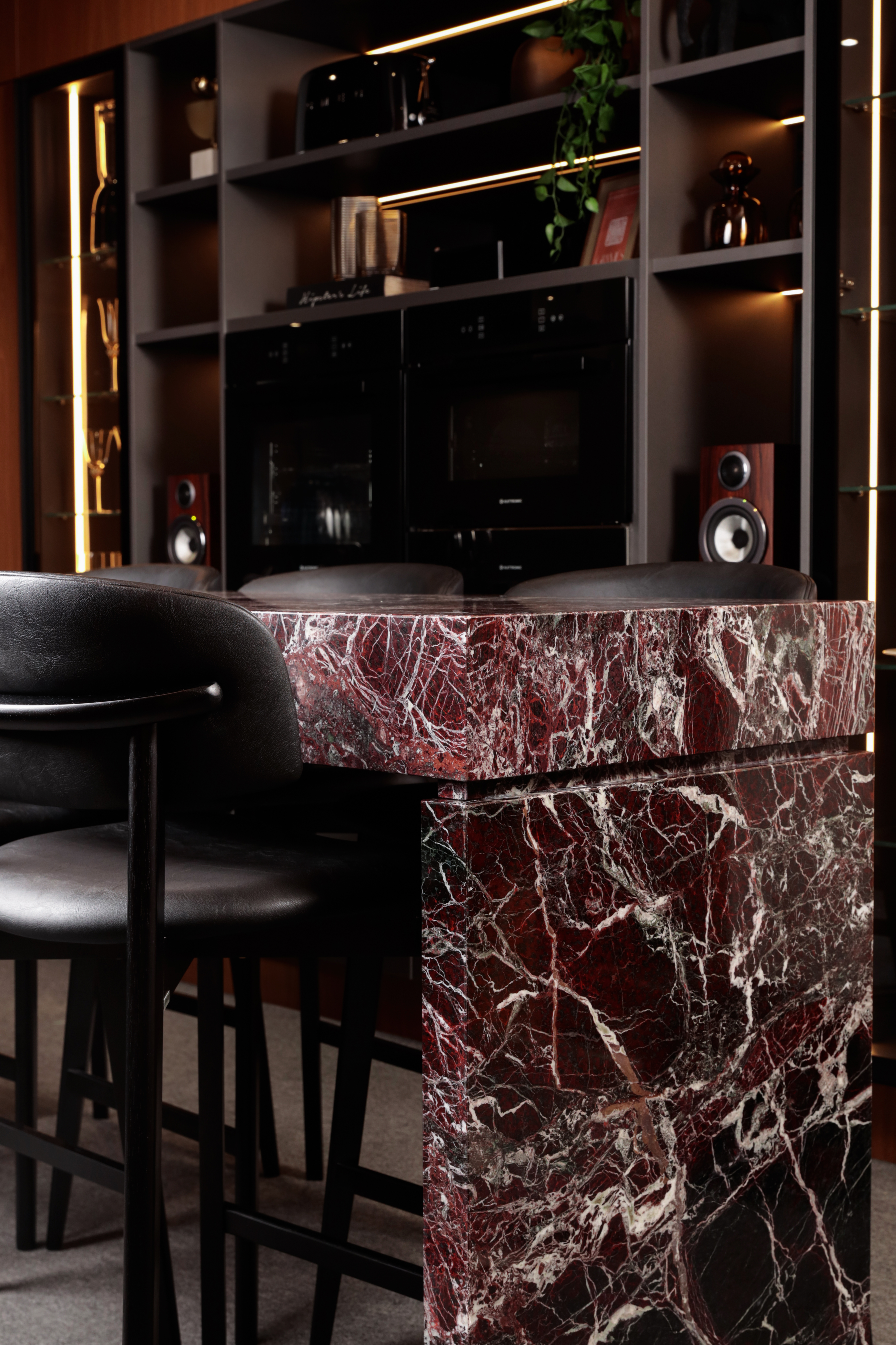
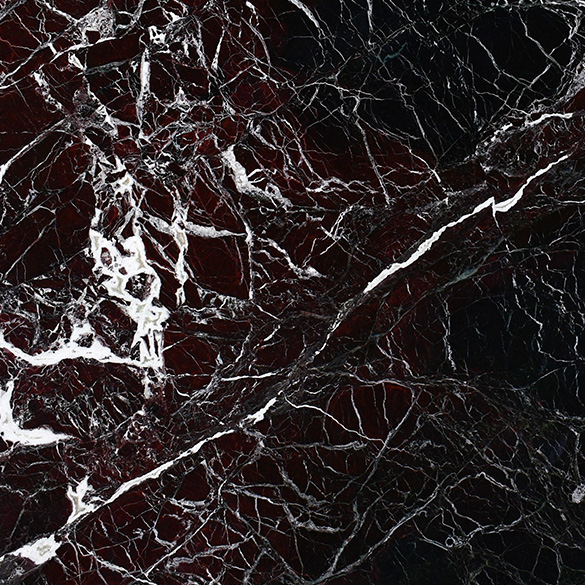
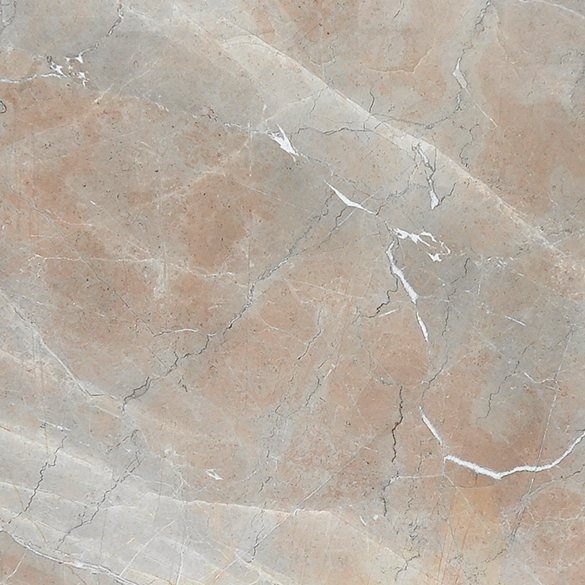
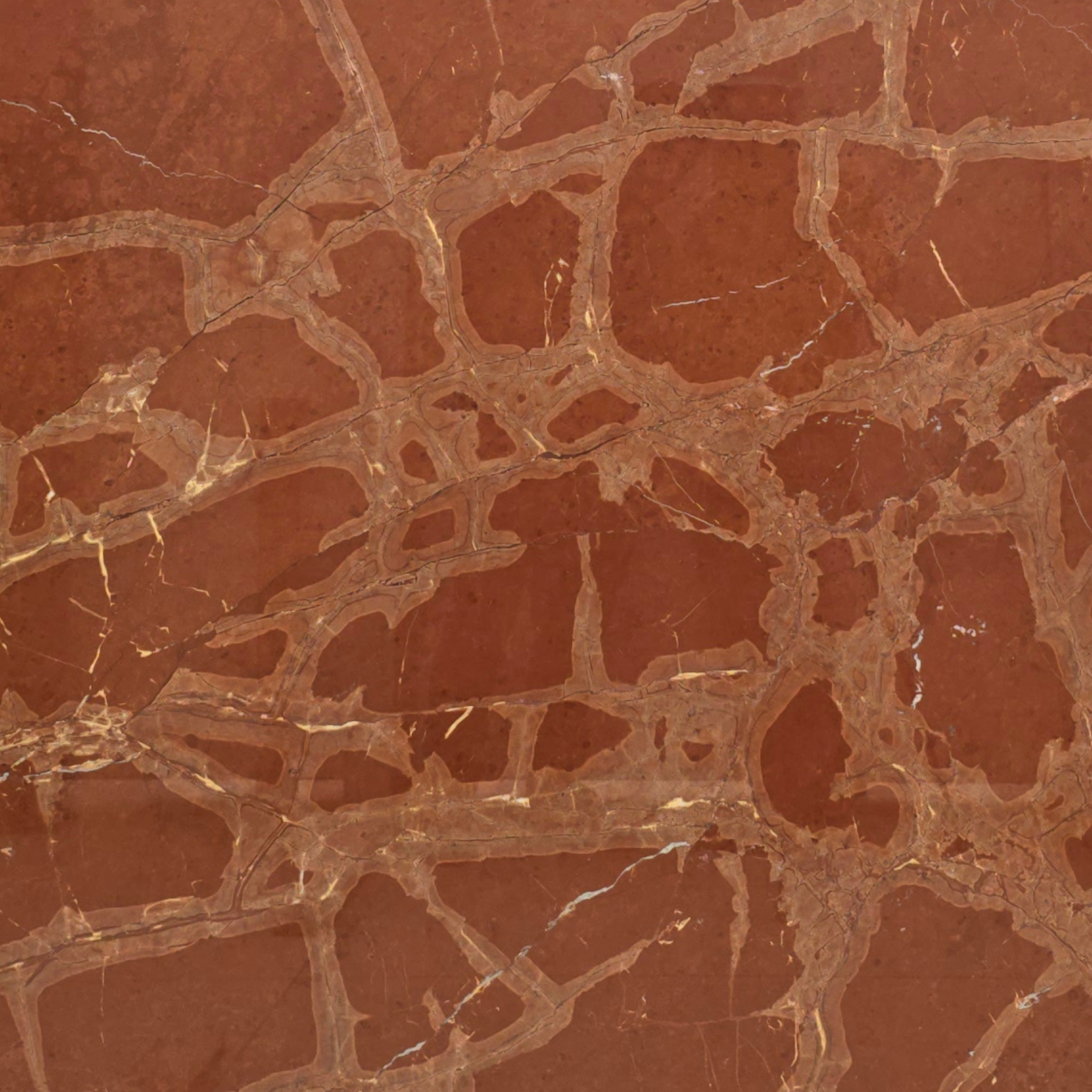
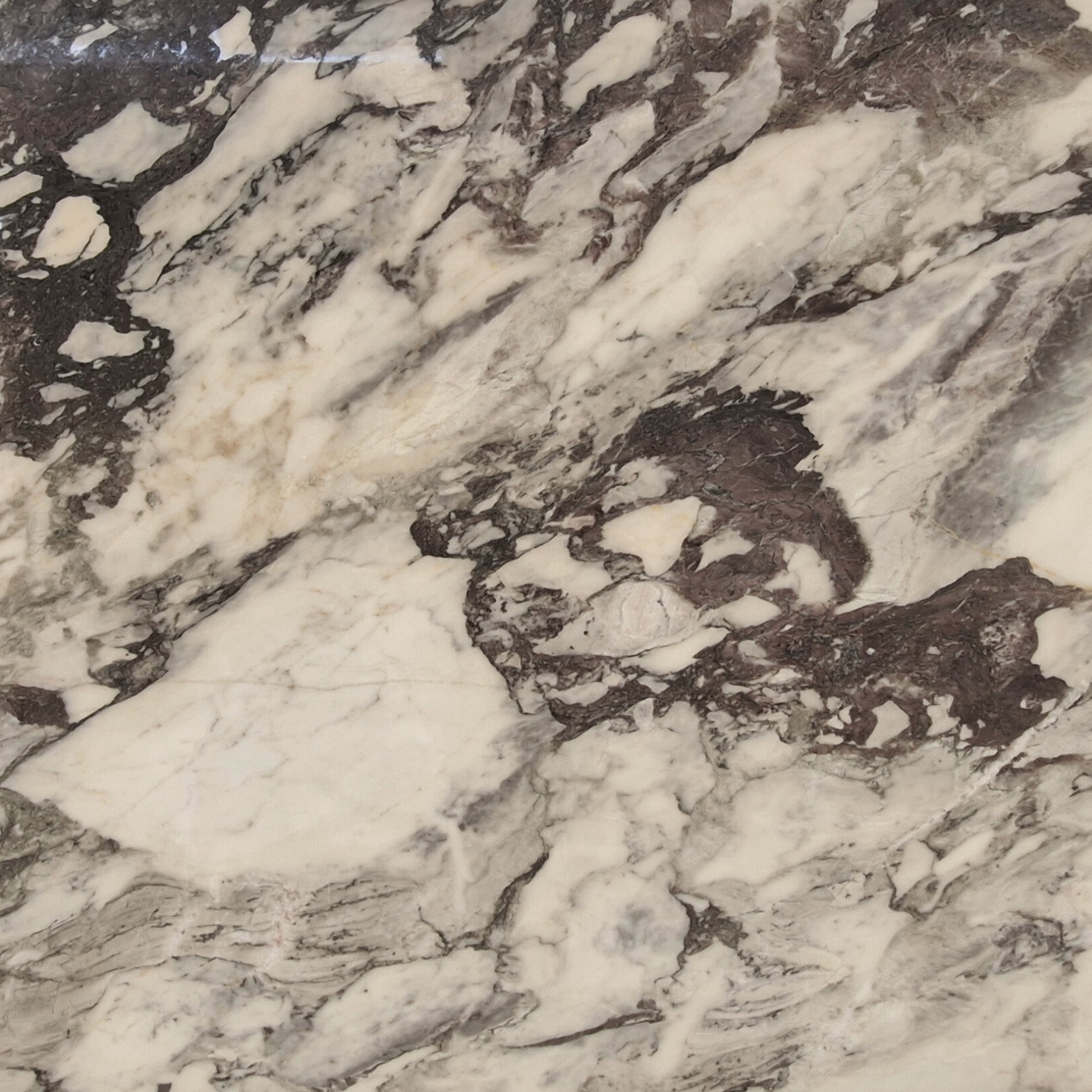
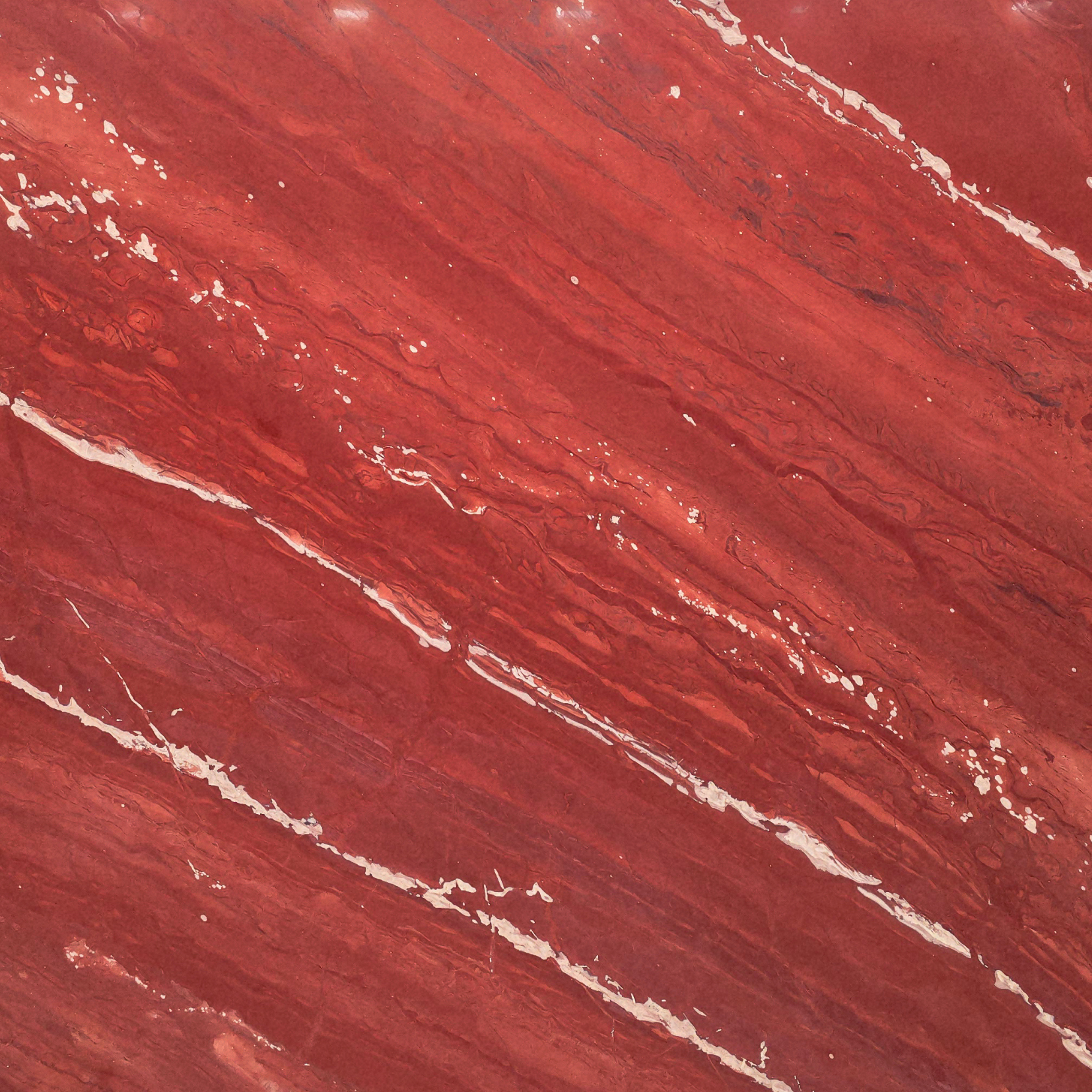
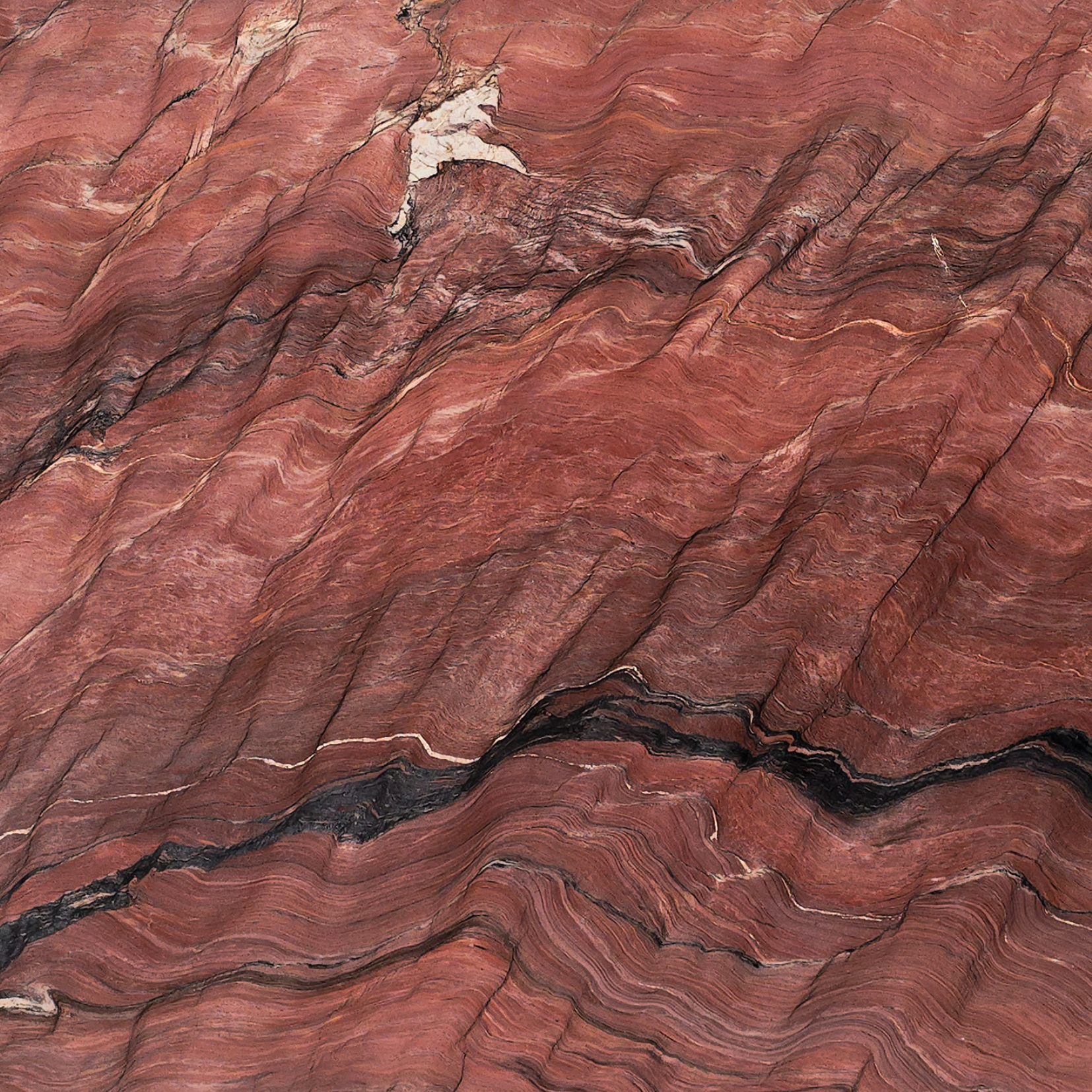
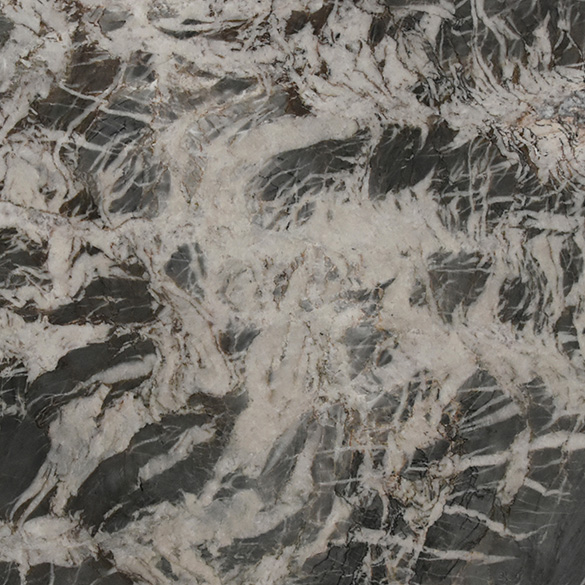
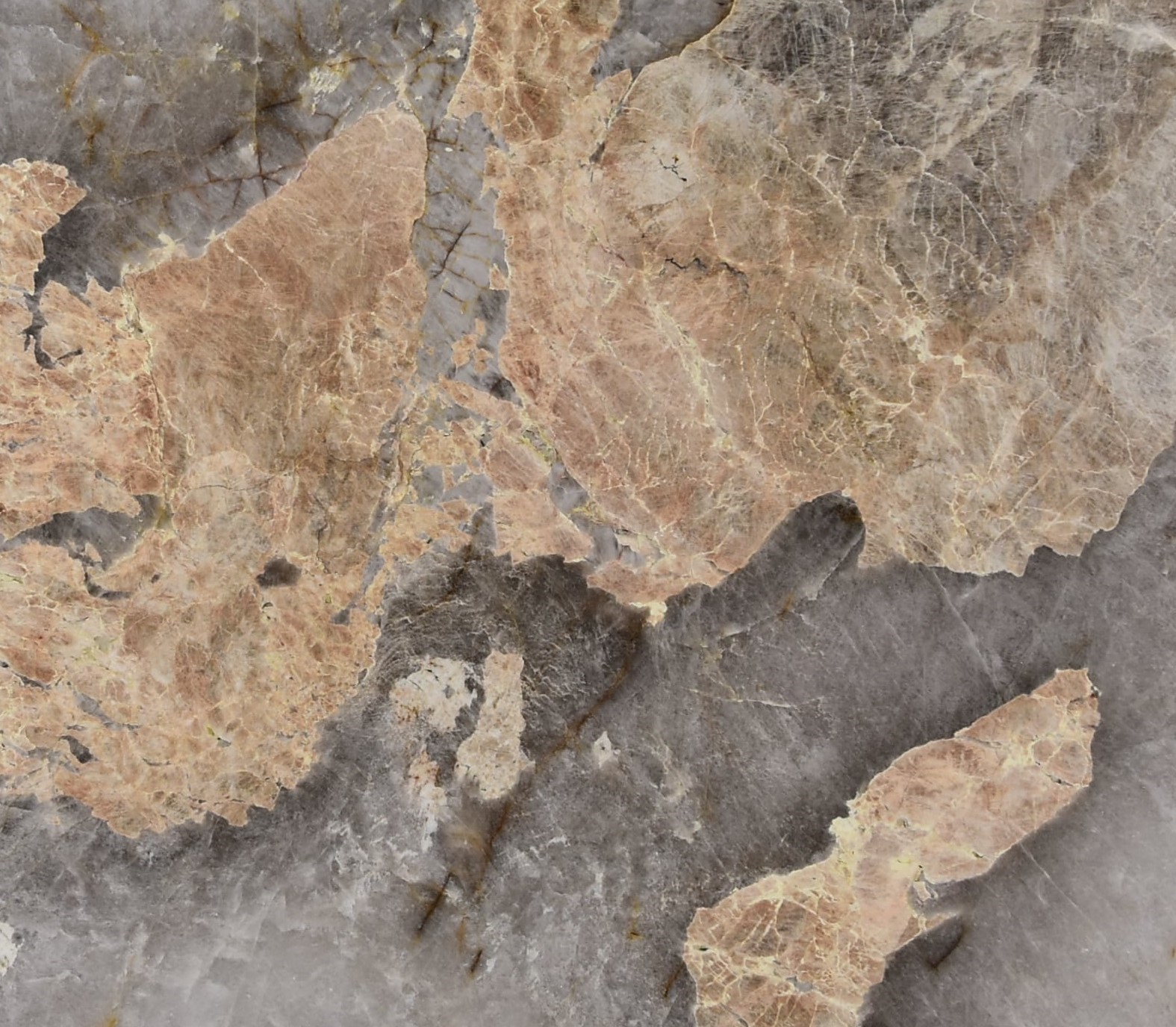
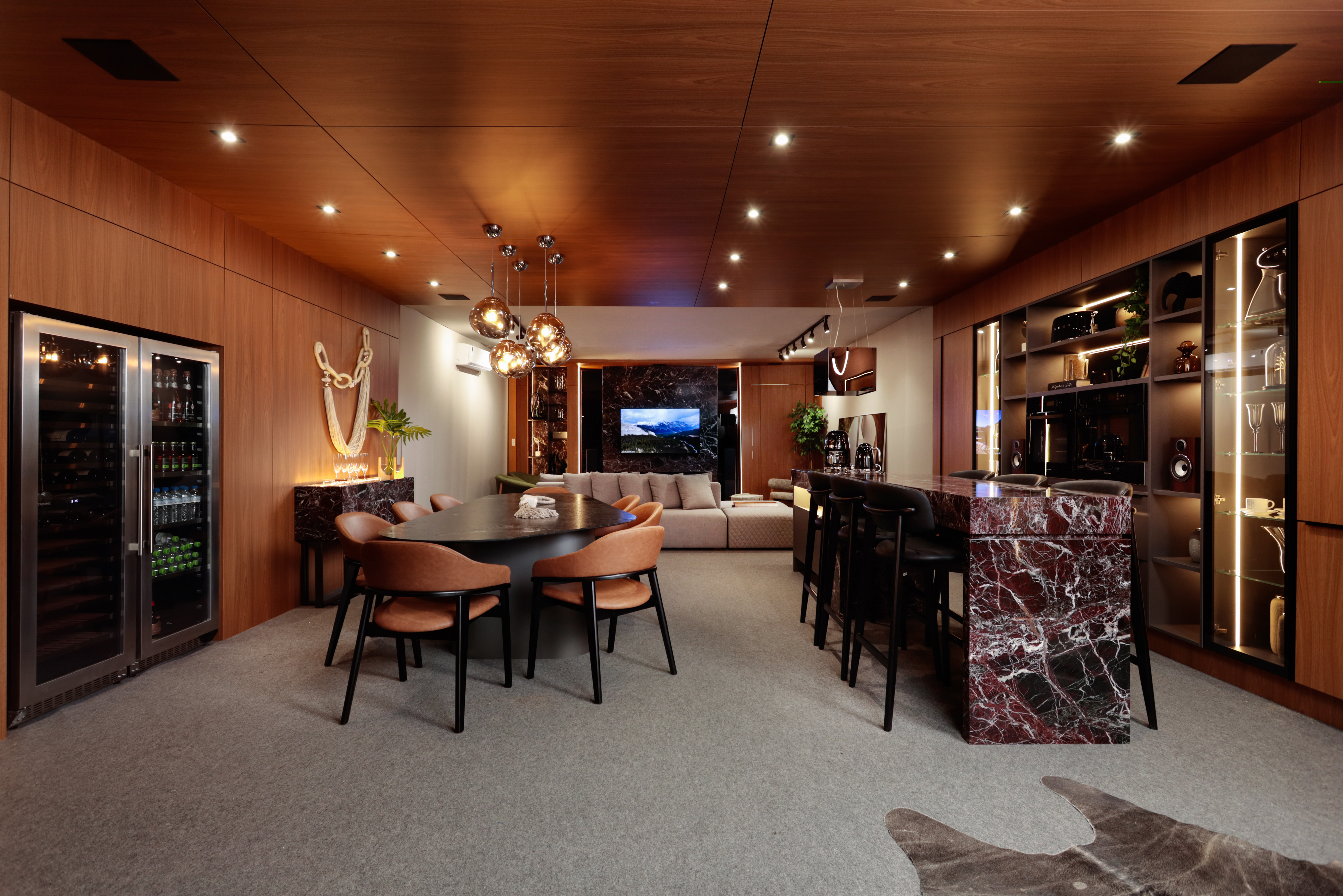
In the Living Inspirar project, Decolores’ Rosso Levanto marble was used on walls, countertops, and table tops, showcasing its deep reddish tones and striking white veining. The result was a vibrant space evoking the energy of a volcano and creating a strong visual statement.
Perfect for environments that aim to convey bold personality, Rosso Levanto pairs beautifully with dark or metallic furniture for sophisticated contrasts.
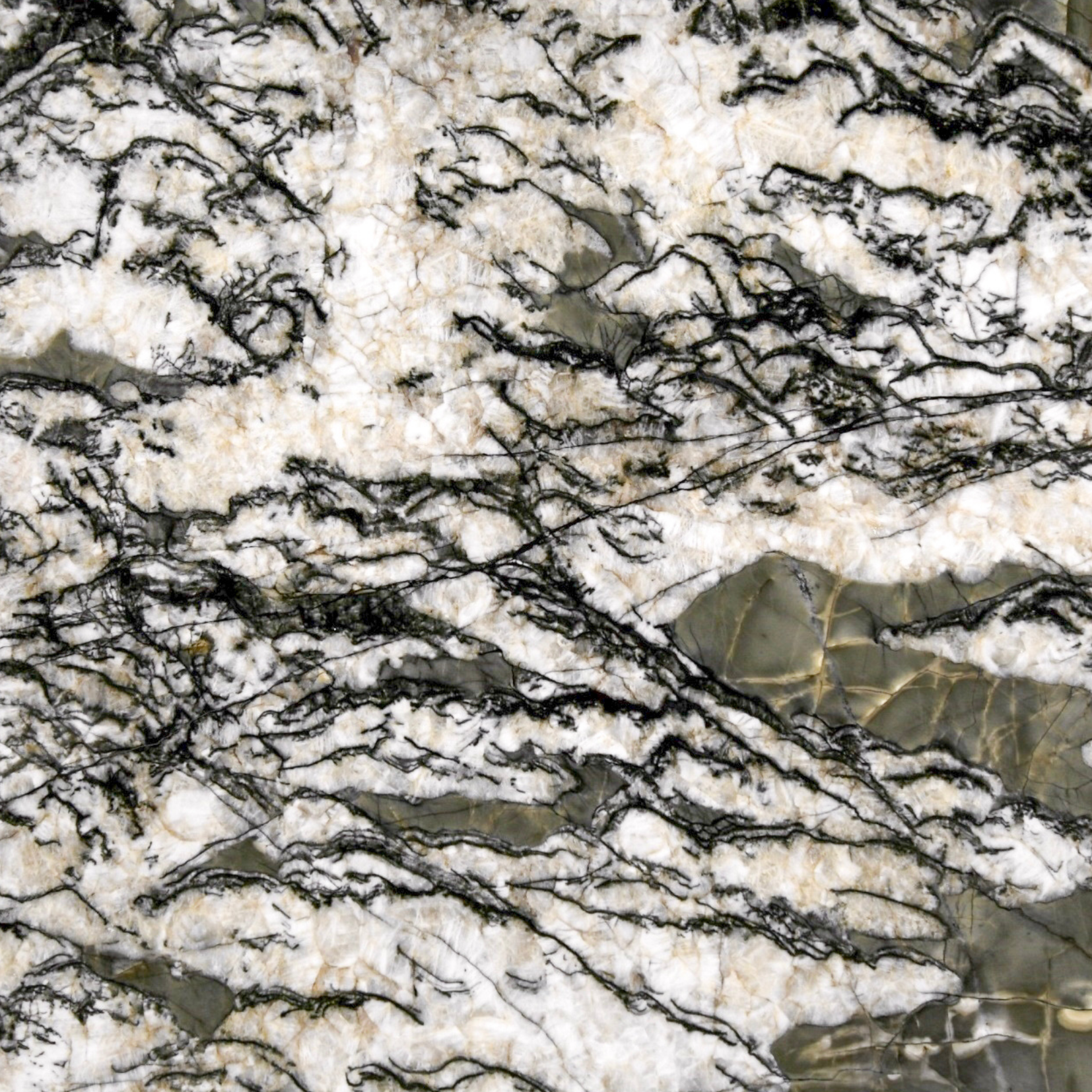
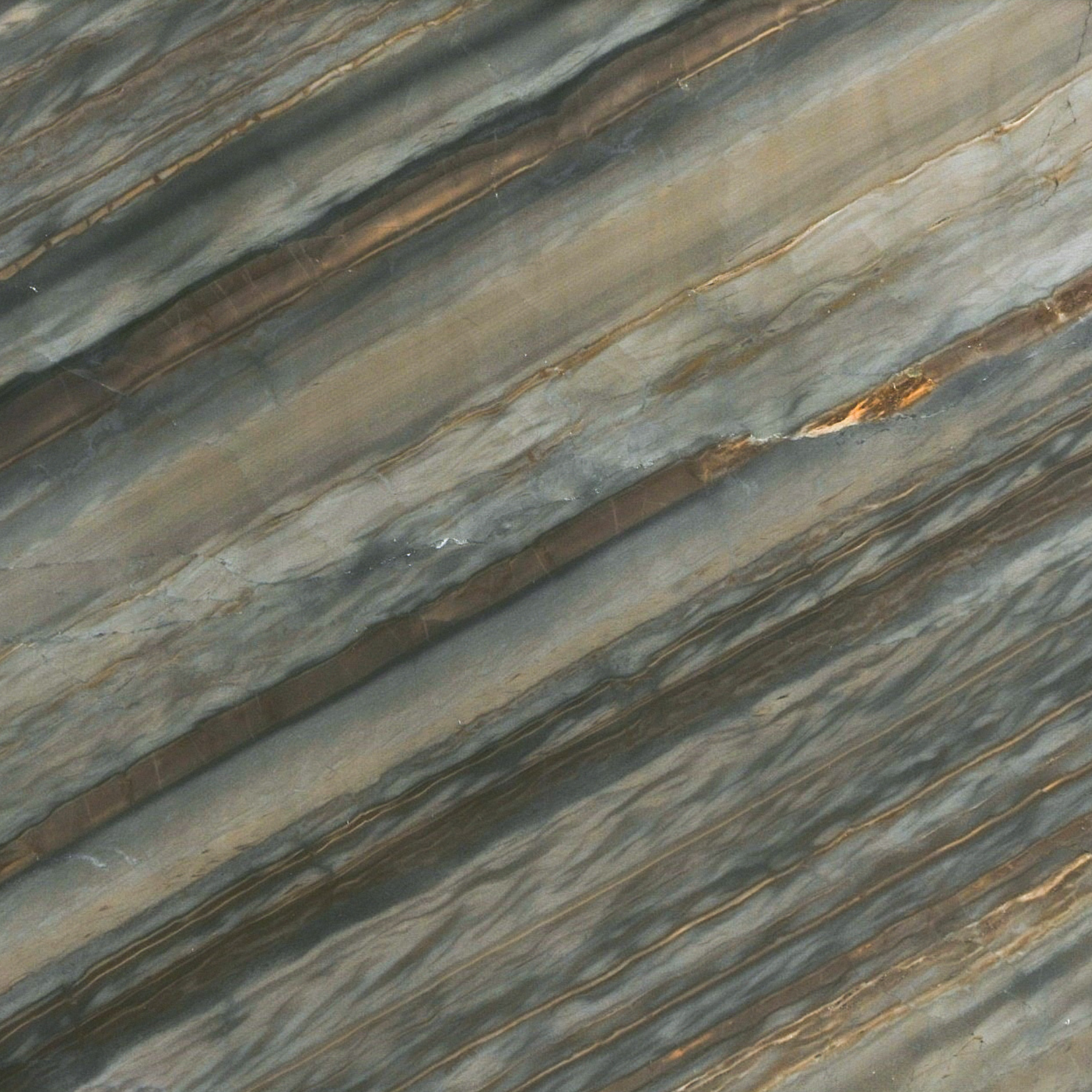
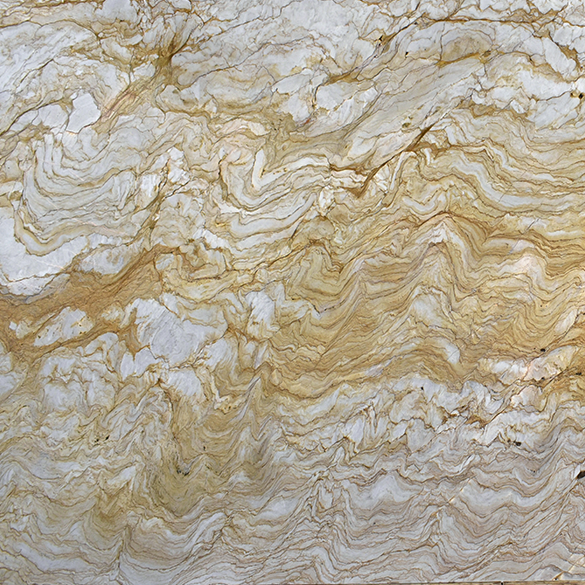
Van Gogh Marble
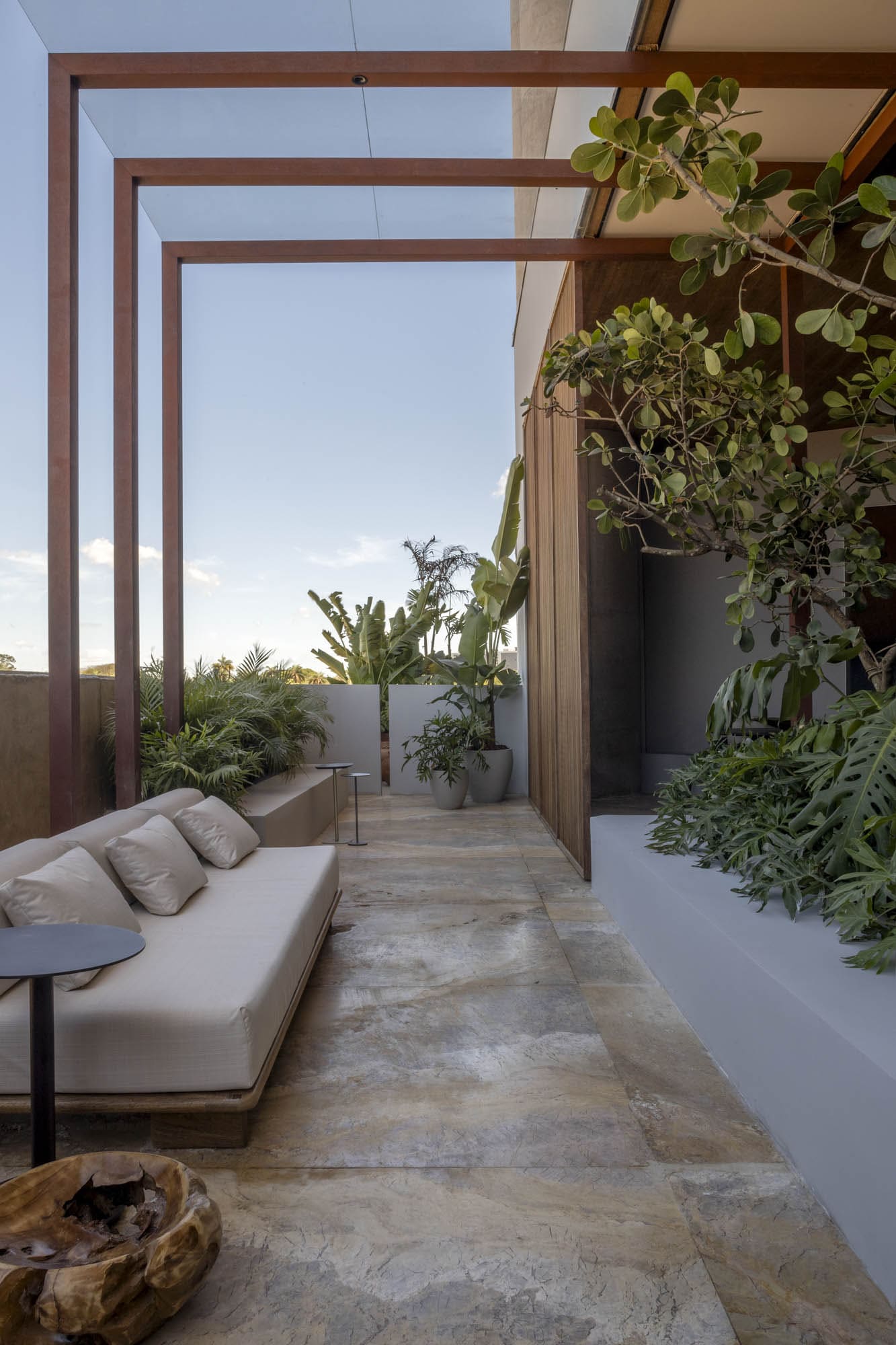
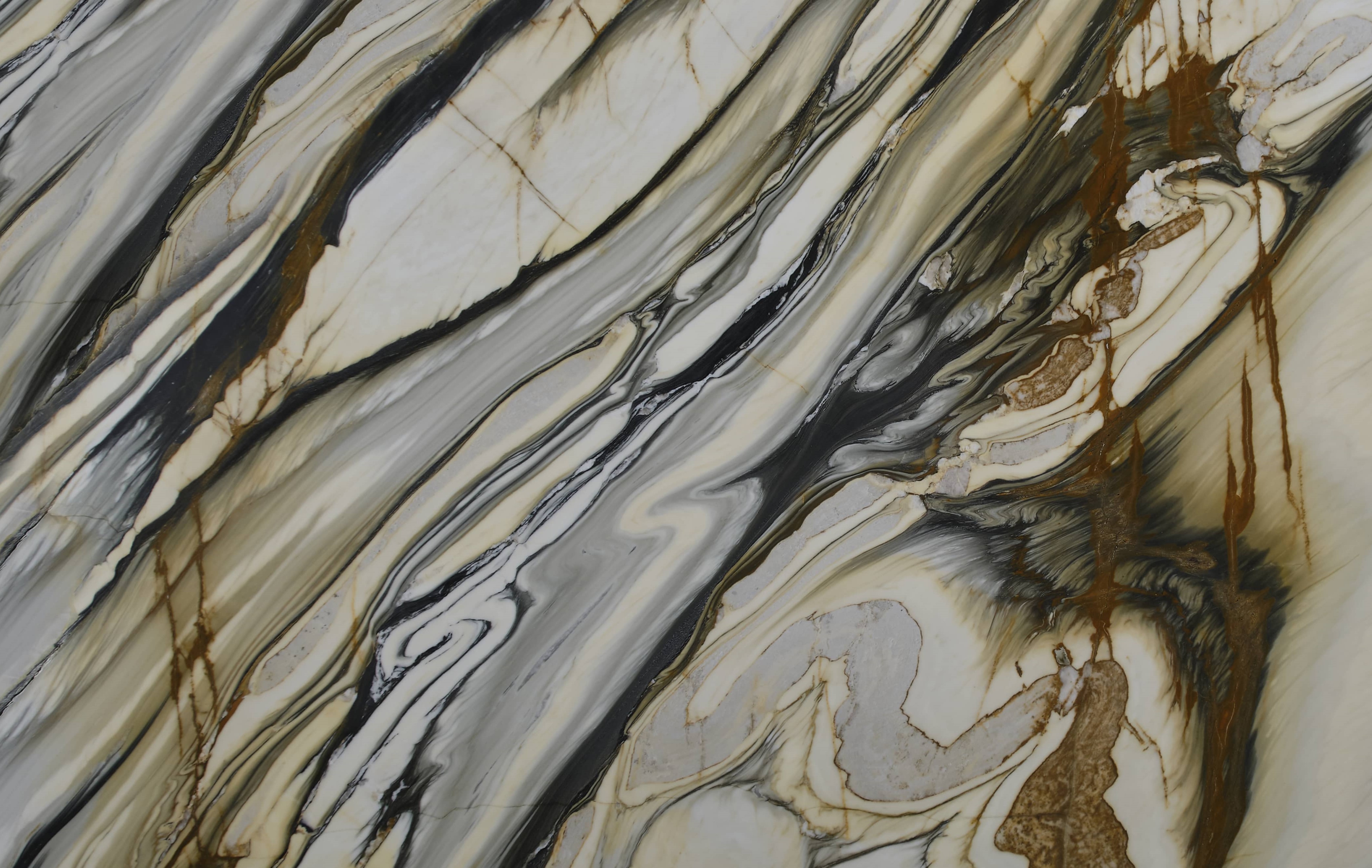
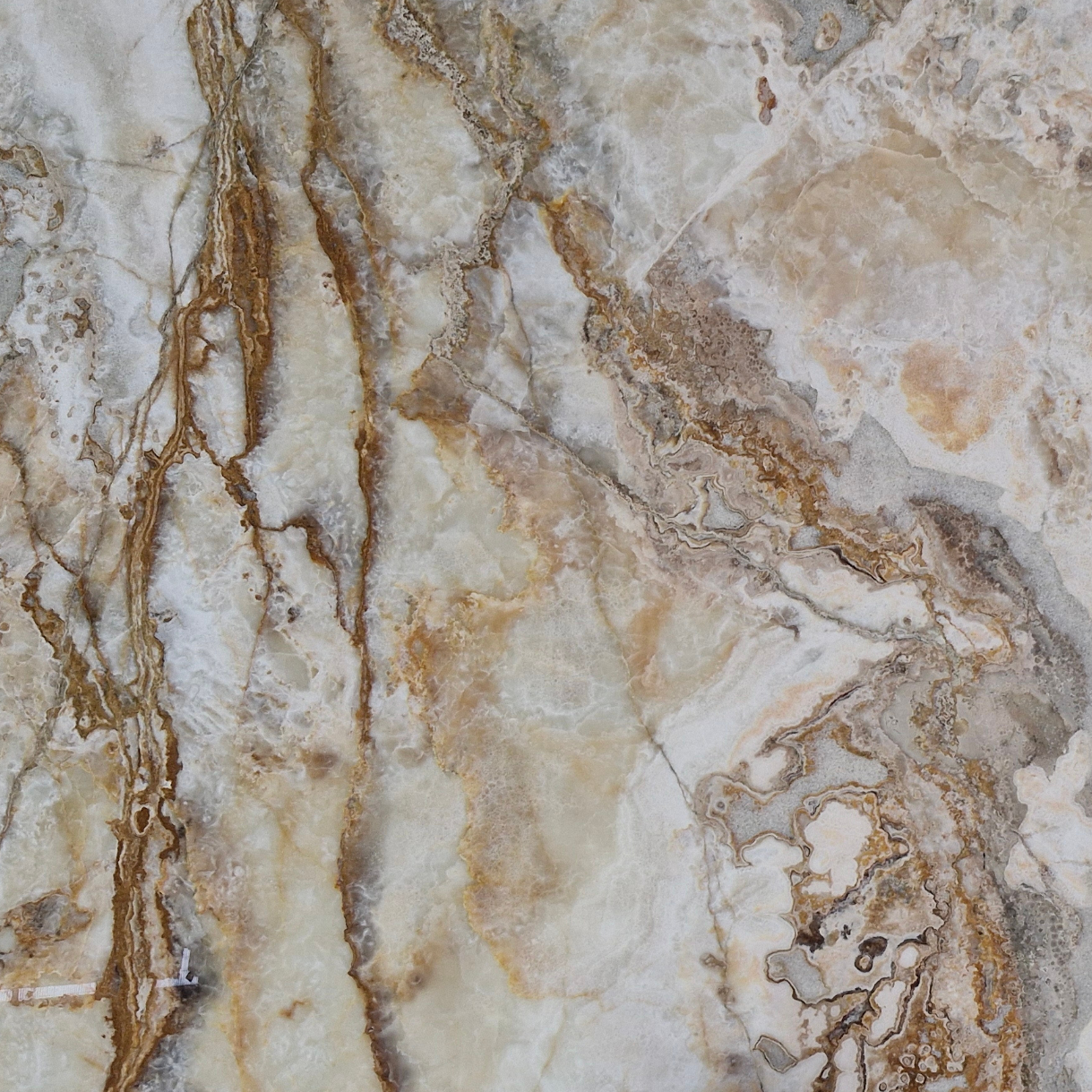
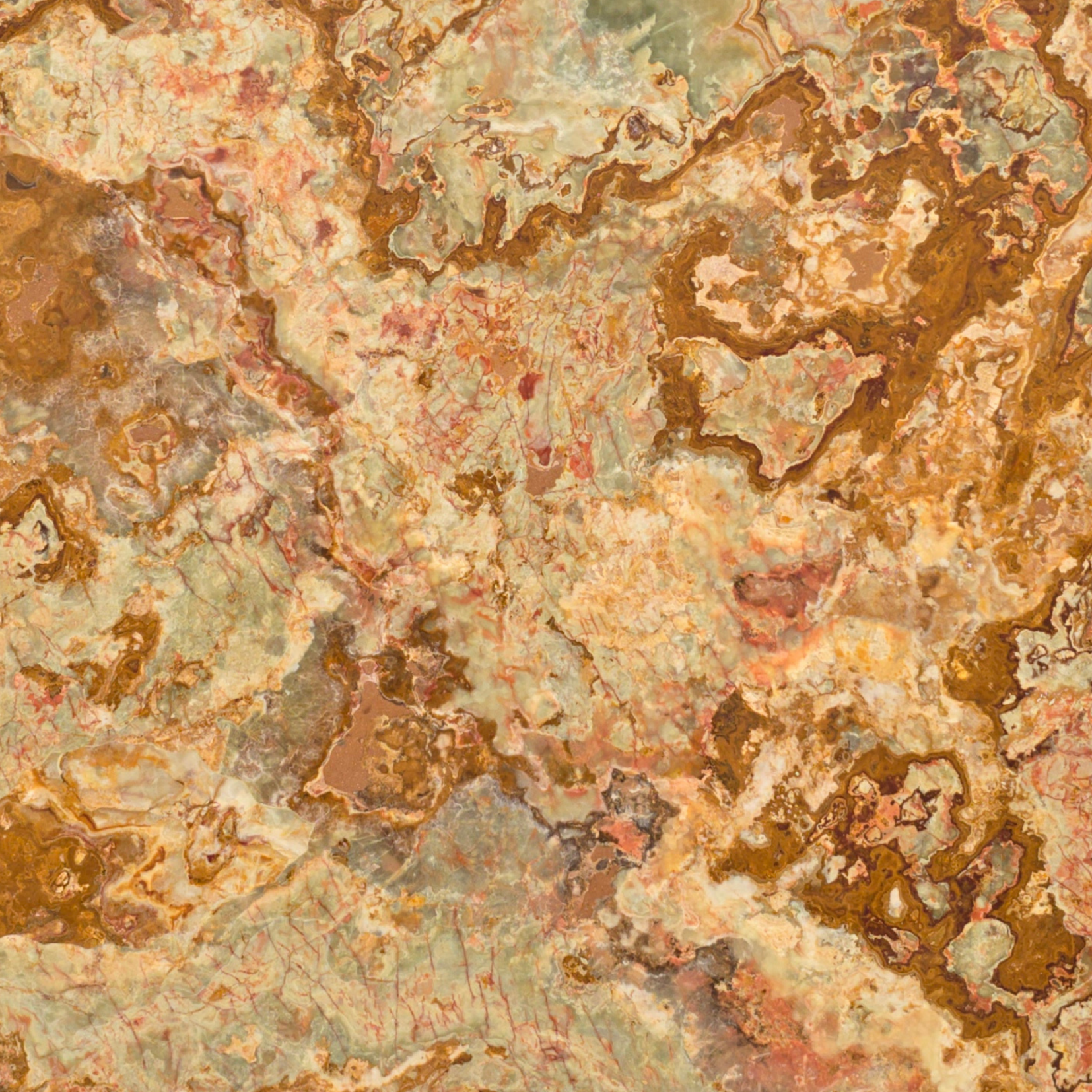
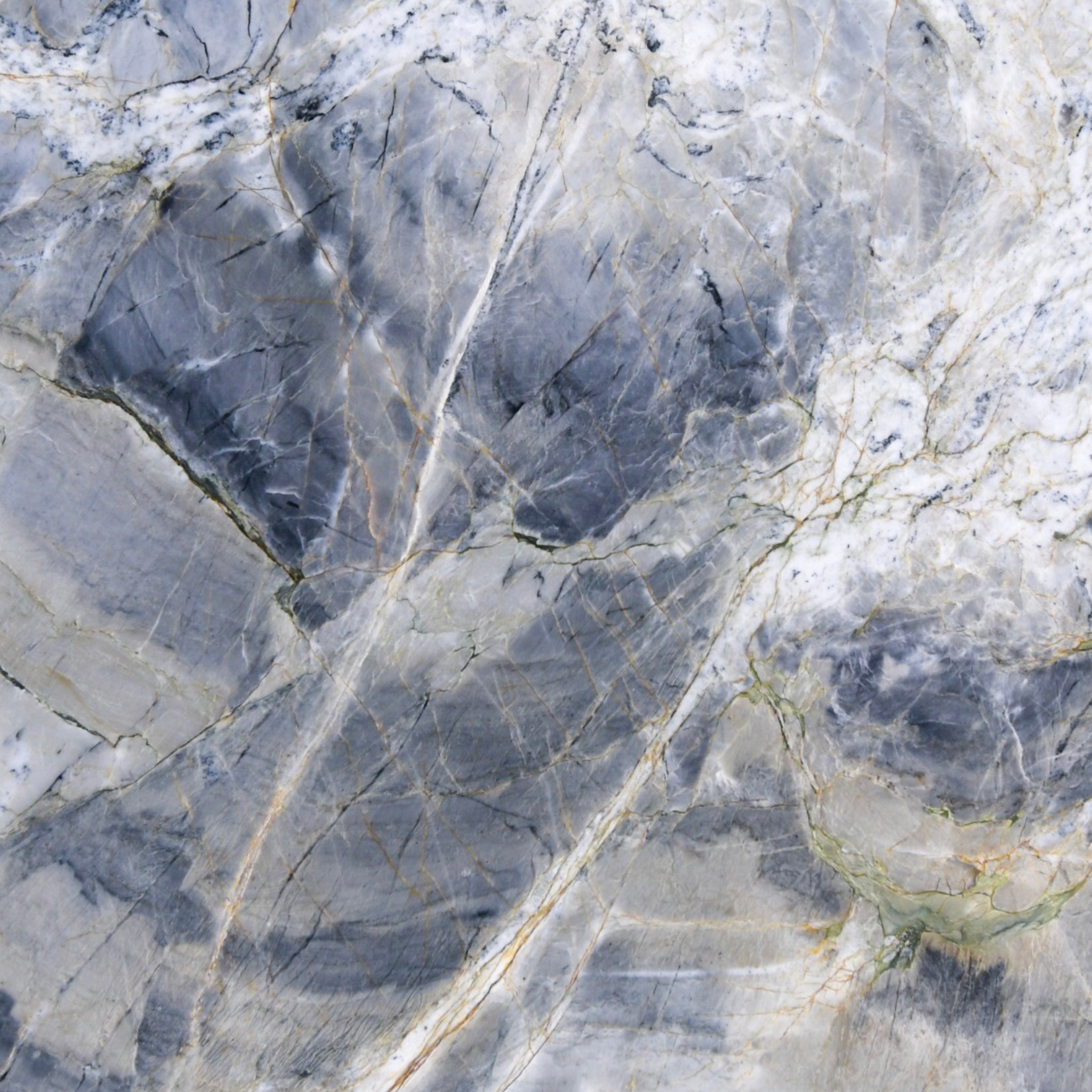
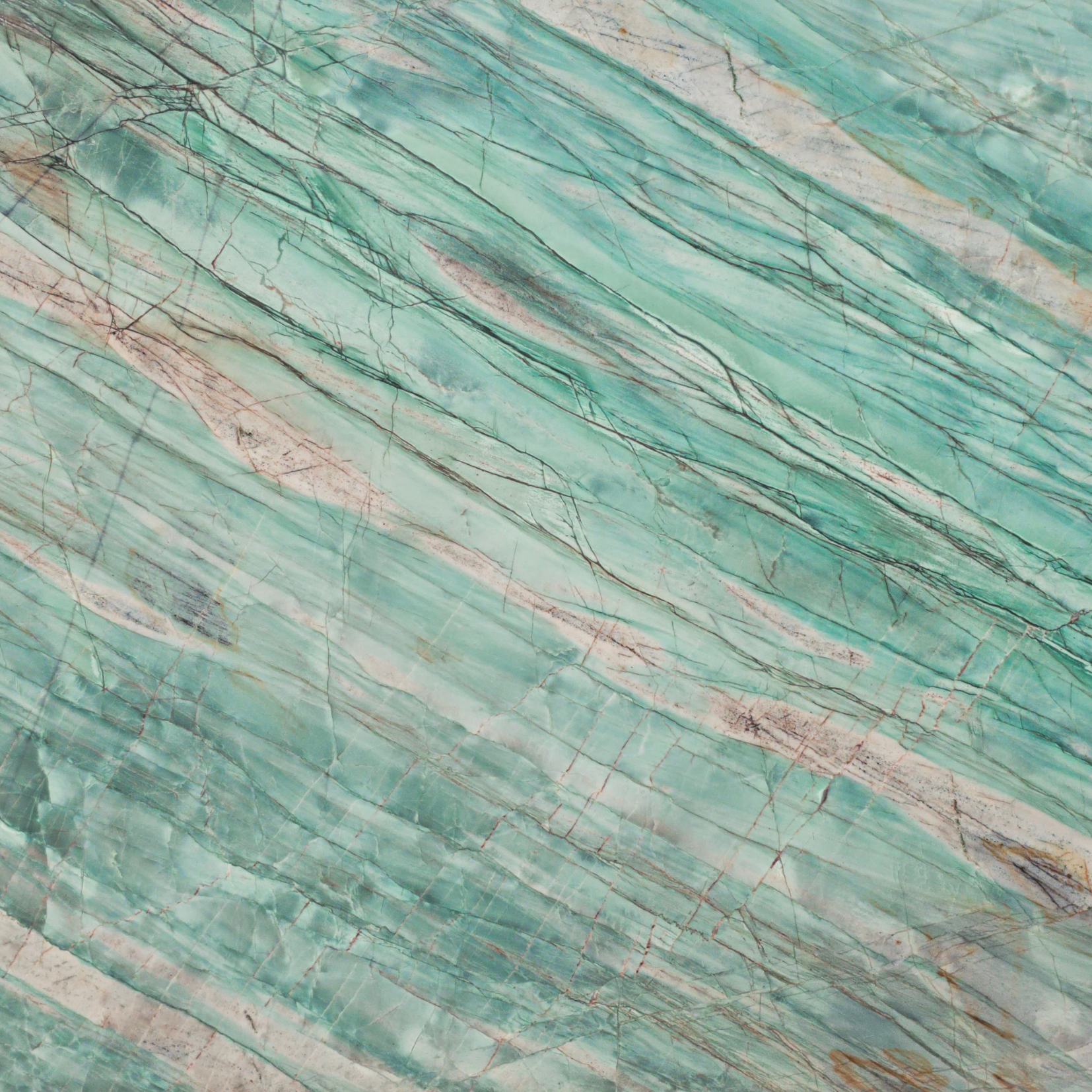
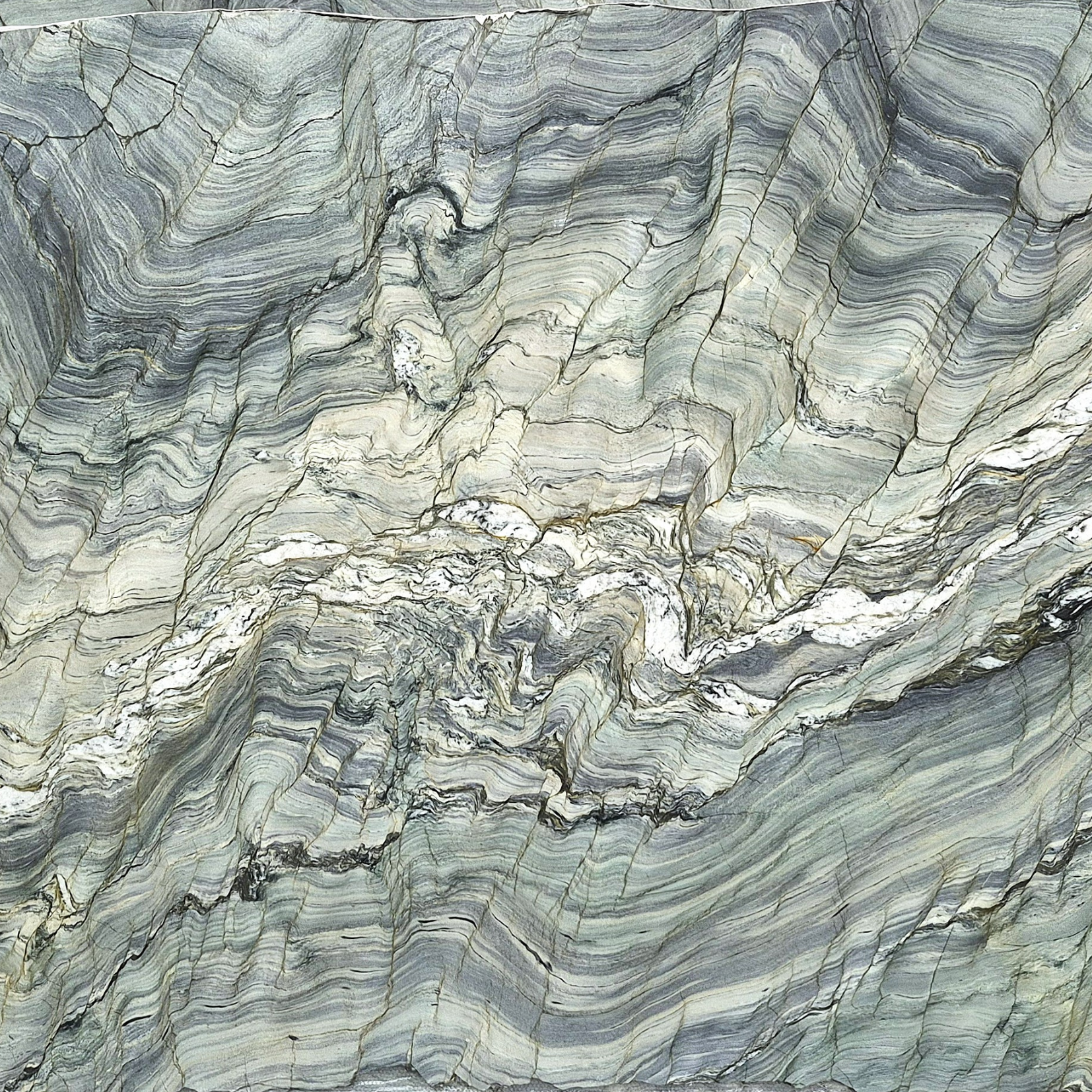
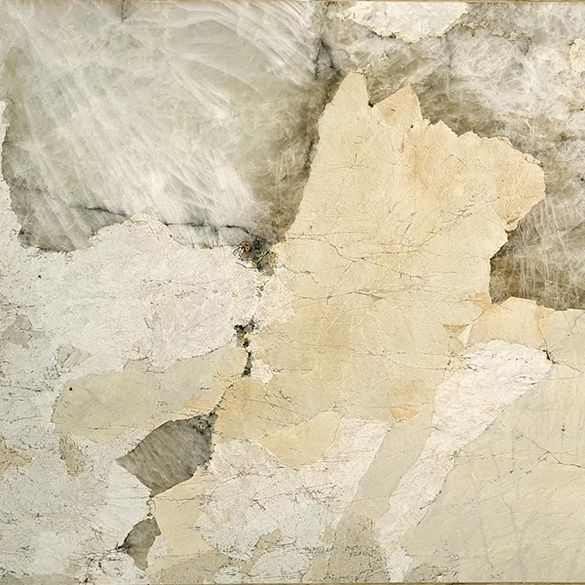
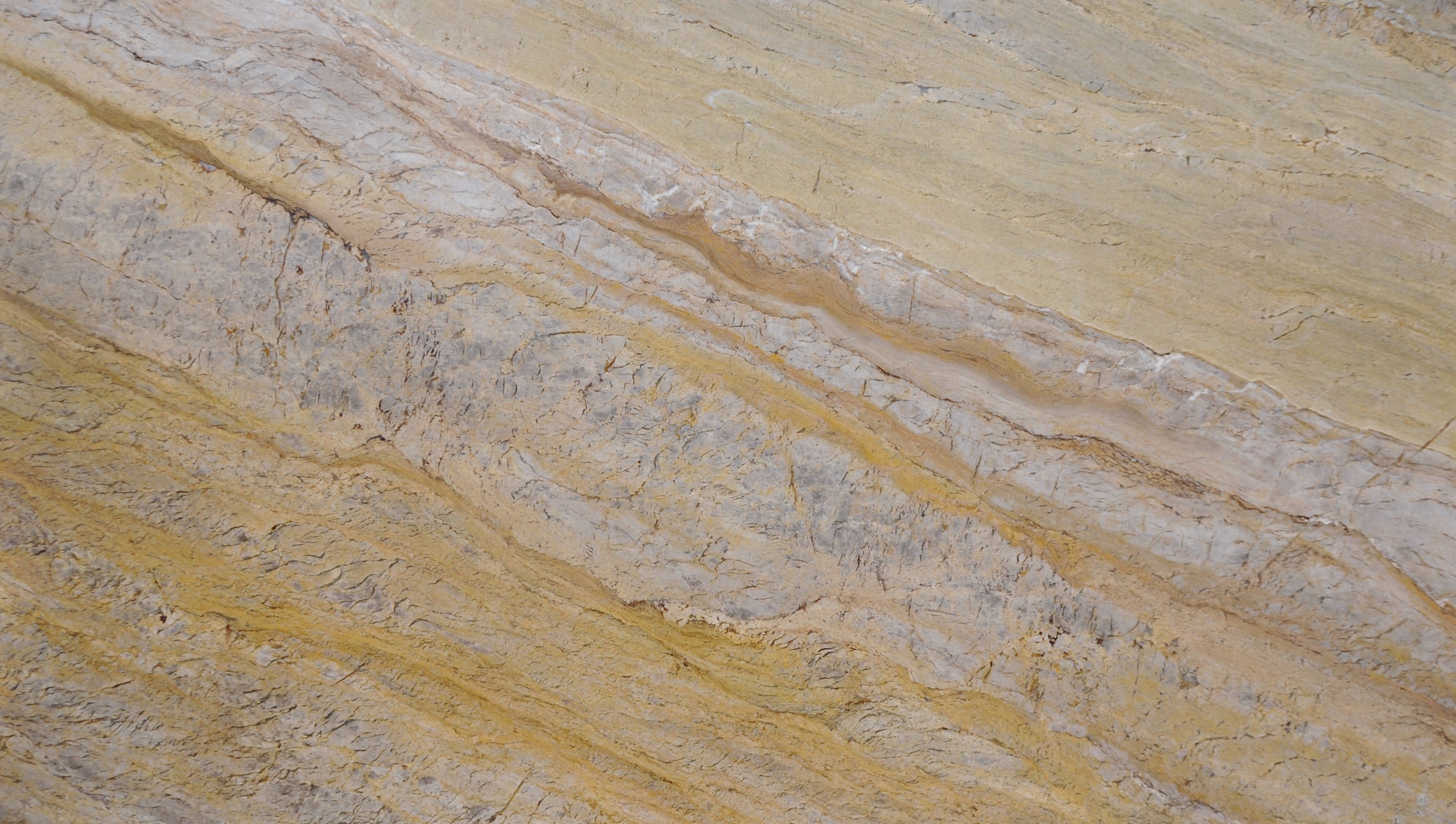
The Casa Raízes project at CASACOR Brasília featured Decolores’ Van Gogh marble in indoor flooring, revealing the fluid interplay of yellow, white, and blue tones organically intertwined throughout the space.
Its sinuous veining evokes ancient marine landscapes, making it ideal for connecting balconies and living rooms while enhancing visual amplitude and harmony.
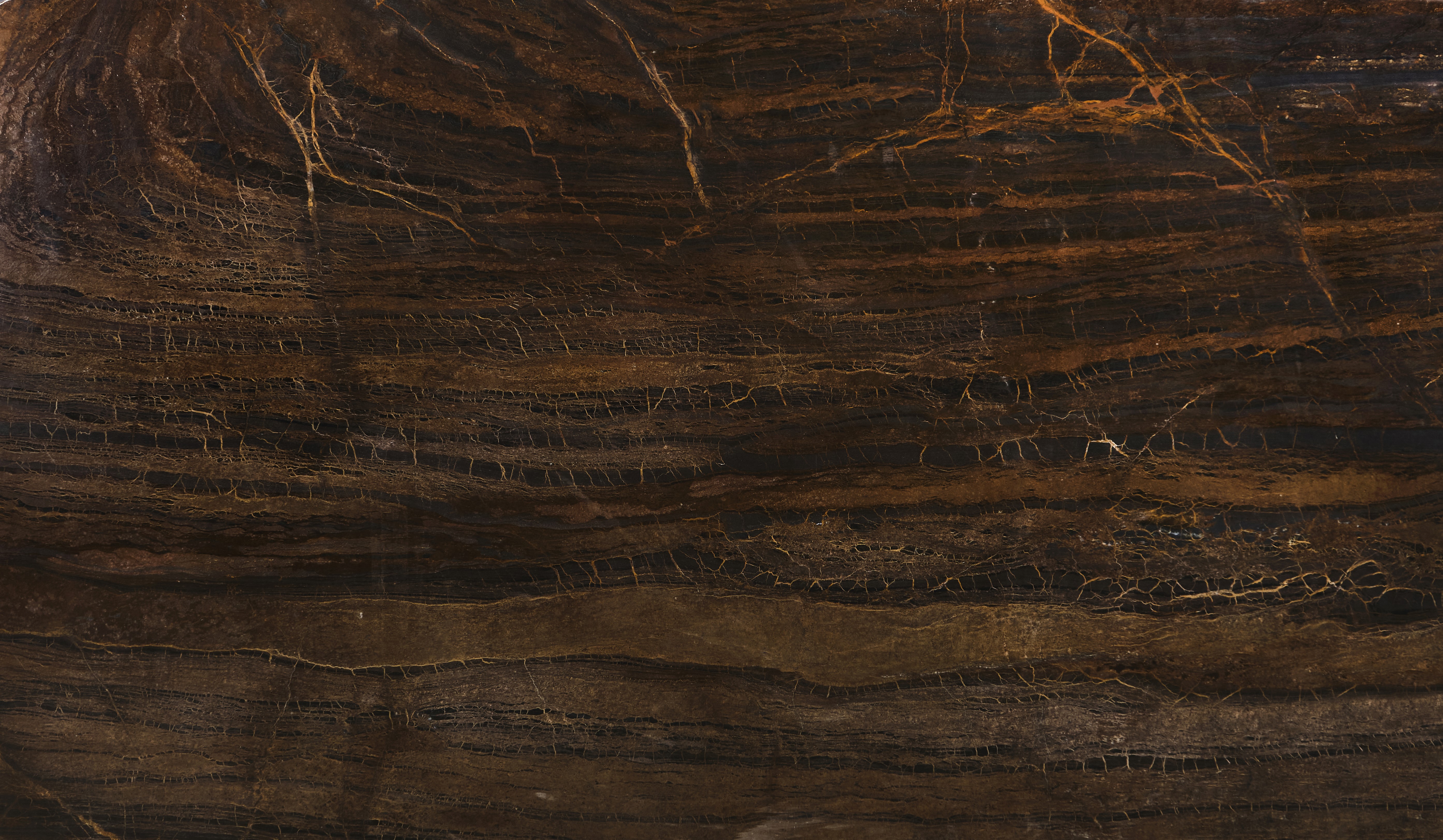
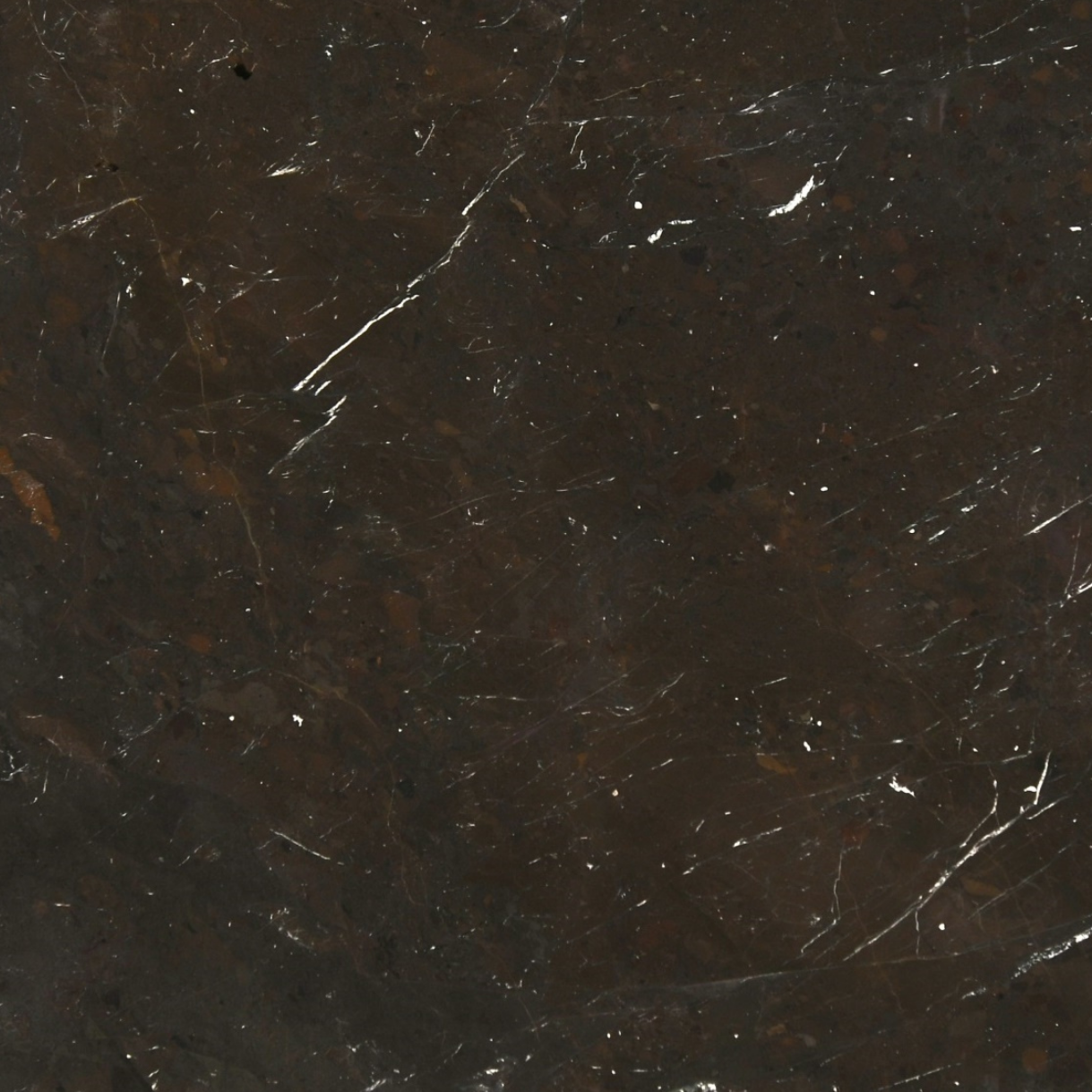
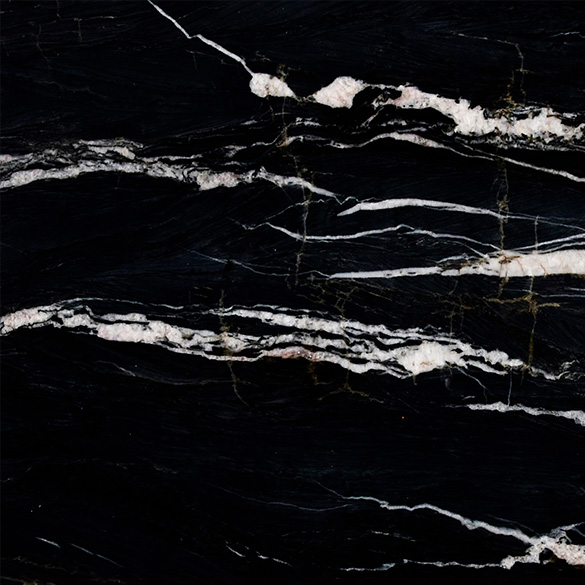
Nero Marquina Marble
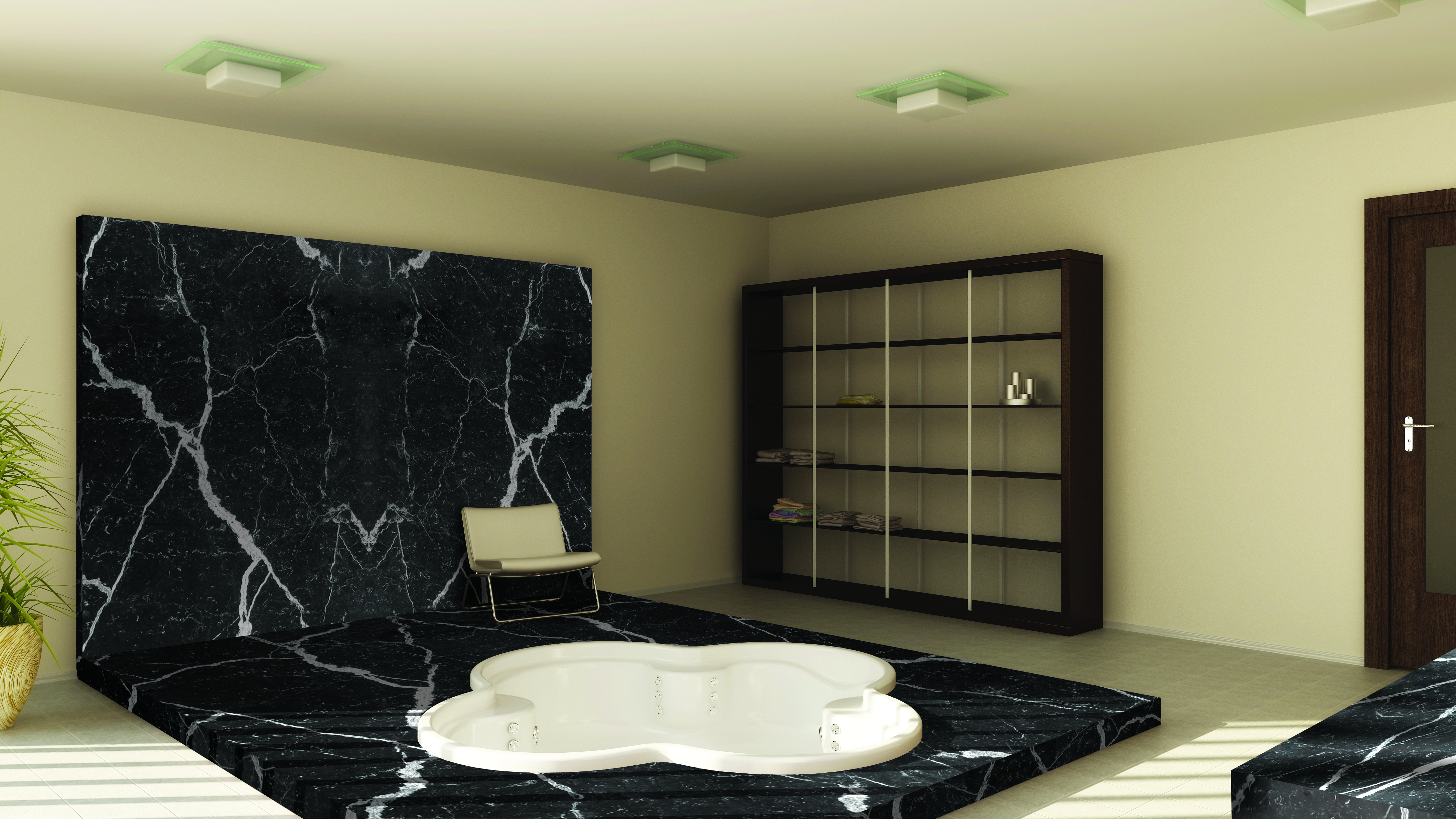
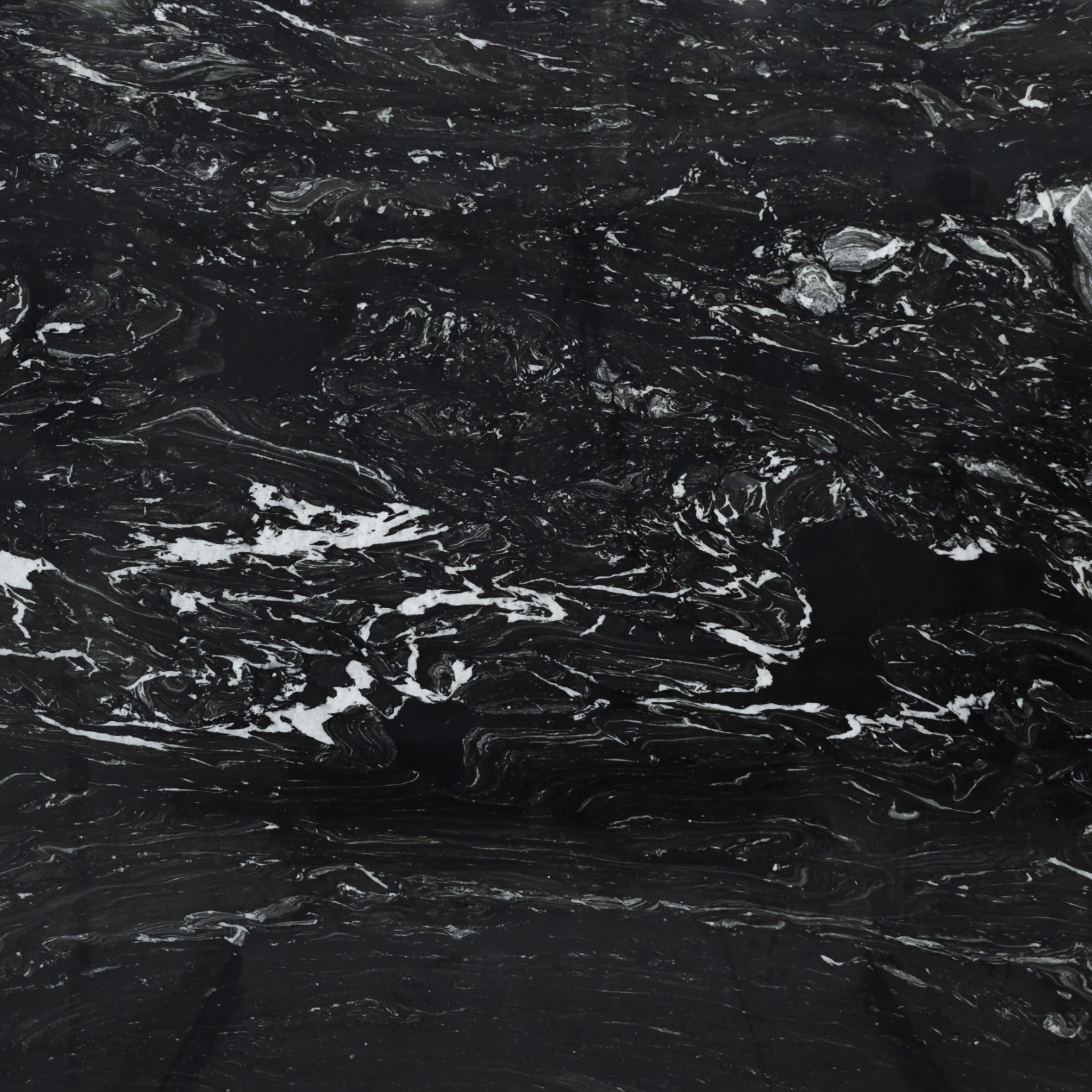
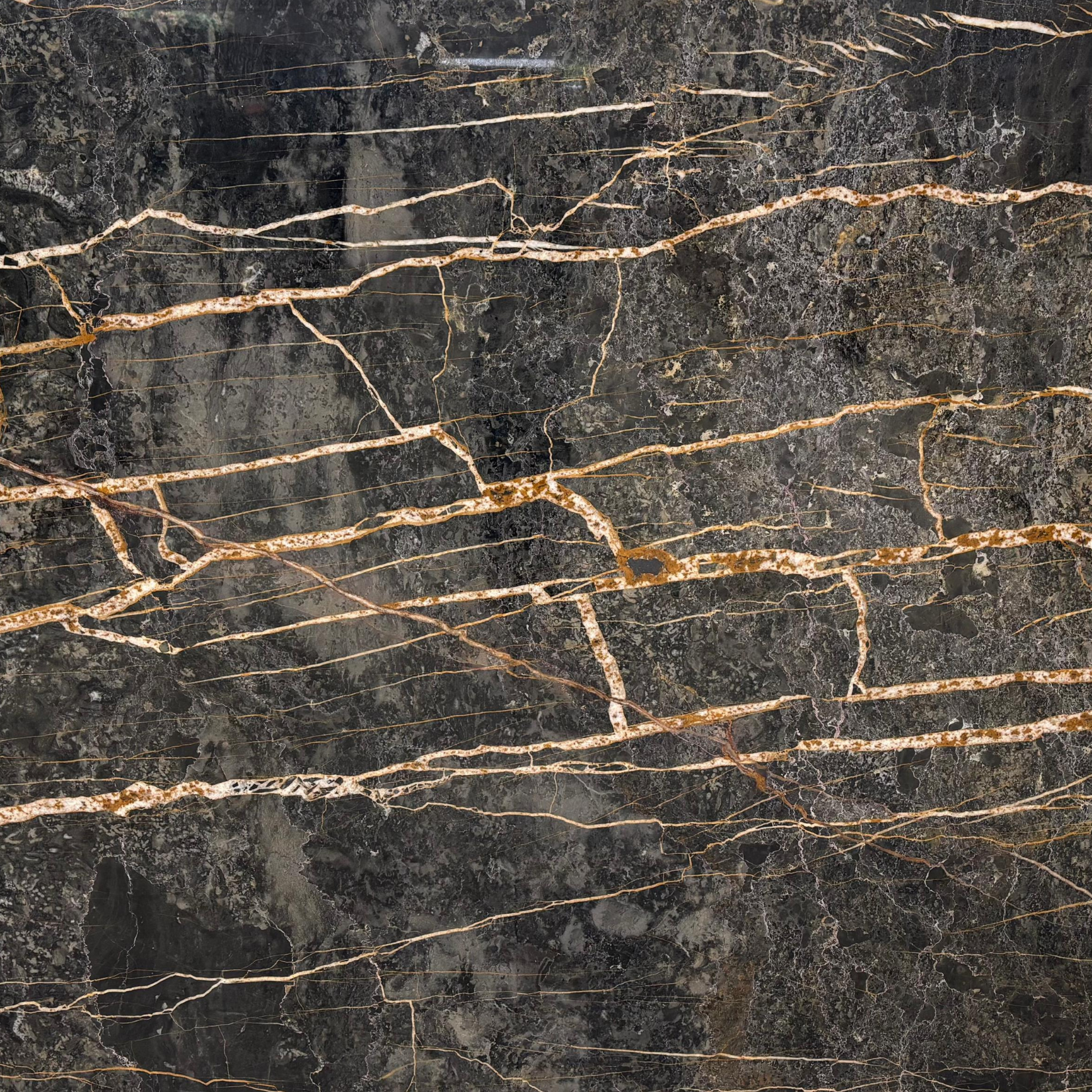
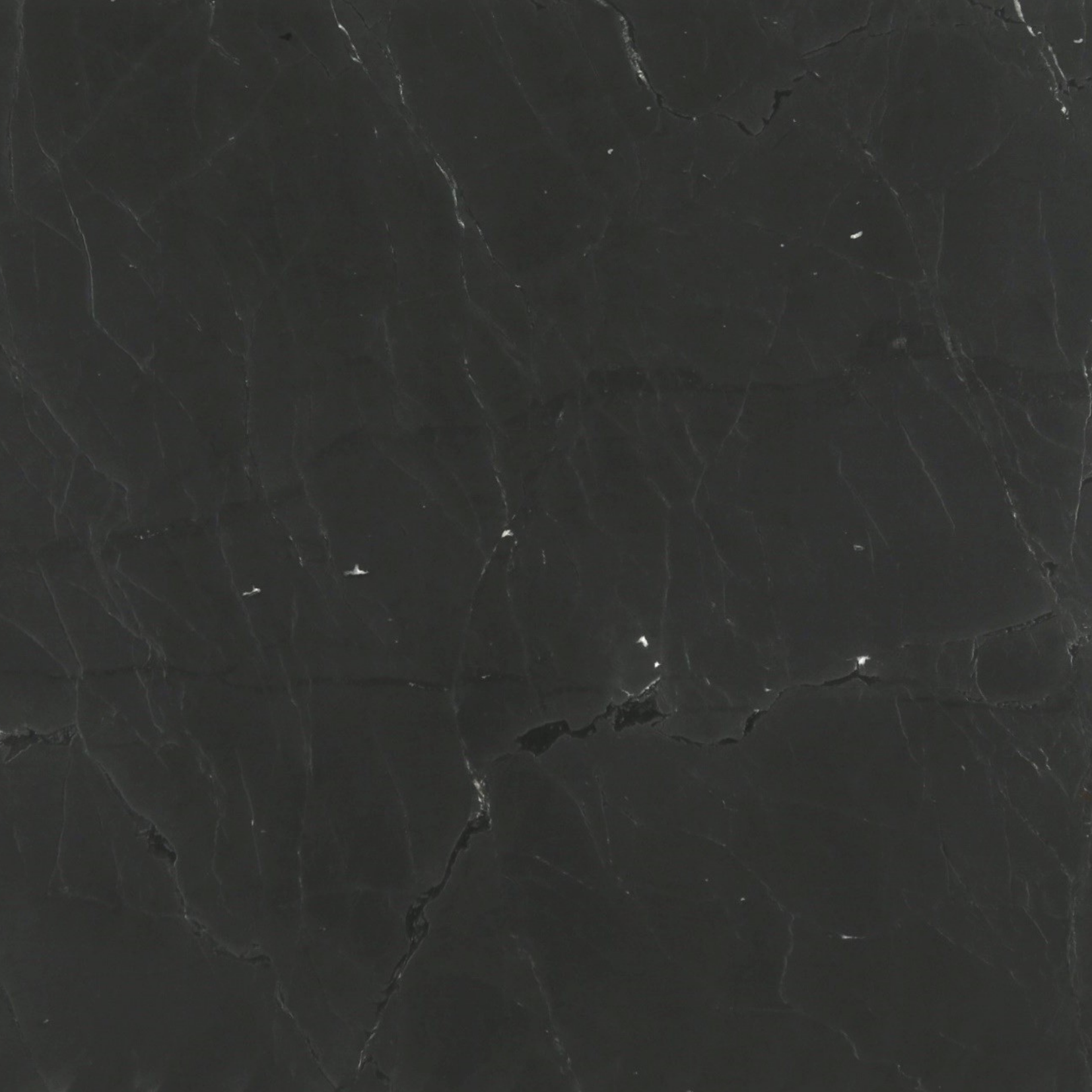
A bathroom featuring Decolores’ Nero Marquina marble conveyed intensity and refinement with its deep black base enhanced by bold white veining.
Applied on floors and walls, it delivered sophisticated contrast, working beautifully with dark or golden metals. This pattern is perfect for projects seeking a dramatic look without sacrificing classic elegance.
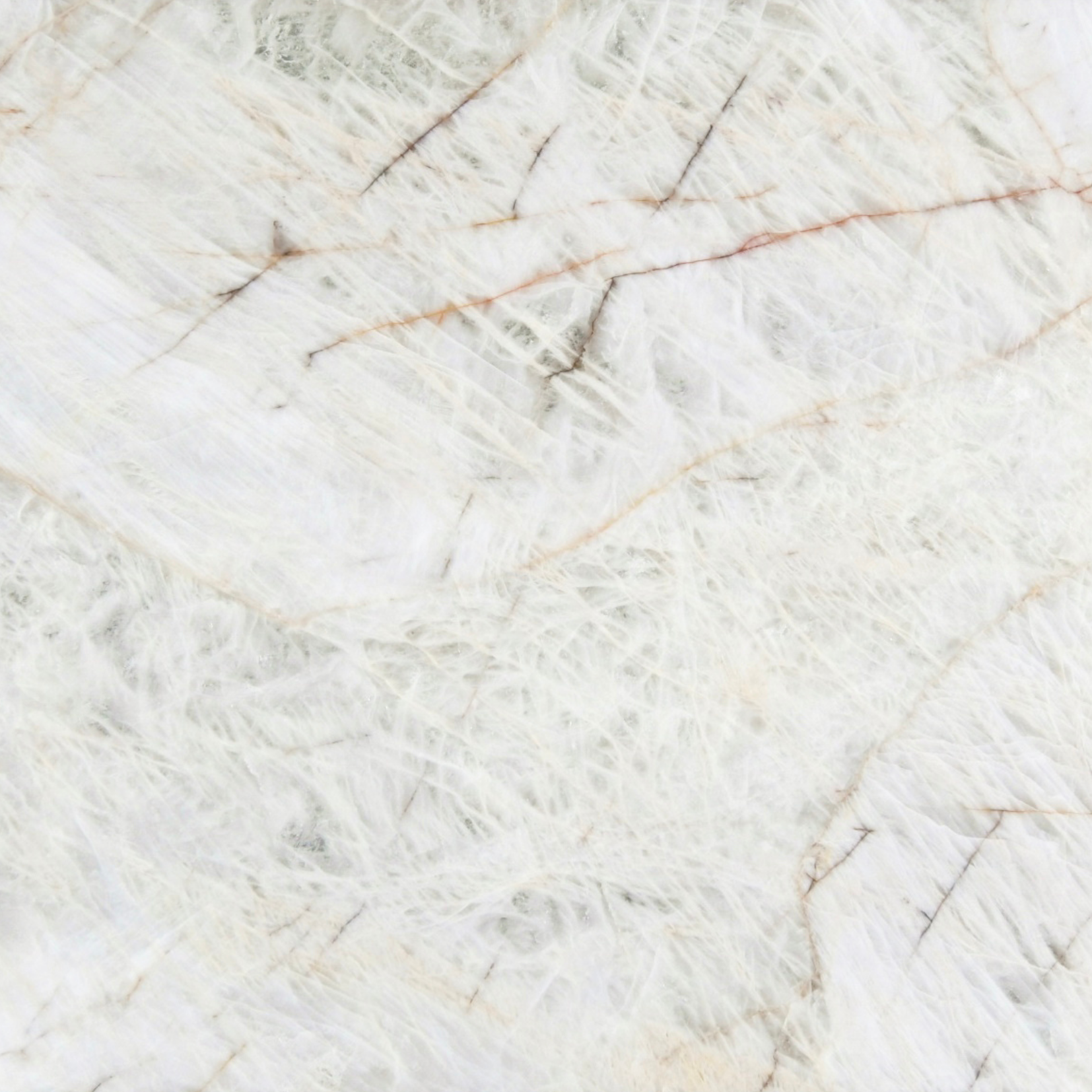
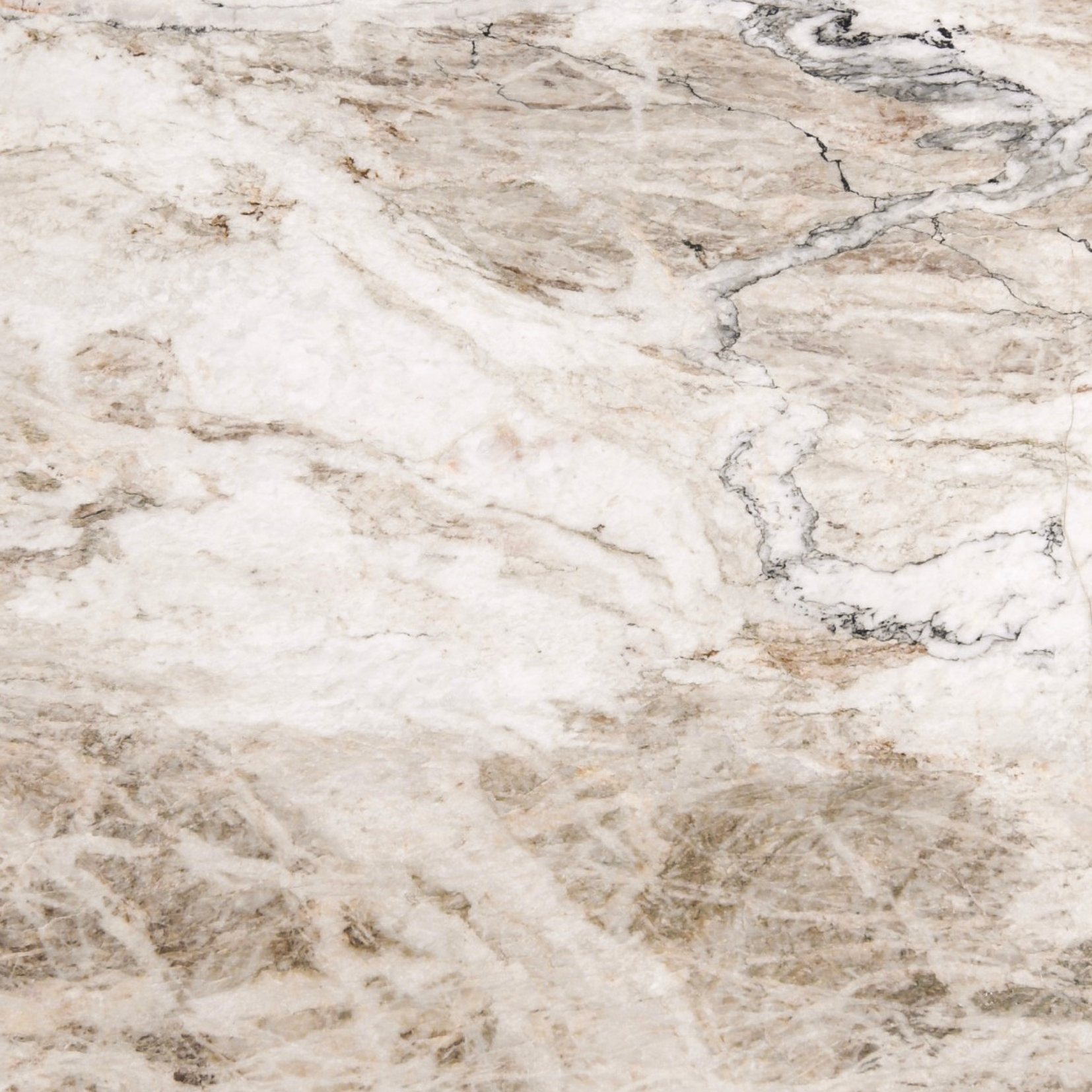
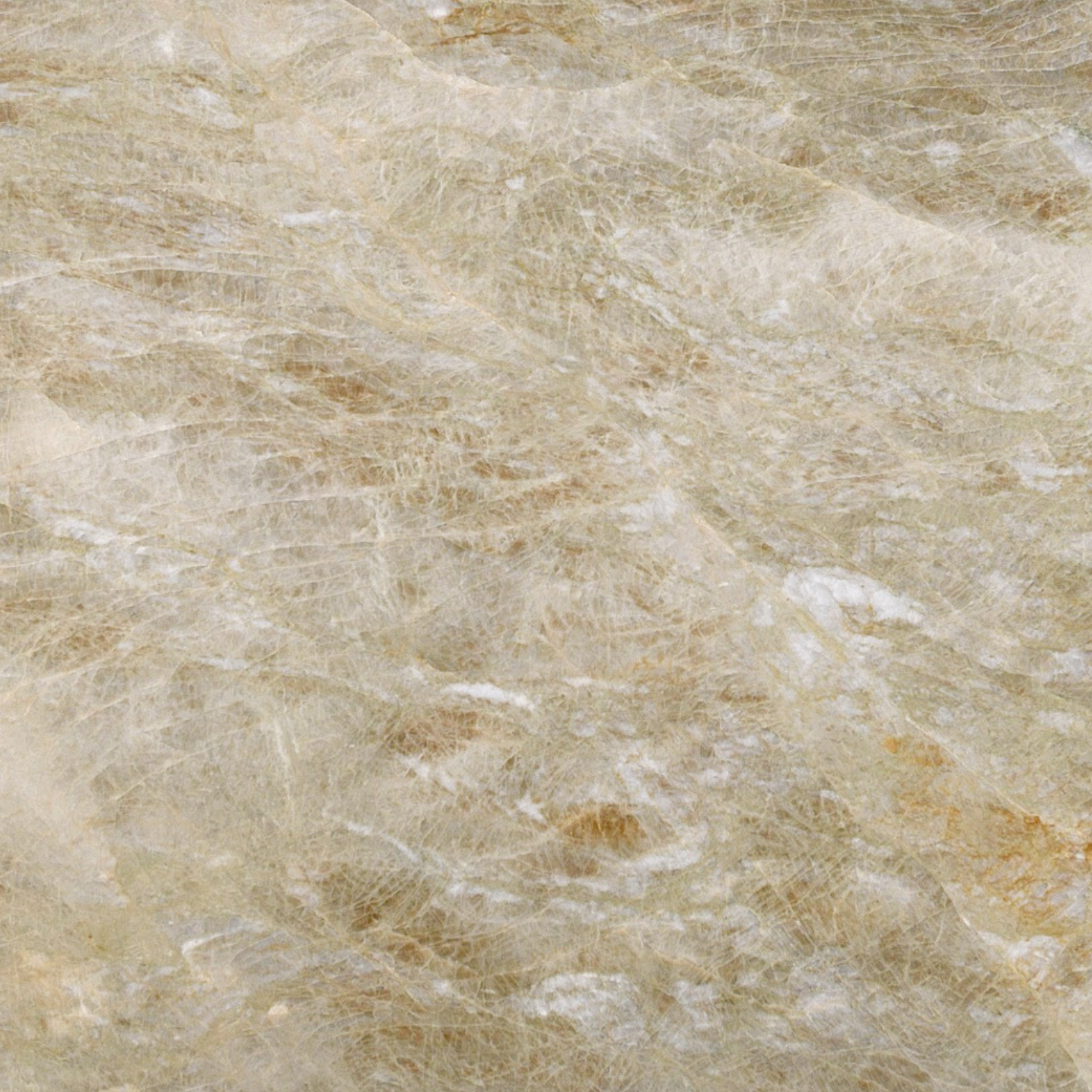
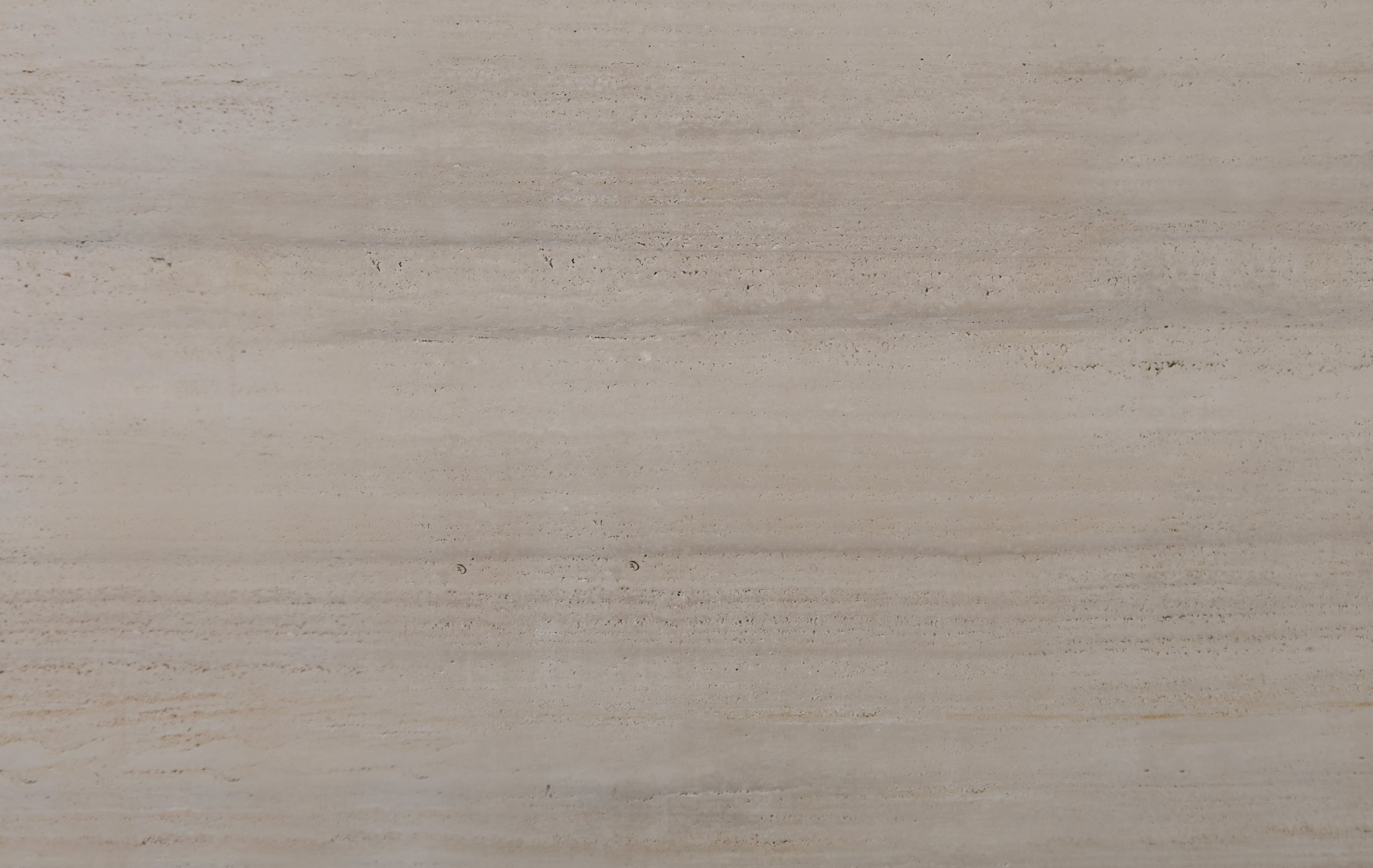
Crema Marfil Marble
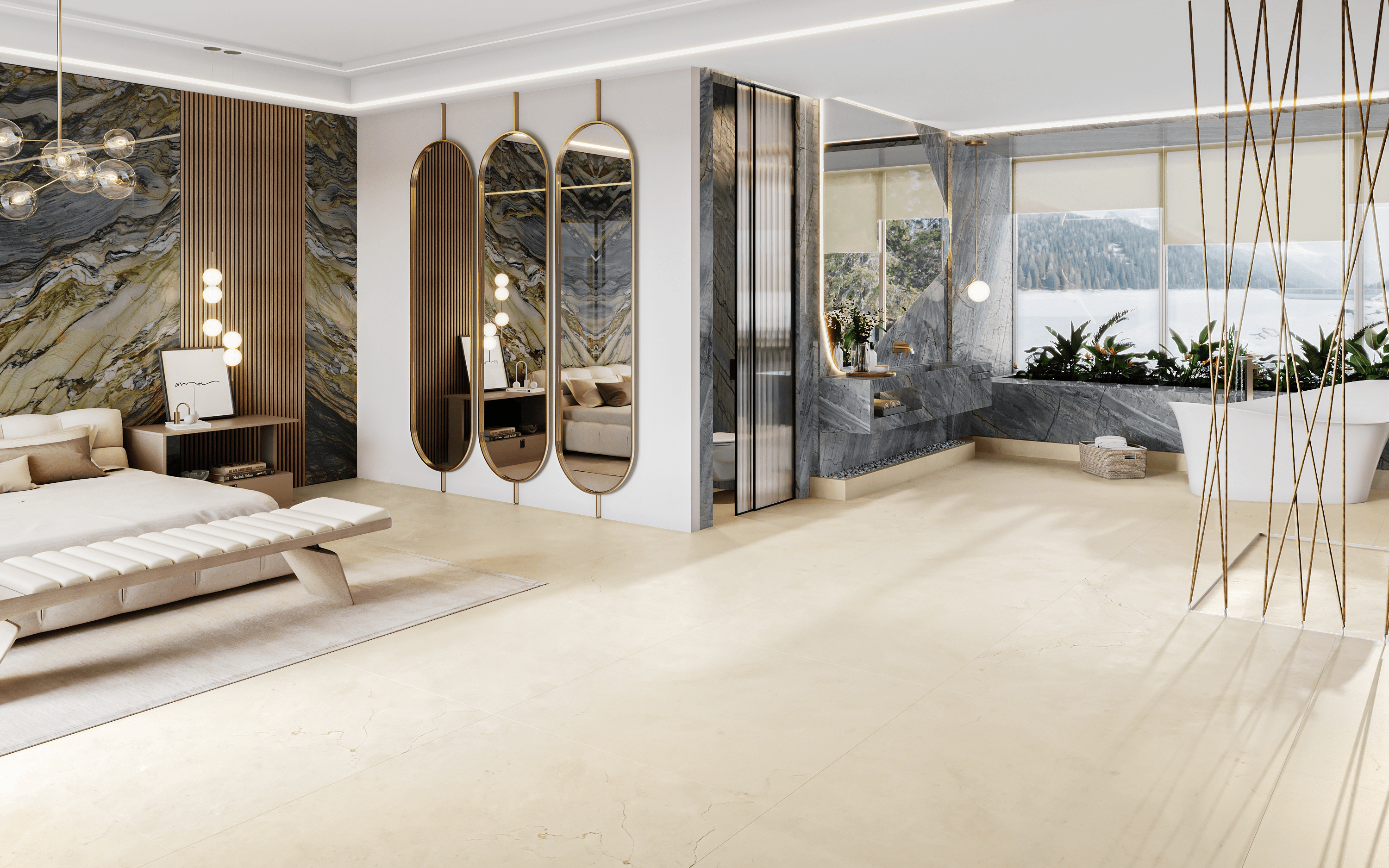
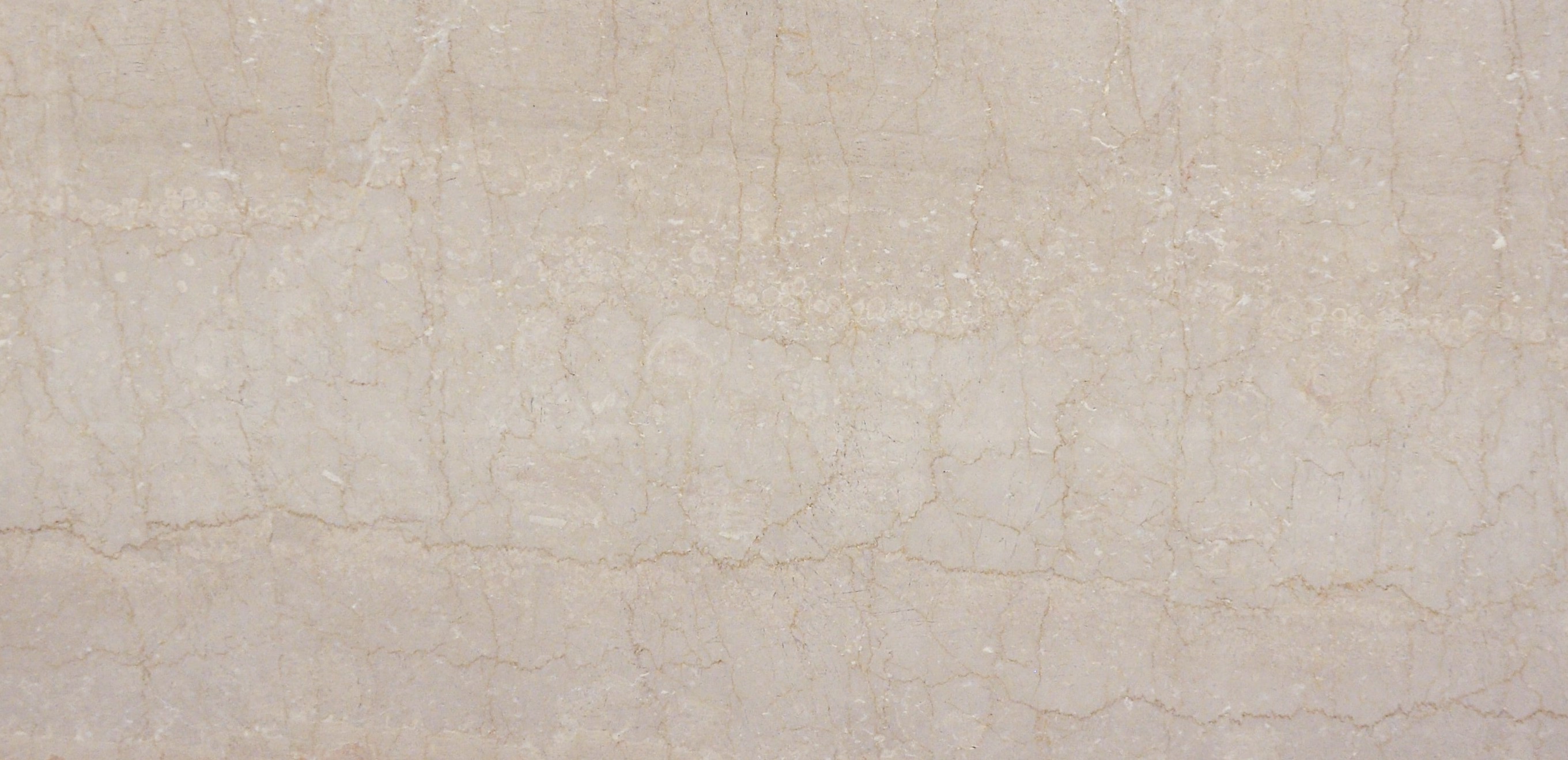
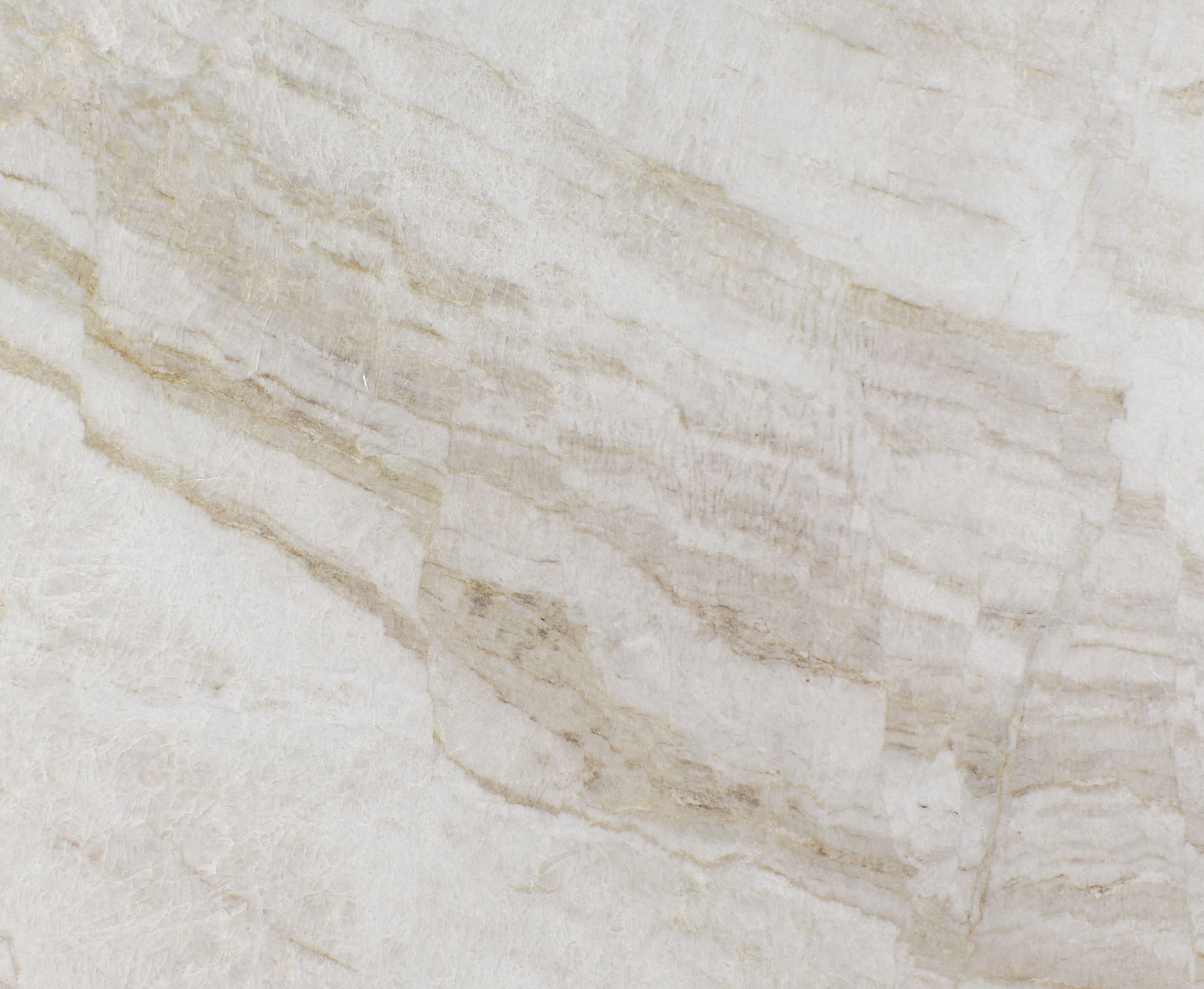
Using Crema Marfil flooring, this bedroom achieved a warm and soothing atmosphere. The beige tone with subtle veining brought serenity and lightness. Ideal for intimate spaces or settings that demand a cozy feel, Crema Marfil pairs well with light wood or pastel tones that enhance its inviting style.
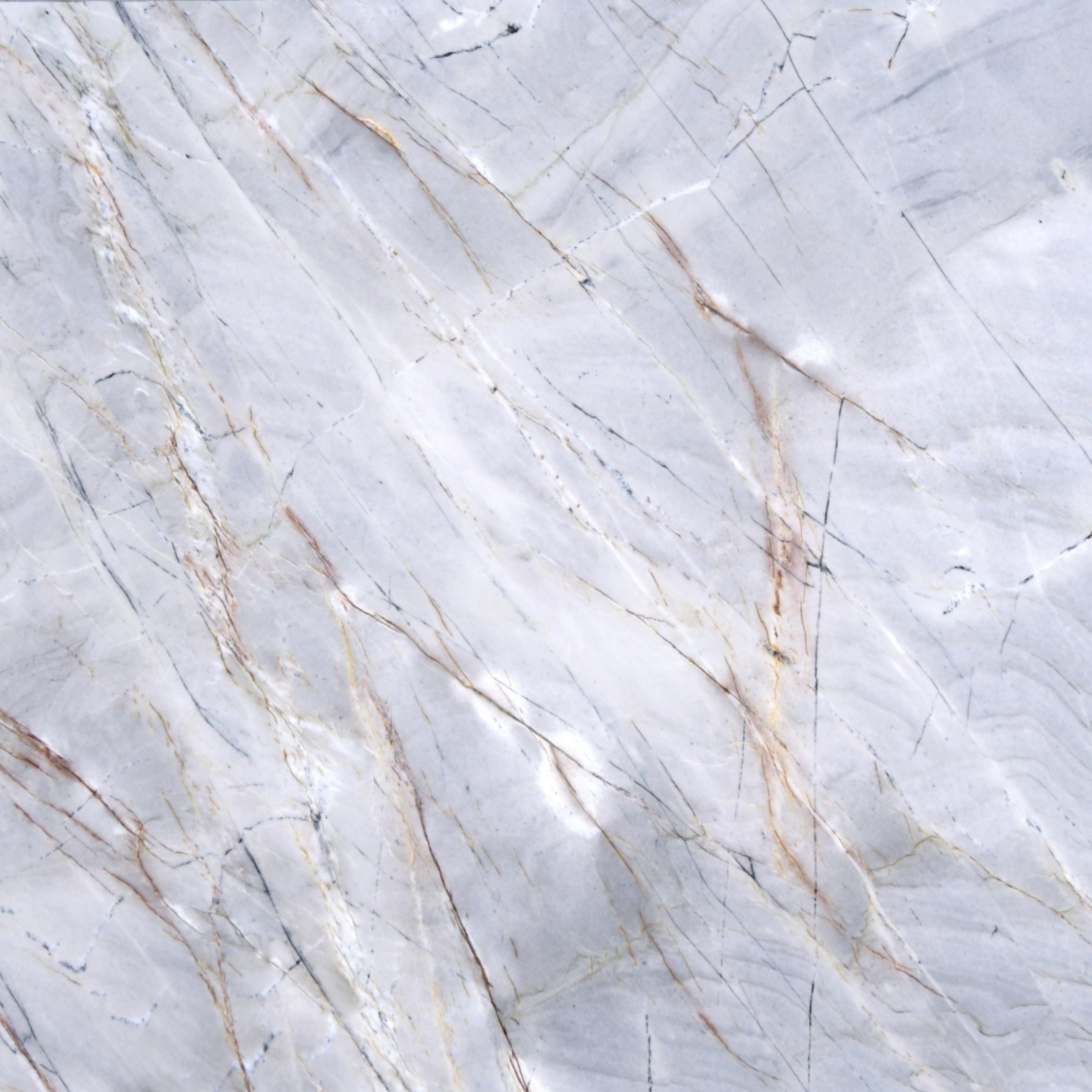
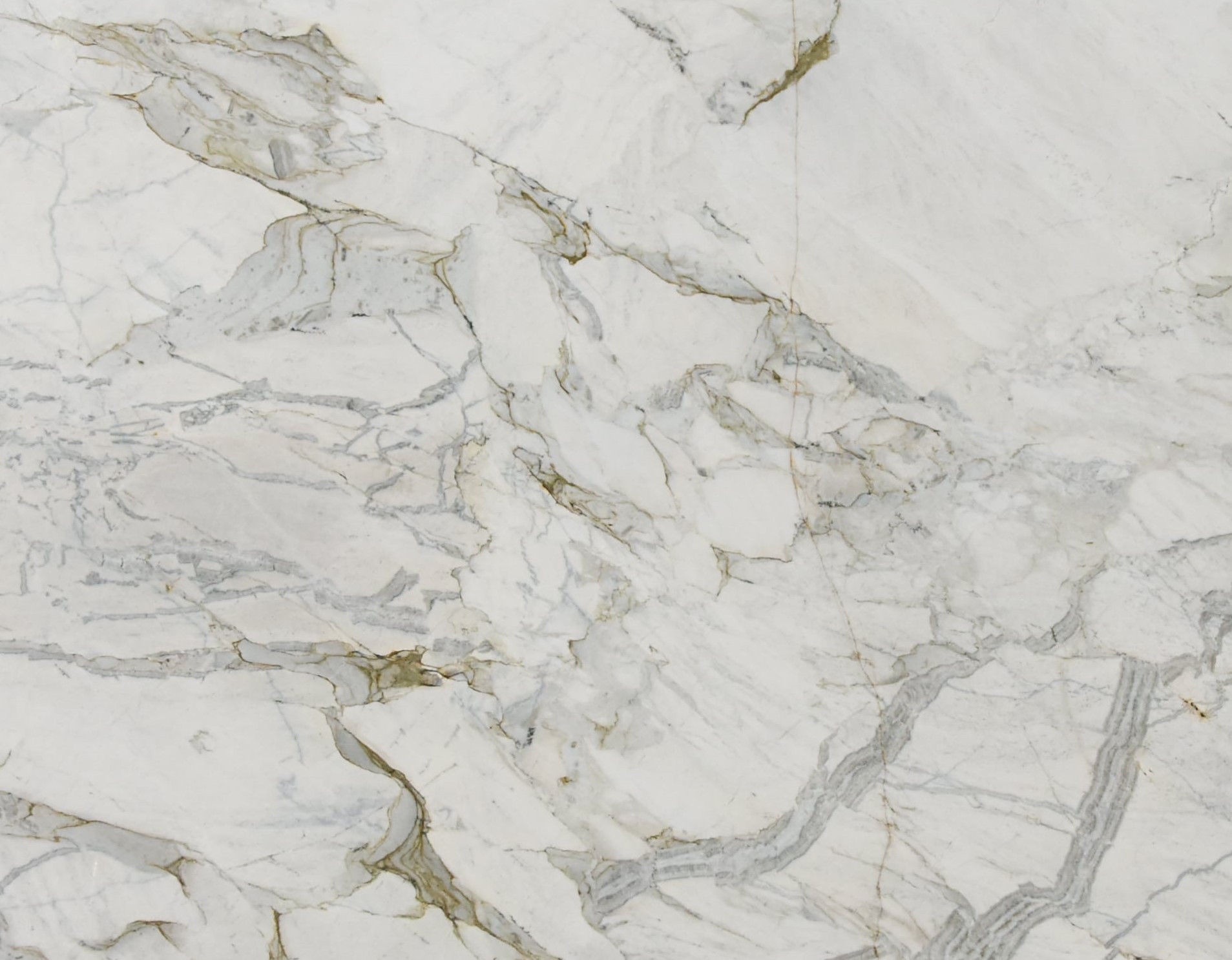
Italian Calacatta Marble
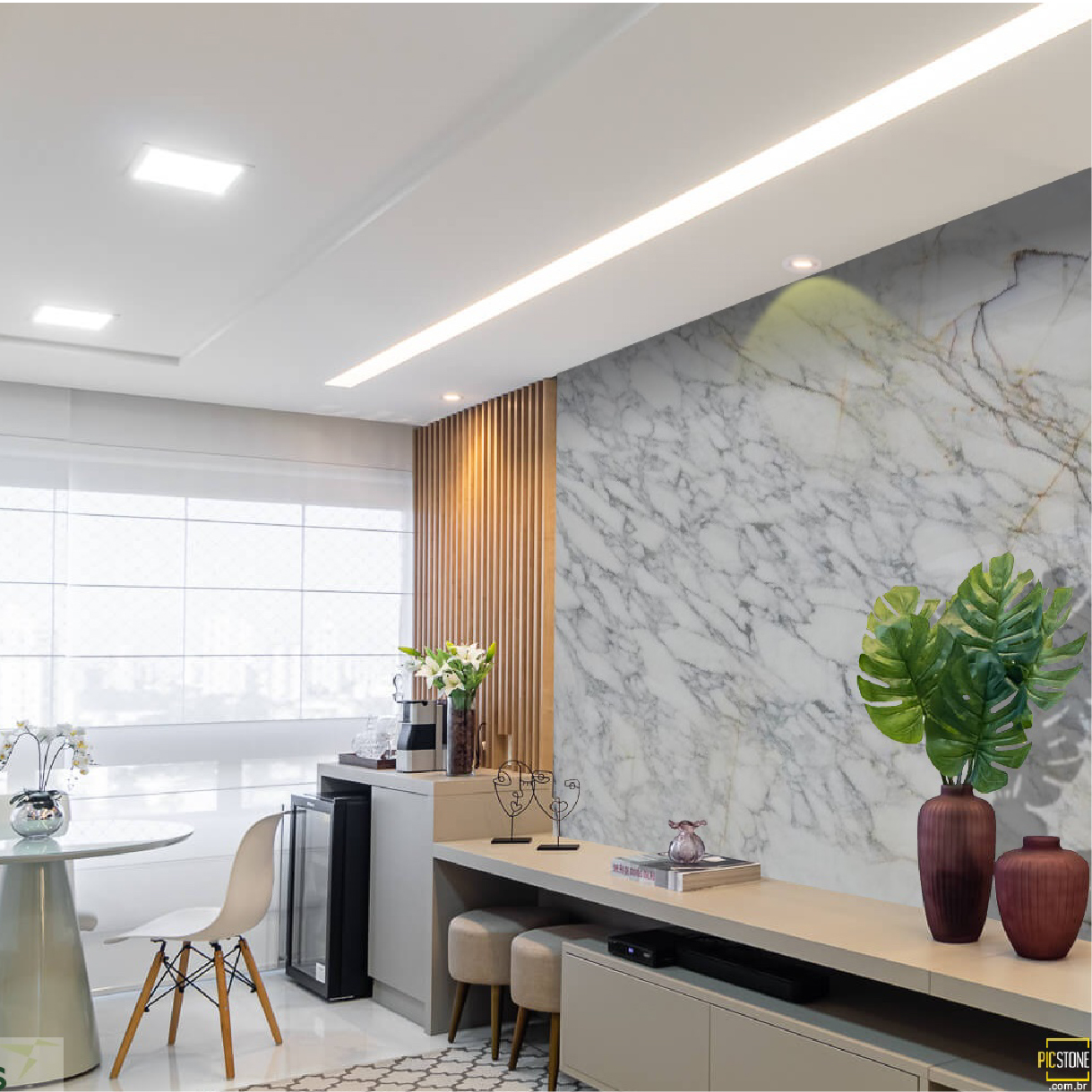
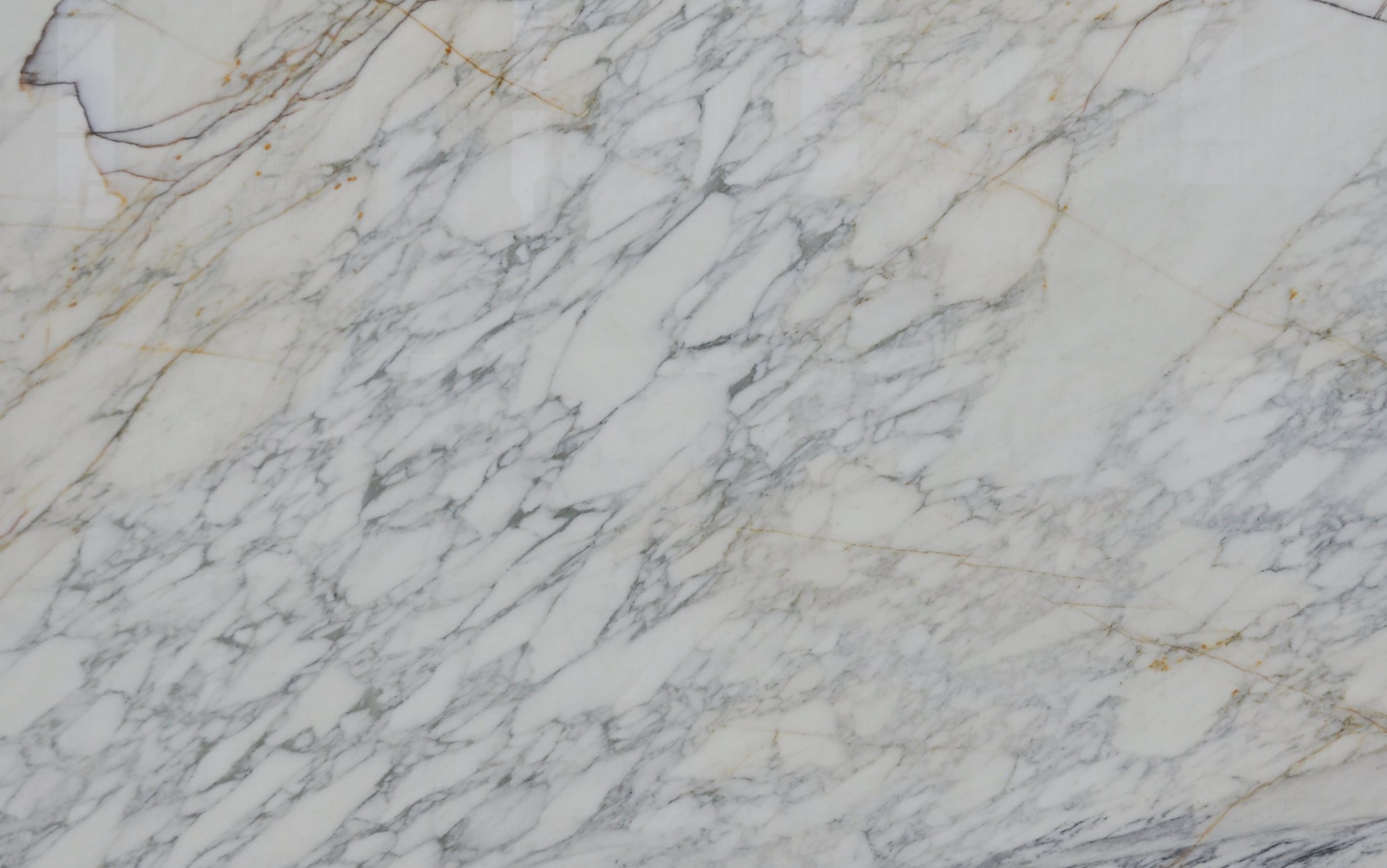
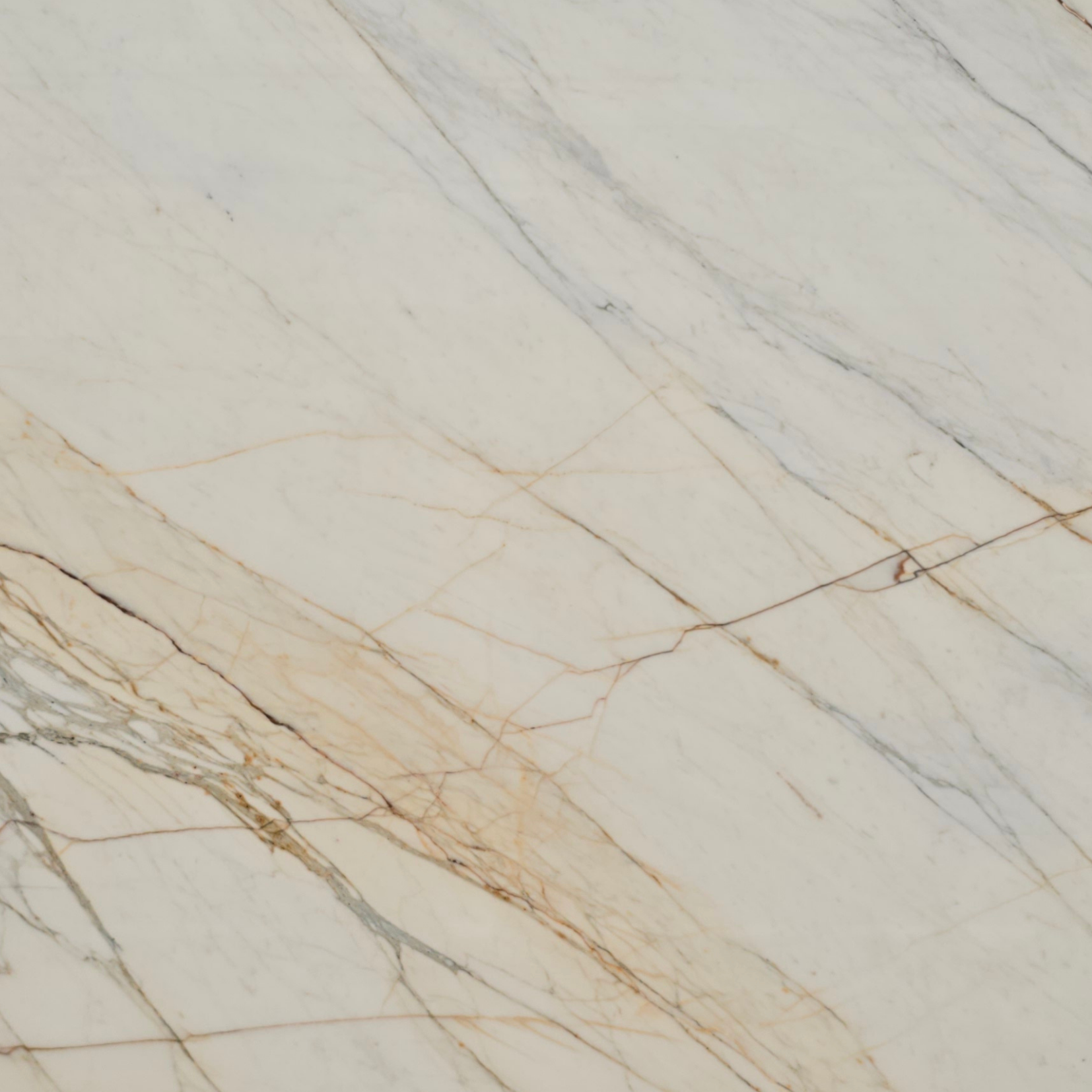
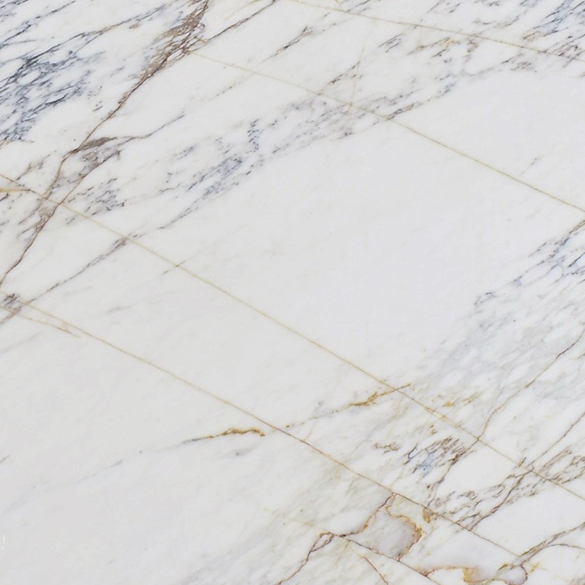
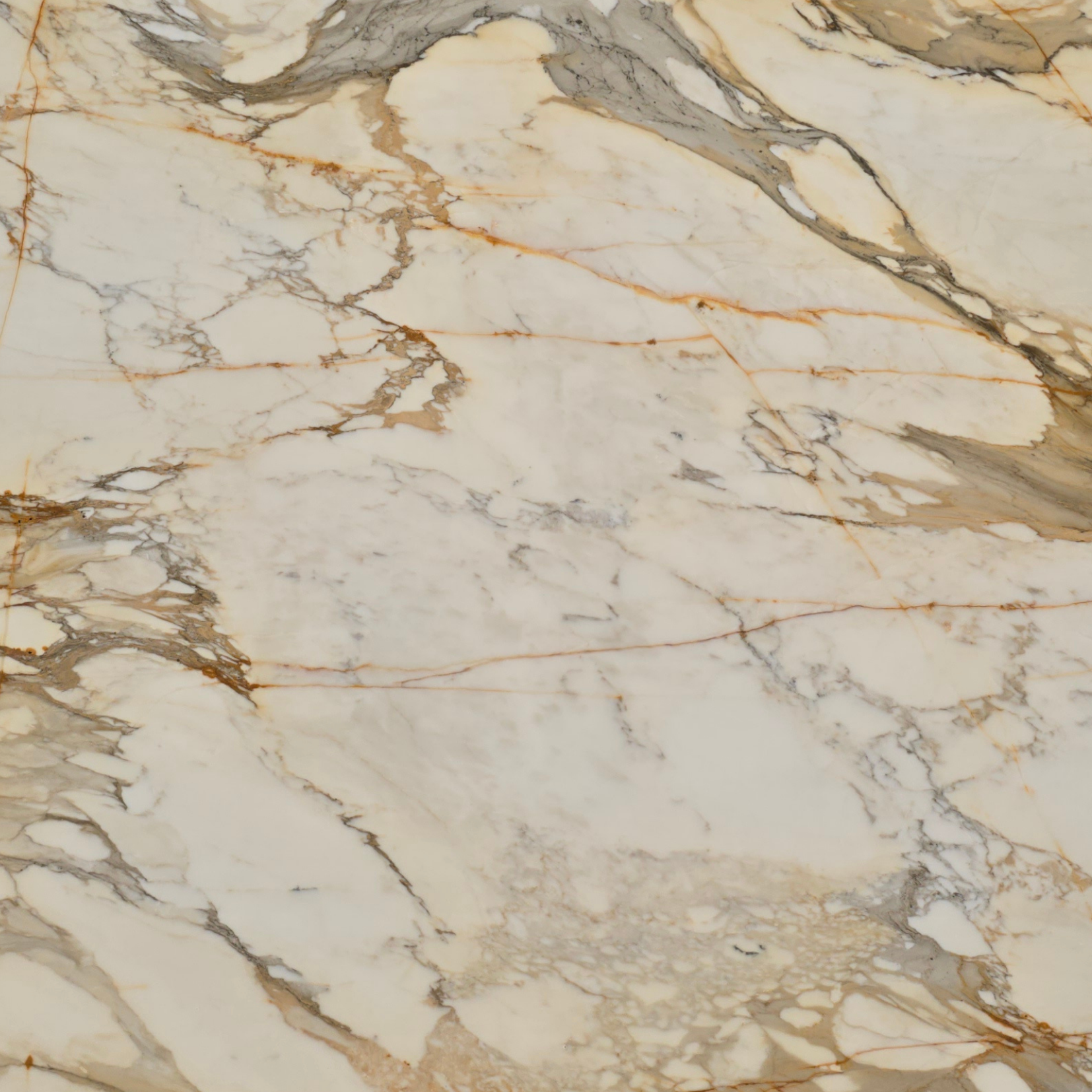
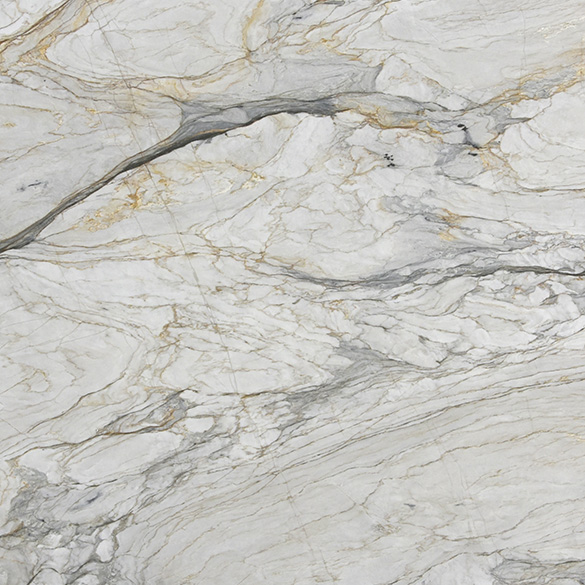
In a kitchen with an Italian Calacatta backsplash, the gray veining over a light background with golden accents created a classic and refined look. This Decolores pattern is perfect for adding spaciousness to interiors and works beautifully for countertops, islands, or panels. Pairing with white cabinetry further enhances the space.
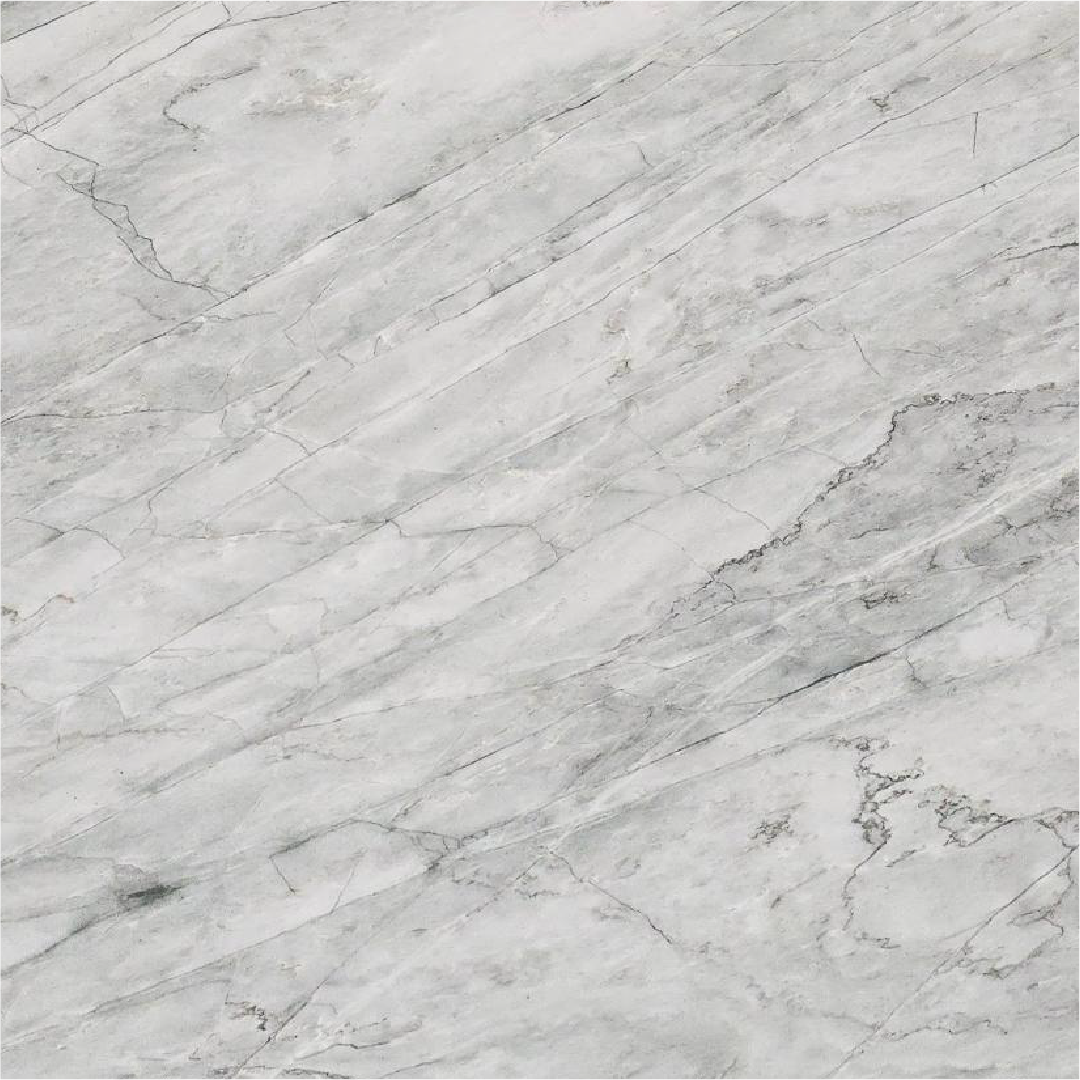
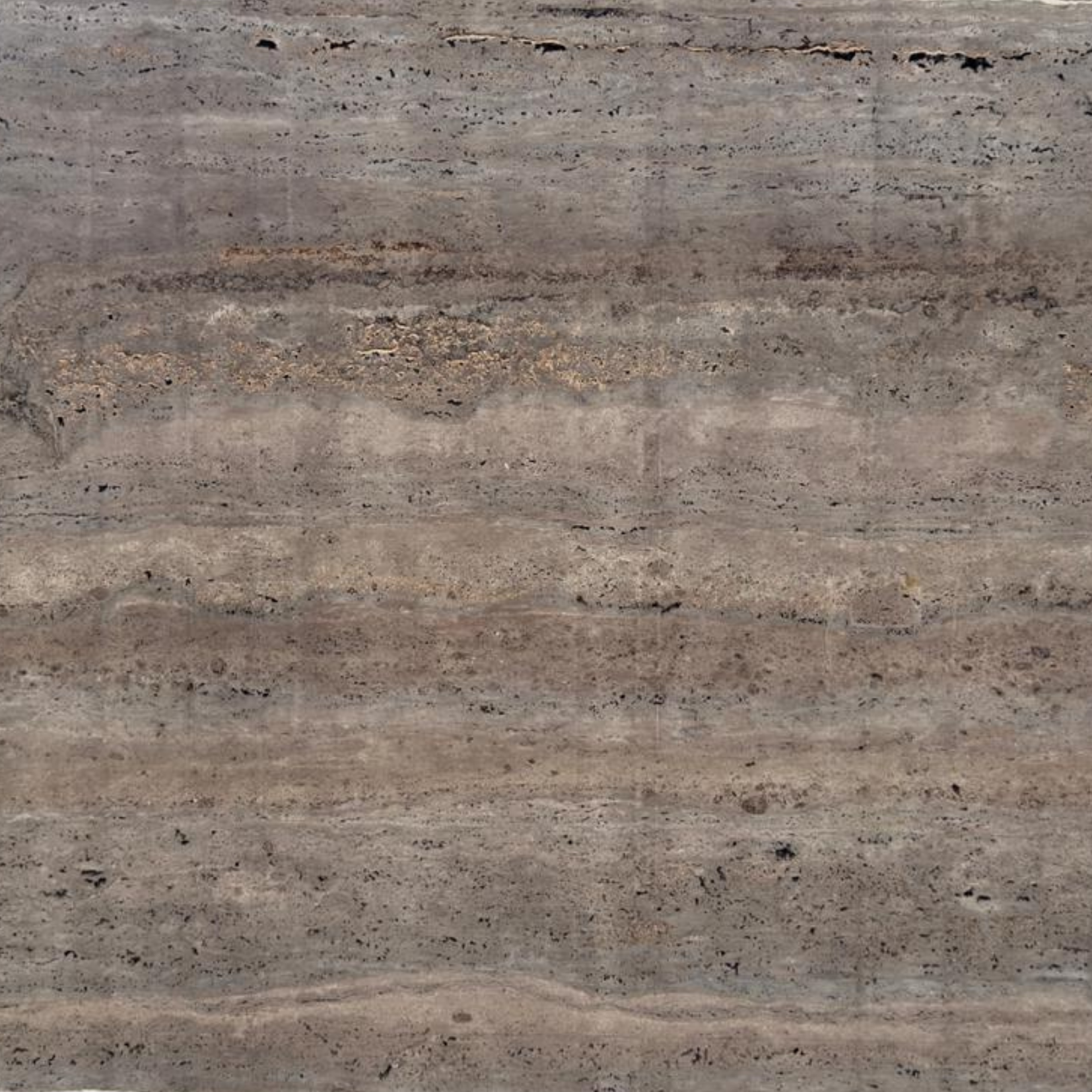
Grigio Collemandina Marble
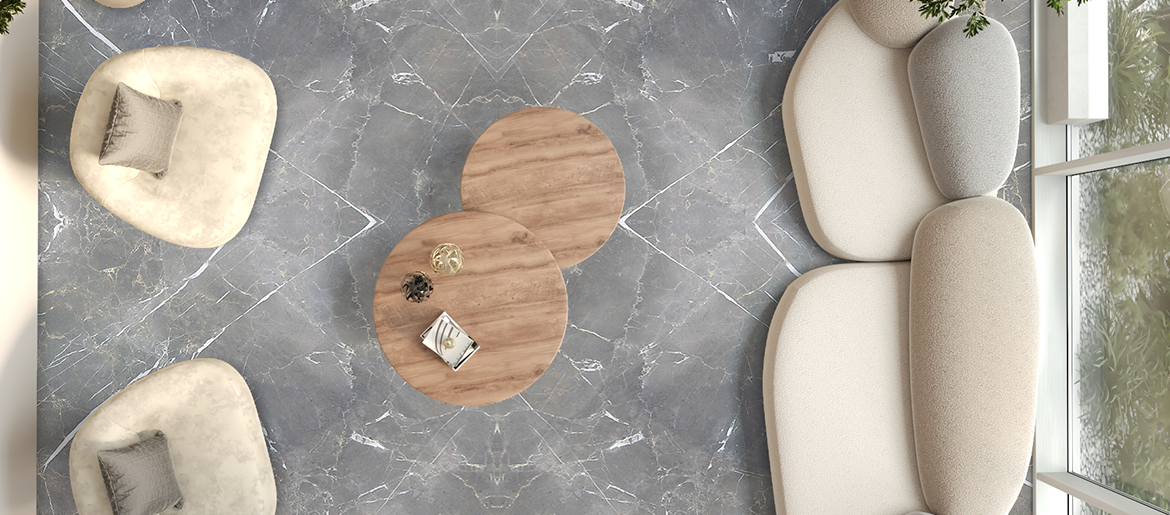
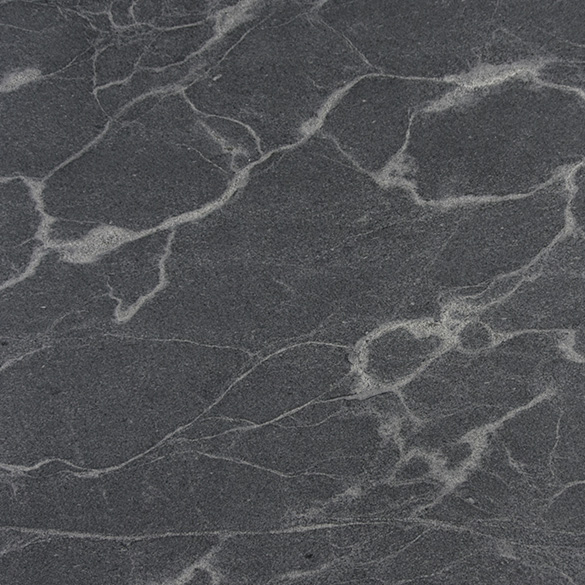
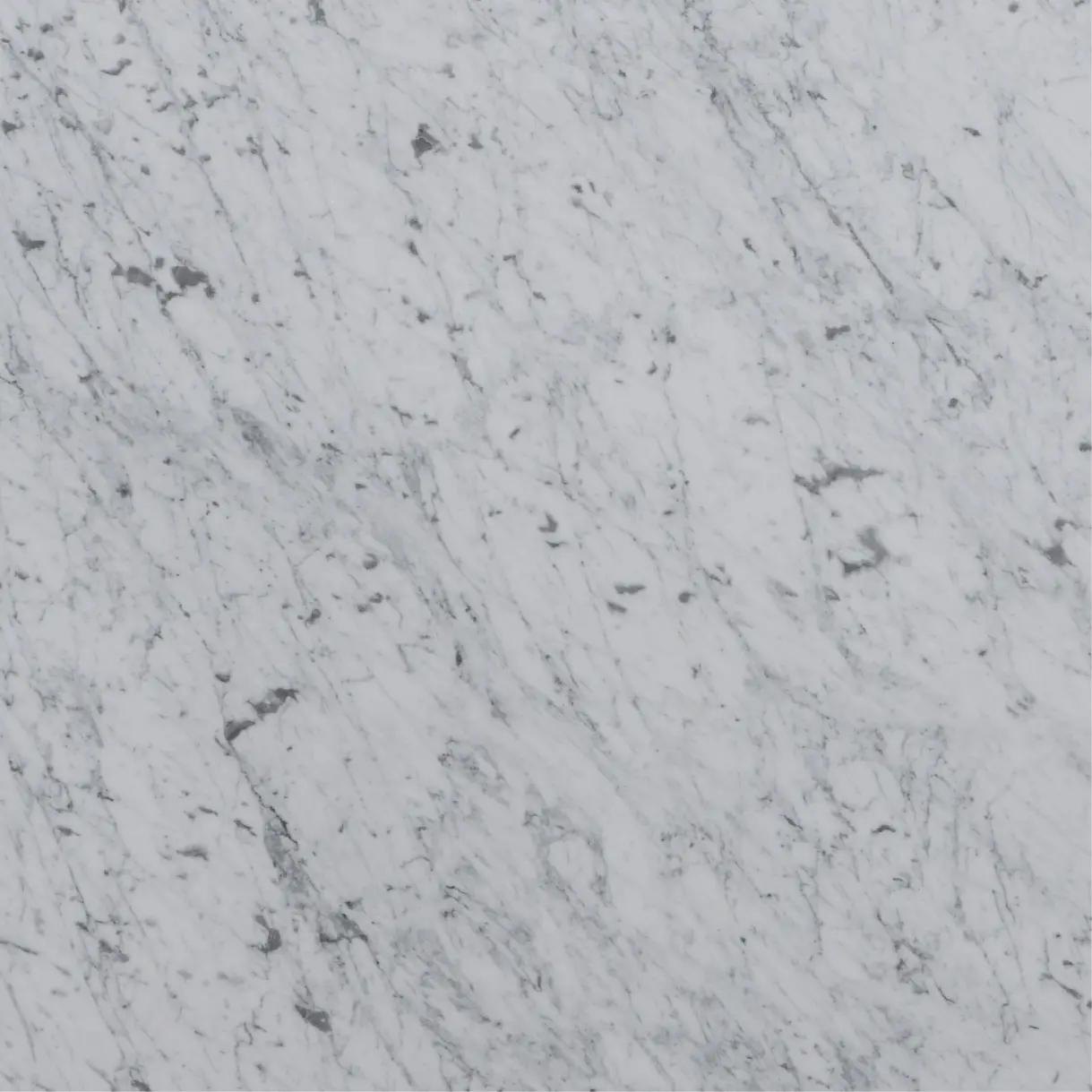
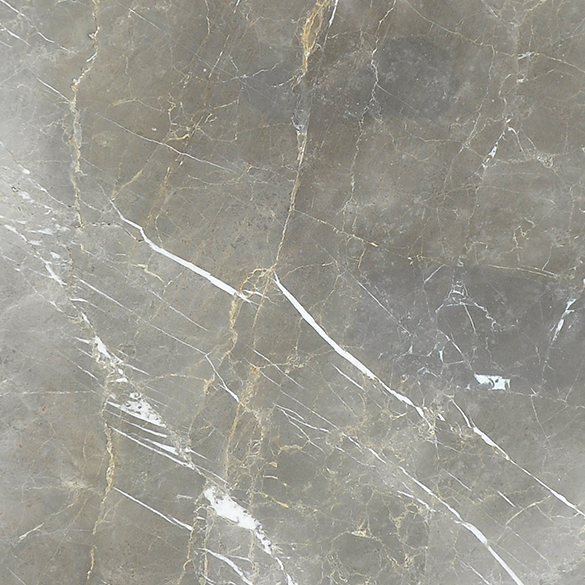
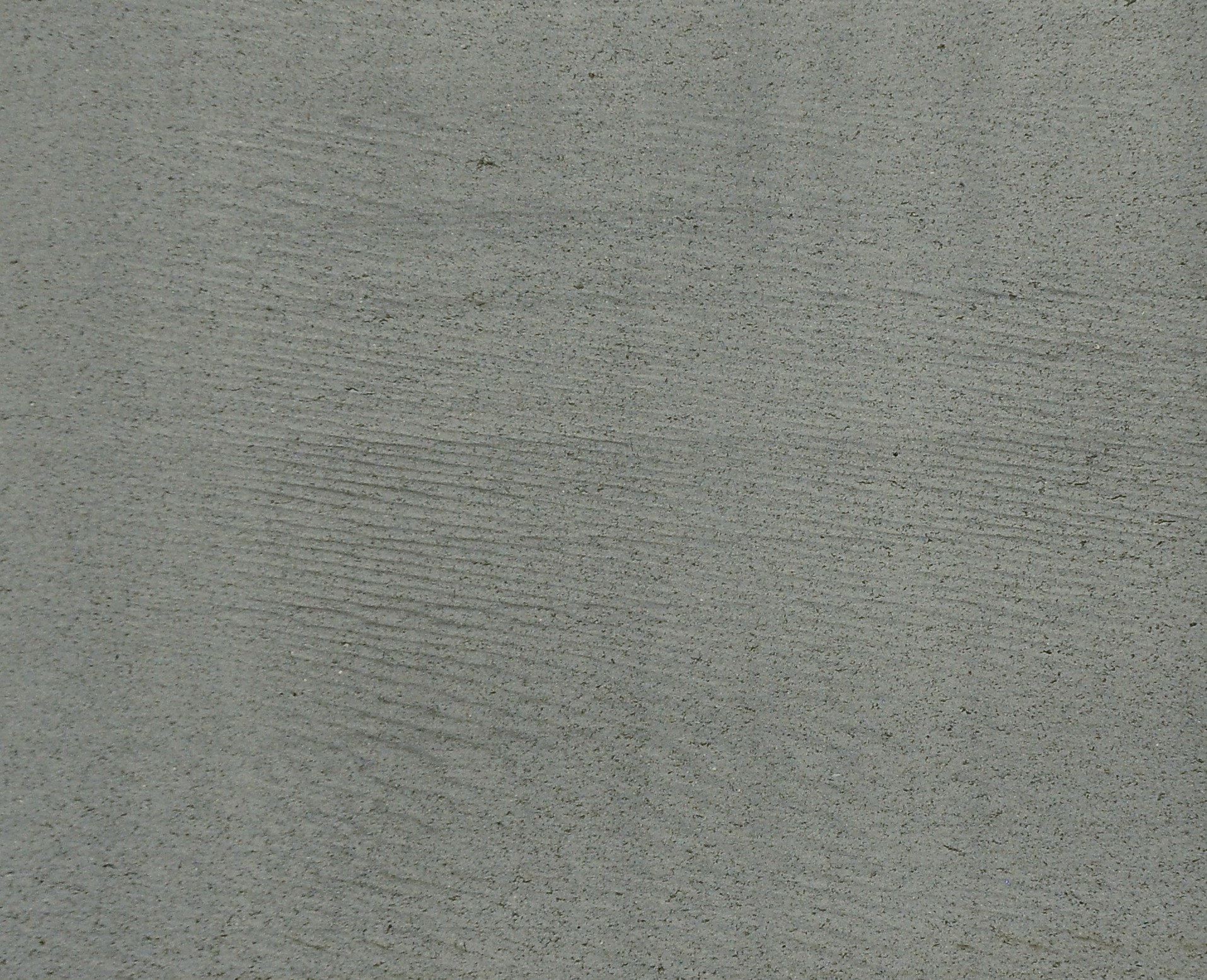
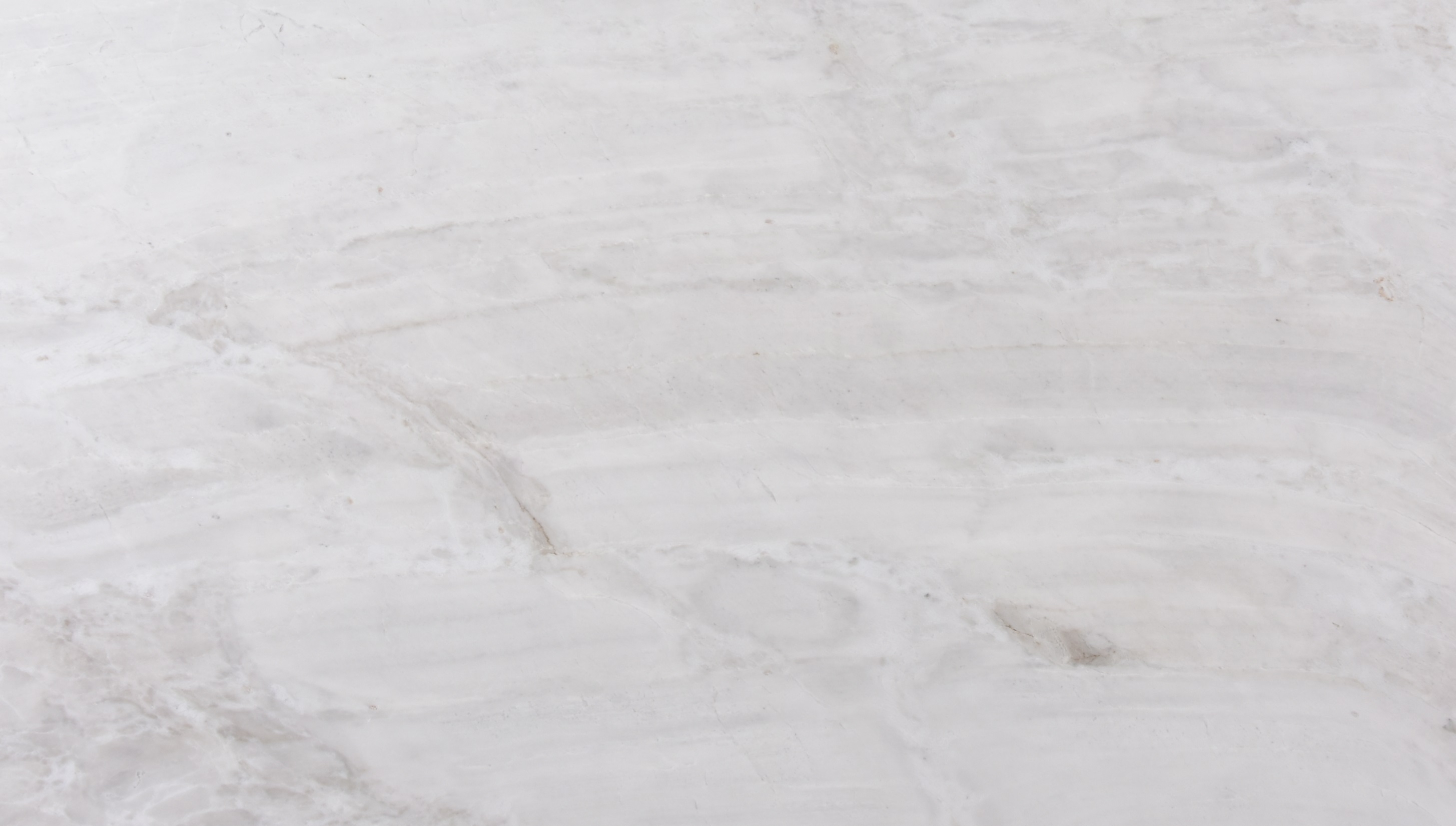
Decolores’ Grigio Collemandina marble, used for the living room flooring, provided a neutral and sophisticated base for contemporary décor. Its gray pattern with discreet veining pairs well with earthy tones, minimalist furniture, or metallic finishes—ideal for balanced environments with soft light reflection.
How to Choose the Right Marble
Choosing the ideal marble depends on the style, function, and visual intent of your project. Here are some tips for creating marble interiors:
- For dramatic impact: Rosso Levanto and Nero Marquina are perfect, working well in powder rooms, statement living spaces, or bar countertops. Combine with dark furniture, accent lighting, and metallic finishes.
- For serene, welcoming spaces: Crema Marfil offers refined neutrality. Use with light wood, natural fabrics, and brushed metals.
- For connecting large open areas: Van Gogh and Botticino excel as continuous flooring, creating a sense of movement and flow, perfect for integrated layouts.
- For classic kitchens: Italian Calacatta brings sophistication with subtle detail. Pair with neutral or pastel cabinetry and light gold or bronze fixtures.
When selecting marble for outdoor or wet areas, it’s important to choose brushed or honed finishes, which are slip-resistant.
Also, consider mixing materials: natural wood enhances warmth, metals elevate elegance, and glass increases the sense of openness. Small decorative elements in contrasting colors, like a yellow cushion or a green vase, can highlight the stone or create a focal point.
If you’d like to explore all Decolores stones, we invite you to discover our complete marble collection and find the pattern that best matches your project. Find the next highlight for your interiors!
Related contents
Quartzite: why choose this type of stone?
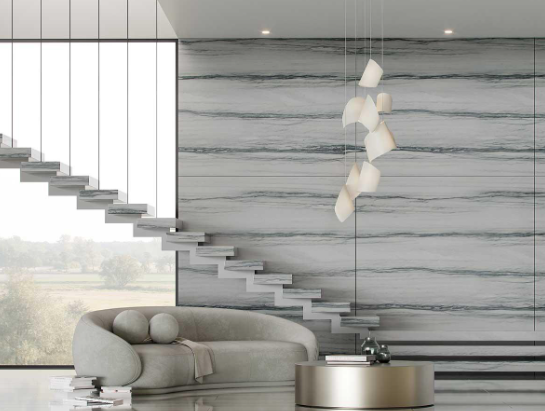
Having fluid and organic shapes, as well as a myriad of color options and resistance, this stone has become a favorite among interior designers. This living room has received an elegant and cozy essence with the use of Decolores Perla Grey quartzite. For this reason, interior design has increasingly focused on biophilia as a key point for trends germinating for the future of interior design. Thus, natural materials are essential to the idea that human beings in all their plurality have the innate propensity to seek connections with nature. On the other hand, when it is time to build or renovate, issues such as functionality, comfort, cost-effectiveness and the such make a huge difference in the final decision of any design. That’s why natural stone has become a favorite in the segment, as they are highly resistant and versatile, as is the case of quartzite. Having an organic lightness that overflows from their shapes, this kind of stone is considered a gem that has been polished over thousands of years, most of them by the rich geography of Bahia. However, it ends up been mistaken with other species, especially marble, despite having distinct and unique characteristics that tell them apart. Aesthetically, marble is what comes closer to quartzite mainly because both have surfaces marked by veins. However, quartzite presents a milkier appearance (not sure if this is the best term) and more delicate veins, as well as more resistance and durability. Decolores, a company that in little over 20 years has stood out in the stone trade sector for being a benchmark for quartzite processing, presents bellow the main advantages that make the stone the best choice for your design. Check it out! RESISTANCE AND DURABILITY According to studies, quartzite is the most resistant and durable natural stone used for cladding. It loses only to stones such as topaz, ruby, sapphire and diamonds; it is a seven in the Mohs scale of hardness. For this reason, it adapts so well to high temperatures being very recommended for sink countertops and even to clad the outside of barbecue grills. COLOR PALETTE Having an exuberant beauty and a diverse and vibrant color palette, quartzite is suitable for different interior design proposals. CLEANING One of the most frequently asked questions is how to clean natural stones, generally used in kitchen countertops or tables. Quartzite also stands out in this aspect, as it does not absorb liquids and only needs soap and water to be cleaned, making the task easier. WATERPROOF As it receives a water-repellent treatment during processing, quartzite is basically waterproof, thus making it much more resistant to stains and the like. This makes it the perfect material for spaces such as bathrooms, laundries and other wet areas. ABOUT DECOLORES In a little over 20 years Decolores grew as a business that carries innovation, technology, care and contemporaneity in its DNA, being responsible for bringing a more poetic and plural look to the power of natural stones in architecture and interior design. The company, among other things, became known in the business for being a reference point in quartzite processing, a more resistant stone which ended up bringing innovation to the sector thanks to its large diversity of colors and patterns. Due to its modern and cutting edge processing the company is considered a pioneer in quartzite processing both in Brazil and in the world. Its industrial park is located in a 74 thousand sqm area in the city of Cachoeiro de Itapemirim, in Espírito Santo and has a branch in the municipality of Serra in the same state. The company is considered one of the largest natural stone processing zones in the country. Decolores www.decolores.com.br @decoloresoficial PRESS CONTACT Denise Delalamo Comunicação Customer Service: Ana Sant’Anna Contact: (11) 98536-7627 E-mail: [email protected] Customer Service: Gabriela Bardusco E-mail: [email protected]
Colors of Brazil: Check out Decolores' releases and interior design news
Learn more about our latest initiatives, get to know the brand, and see the trends for the segment. Here at Decolores, 2024 is already full of great news and plenty of inspiration in interior design trends. We remain committed to our mission of offering beautiful, exclusive, and high-quality natural stones, and we have launched new options early in the year. Below, you will learn more about our brand, the latest releases, and the main innovations in the segment. Stay tuned! Discover more about Decolores Are you familiar with our history? We have over two decades of existence, founded on August 17, 2000. Since then, we have been specialists in the production and commercialization of ornamental natural stones, working with total transparency, environmental and social responsibility, and maintaining good relationships with our customers. We aim to meet the latest market trends and demands, constantly expanding our catalog, always offering the same quality and exclusivity in all products. One of our differentials is technology and innovation, which make us the most reliable option in the segment. Our industrial park is equipped with the latest equipment for cutting and finishing stones. All of this helps us fulfill our mission of providing ornamental stones with total quality and excellence at every stage, from extraction to customer service. Colors of Brazil: Discover the latest additions to our collection This year, we introduced two new additions to the special Colors of Brazil collection, which celebrates the best of the rocks found here in Brazil and bring the unique essence and irreverence that Brazil exudes. Check them out: Bronzite A quartzite that originates from geological processes over 2 billion years ago, composed of numerous layers of iron minerals and quartz. This generates its characteristic reddish tone, vibrant, with an unmistakable brightness. It has very high resistance, making it an option for various types of projects, including floors, walls, interiors, countertops, and much more. In any use, it adds elegance and personality to the space. Sodalite An extremely rare and noble formation formed 700 million years ago from the cooling of magma that emerged from the Earth's interior. Its vibrant blue tone, with white veins and gray-greenish streaks, makes this rock a true spectacle. The intense color creates a unique and bold atmosphere in environments, creating incredible combinations both as the protagonist and as a supporting element in projects. Mont Blanc Found in the Chapada Diamantina, in the heart of Bahia, it is the result of the action of winds and waters, shaping the dunes and carrying sand into the lakes, which, over the years, were gradually buried. Its authentic forms, in light tones reminiscent of marble, combine lightness and sophistication. Da Vinci The history of this rock began over 3 billion years ago, with the formation of a basin that received and accumulated river sediments. Over millennia, the present minerals oxidized, generating elements such as fuchsite, which contributes to Da Vinci's rare aspect. Its green tones carry a unique beauty, adding personality and elegance to environments. Natural stones are a trend this year They appear as some of the main bets in this period, being used in innovative ways, beyond the classic applications in floors and walls. Quartzite, granite and marble are the favorites, for their resistance and durability, combined with impeccable aesthetics. The connection and reminiscence of nature are some of the most valued aspects currently, and undoubtedly, these jewels fit into this trend with great sophistication and lightness. Moreover, maximalist design is also on the rise. Natural stones are great for this style, adding refinement and luxury.
Can natural stone be a sustainable alternative for interior design?
As a durable, timeless and reusable element, stone can become a more environmentally friendly part of architectural design. Did you know that due to their geological characteristics, natural stone can, among other things, be used in the construction industry itself, for decorating rooms, decorative pieces, mosaics and even for making jewelry? Thanks to their composition, rocks can also be used in the cosmetics, ceramics and fertilizer industries. With their long lifespan, natural stones have long proven to be a much more sustainable and viable option in the midst of a synthetic market. It's almost impossible to delve into the history of its formation in nature and not see that it deserves to continue to be surrounded by respect, care and responsibility. In interior design, specifically, its use is directly linked to the desire to connect in a more expansive way with the sensations of well-being that only what is natural can provide. Not to mention, of course, that it is an extremely durable, weather-resistant and easy-to-maintain material. Decolores, a company born in Espírito Santo that has become a benchmark in quartzite processing in Brazil and around the world, sees the intrinsic sustainability of stone as one of the pillars underpinning its institutional values. In this sense, one of the company's strong allies is innovation, where, with a commitment to generating well-being and prosperity for sustainable development and a fairer world, the company always researches and chooses solutions that allow the life cycle of the stone to be as long as possible, without wasting various resources. In addition to making the most of the potential lifespan of its products, Decolores has a Research and Development (R&D) department whose mission is to study the composition of stones, test, evaluate and provide this information internally and externally, in order to improve processes, disseminate knowledge and provide appropriate guidance on use, installation and maintenance.