


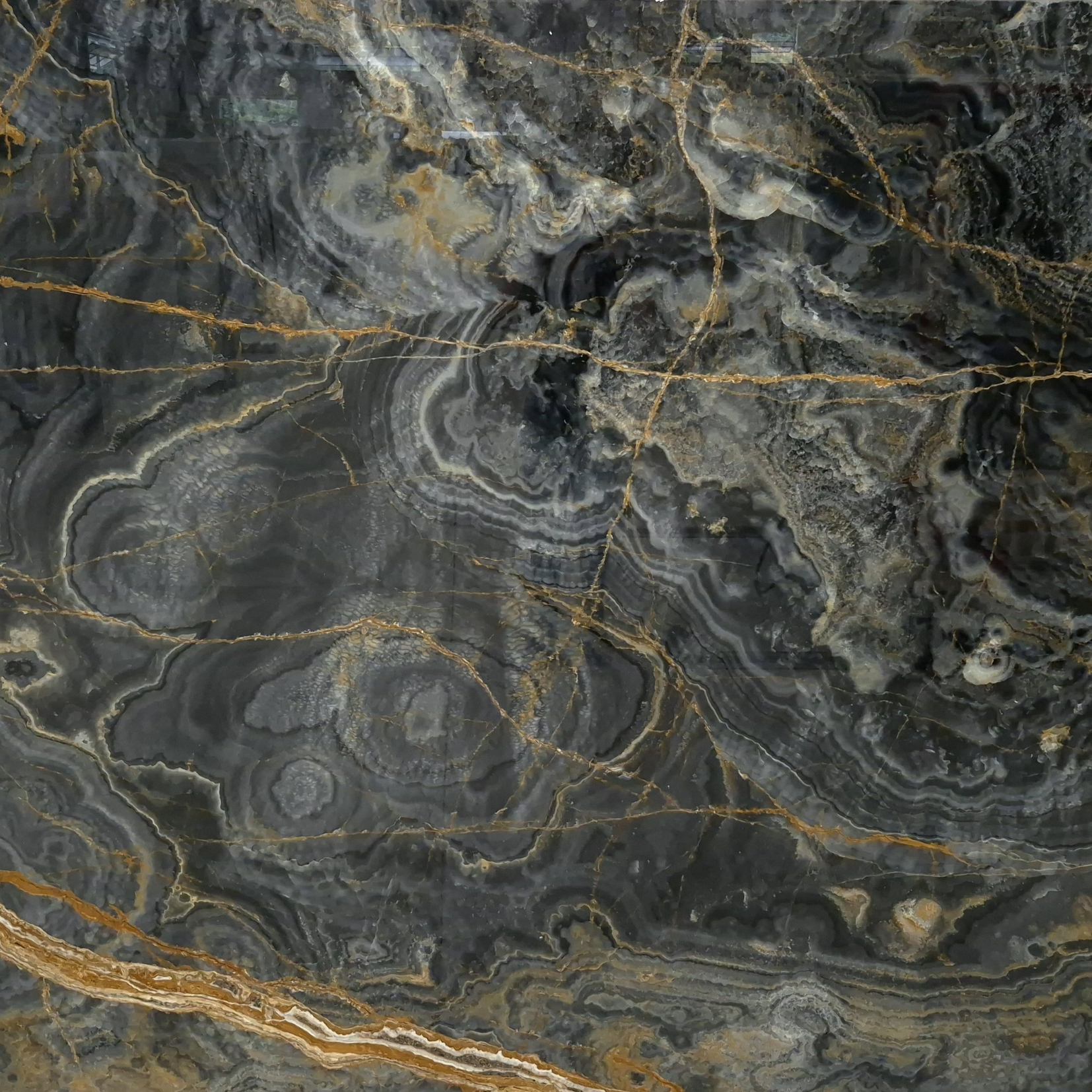
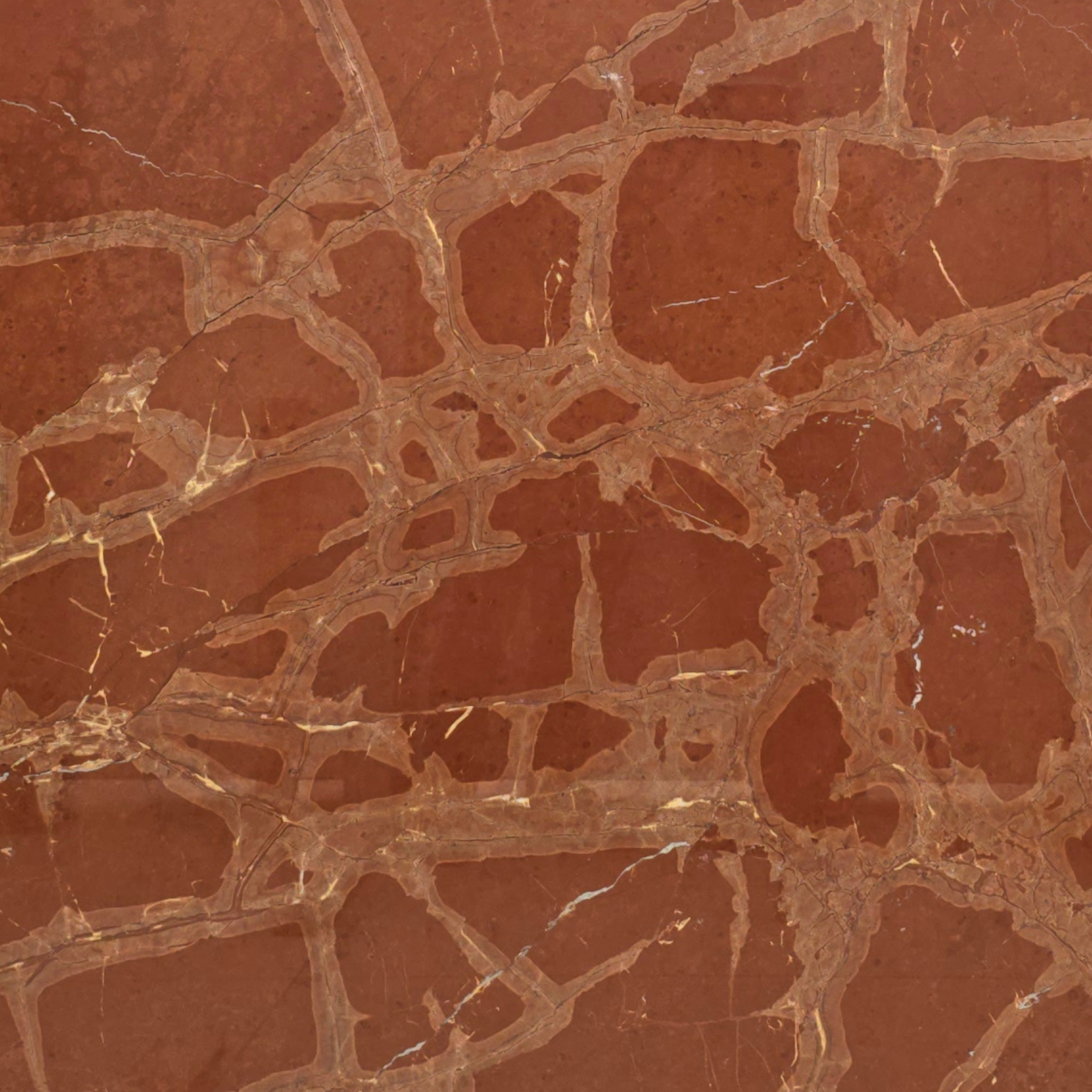
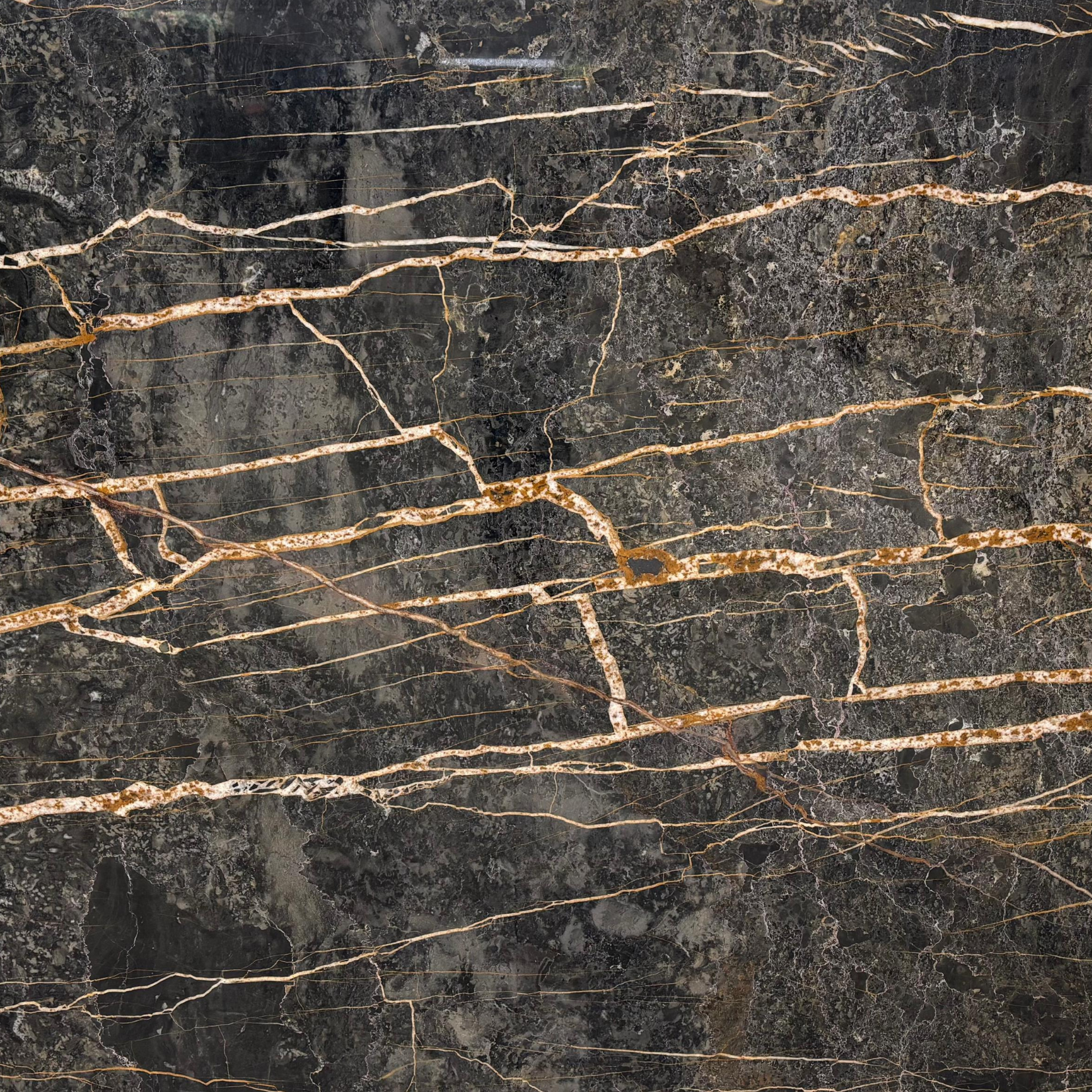
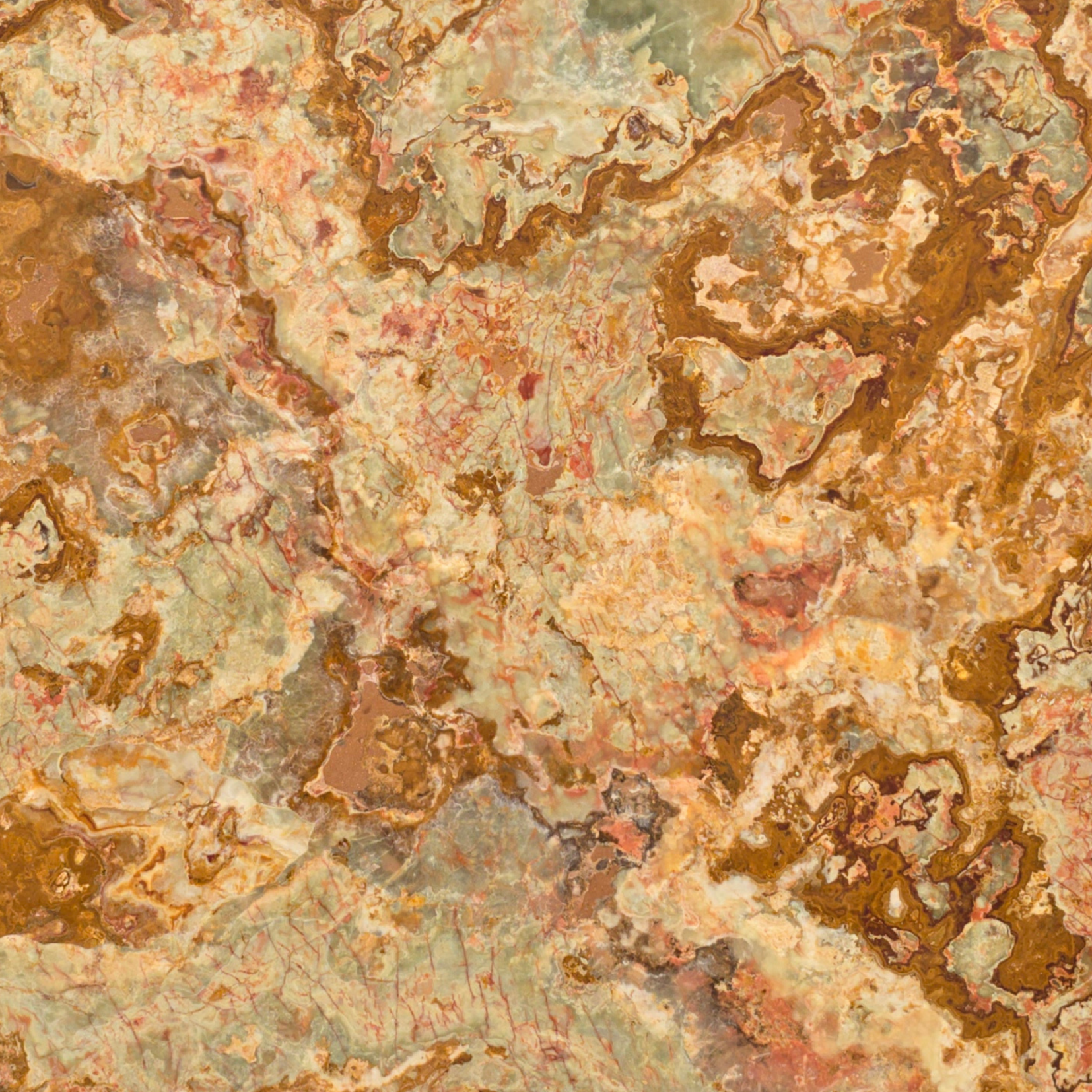


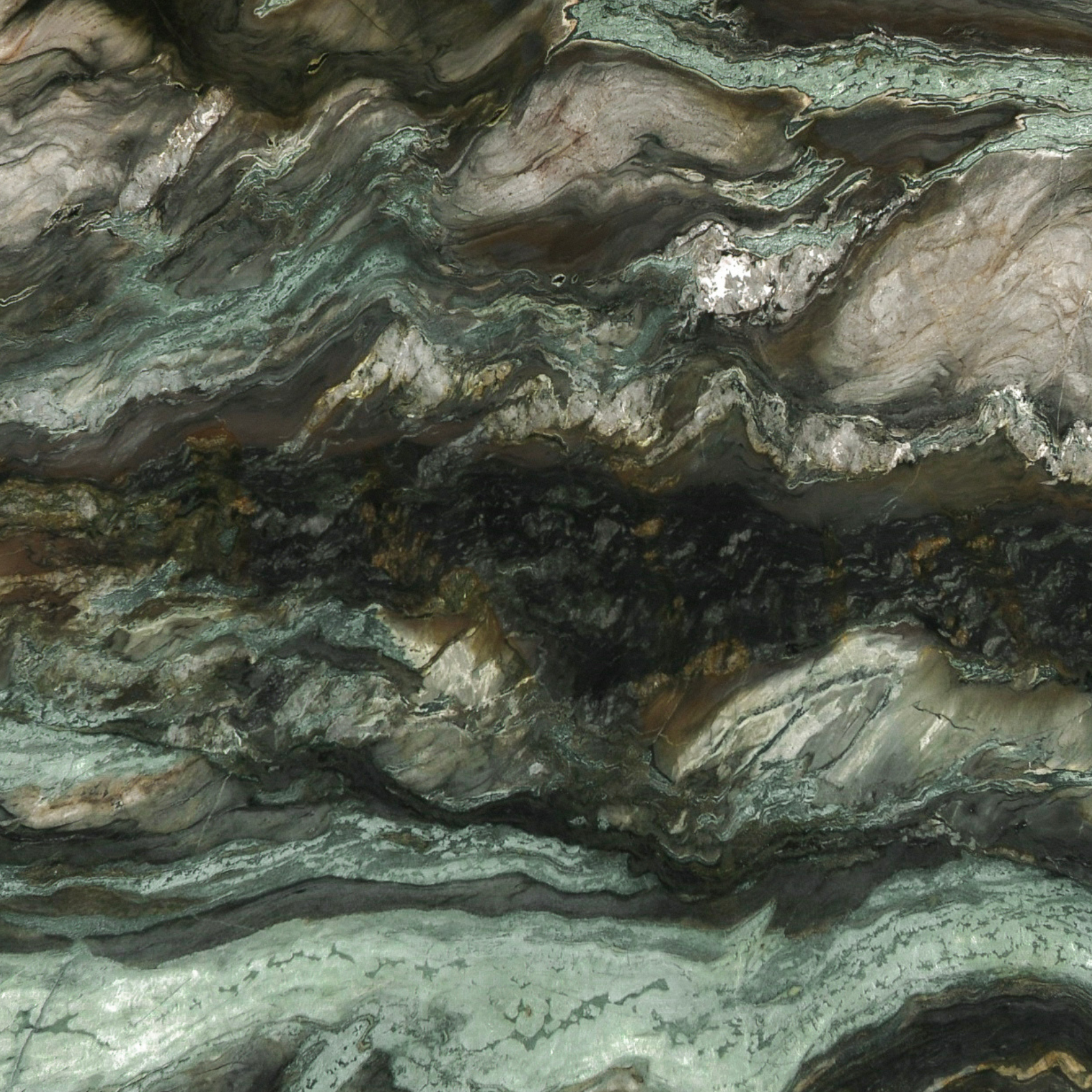
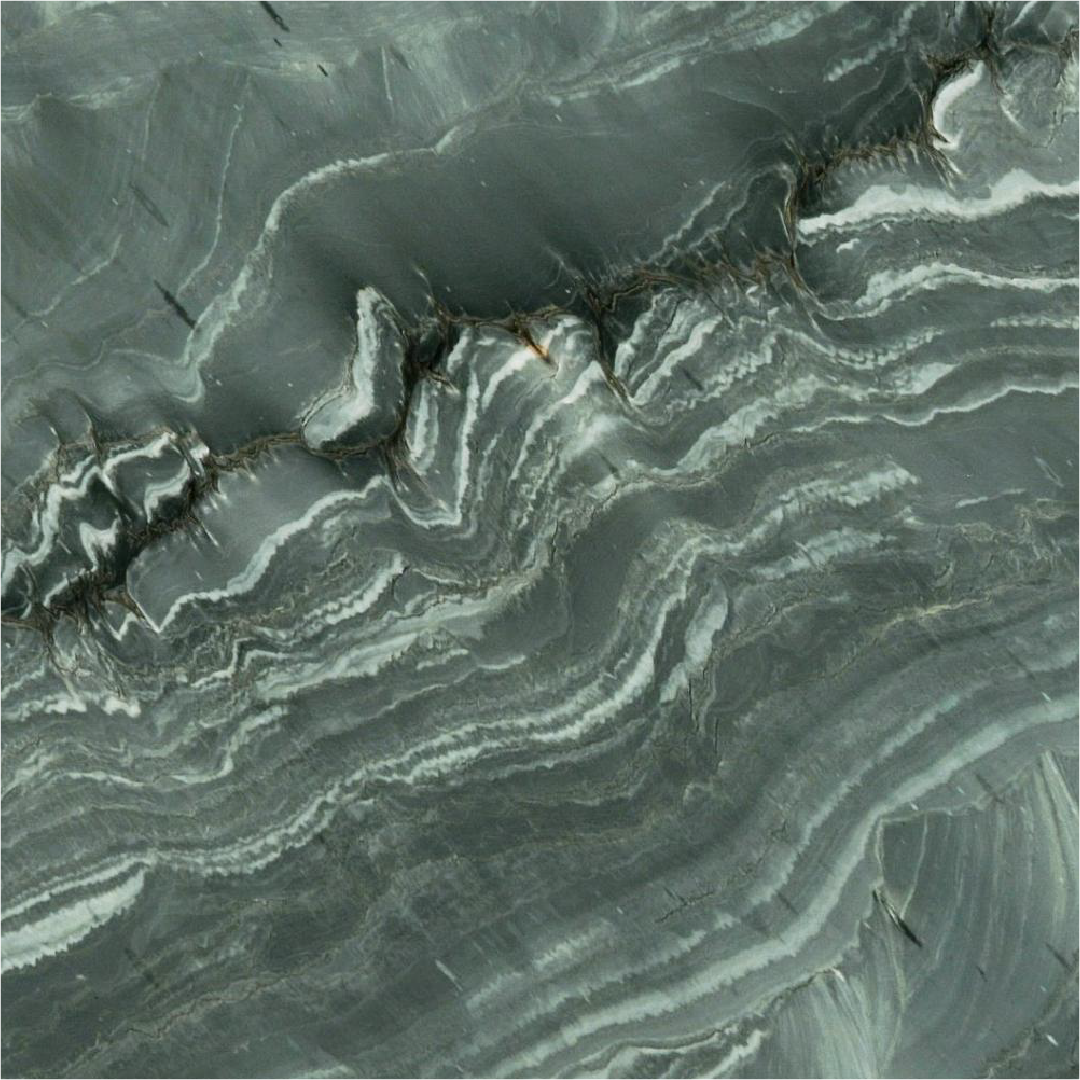
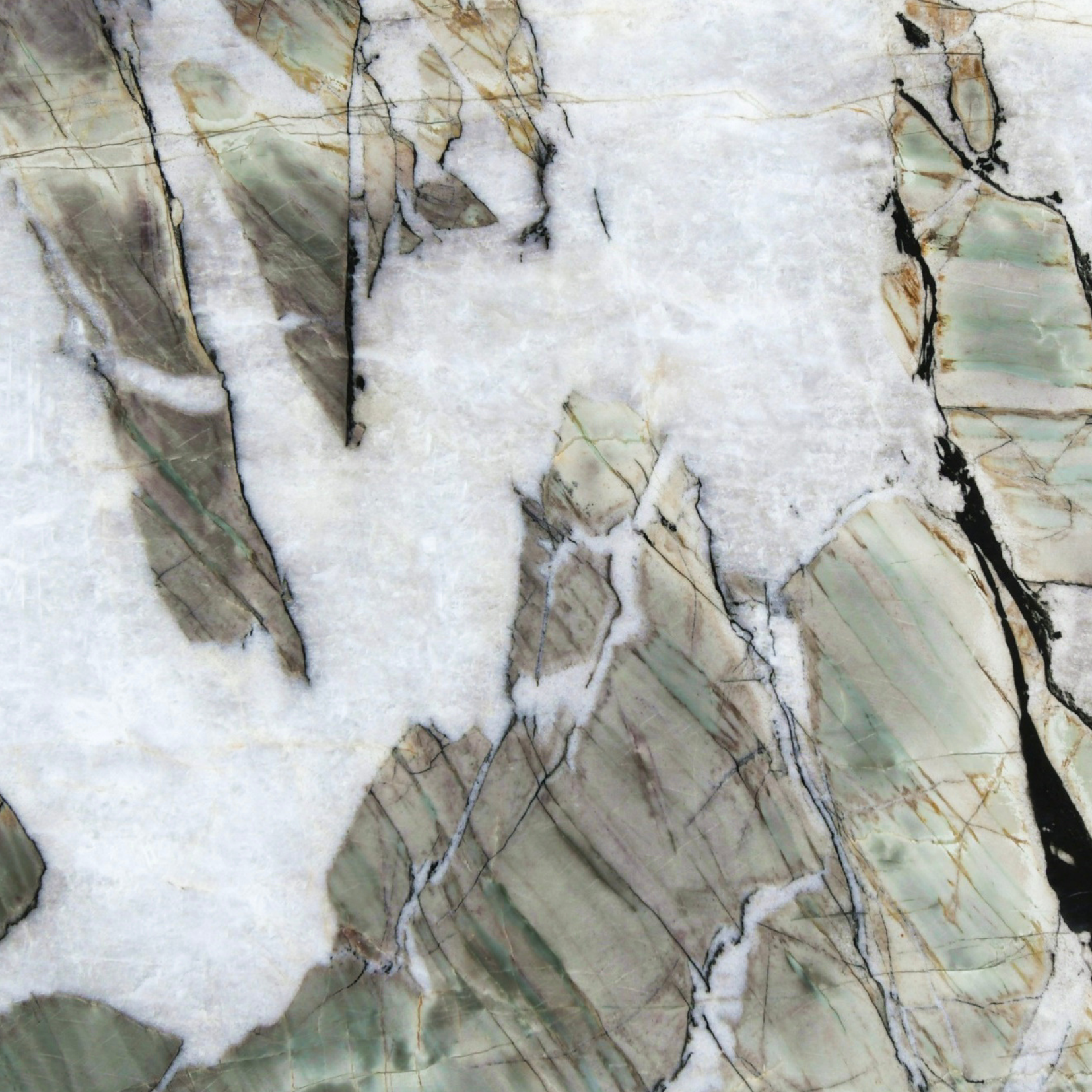
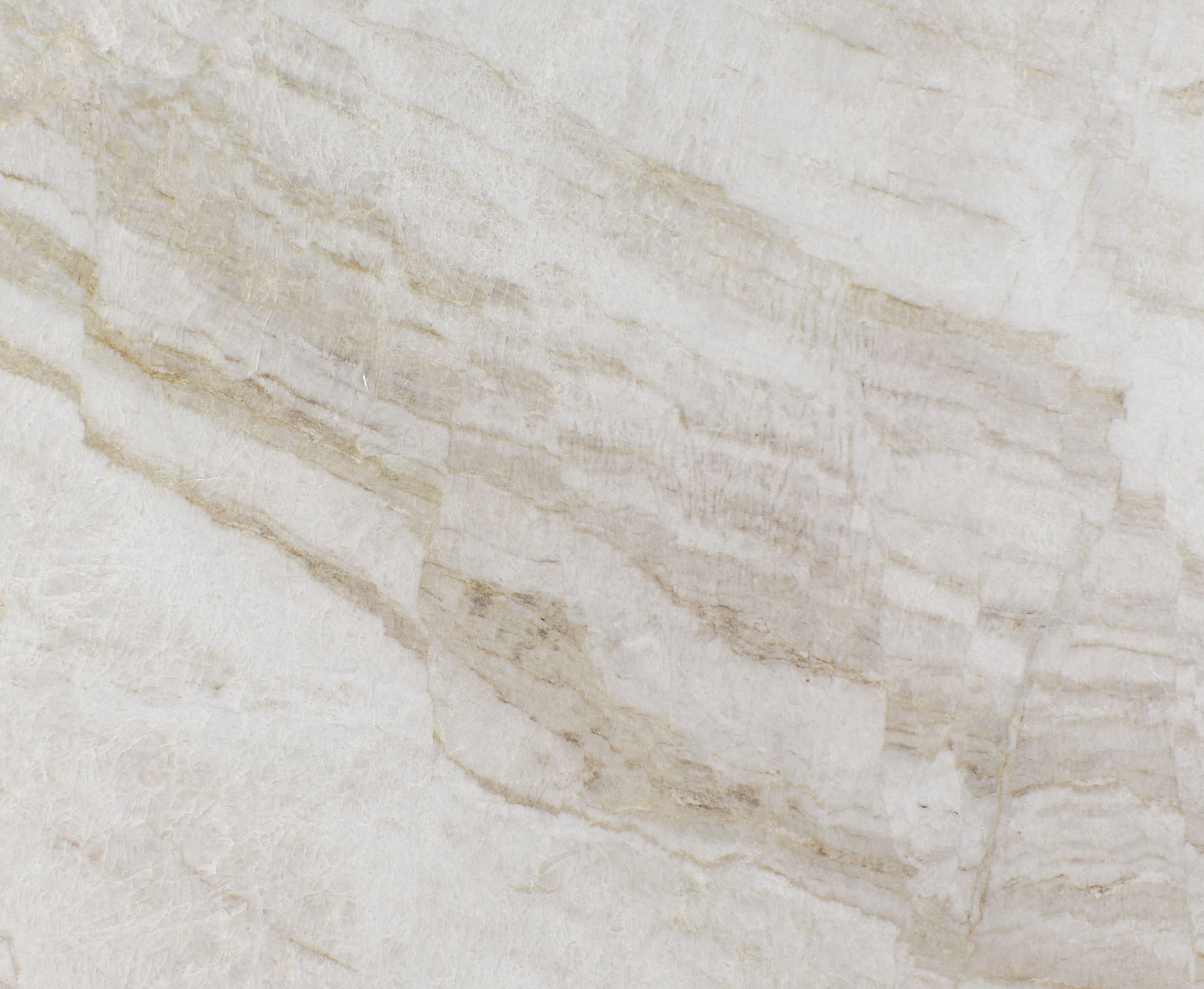
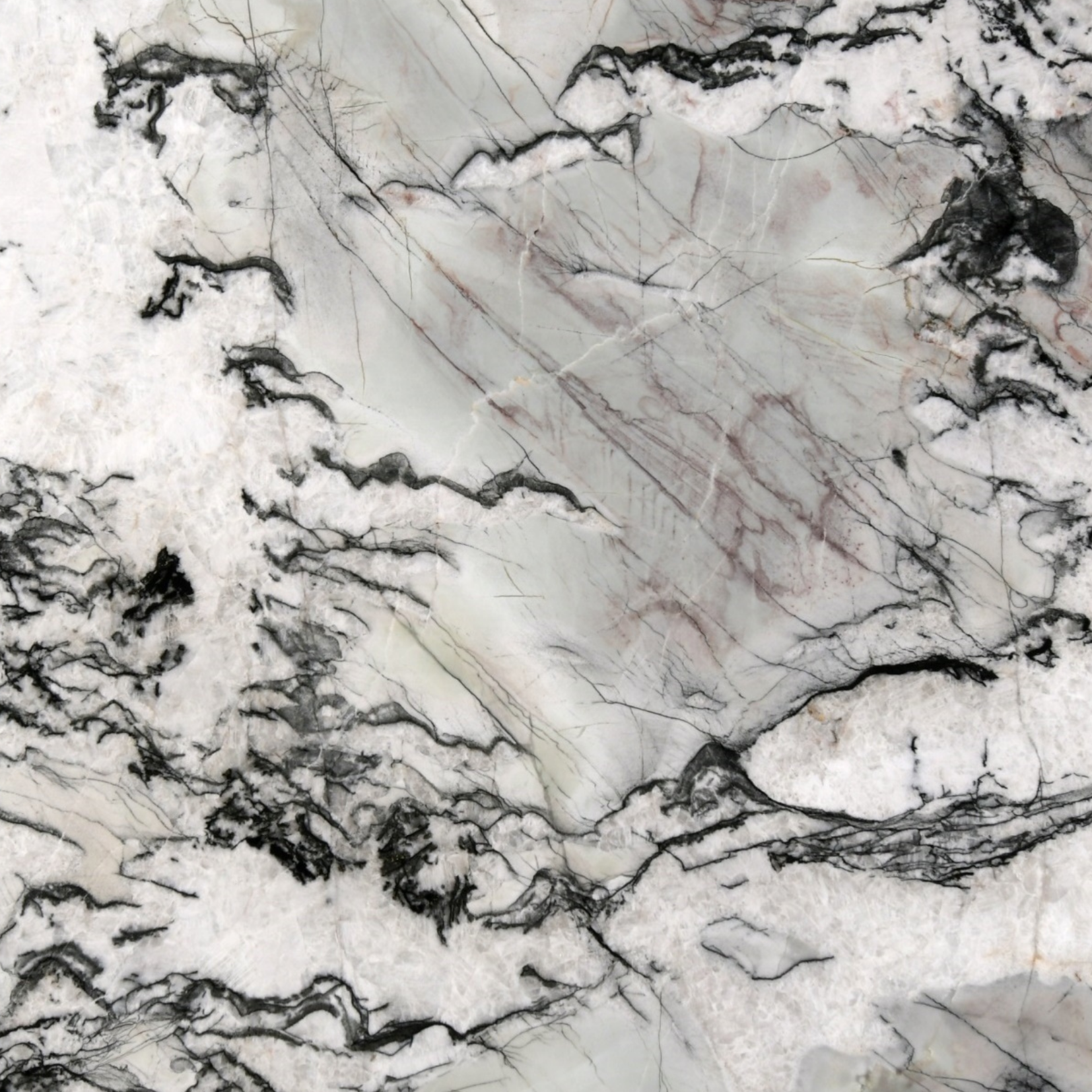
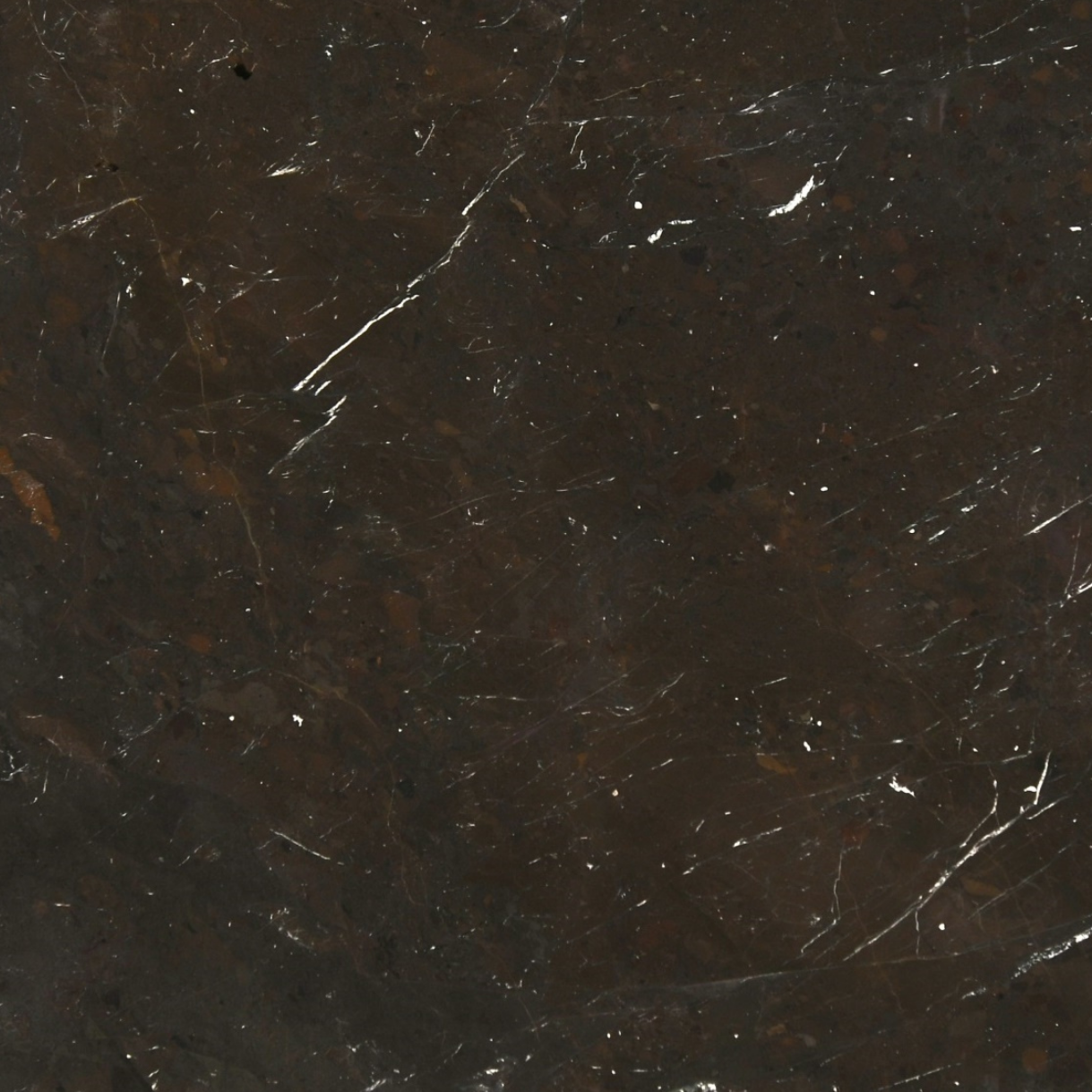
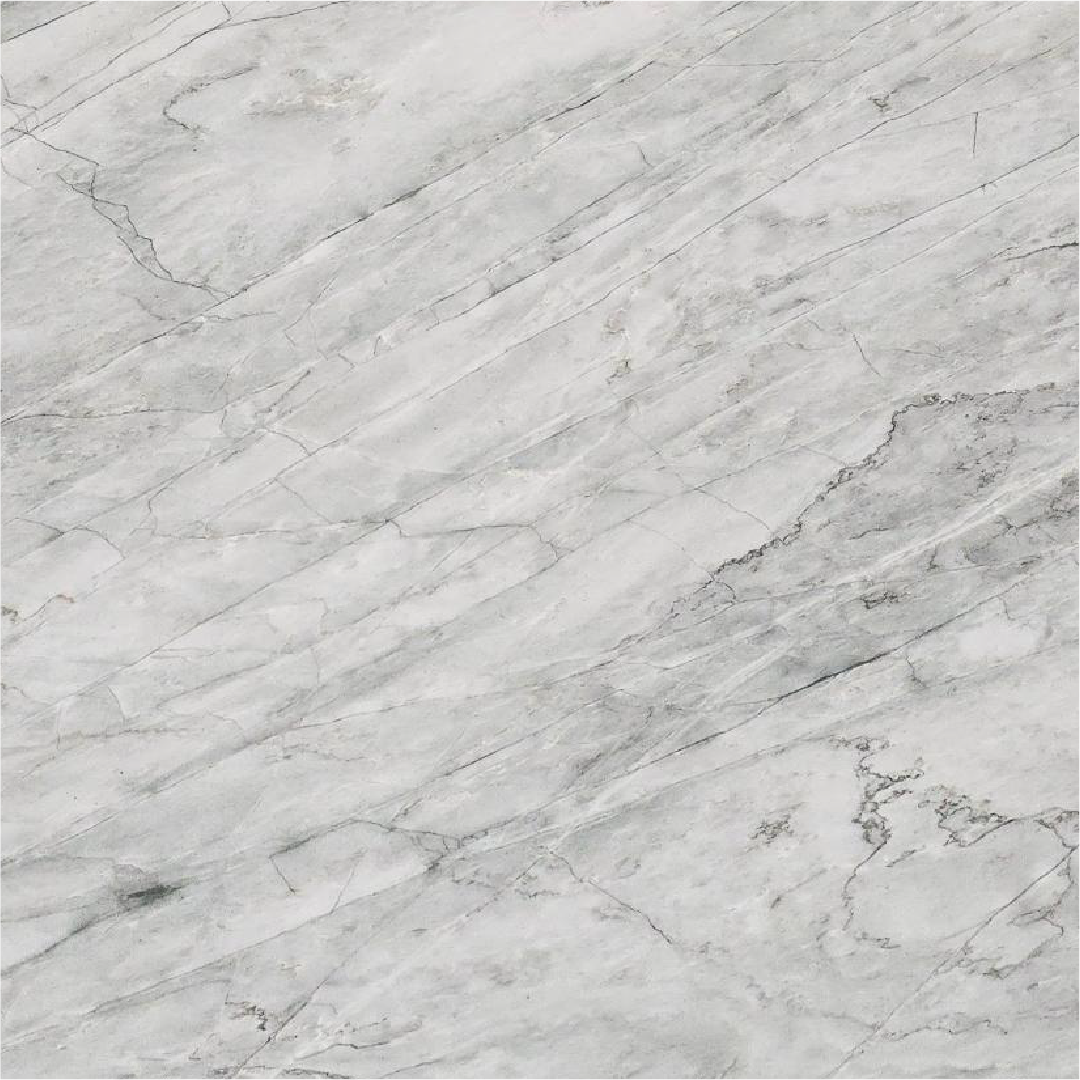
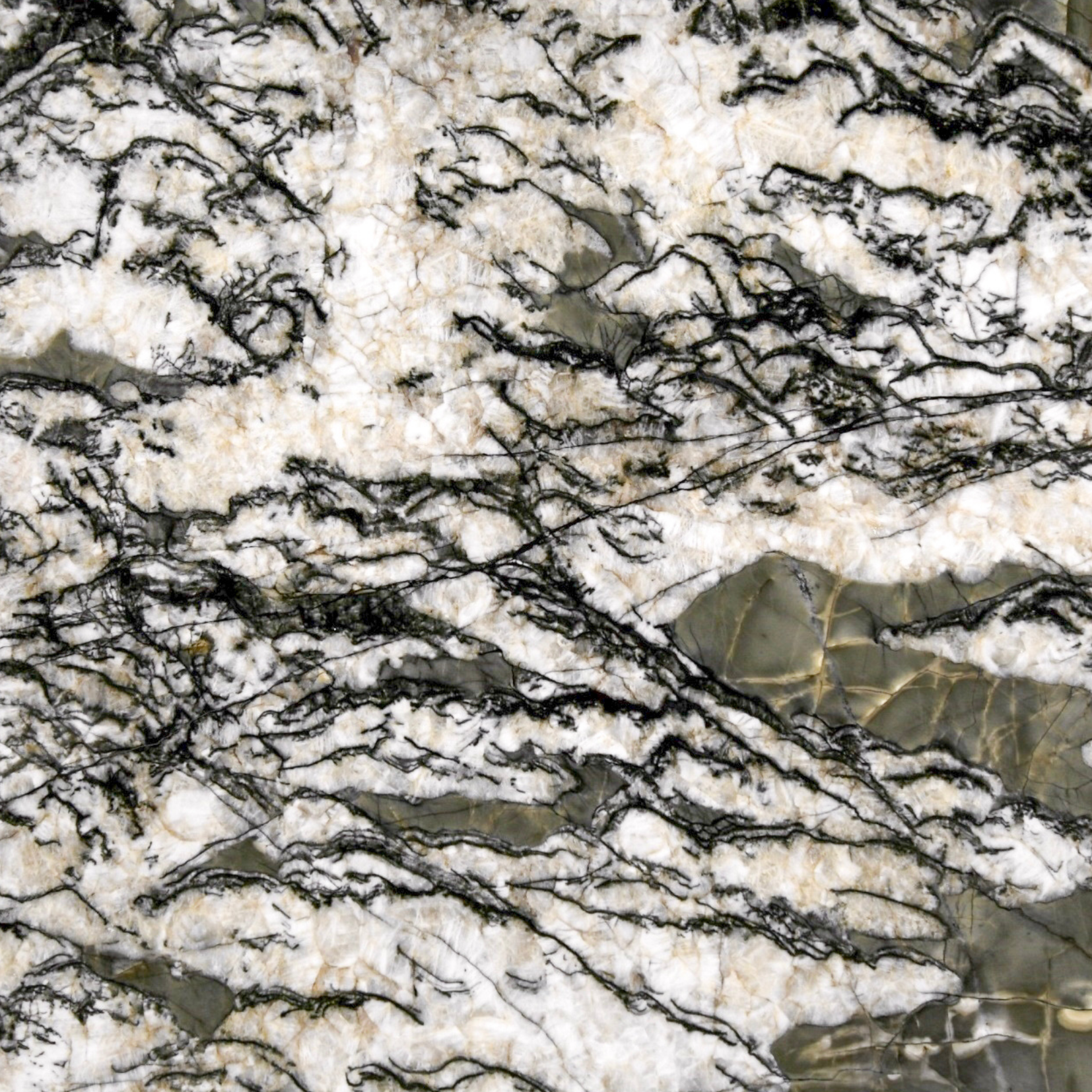



Natural Quartzite: durability and sophistication for exclusive projects
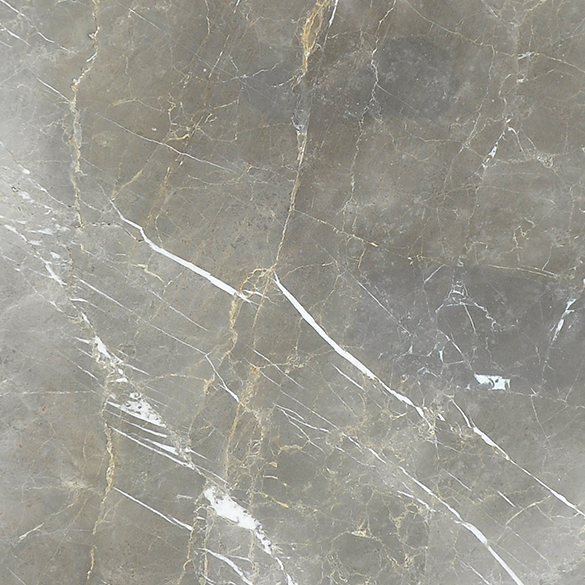
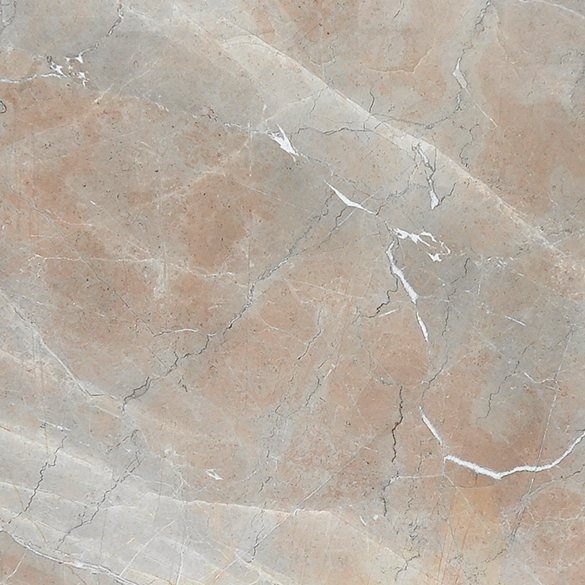
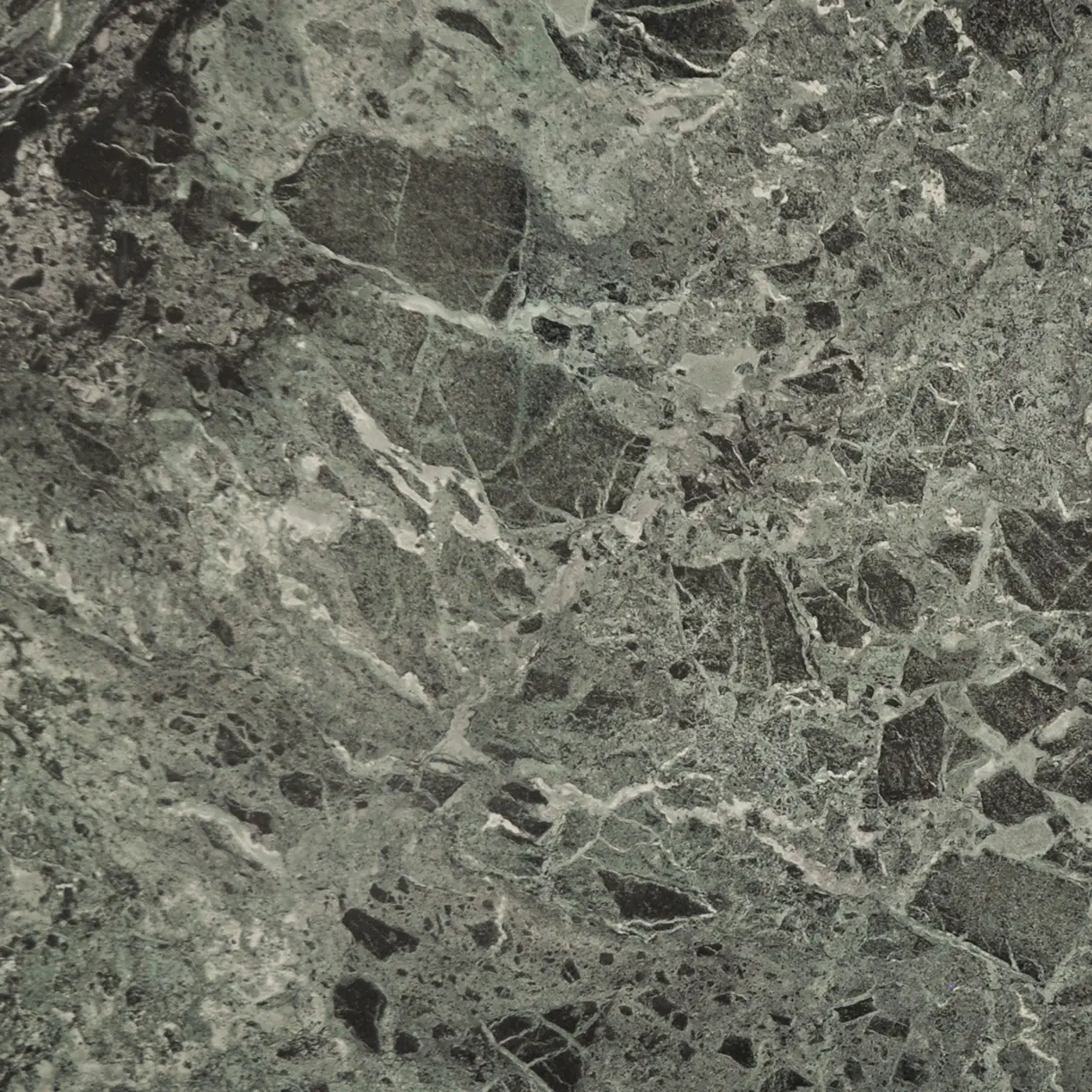
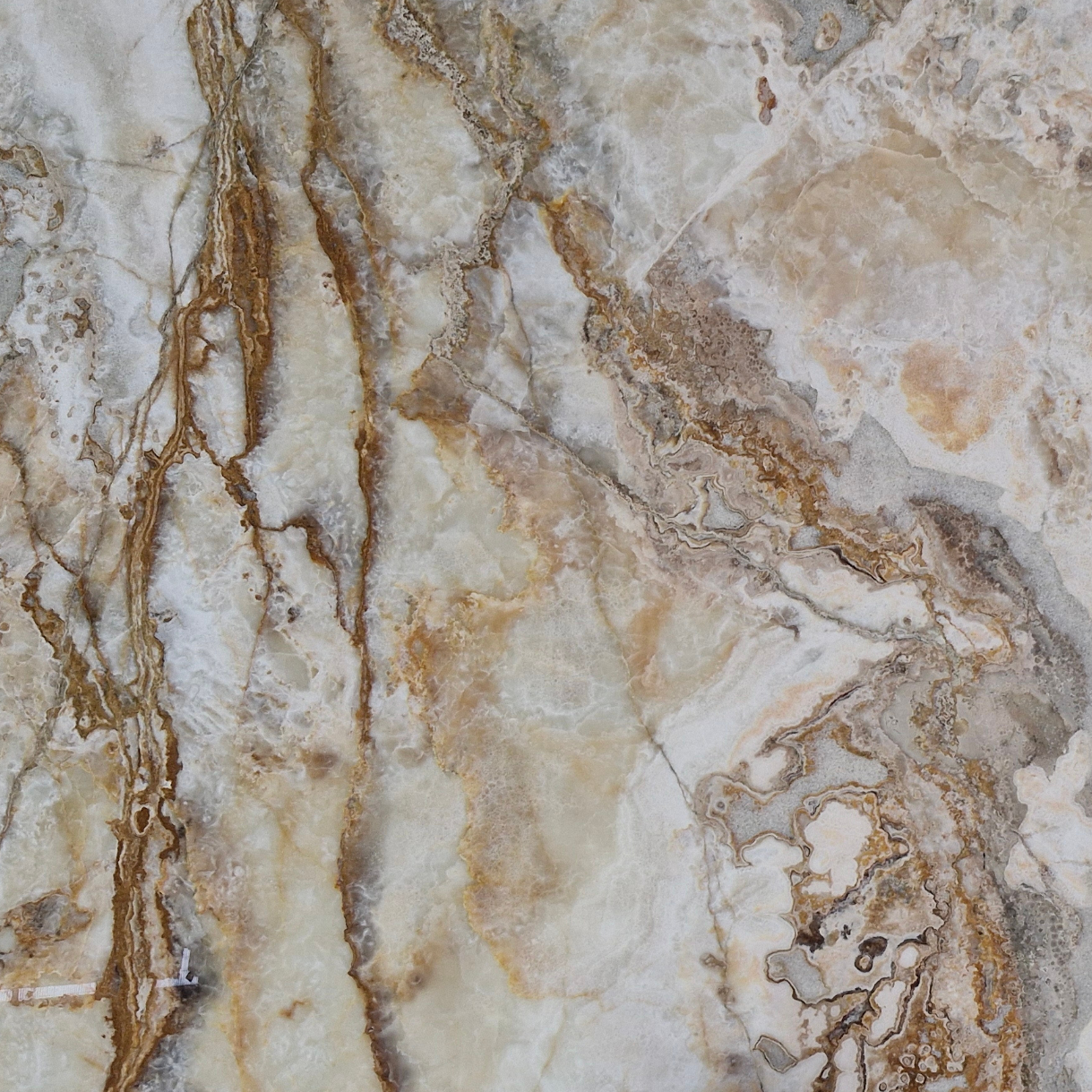
Natural quartzite stands out as a noble stone, capable of transforming architectural projects into true works of design art. Its unique combination of strength and beauty brings a commanding and sophisticated presence to interiors and even façades.
With unique patterns and a rich palette, quartzite exudes exclusivity. Here’s why this stone wins over those seeking natural and timeless materials!
Is quartzite natural?
Yes, quartzite is a 100% natural stone, the result of geological processes that occurred over millions of years. The transformation of sandstone into quartzite involves intense recrystallization of quartz grains, which gives this stone its remarkable strength.
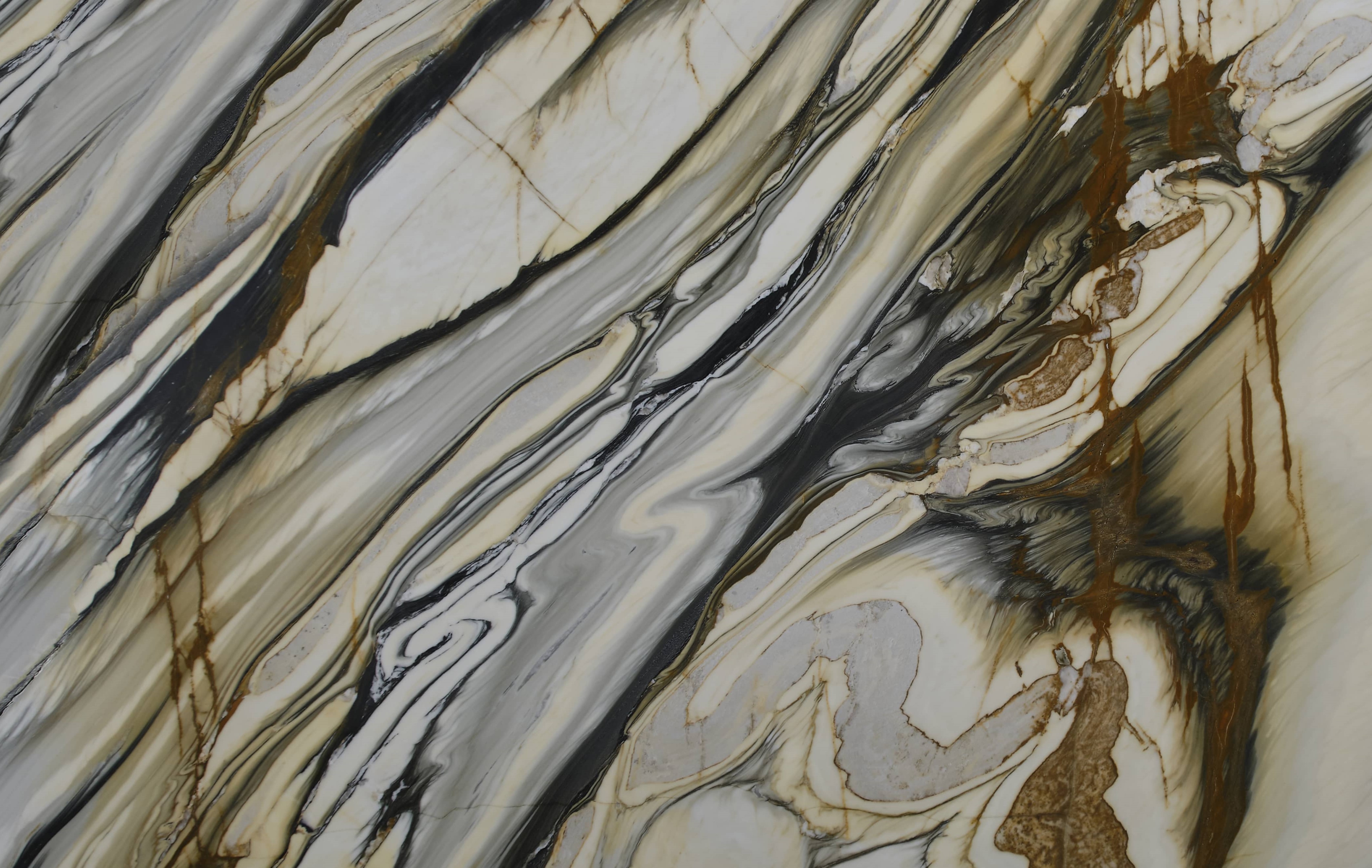
Unlike artificial surfaces, quartzite preserves the characteristics of nature in its purest form, with textures, veins, and hues that tell a singular story in each slab.
This authenticity is what sets quartzite apart and gives it high market value, making it a noble and exclusive material.
What is quartzite used for?
Quartzite is highly versatile and can be used in various environments that demand durability and refined aesthetics.
It’s ideal for wall cladding, flooring, façades, countertops, and panels—both indoors and outdoors. Its natural properties make it highly resistant to abrasion and impact, essential features for demanding applications.
The visual richness of natural quartzite adds value to any project, especially in designs that require a high-end finish.
Can quartzite be used in the kitchen?
Yes, quartzite is an excellent choice for kitchen countertops and gourmet areas. Thanks to its exceptional strength, natural quartzite lasts for many years without losing its beauty or integrity.
It is highly heat-resistant, making it ideal for countertops, islands, and sinks. It adds a contemporary look to the heart of the home and can be adapted to many different design styles.
What are the main types of quartzite?
One of the greatest strengths of natural quartzite is its diversity, with a palette that ranges from classic neutrals to vibrant and exotic tones.
Decolores stands out with a curated selection of quartzites that suit every type of project. The processing of Decolores quartzites has become a national and international reference, showcasing the strength of Brazilian stones.
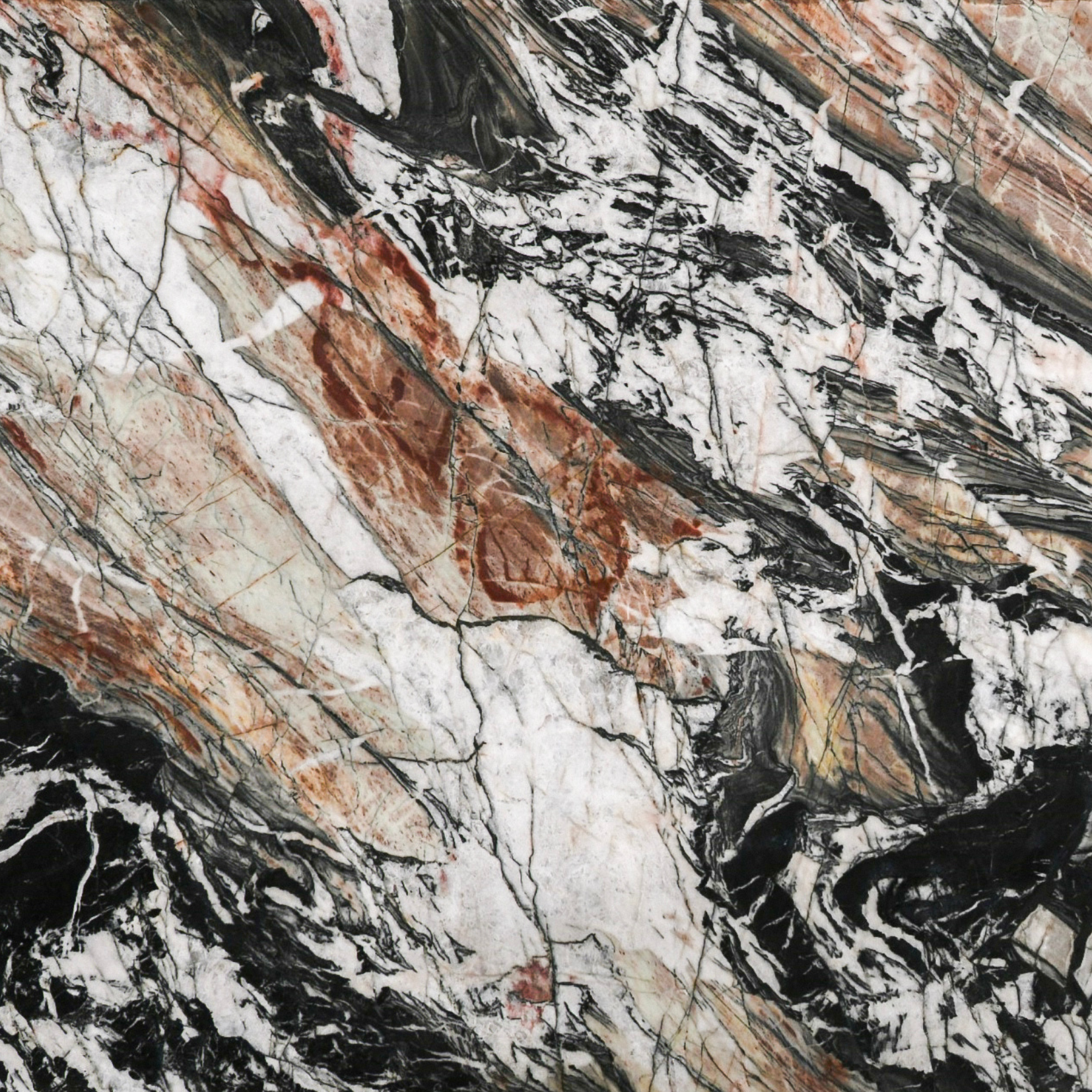
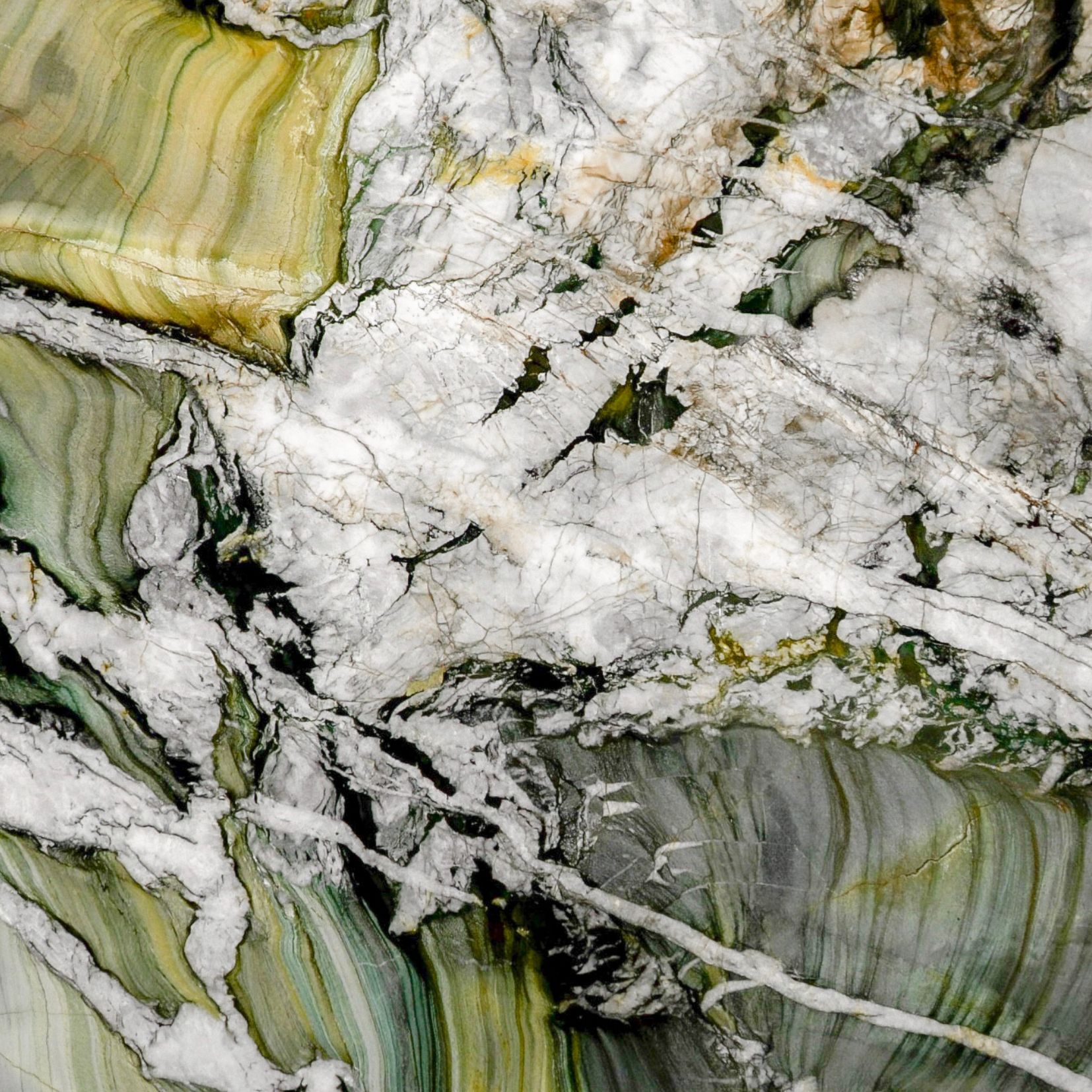
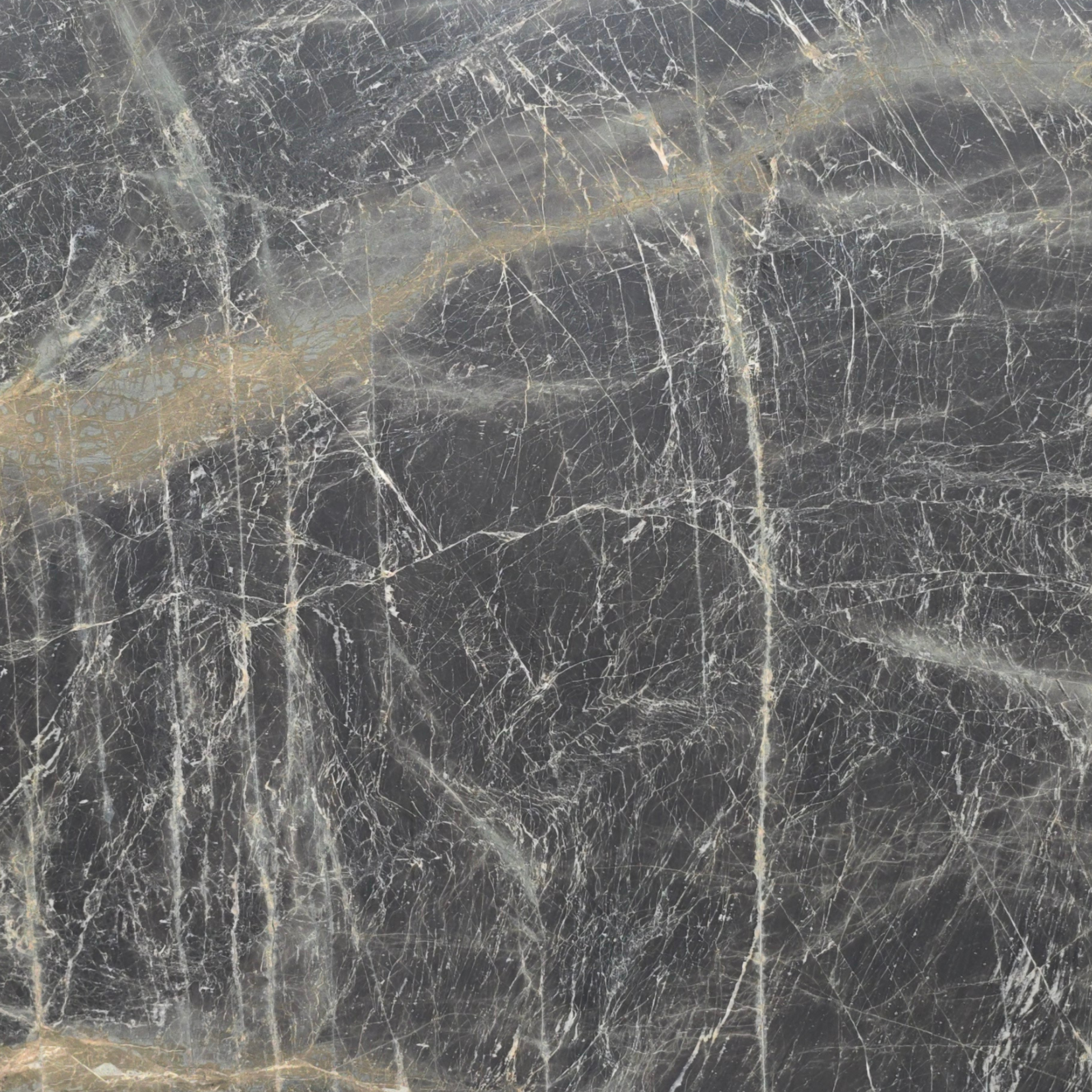
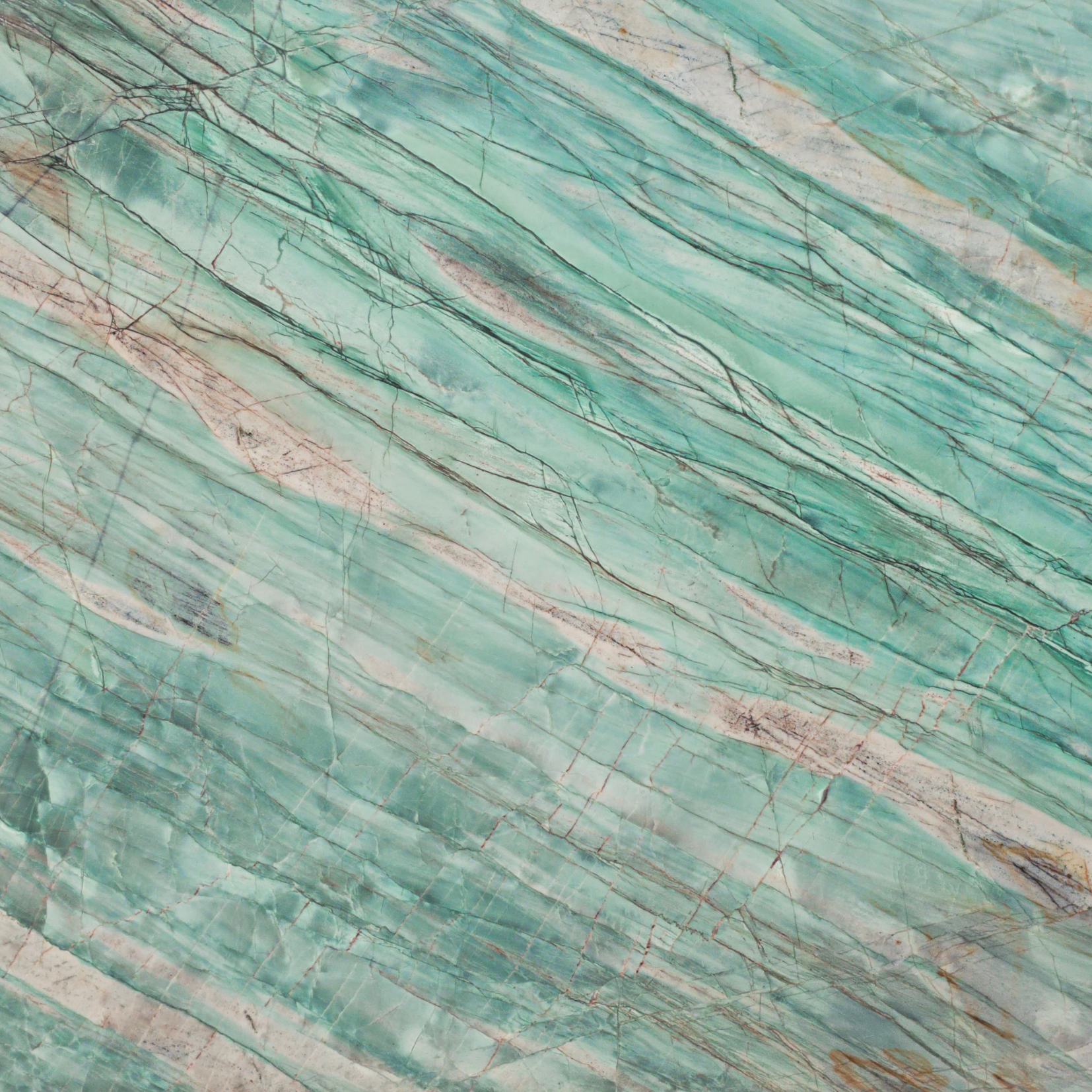
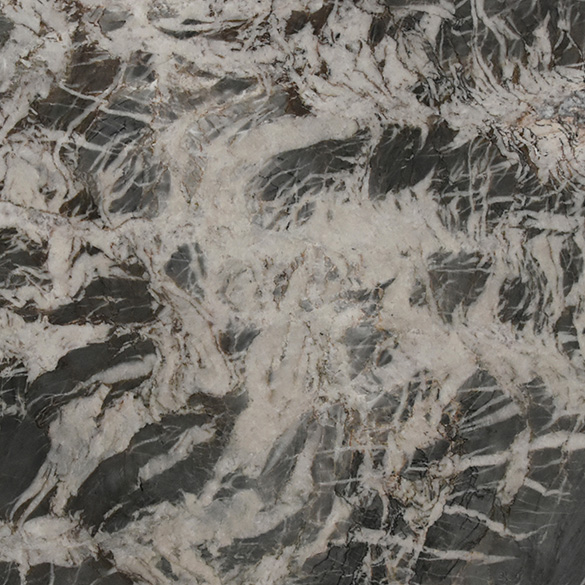
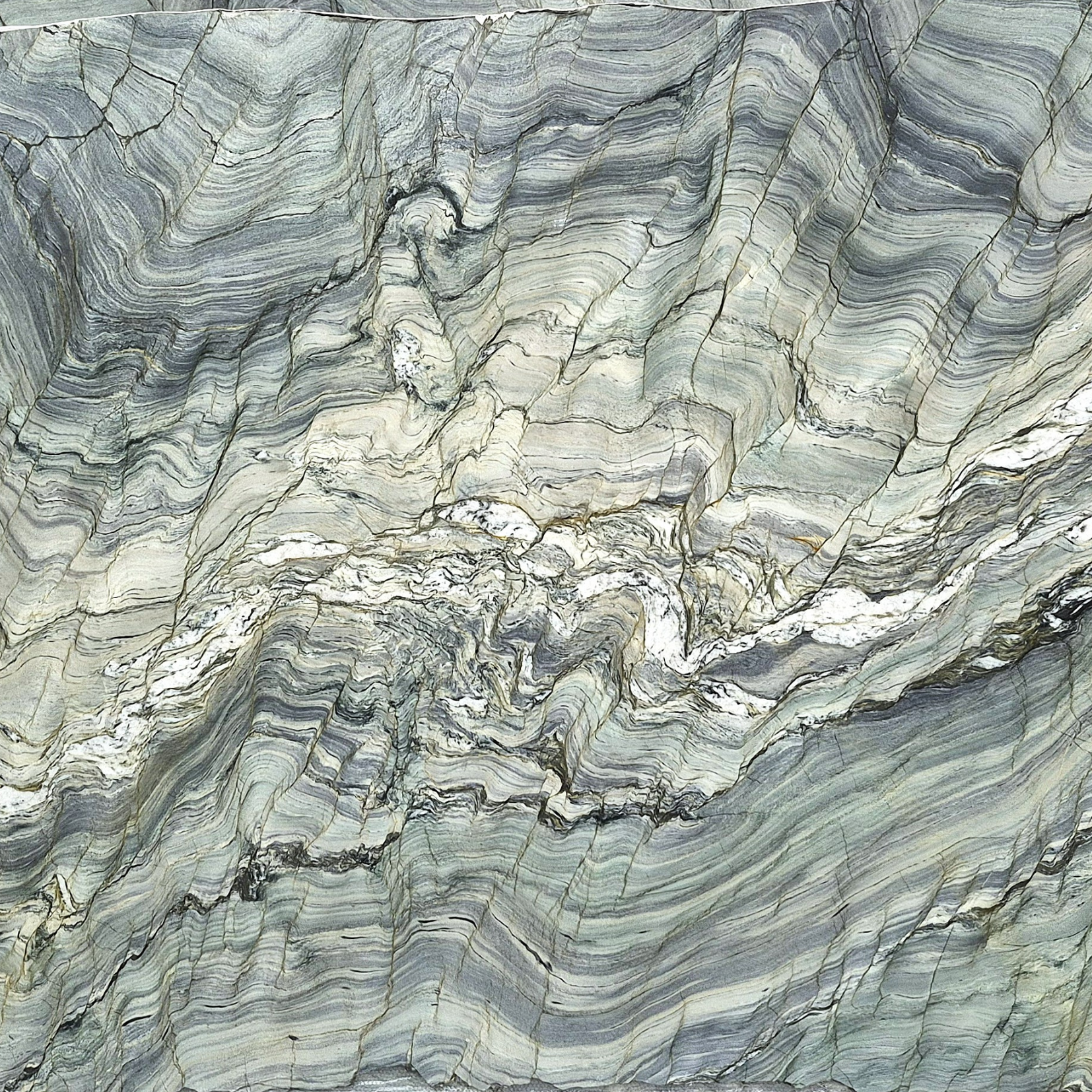
Get to know some of the main quartzites available from Decolores:
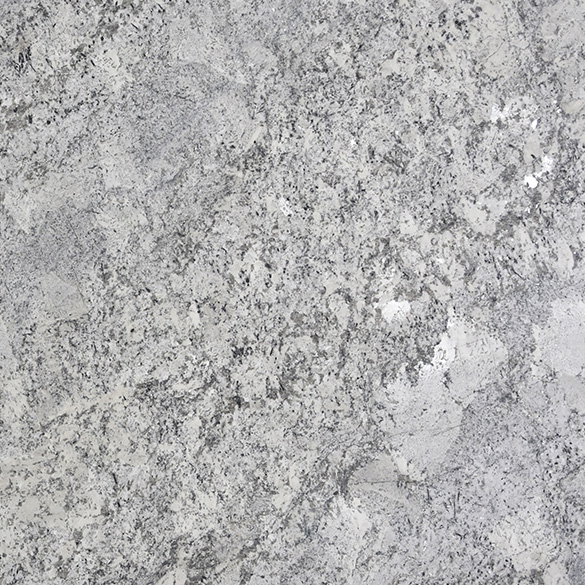
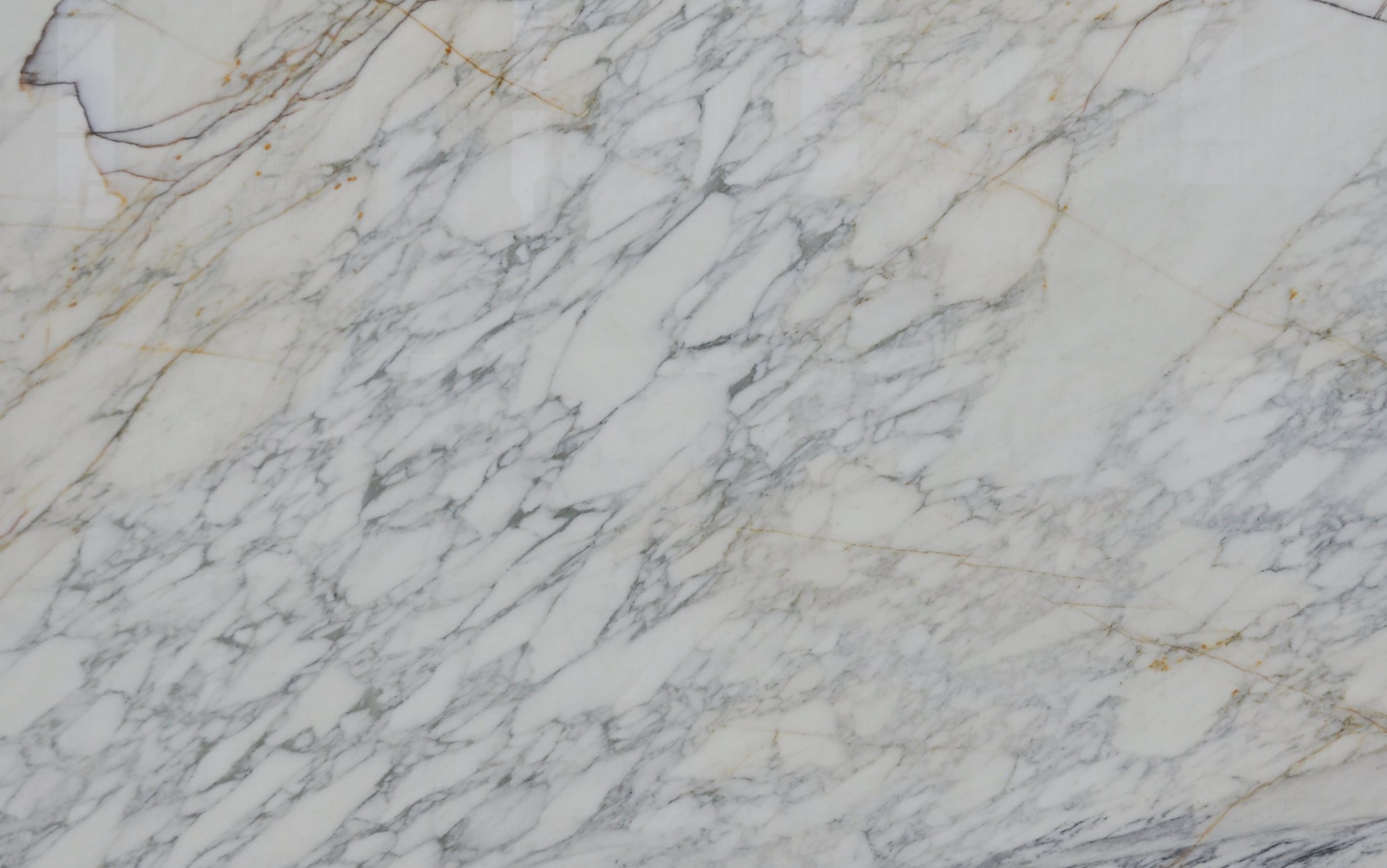
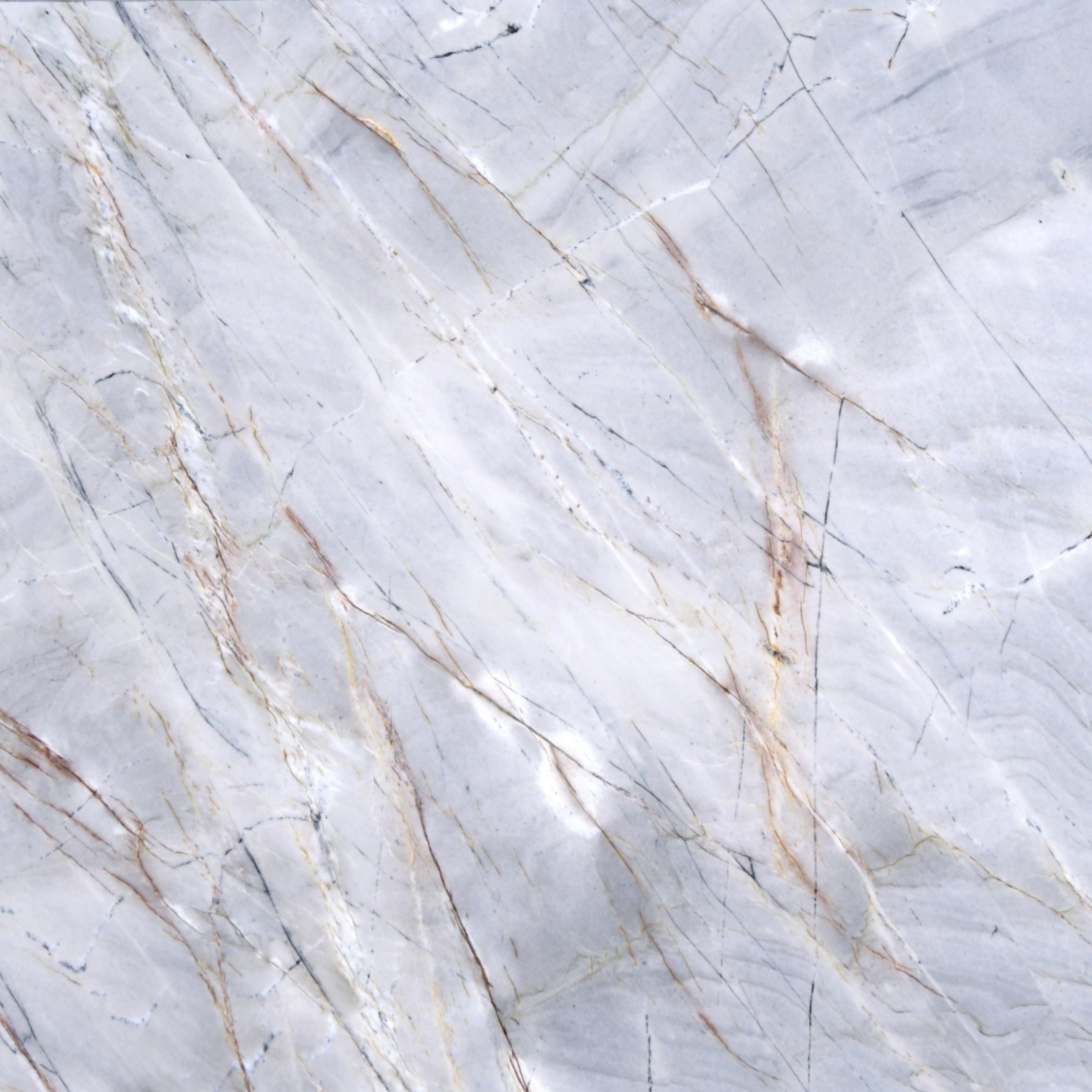
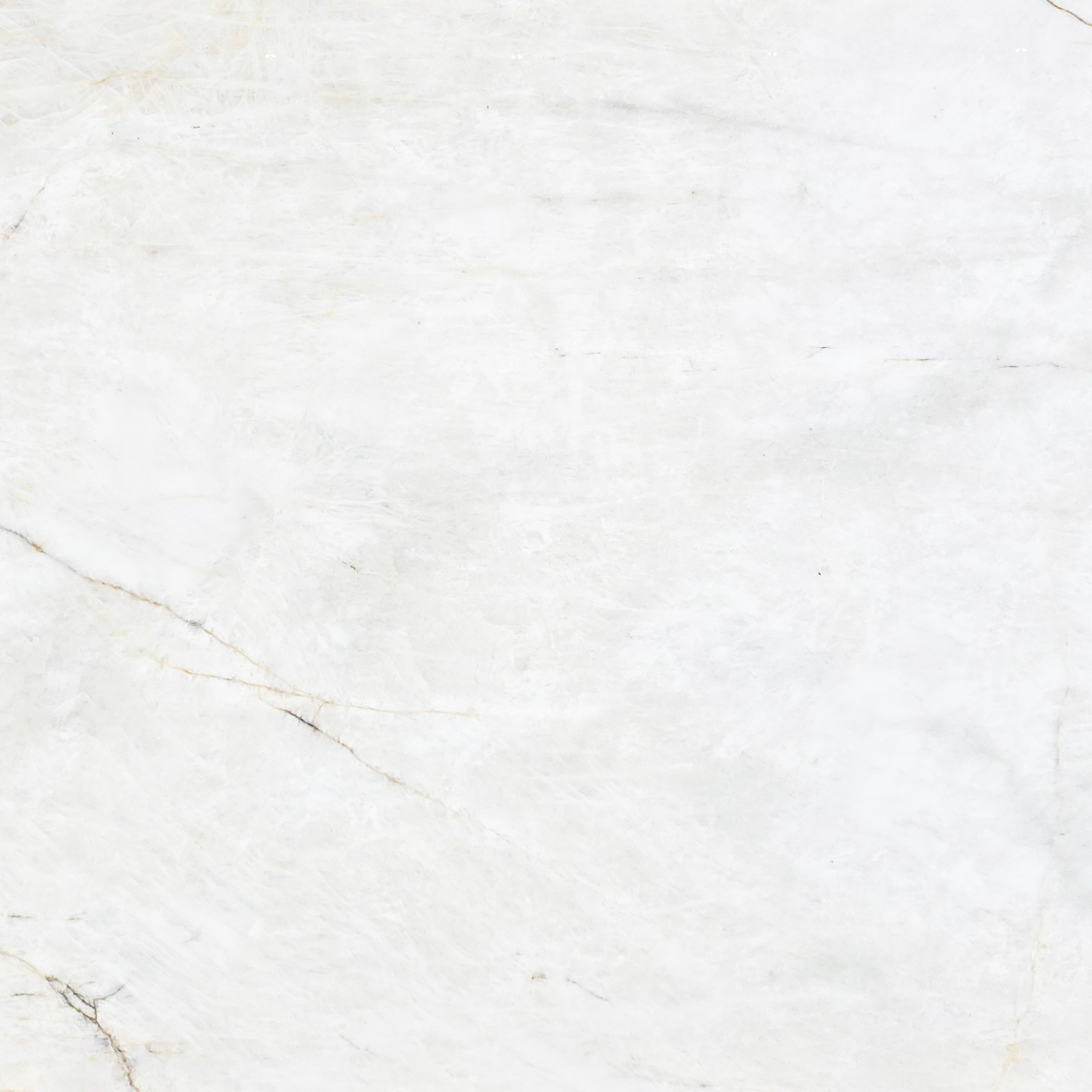
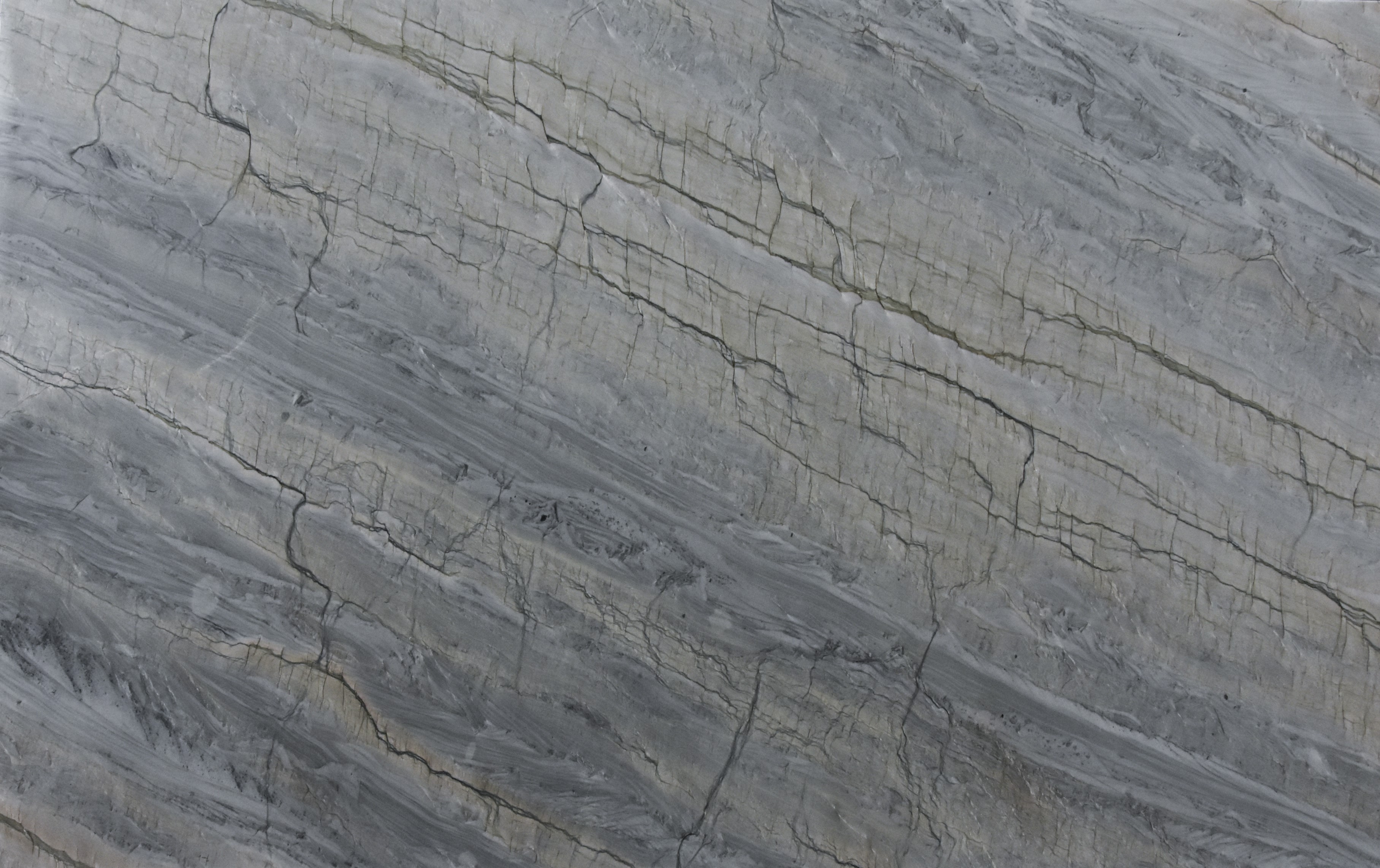
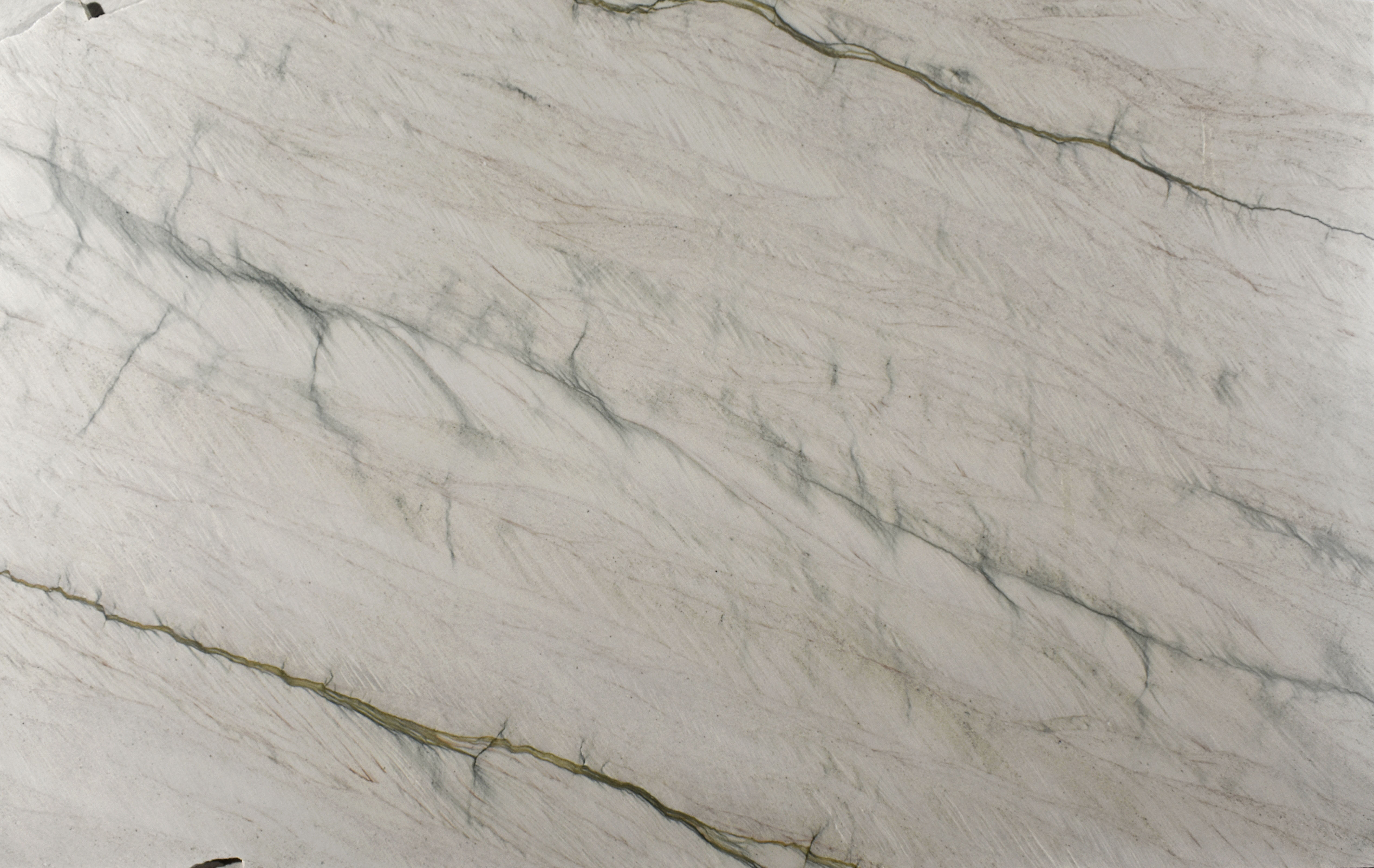
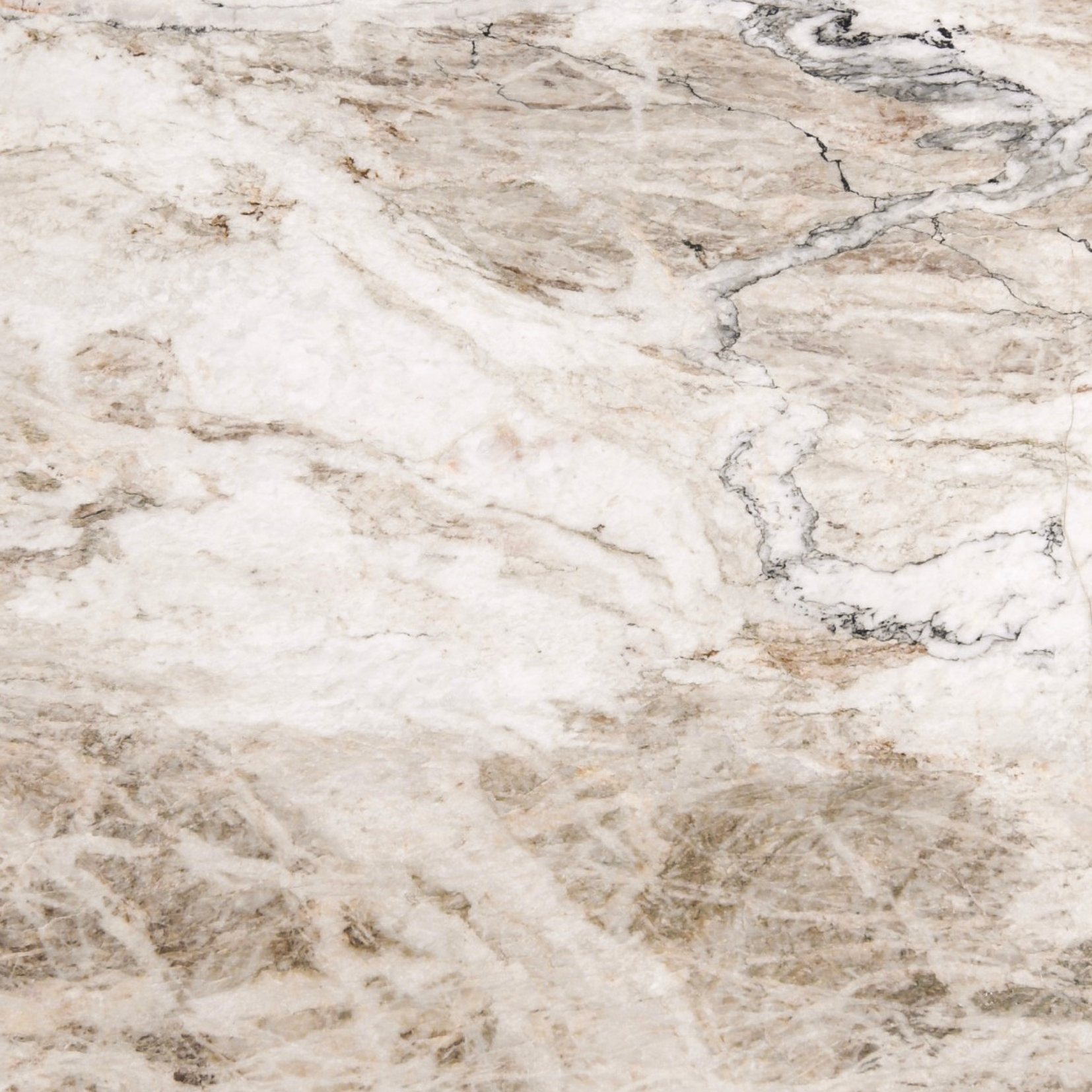
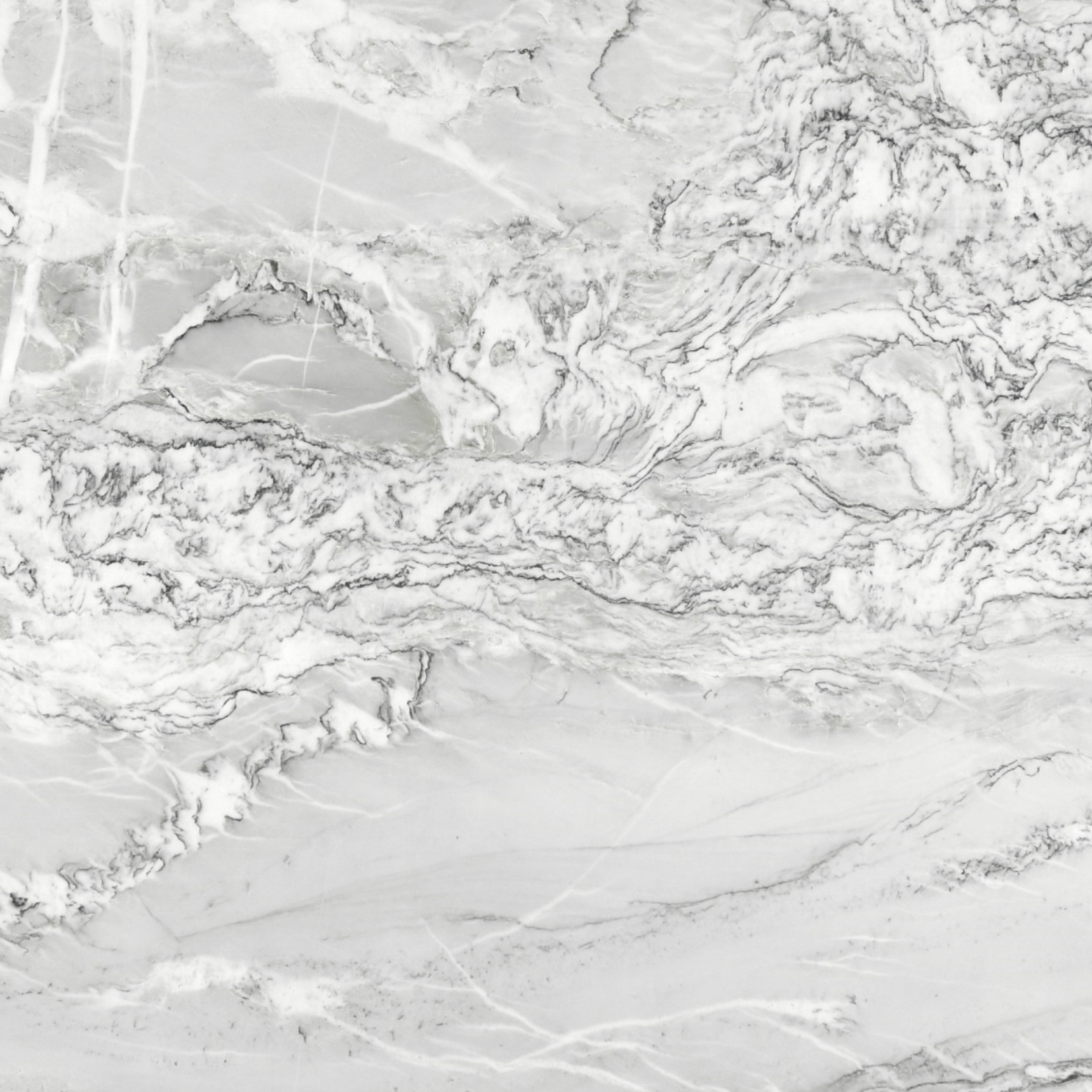
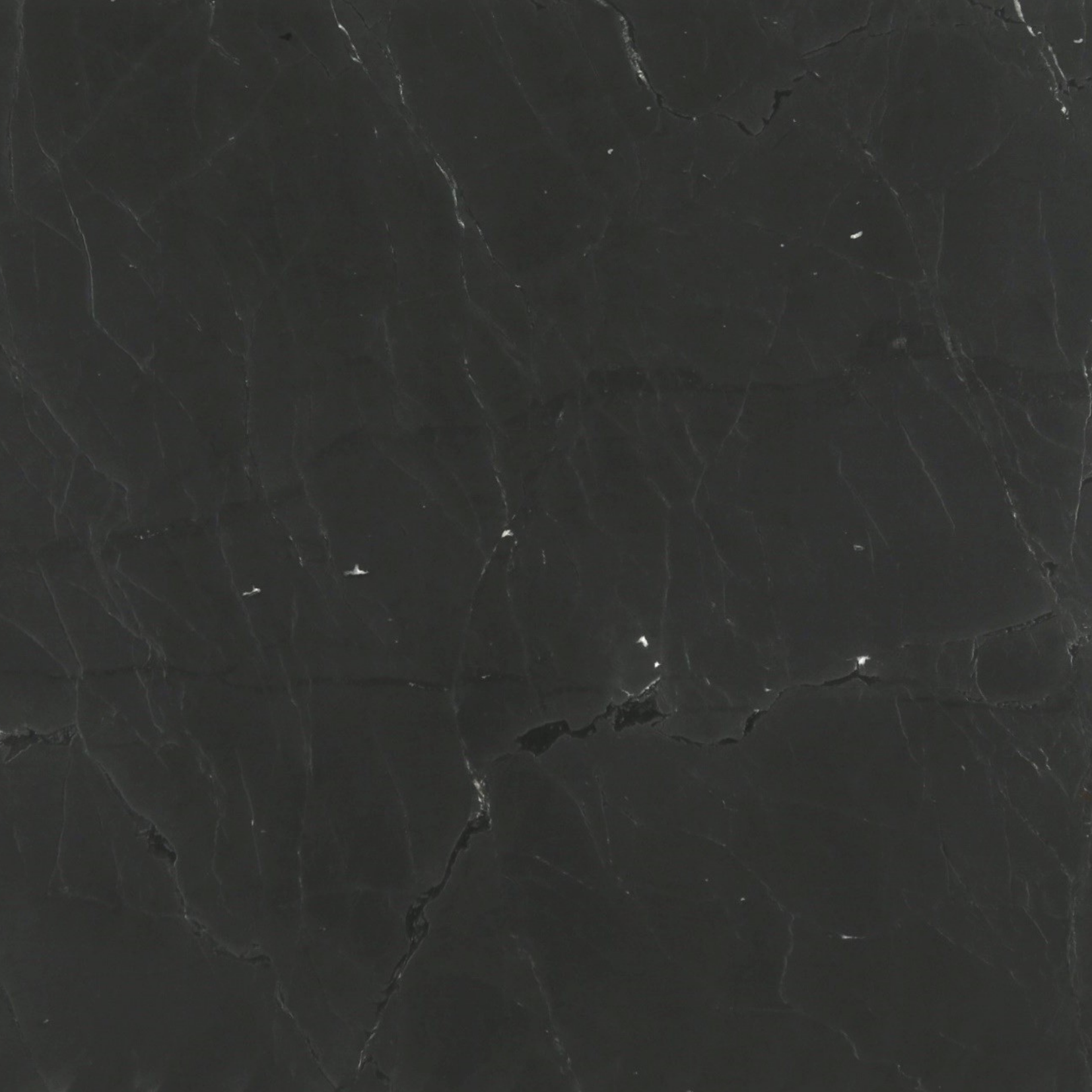
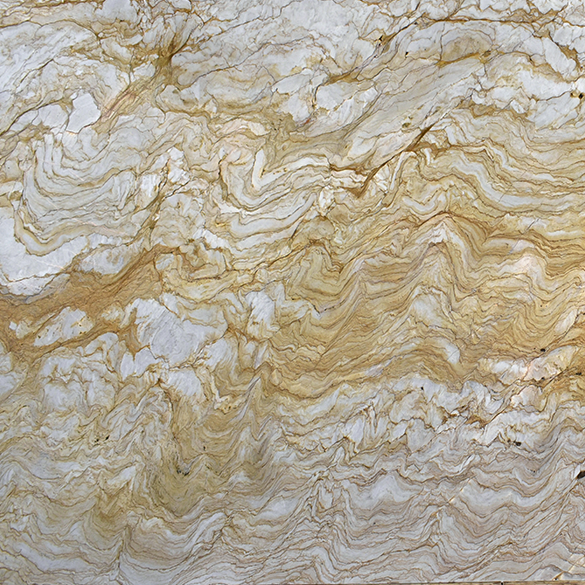
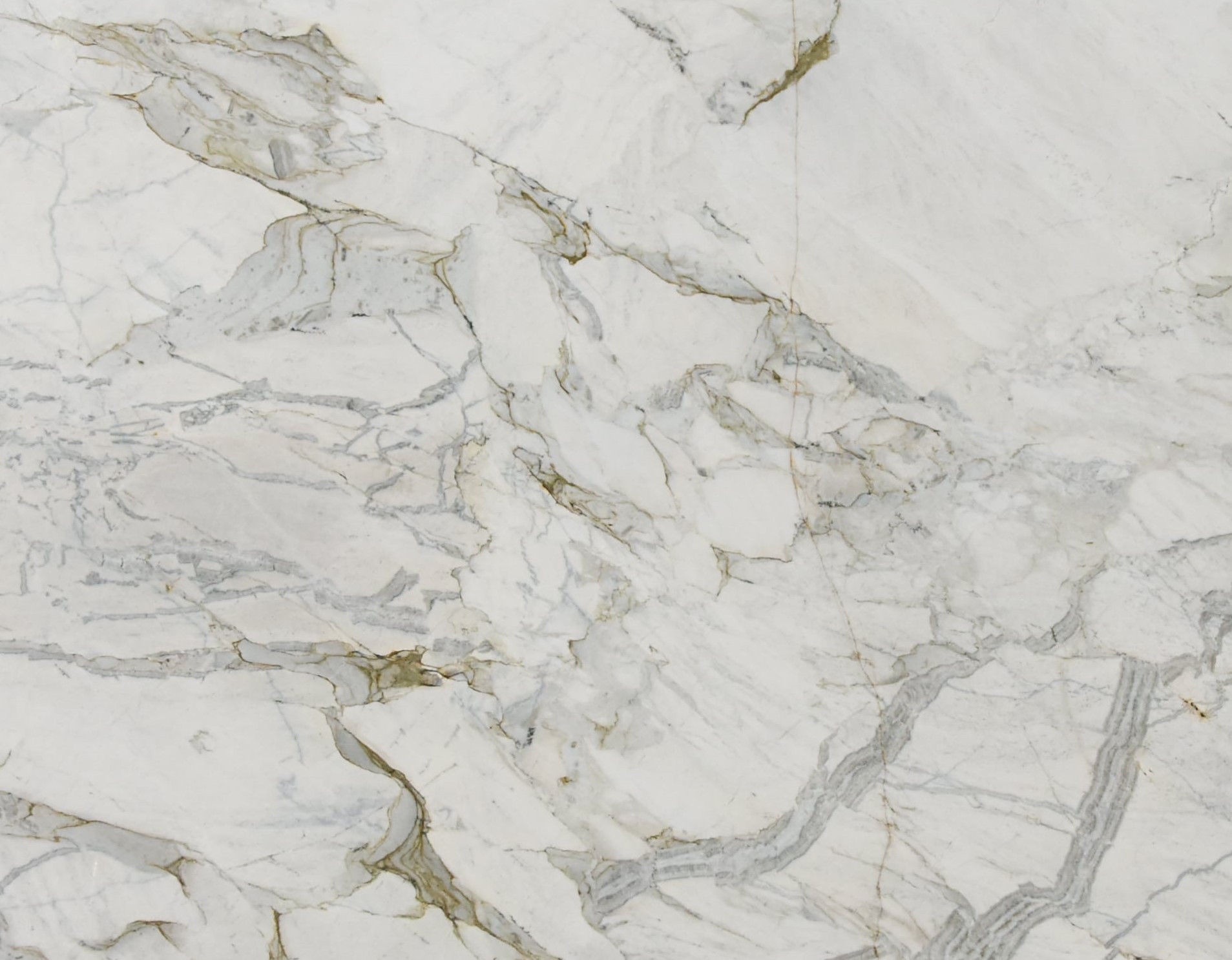
1. Mont Blanc Quartzite
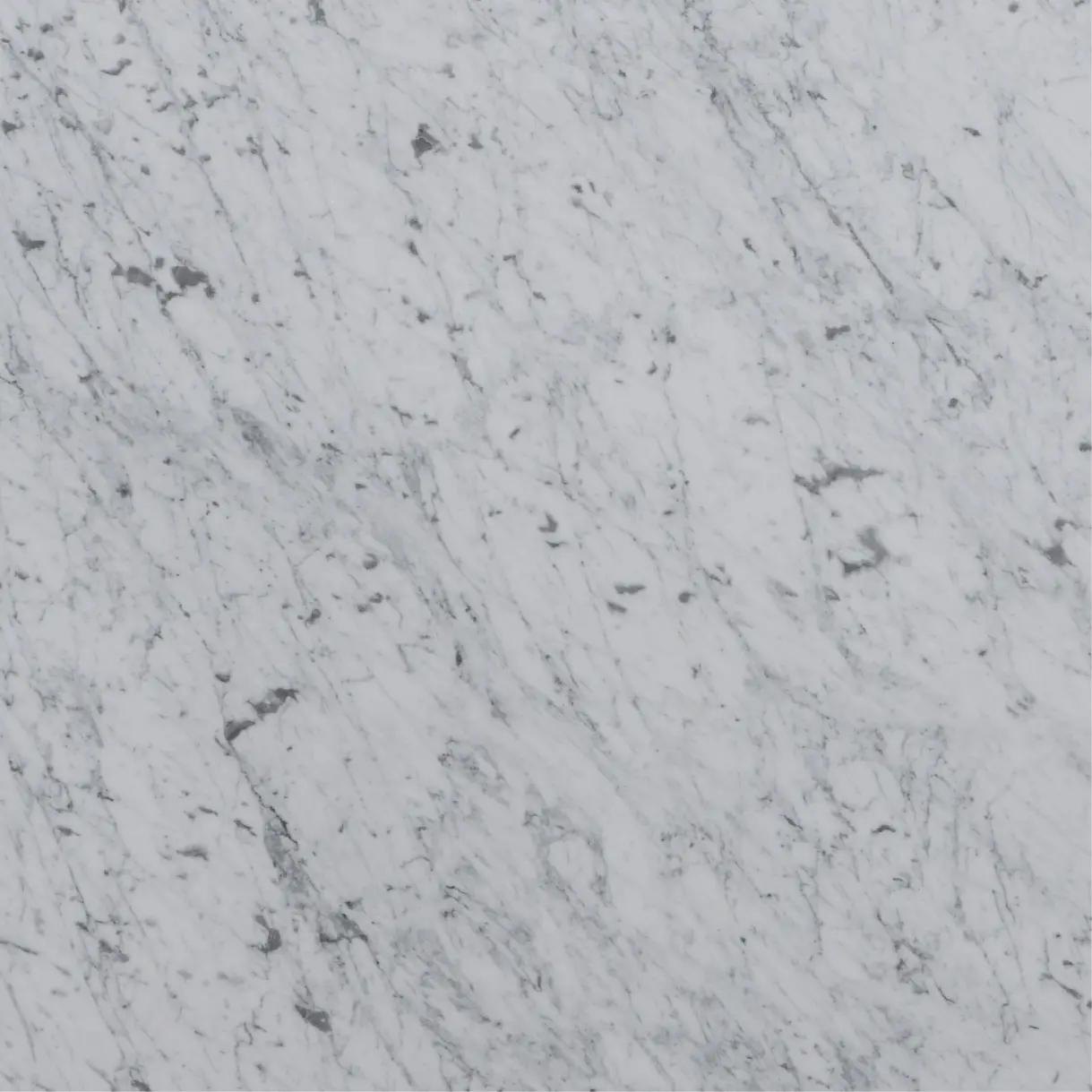
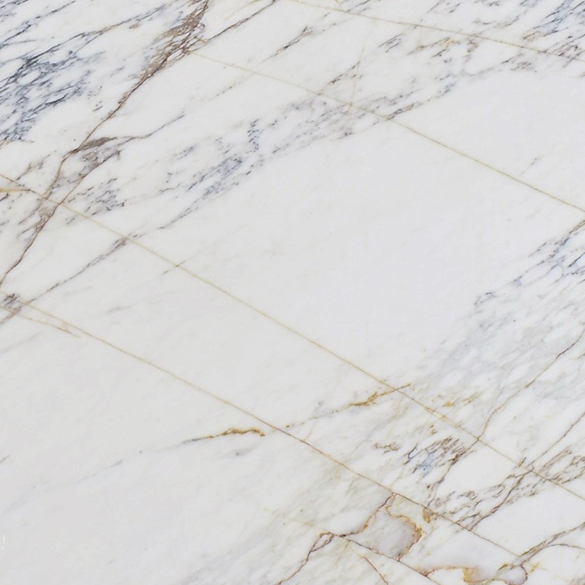
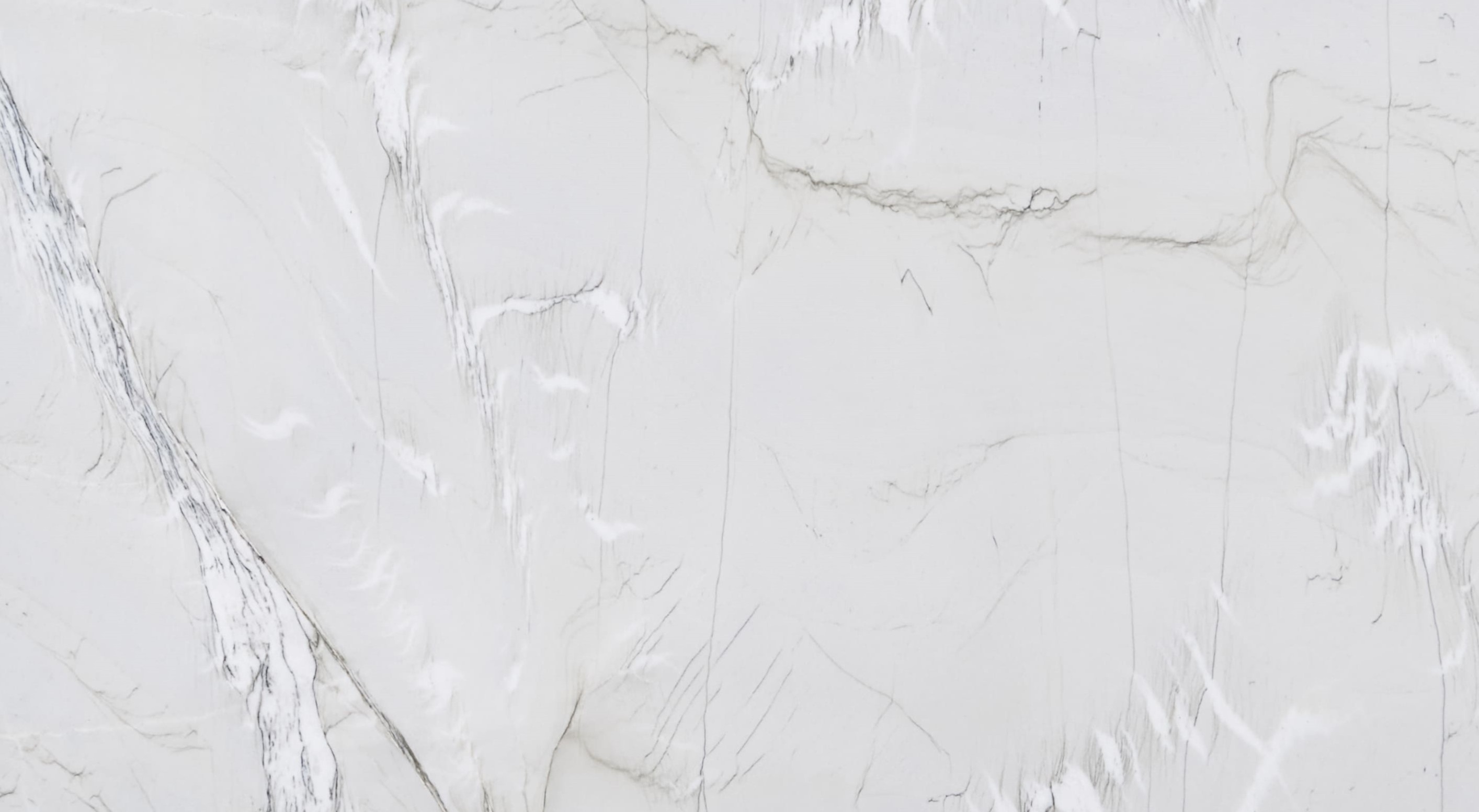
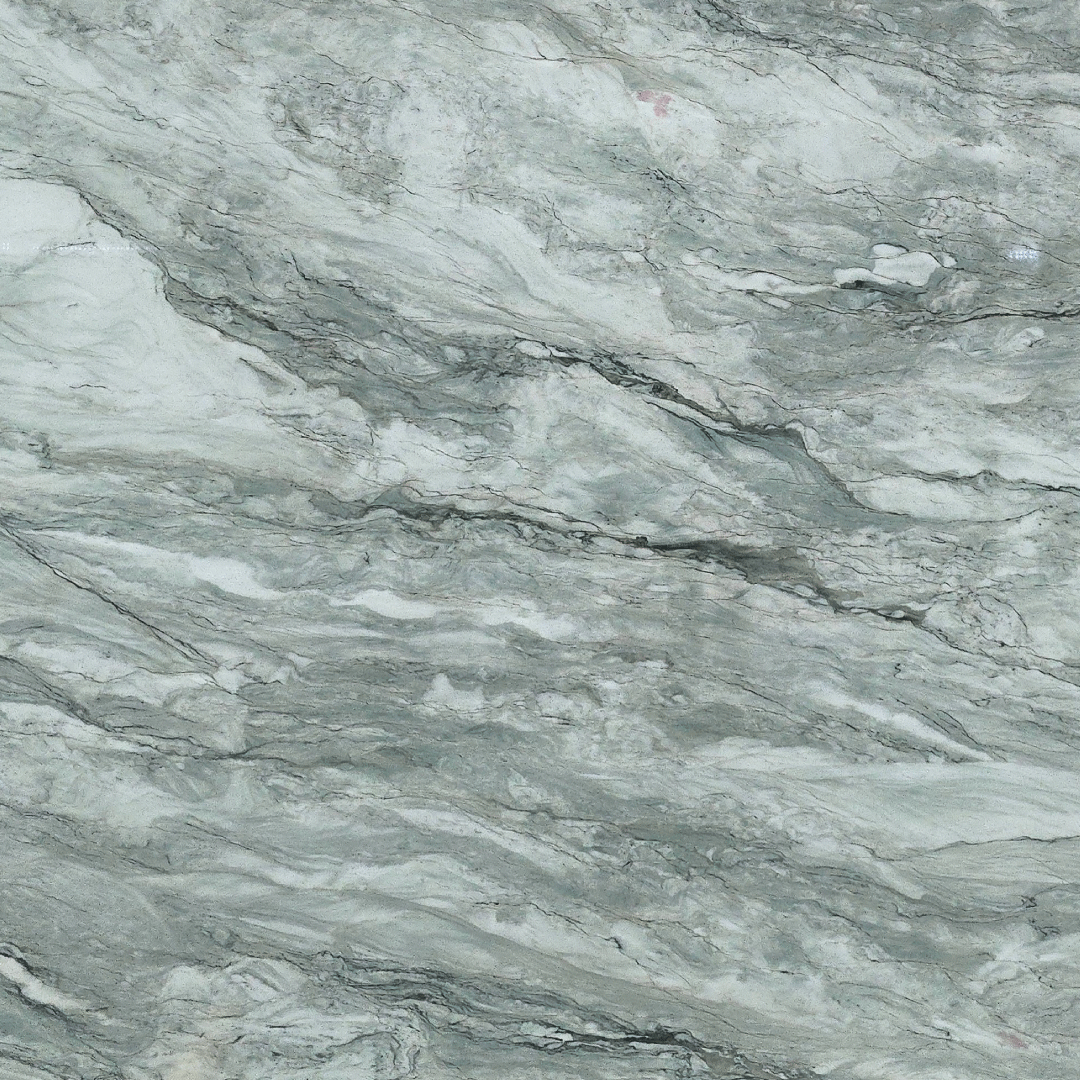
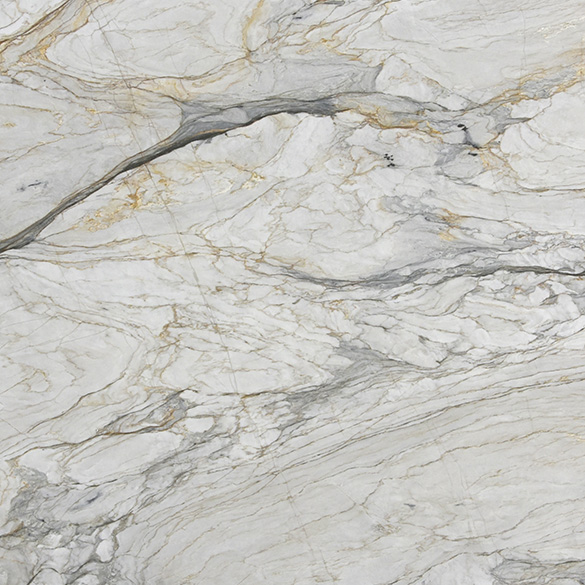
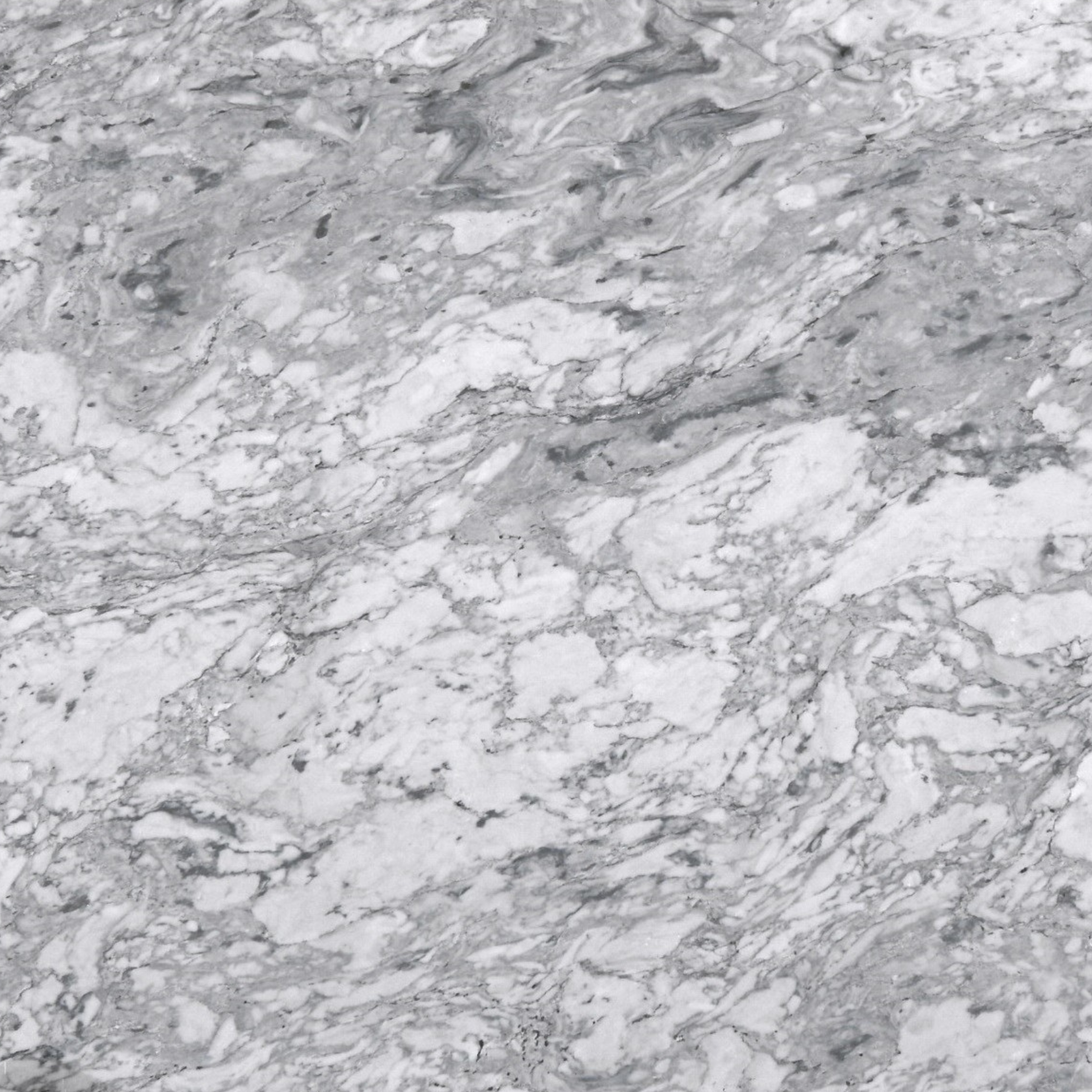
Known for its bright and elegant base, Mont Blanc features subtle veins that create a sense of spaciousness and refined sophistication.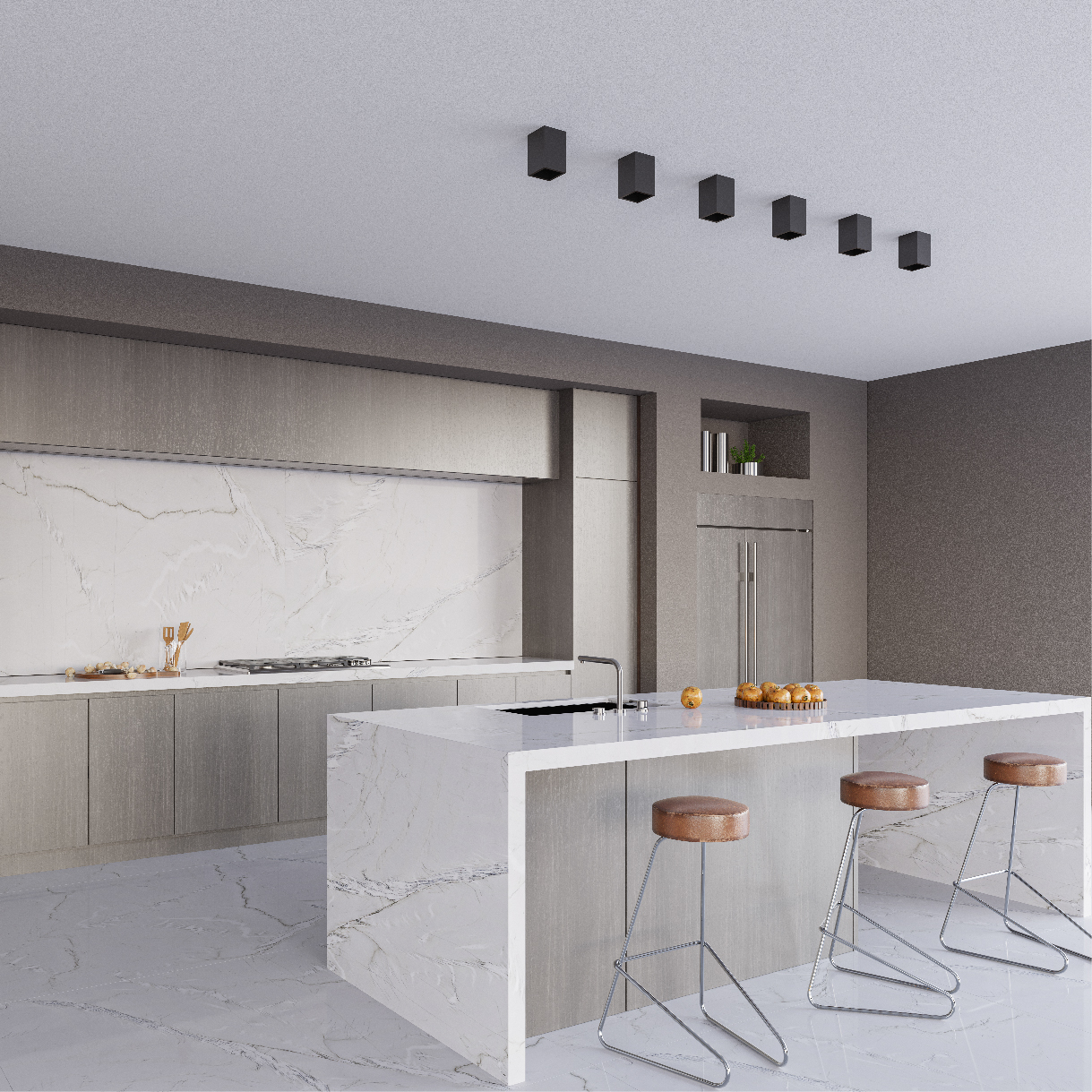
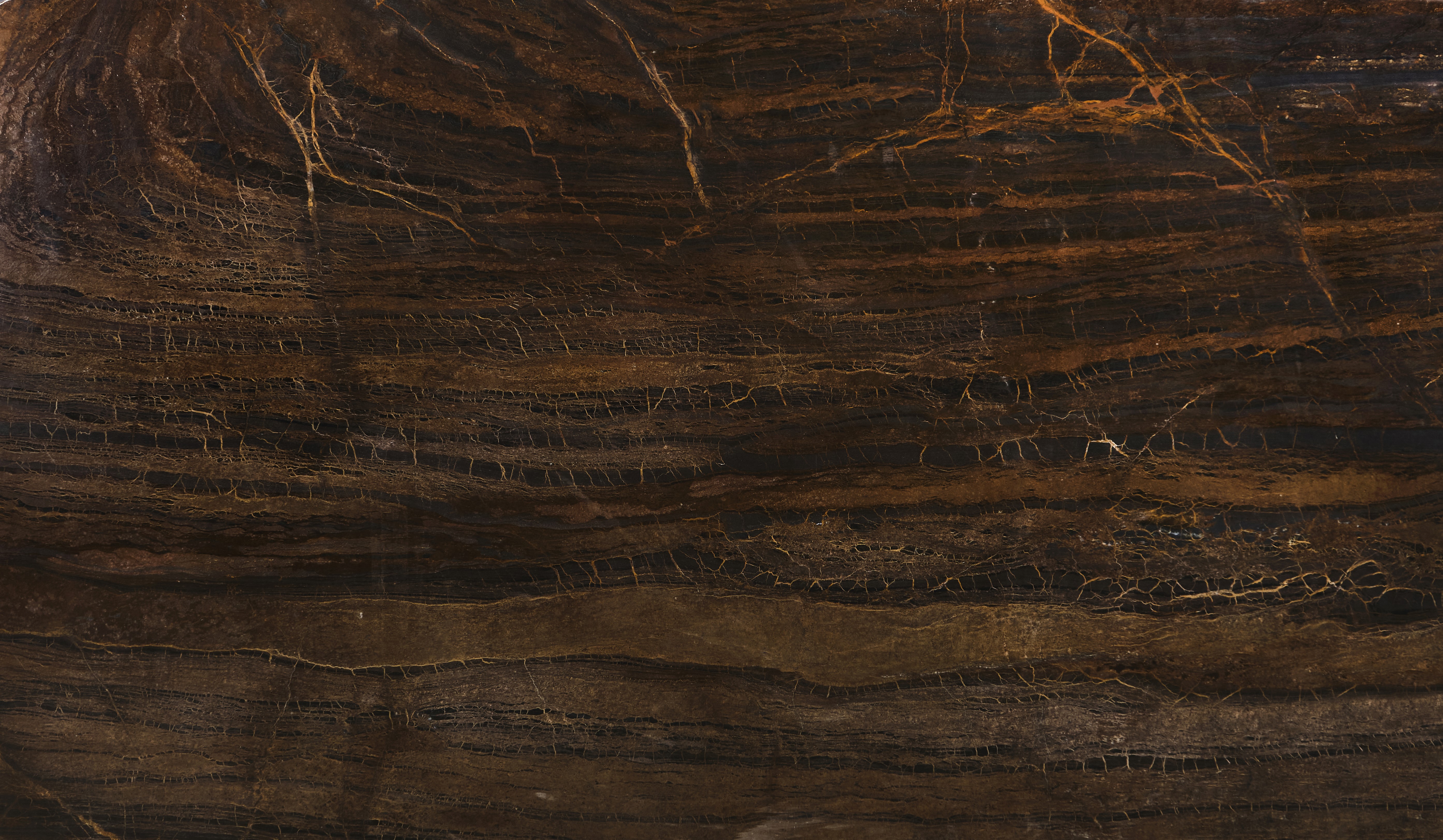
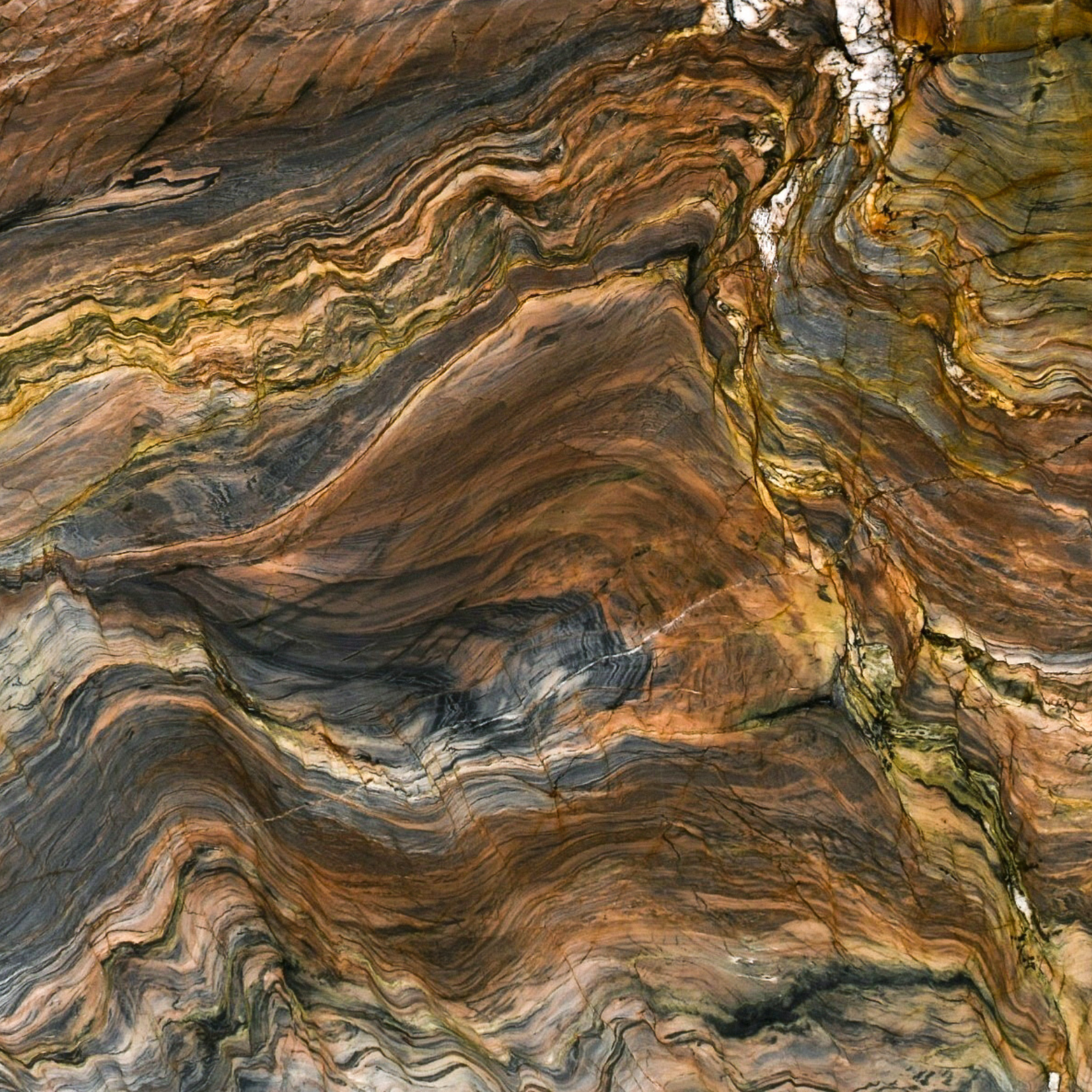
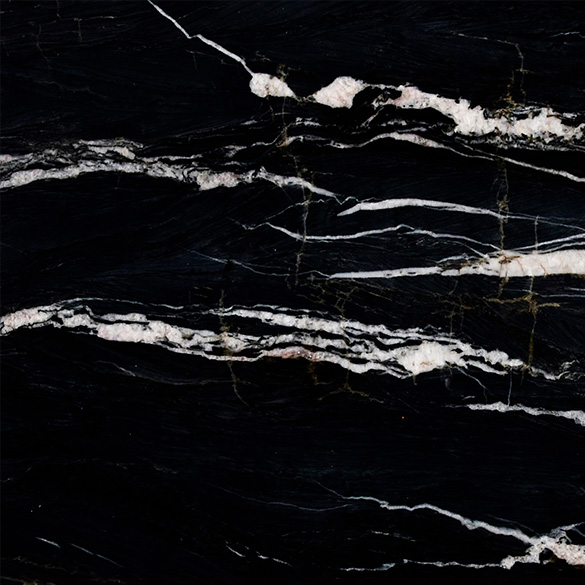
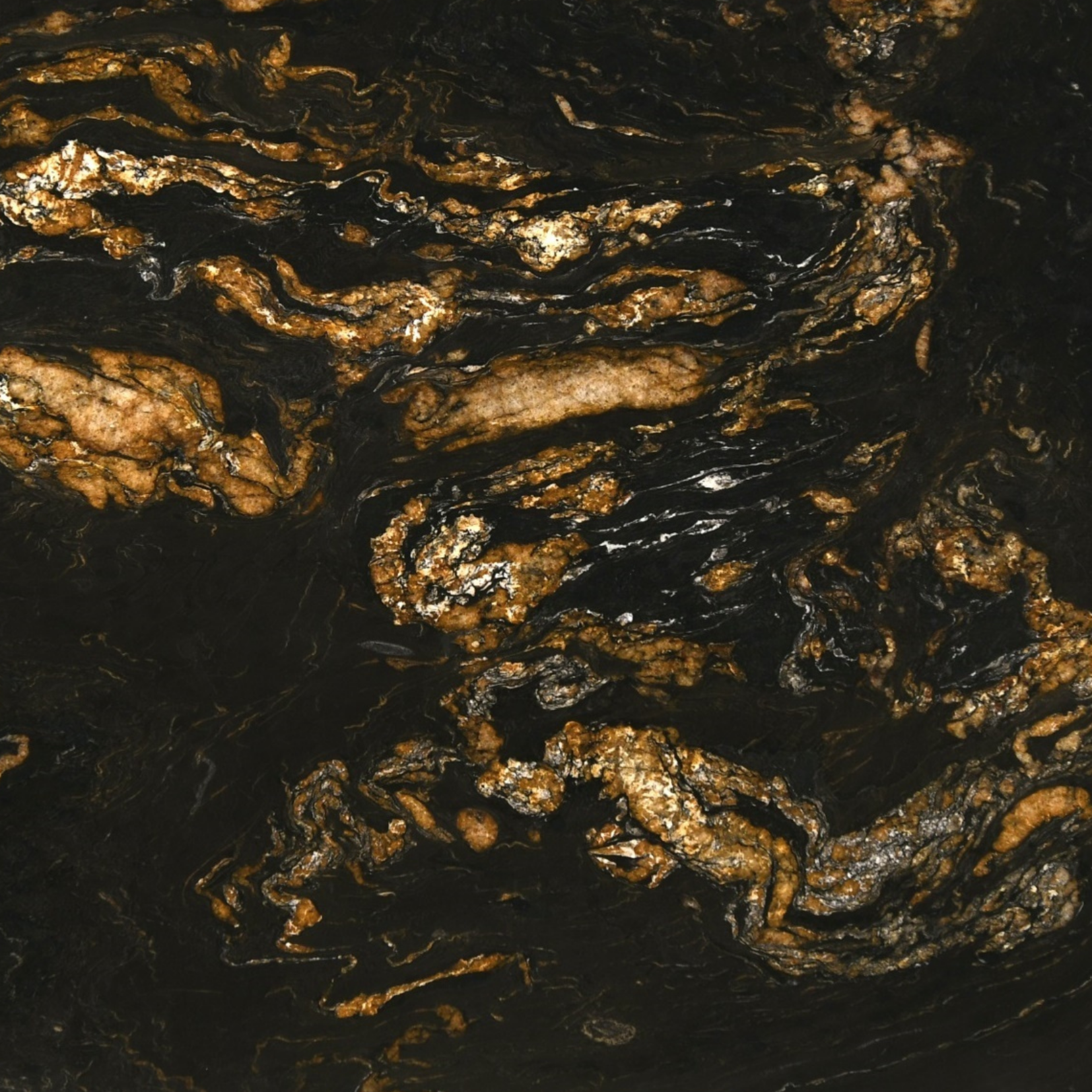
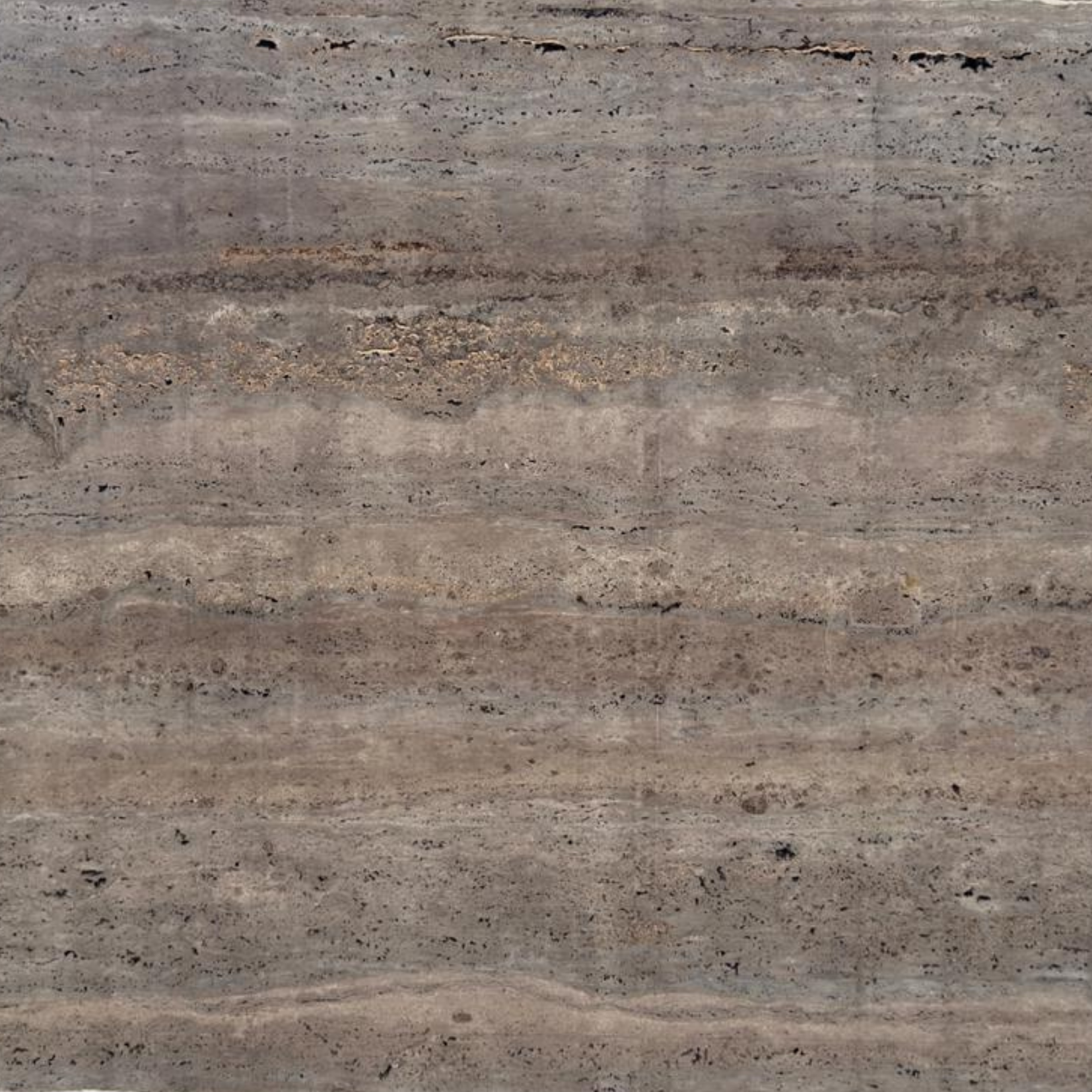
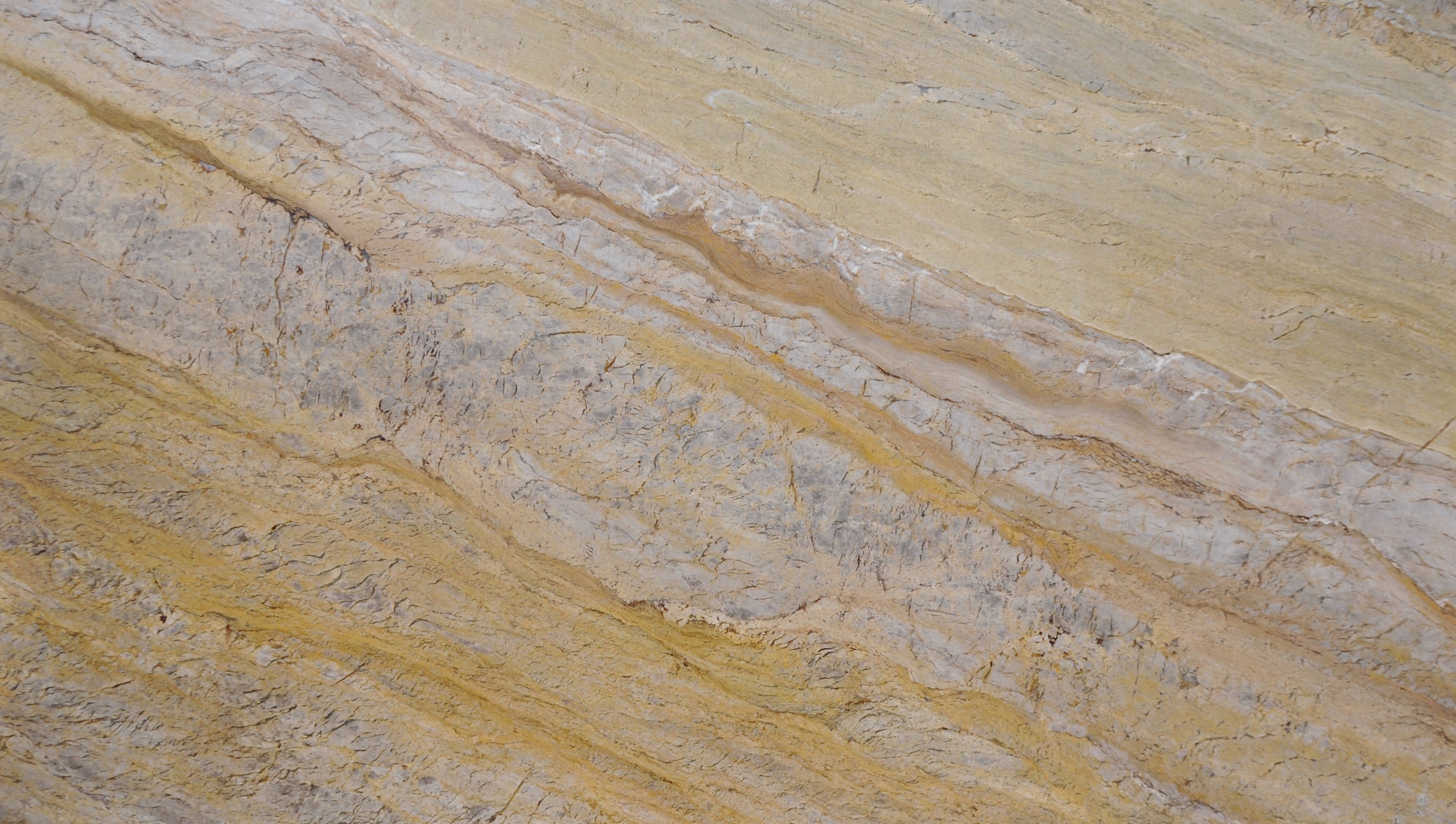
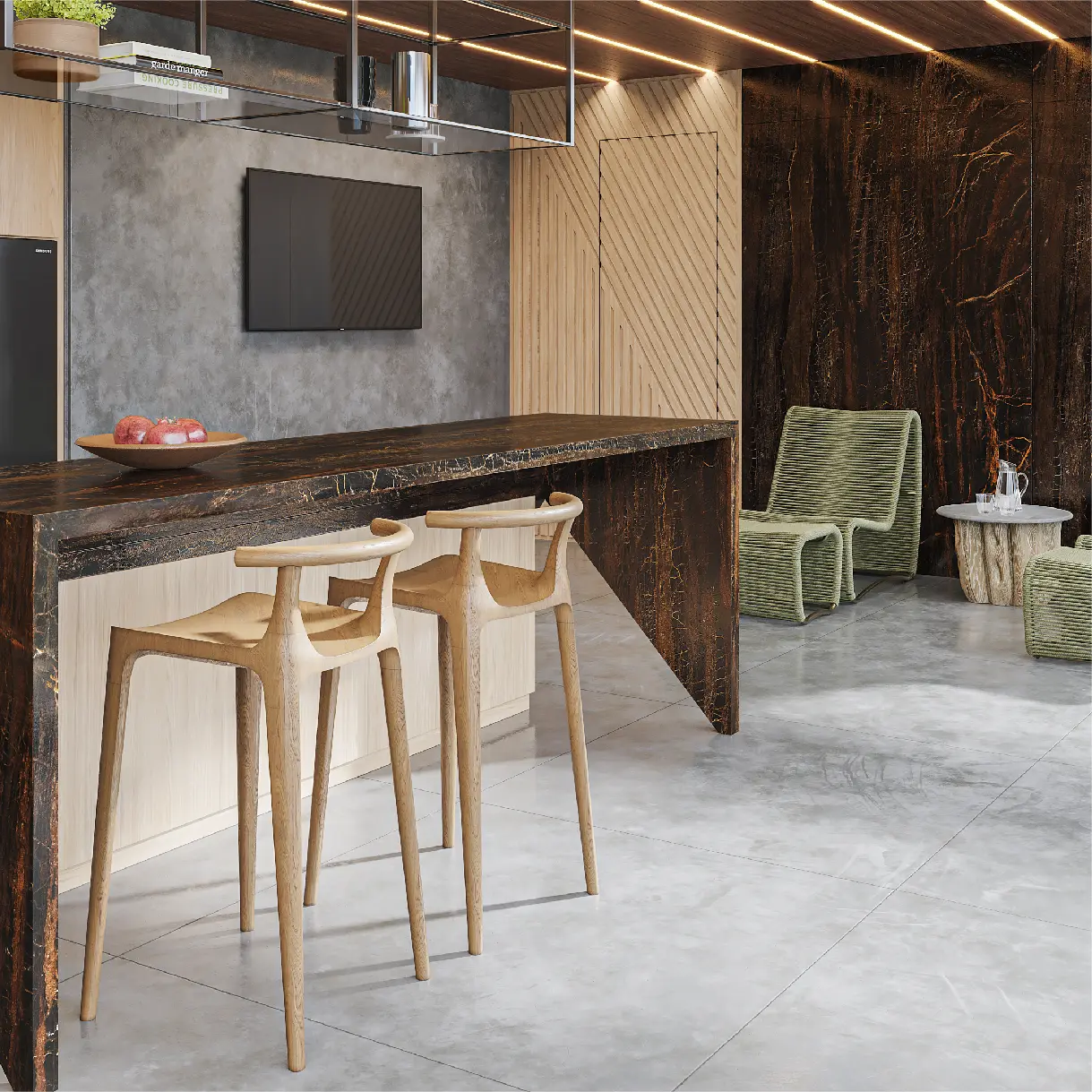
2. Bronzite Quartzite
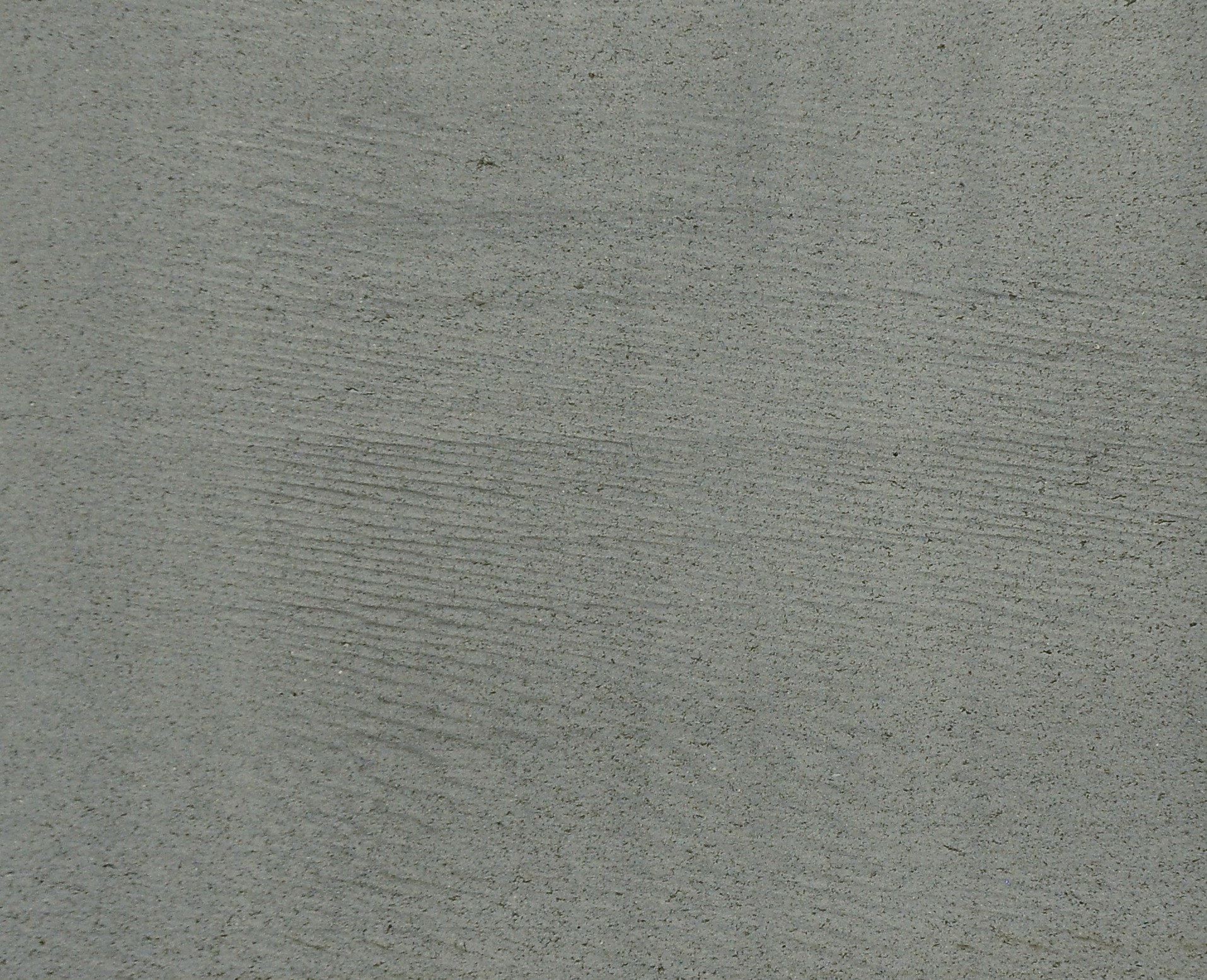
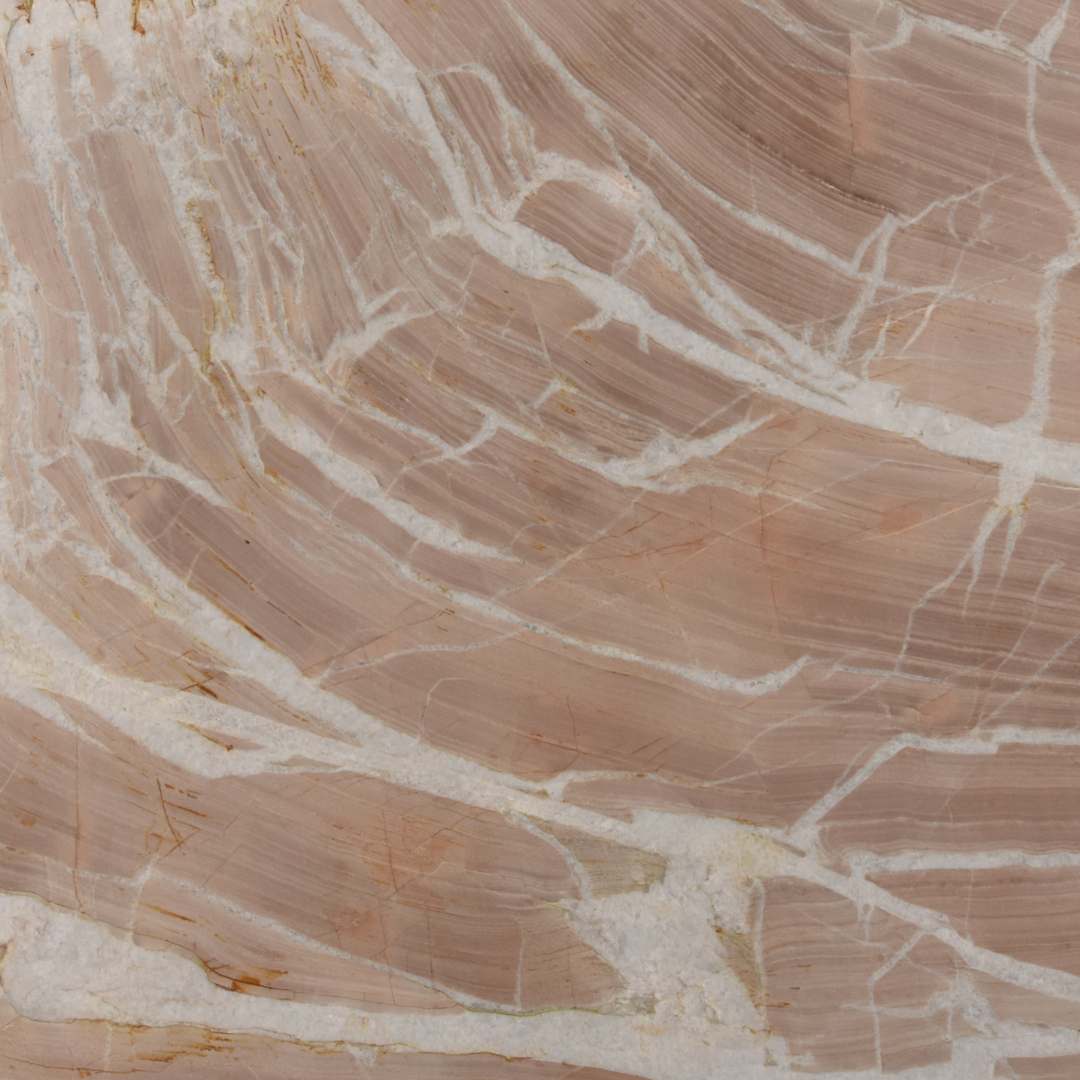
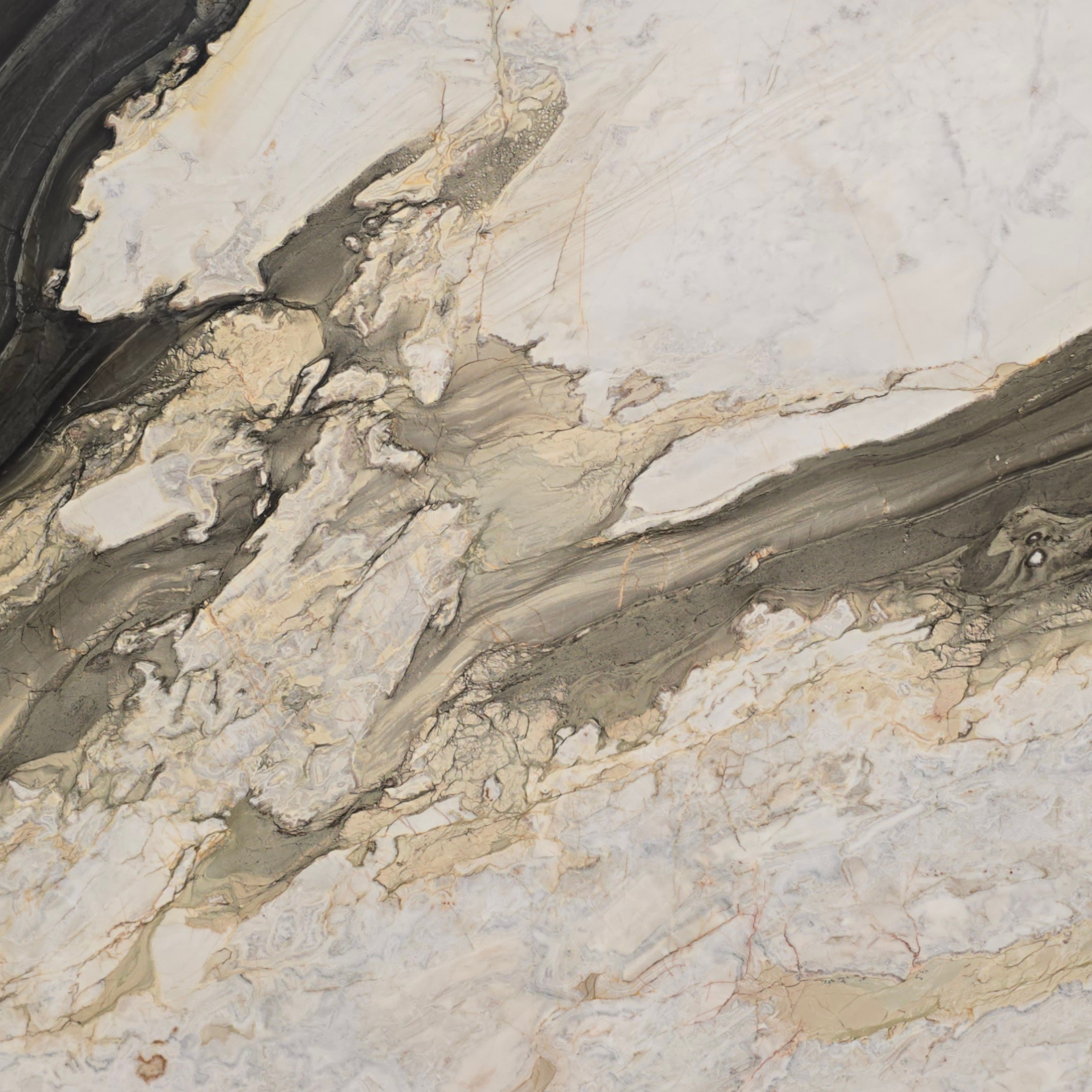
Bronzite has a warm, brown hue with golden and rustic undertones that bring coziness and a sense of tradition to the space.
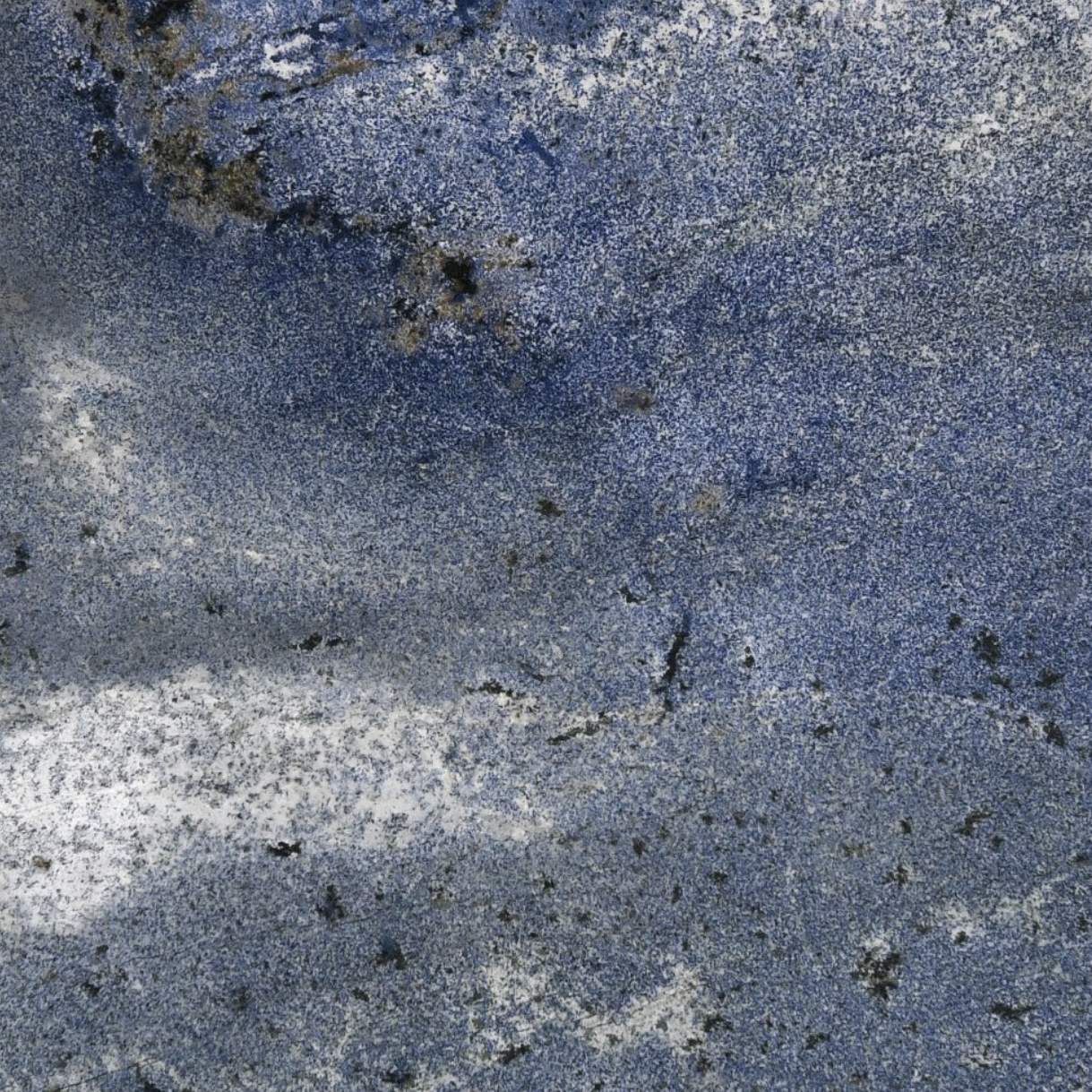
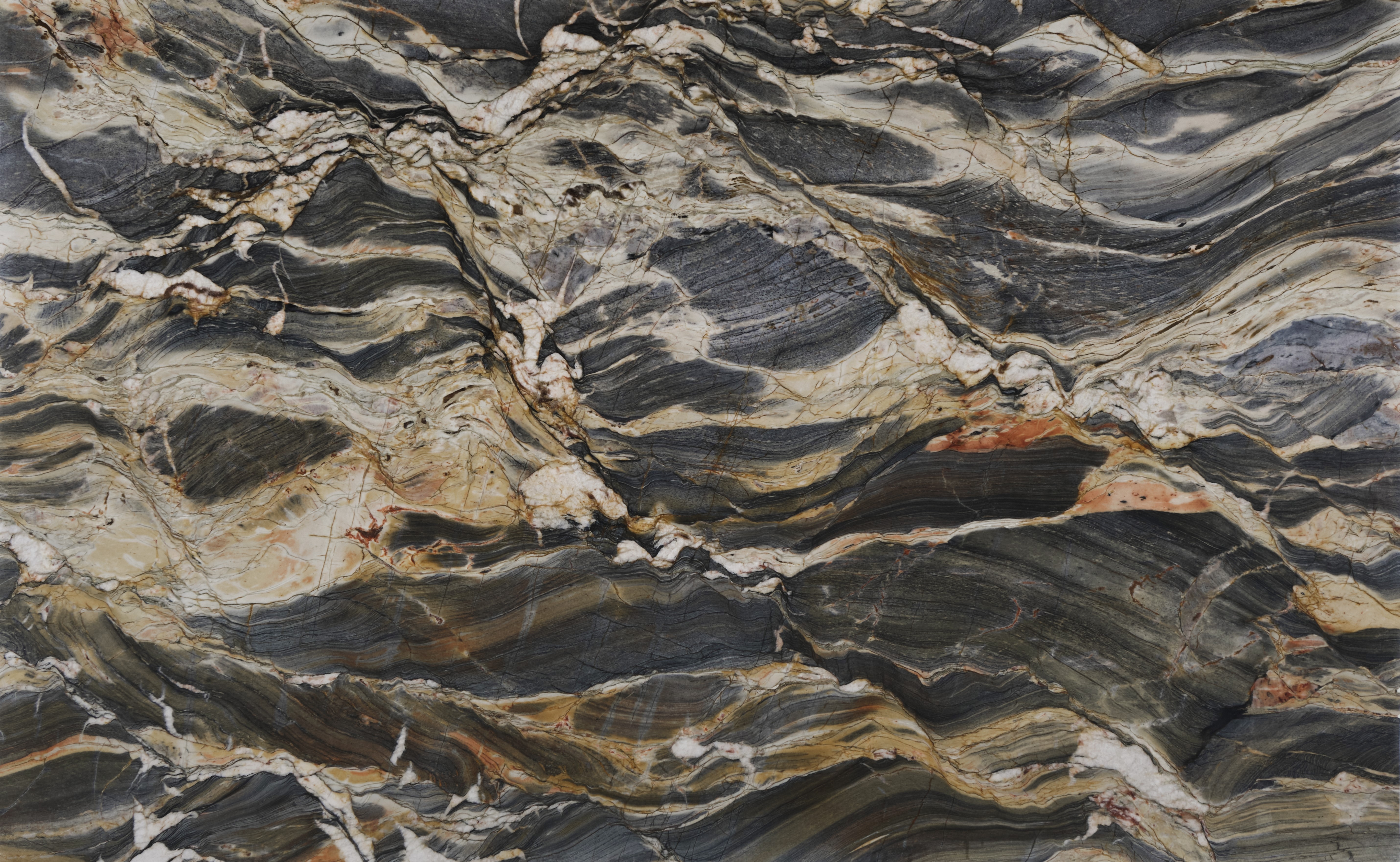
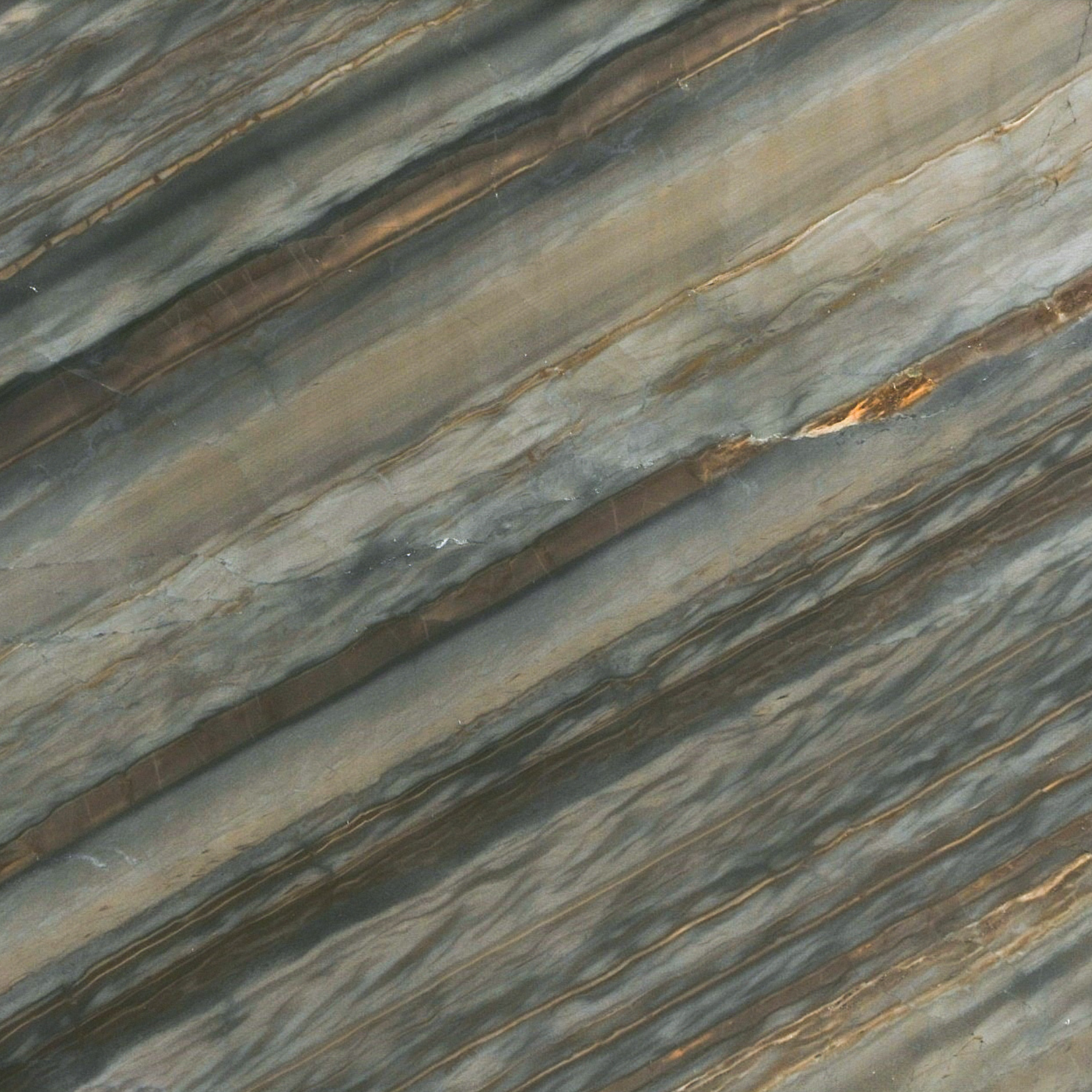
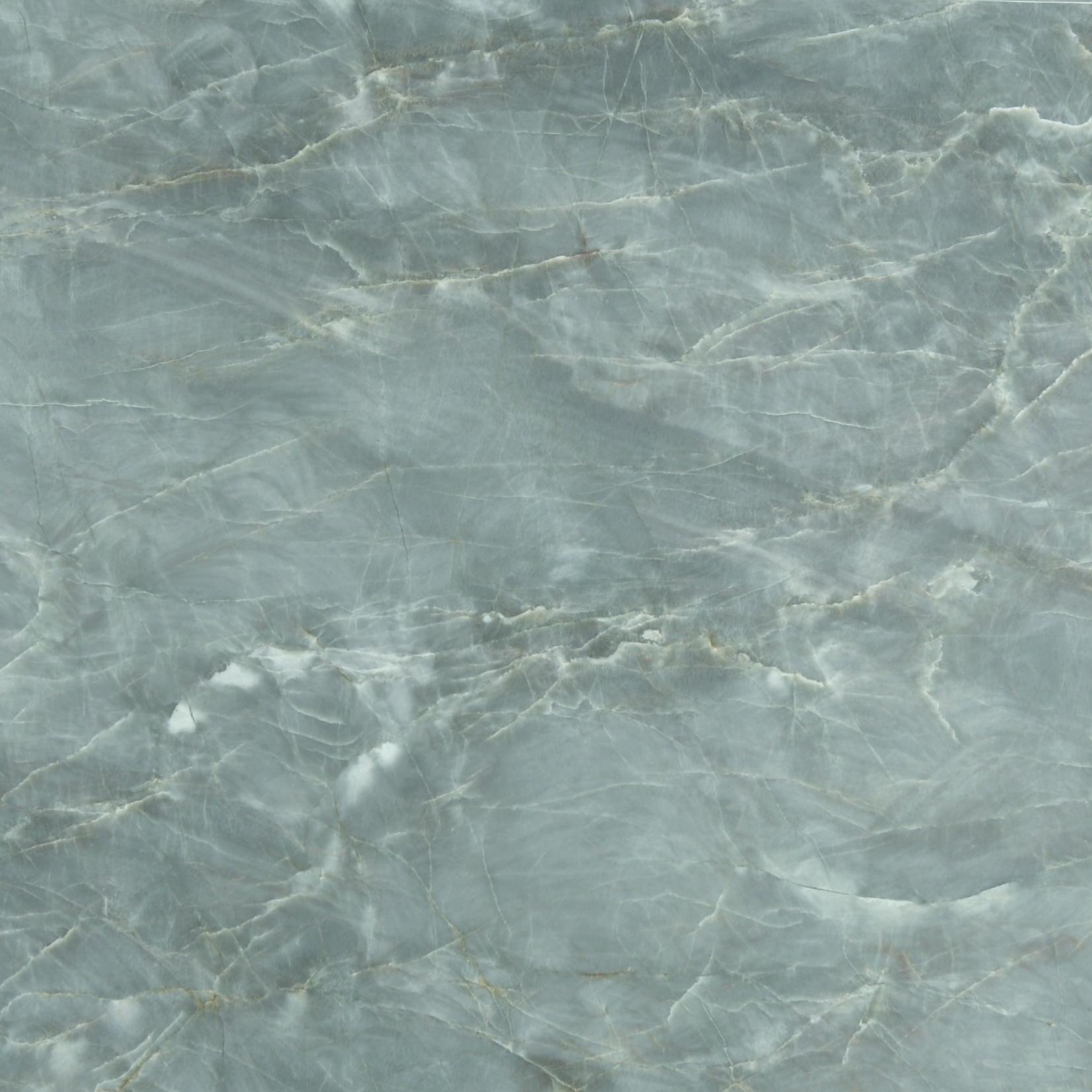
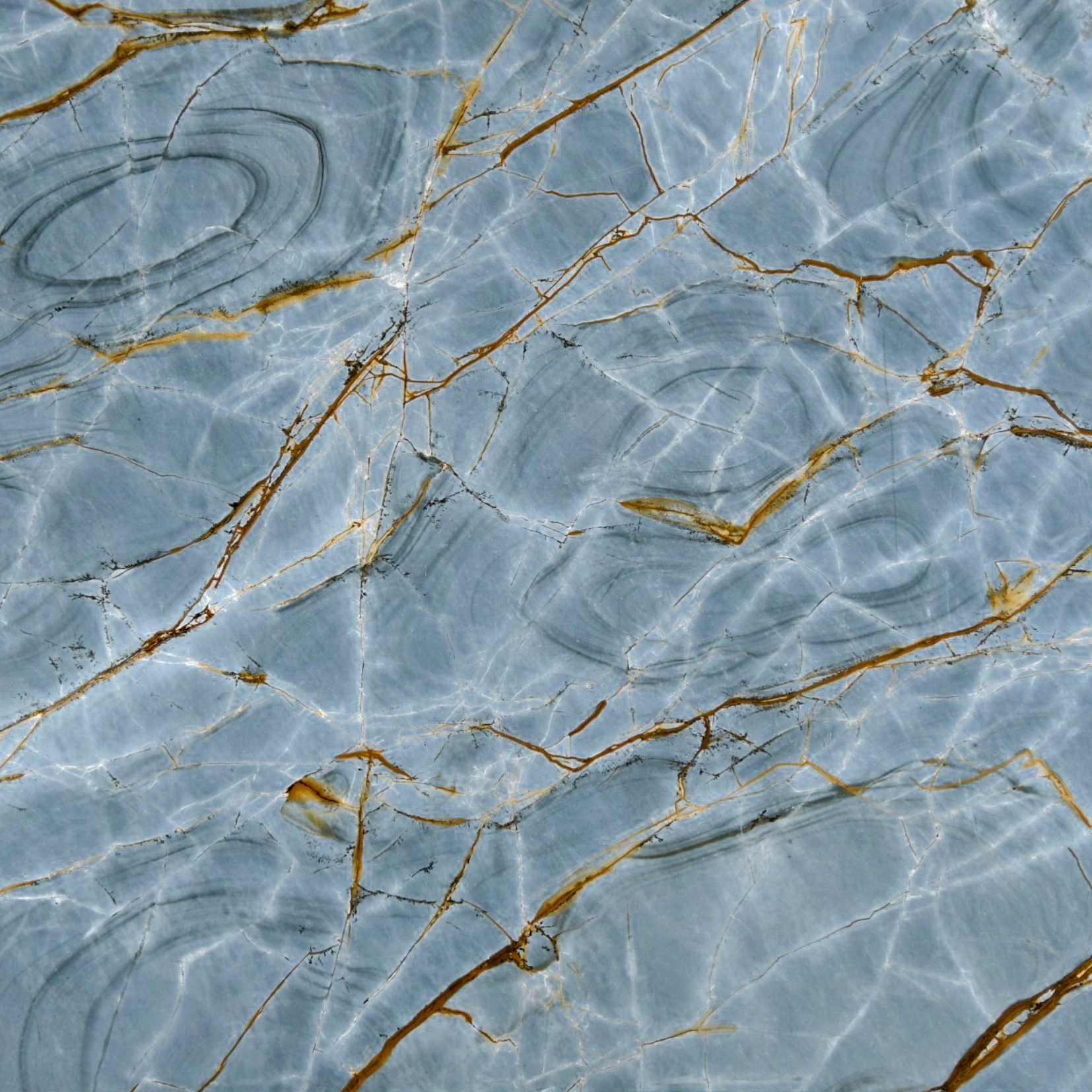
3. Mystic Blue Quartzite
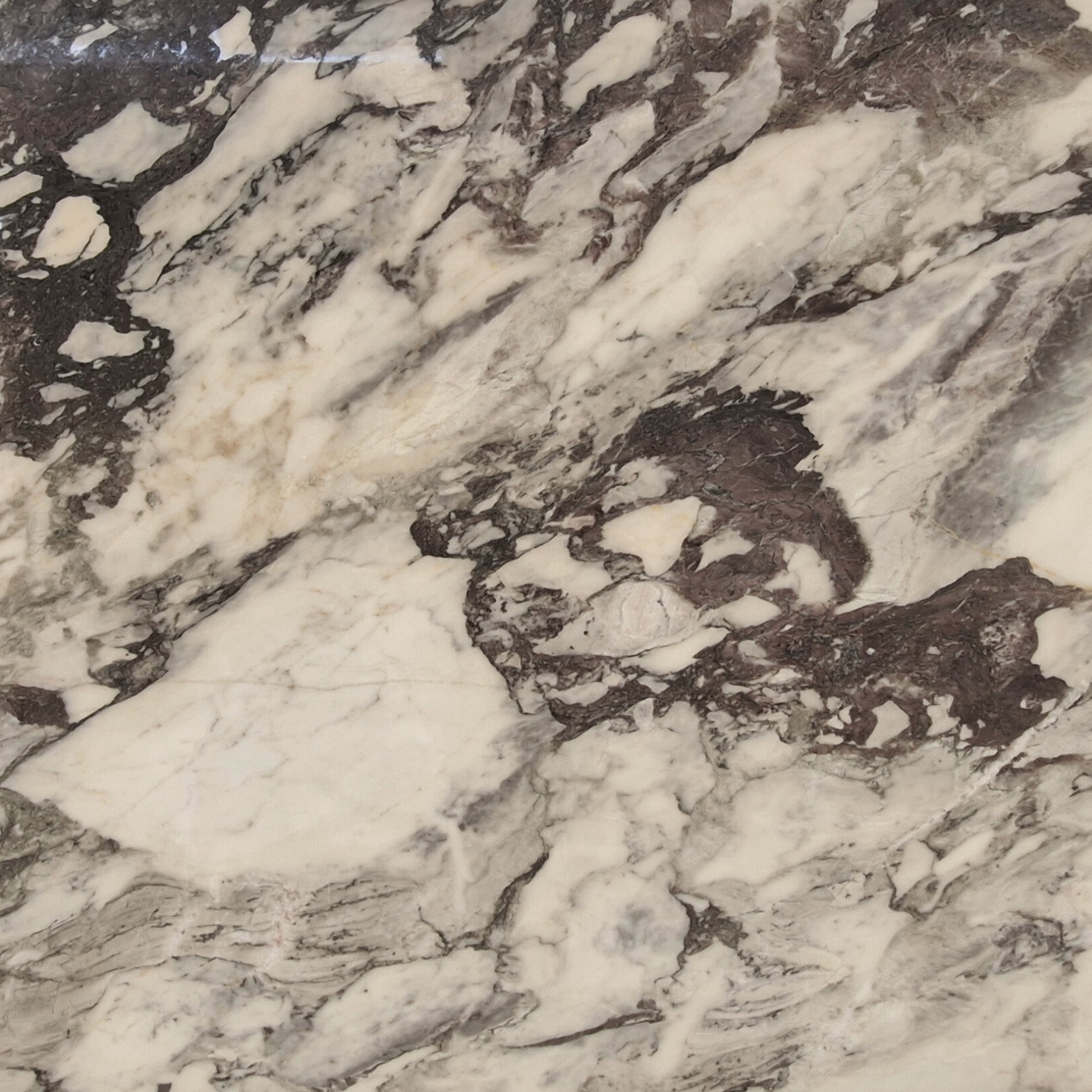
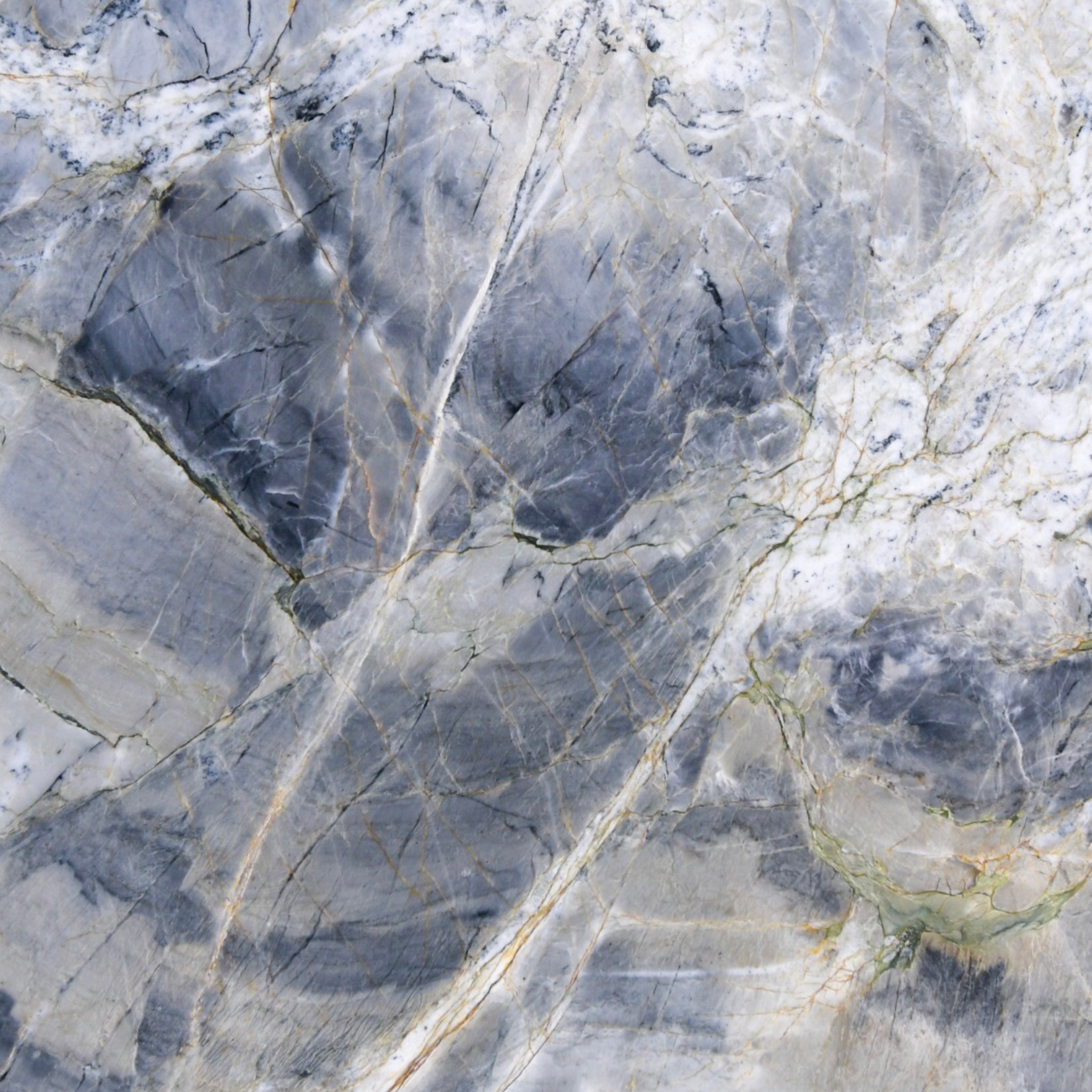
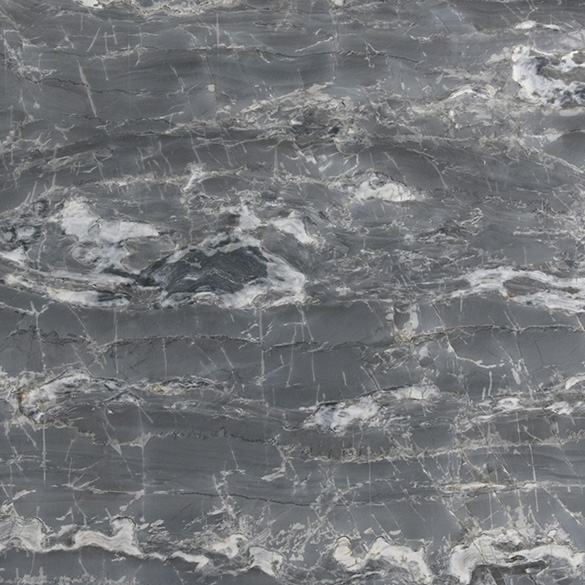
A quartzite with bluish coloring and violet undertones, Mystic Blue is extracted from the central region of Bahia and is perfect for designs seeking originality and exotic appeal.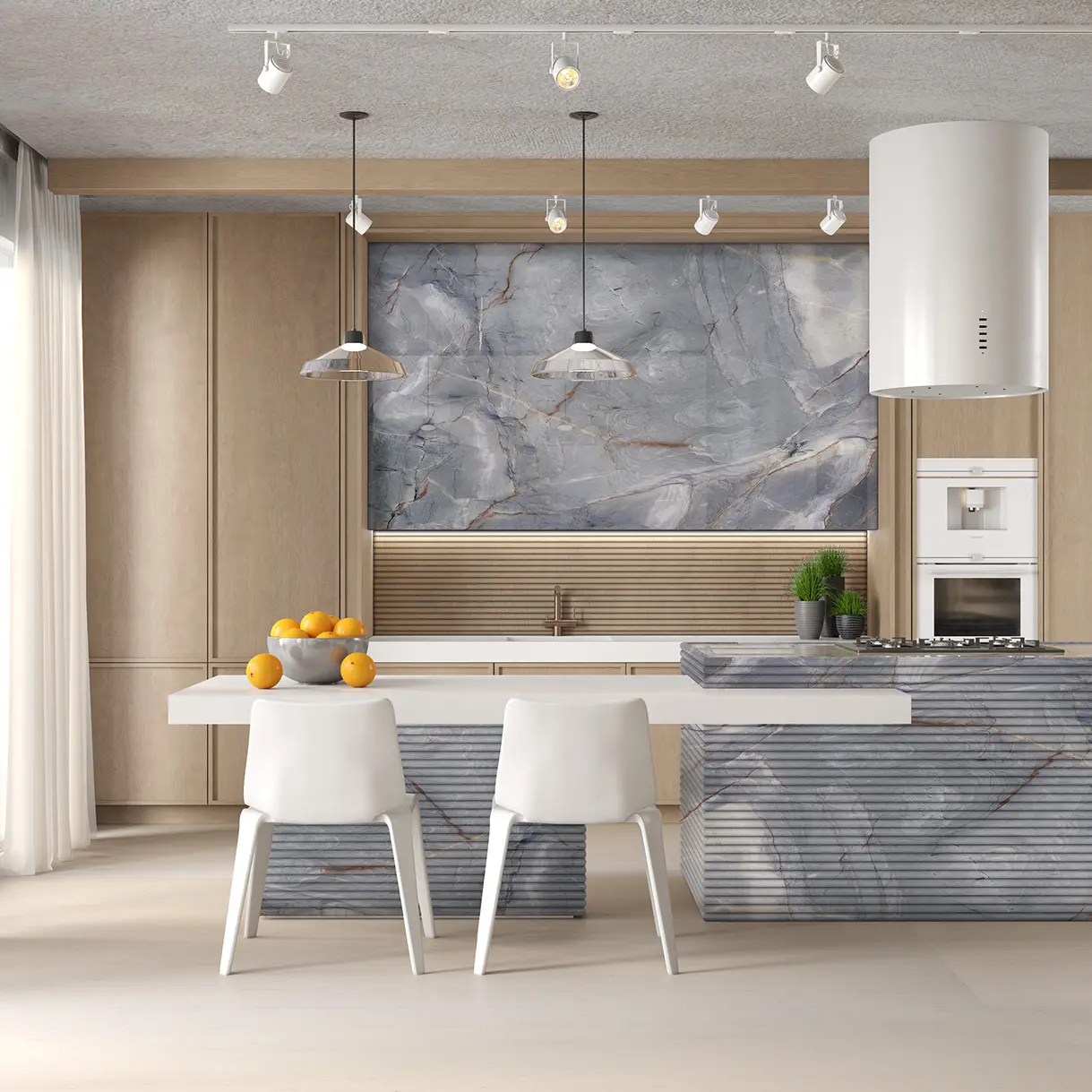
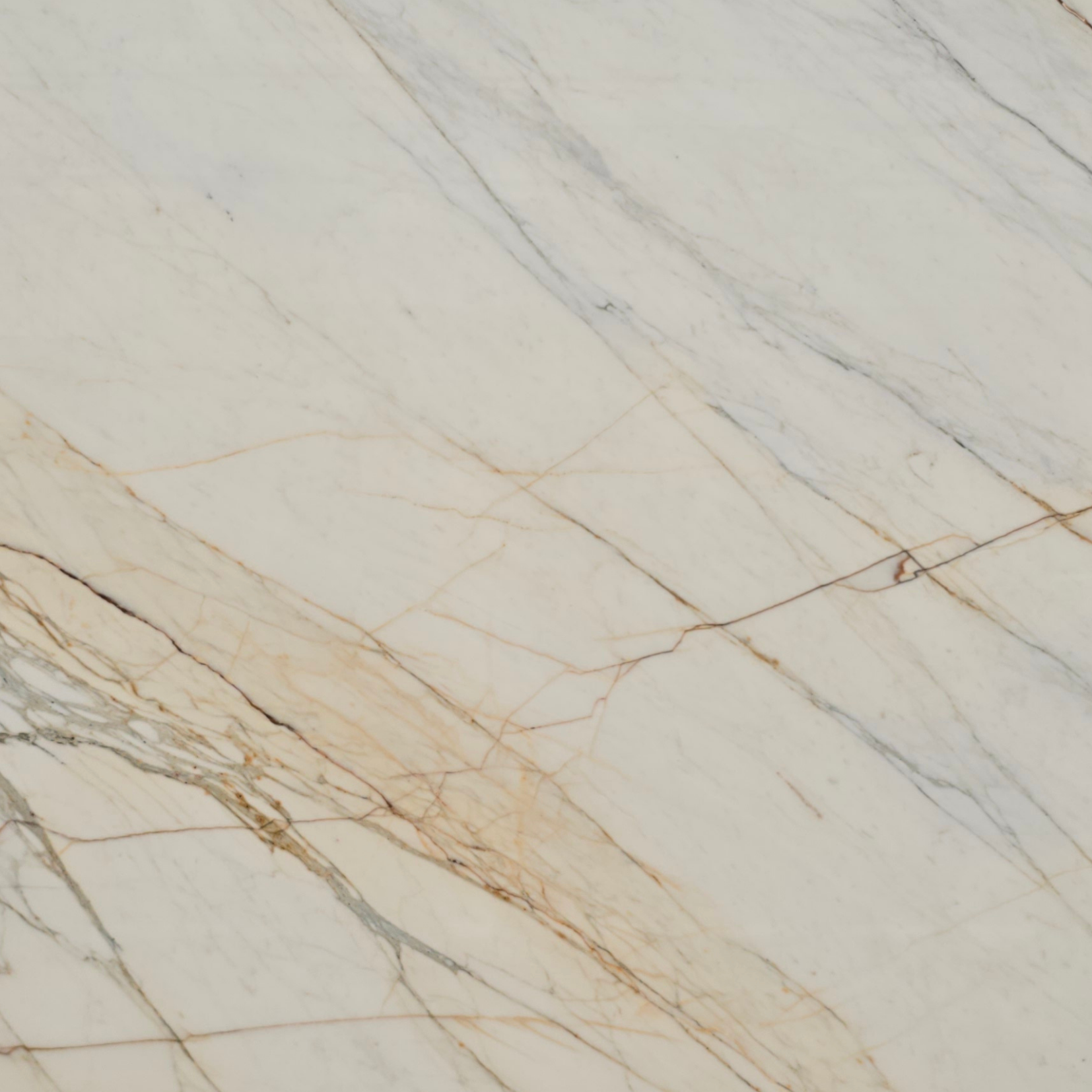
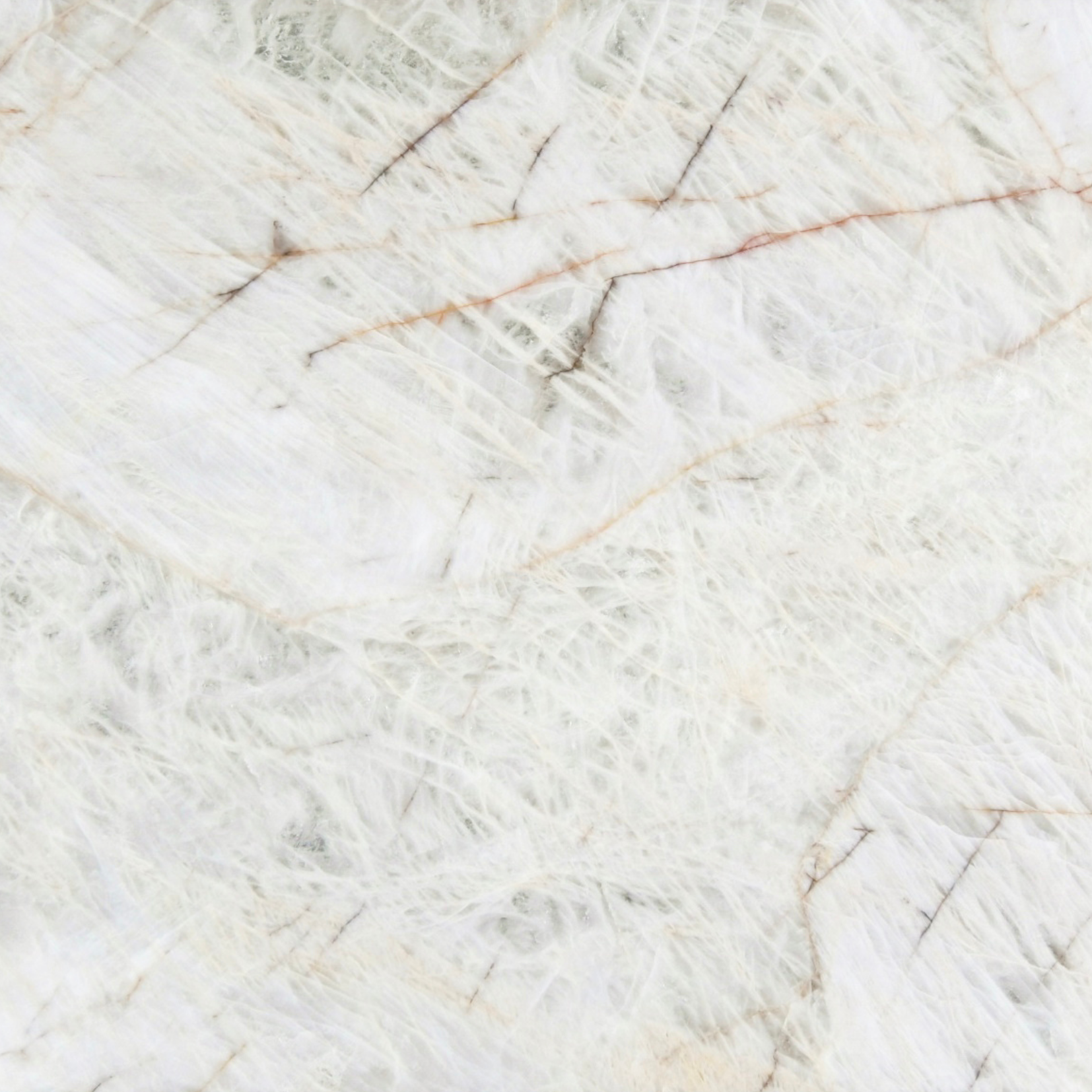
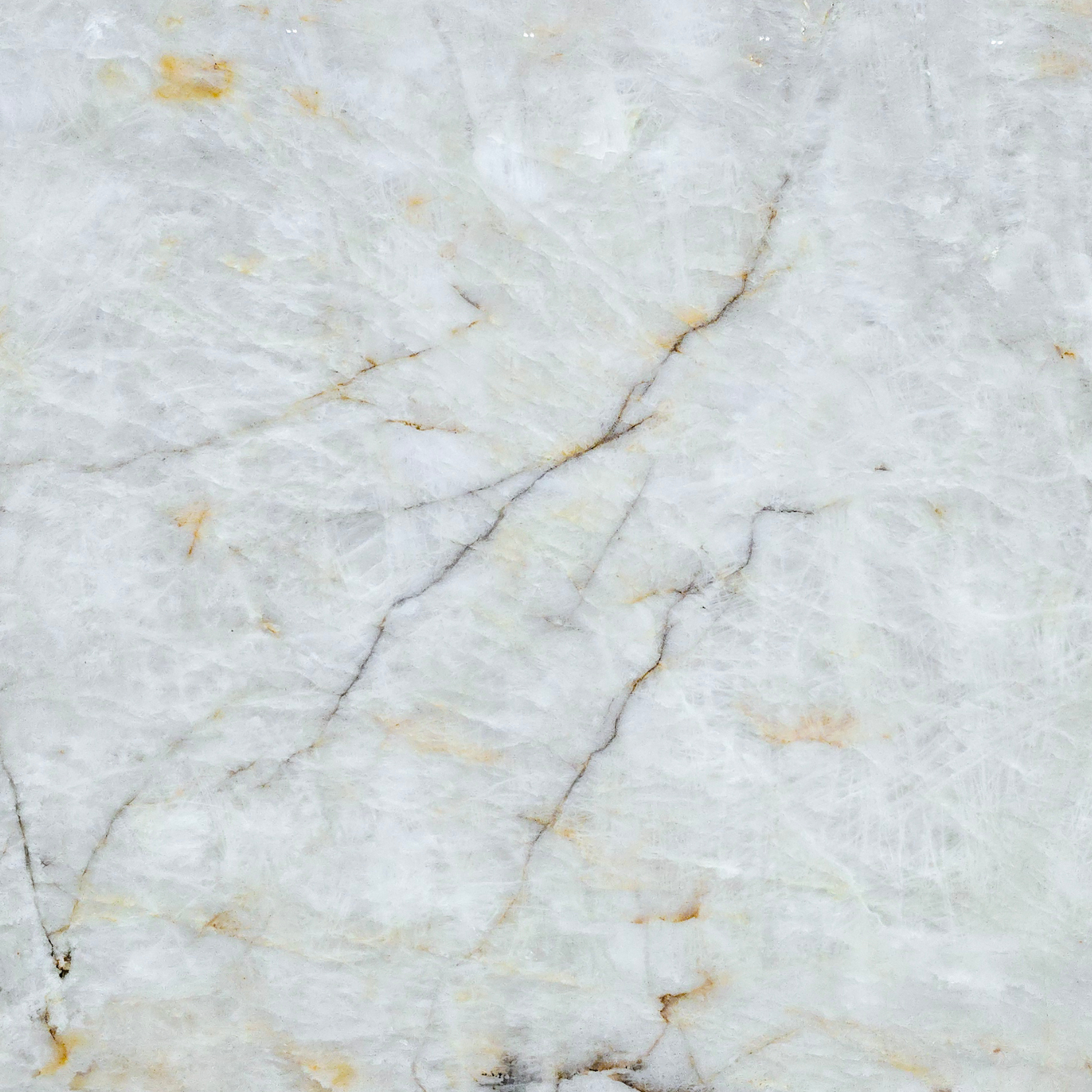
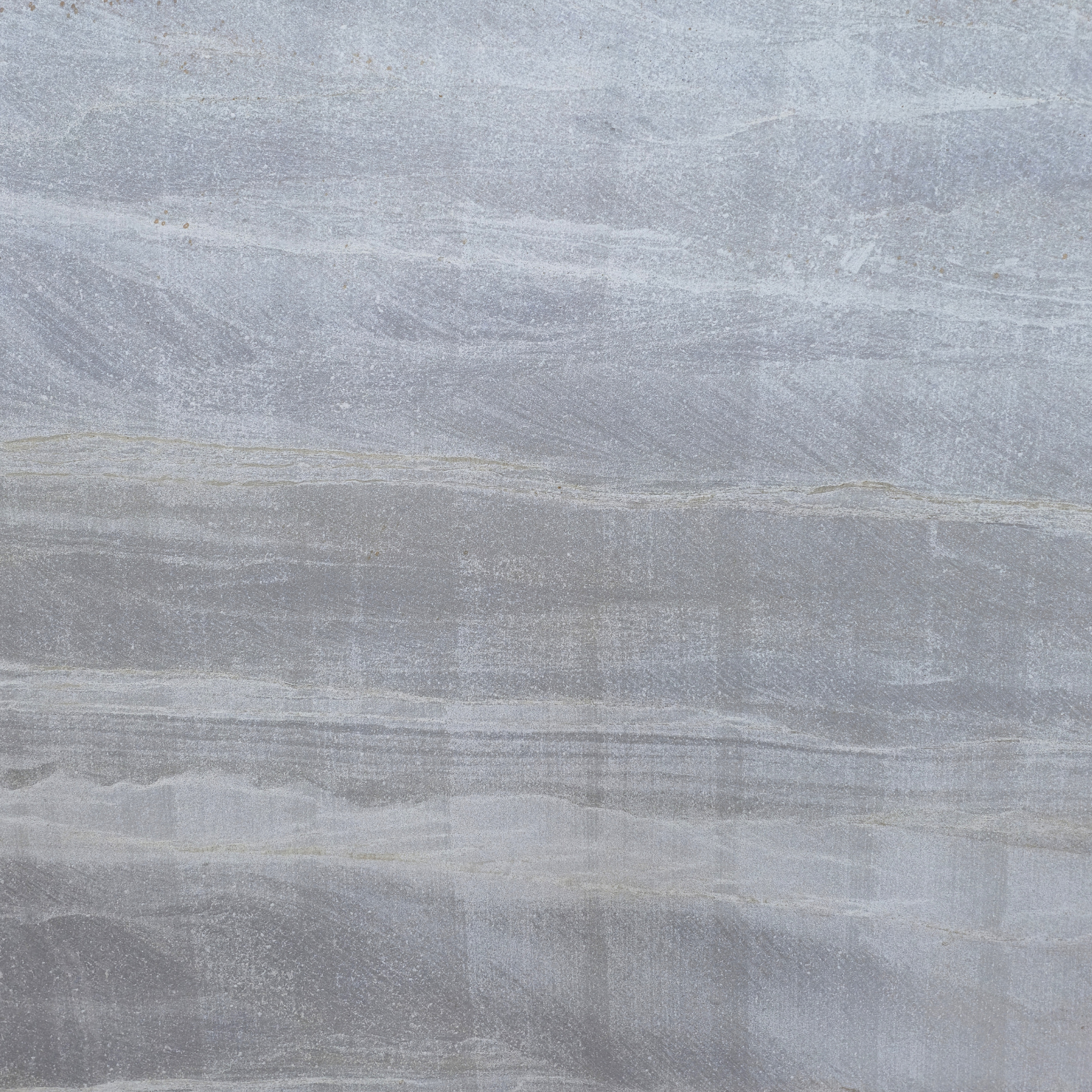
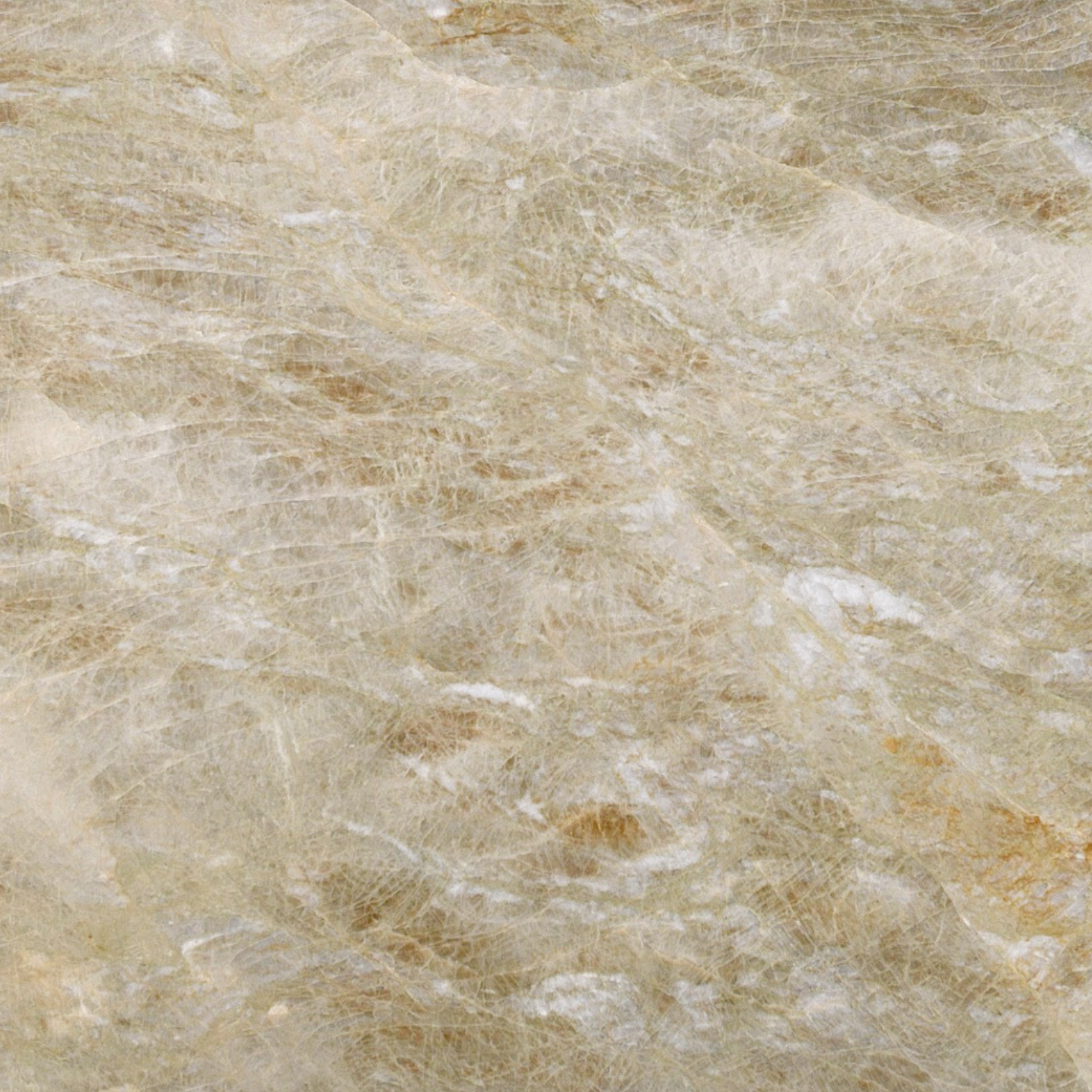
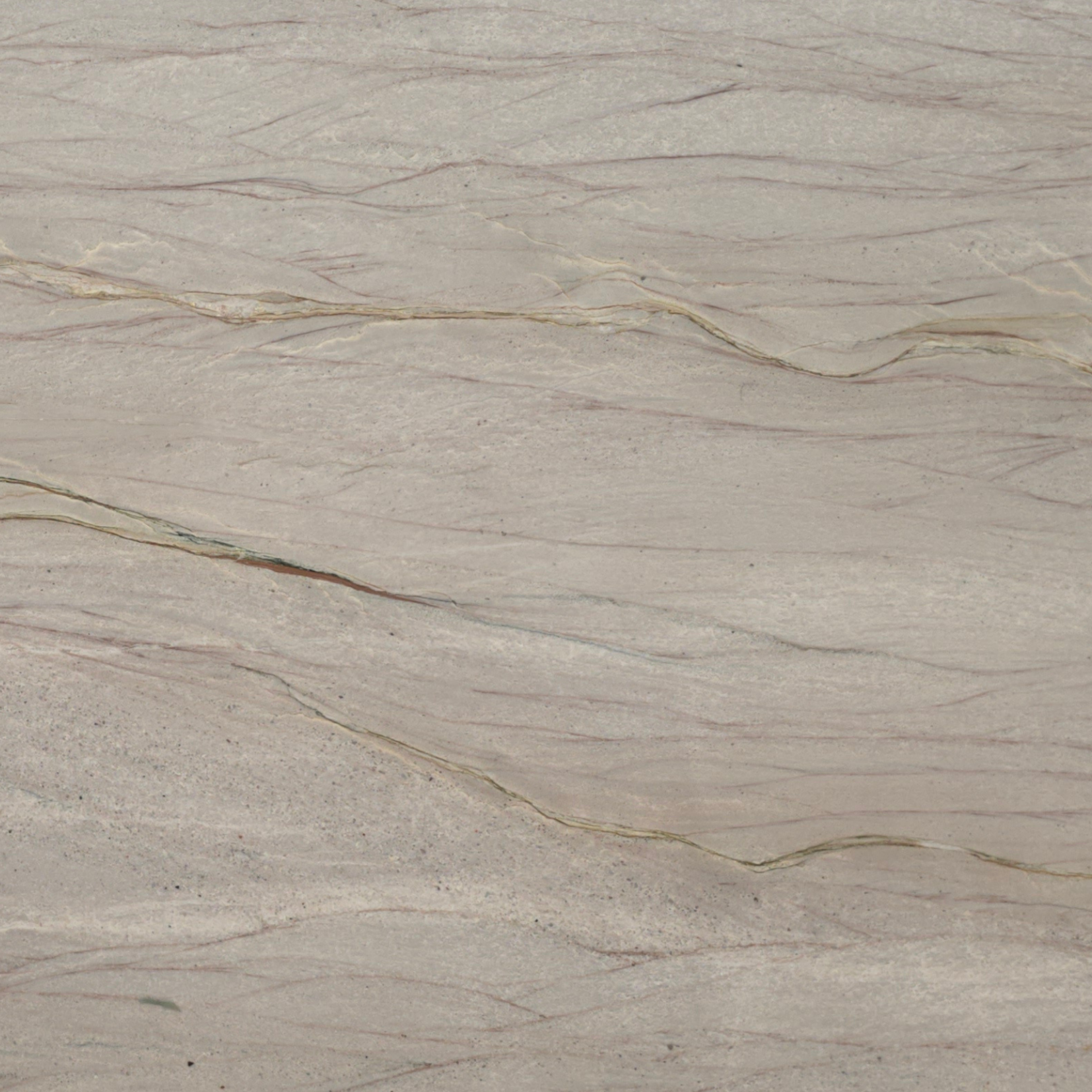
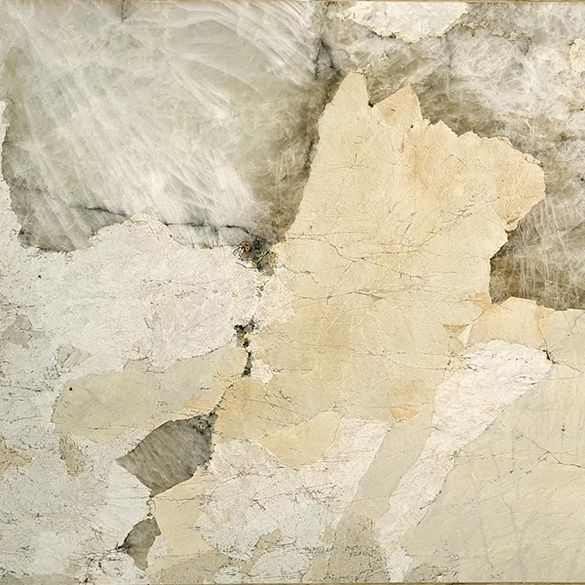
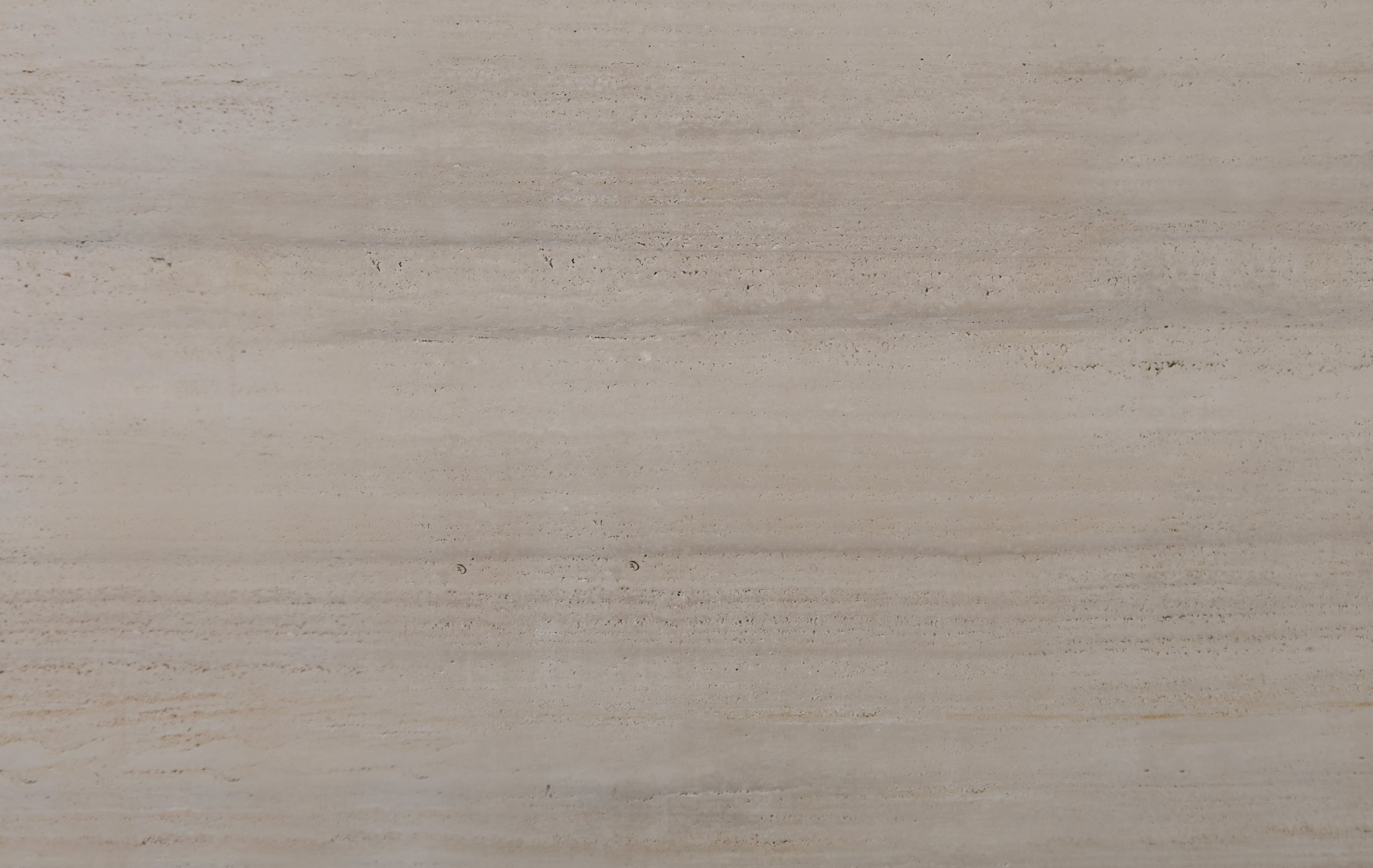
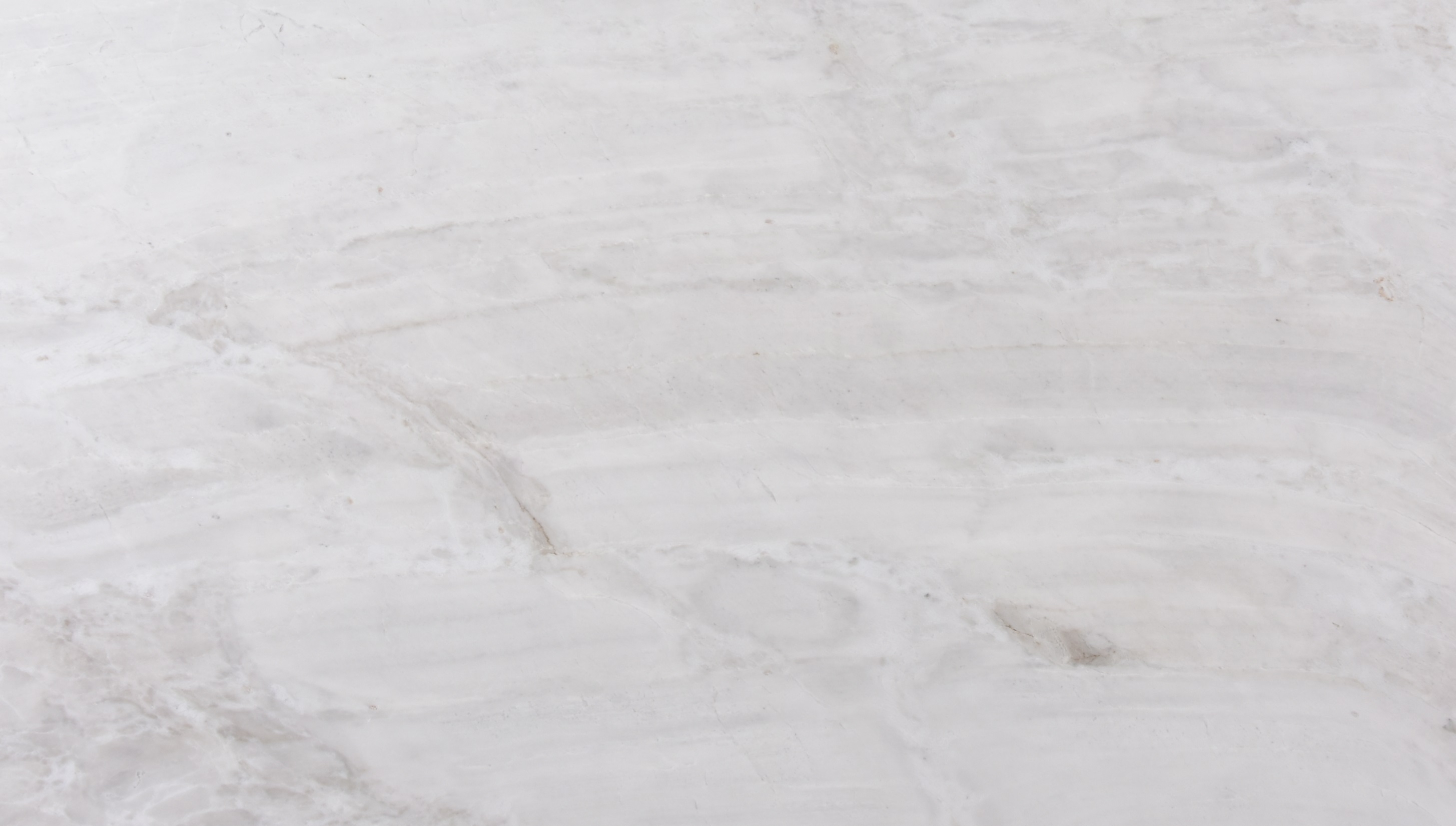
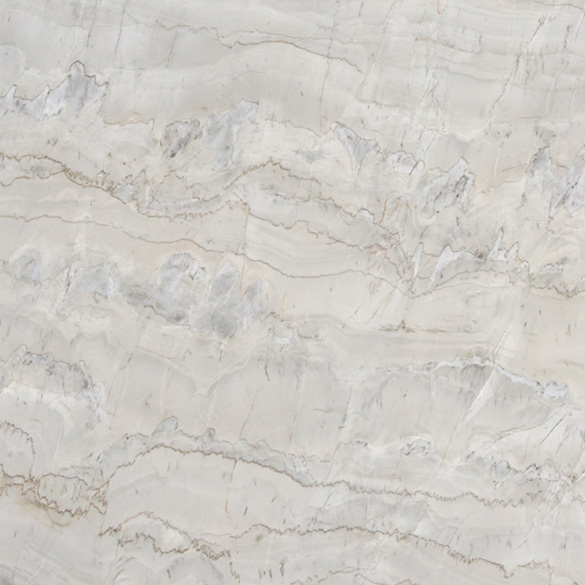
4. Naica Quartzite
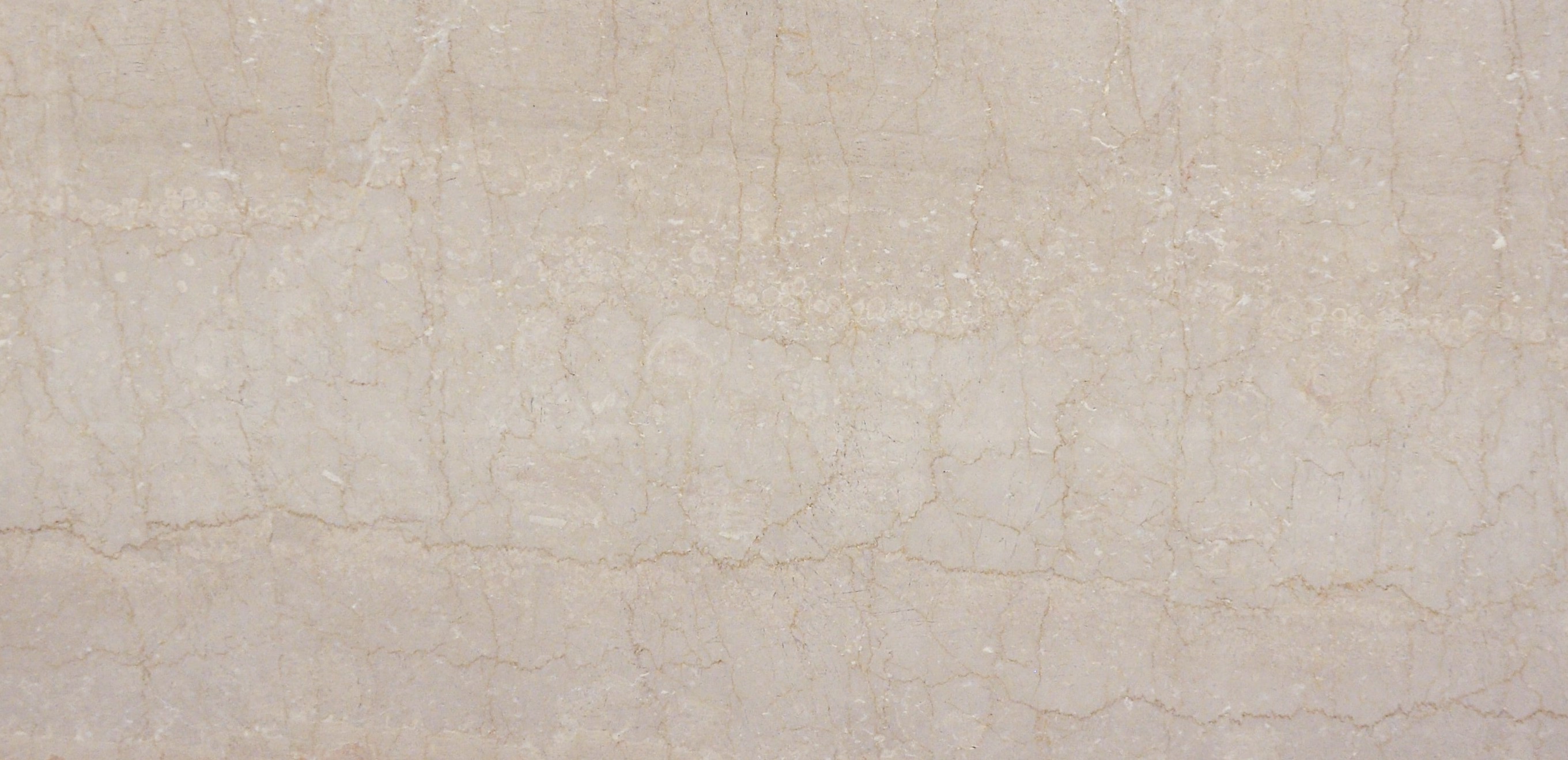
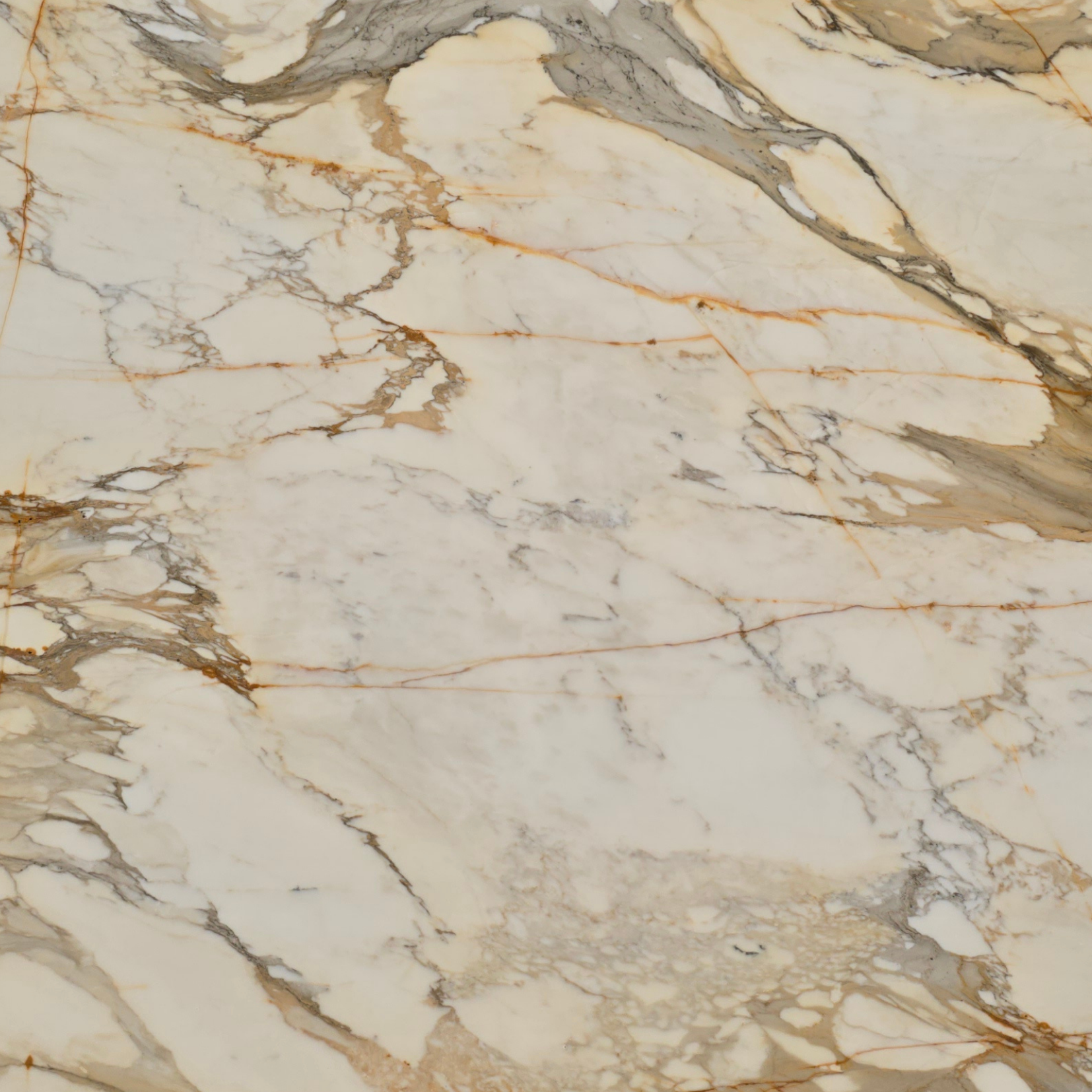
With soft textures and beige tones, Naica quartzite evokes nature in its purest form—ideal for minimalist projects focused on timelessness.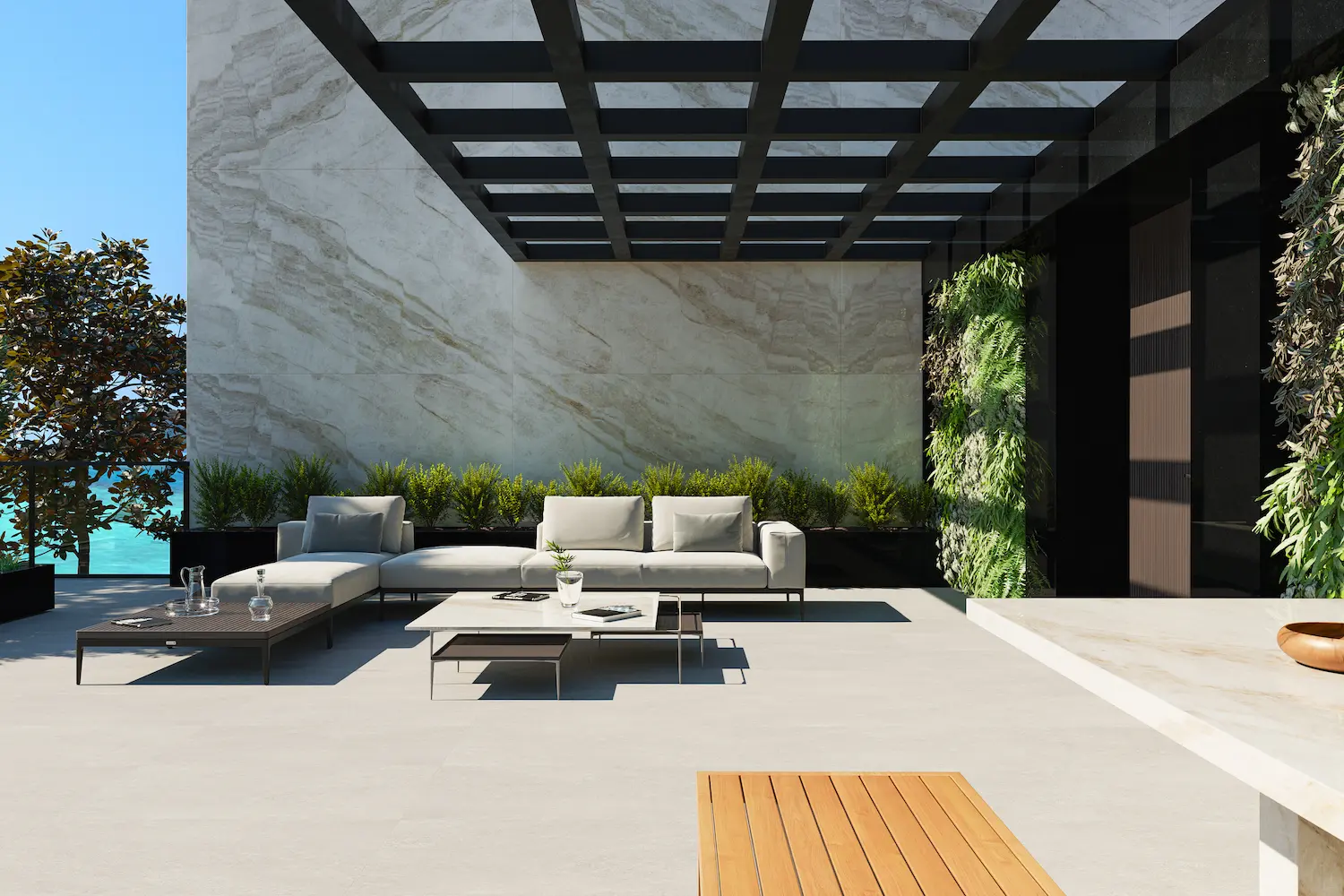
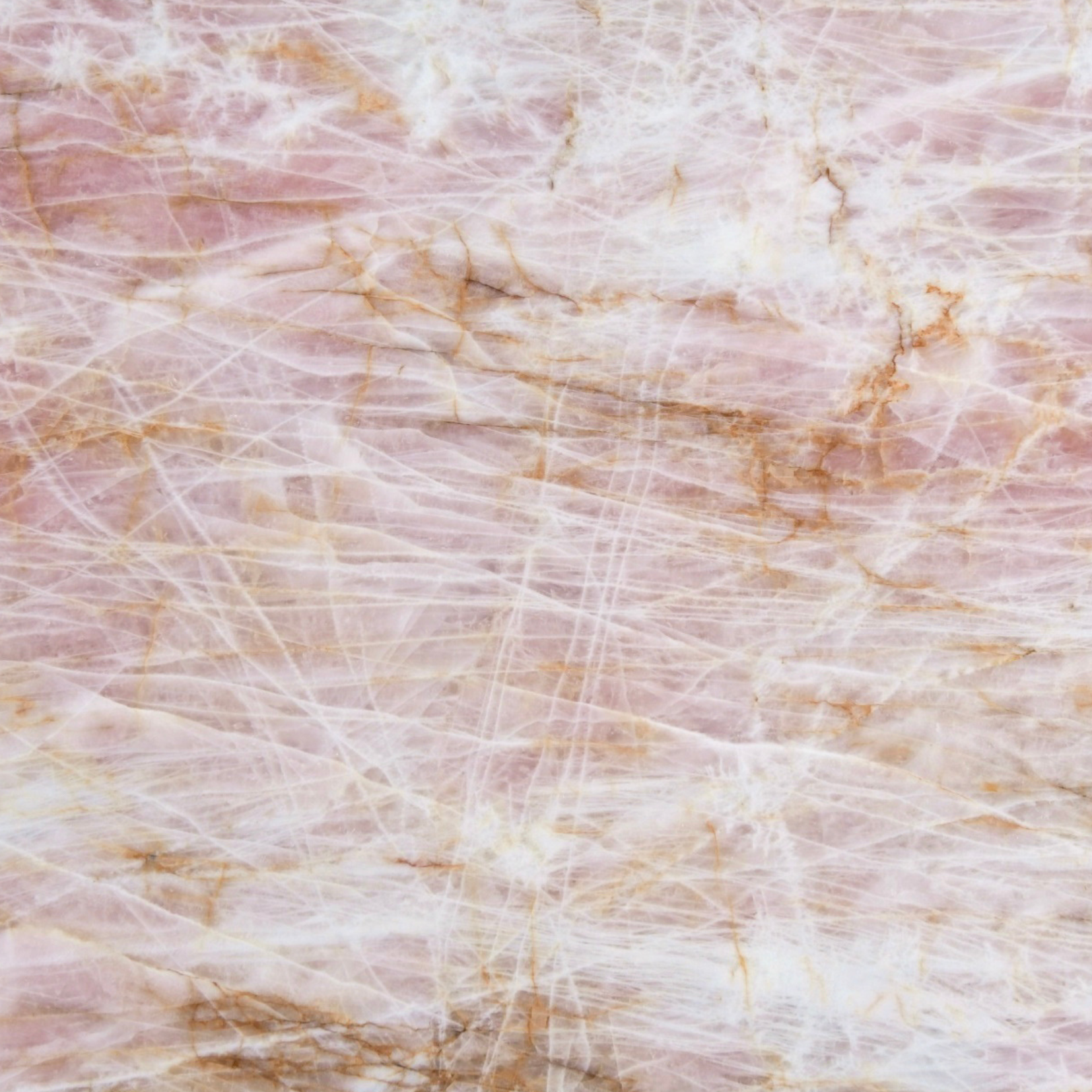
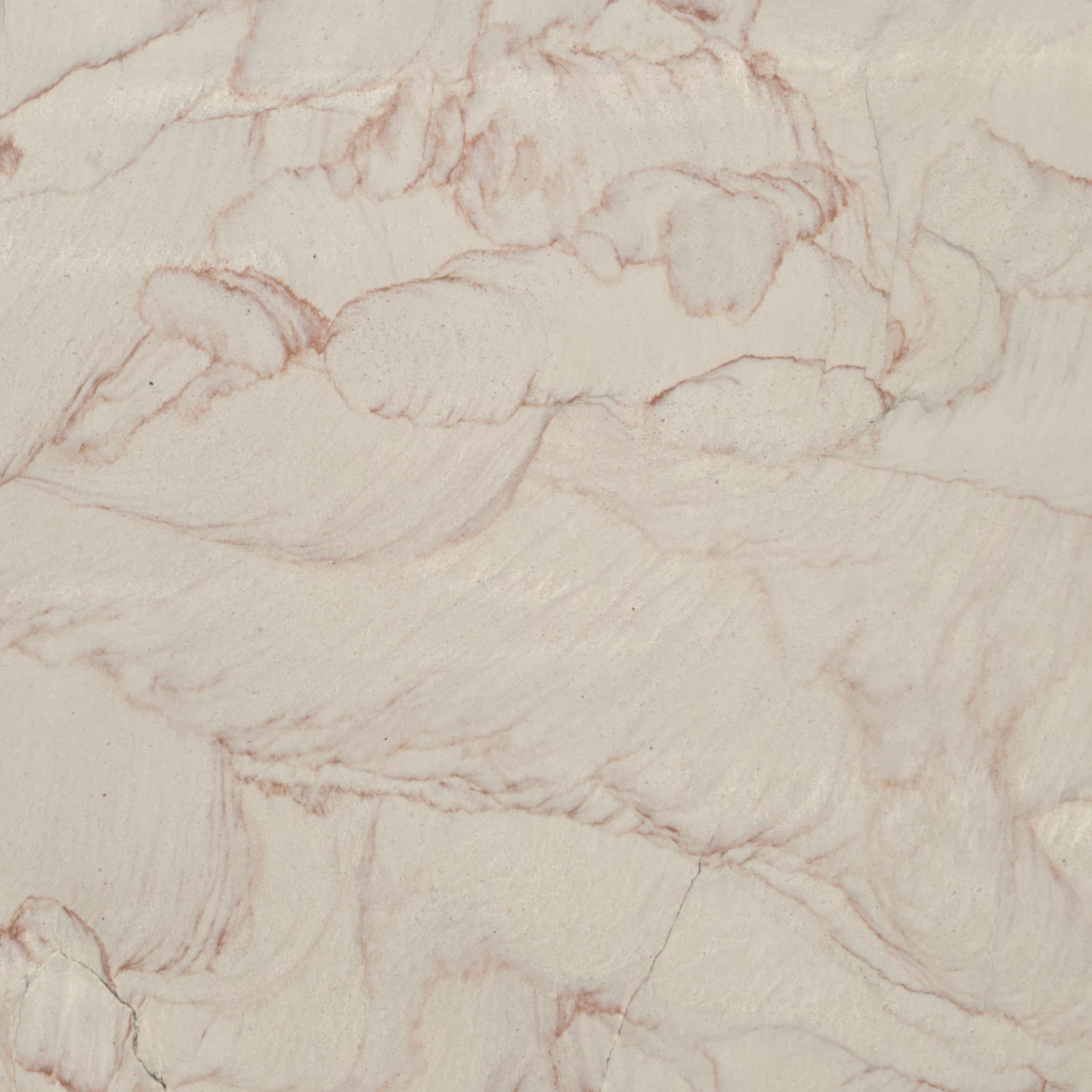
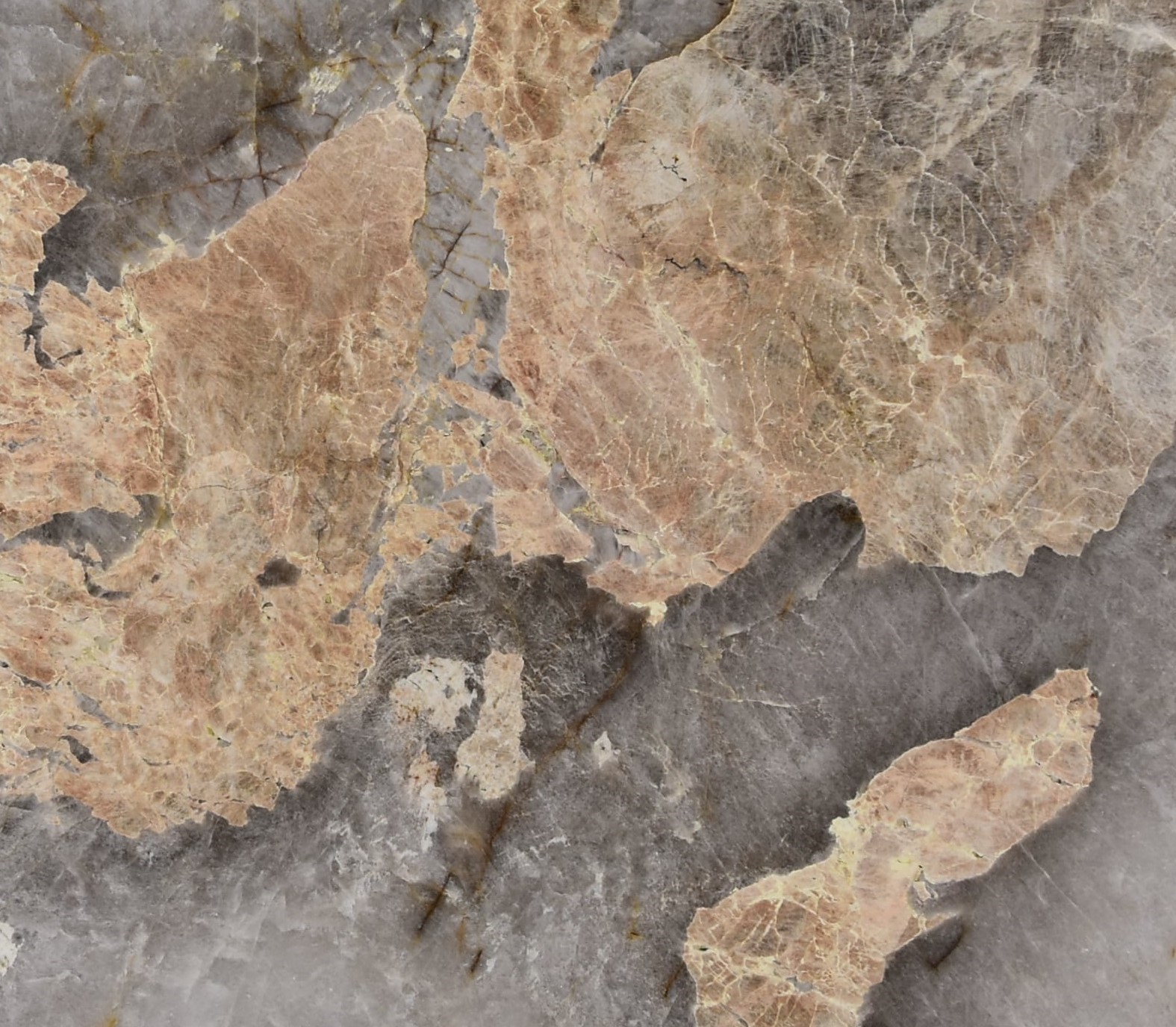
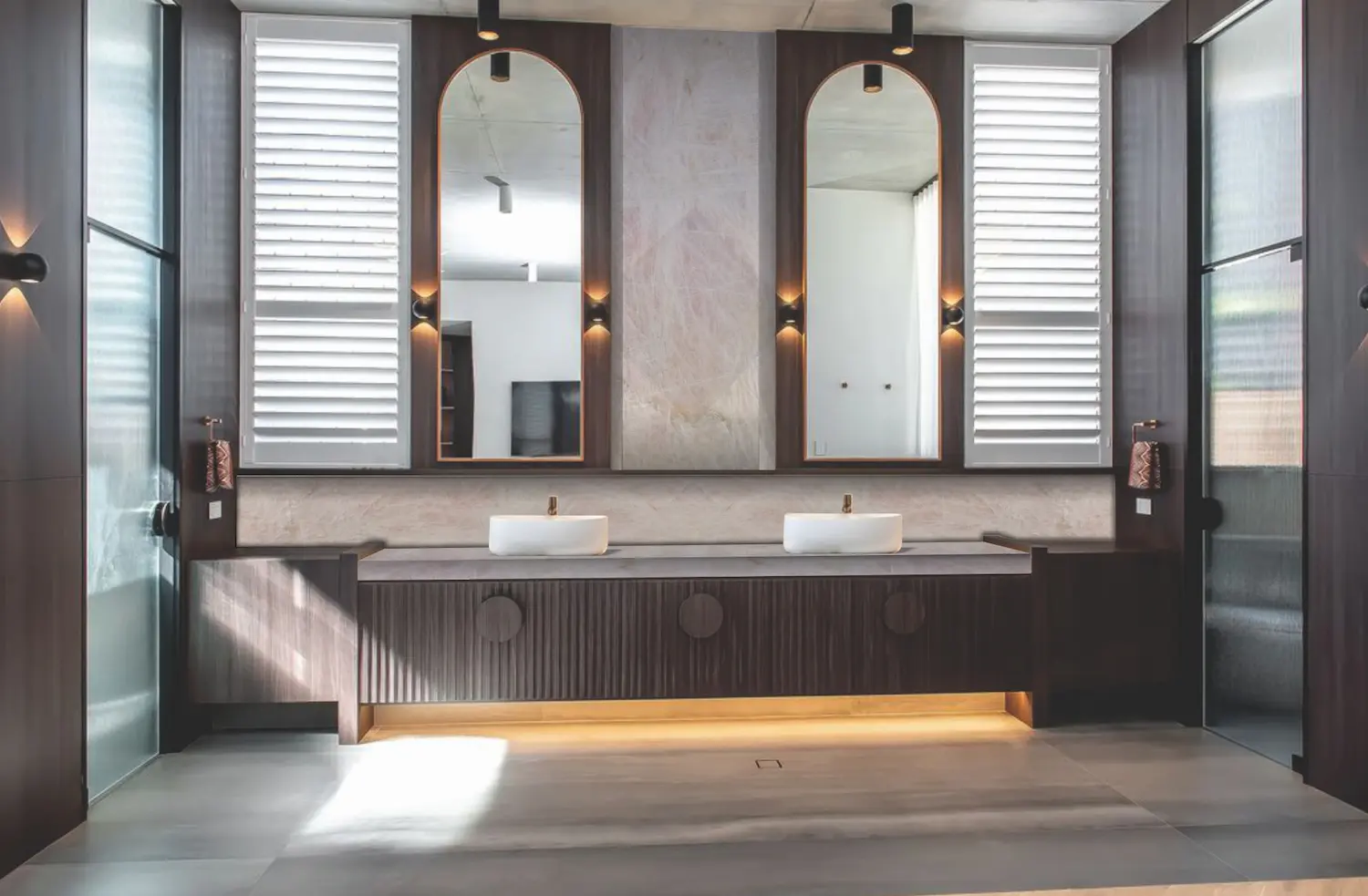
5. Pink Crystal Quartzite
Pink Crystal is a bold choice that blends delicacy and strength, with pinkish tones and subtle sparkle that add personality to any space.
Natural quartzite is therefore an unbeatable choice for those who value both durability and refined aesthetics. Its genuine origin, wide variety of patterns, and resilience make it the favorite material of architects for designs that demand excellence and sophistication.
With Decolores’ expertise in selection and processing, architects and designers can be sure their projects will stand out visually and shine for years to come.
To discover more options and find the ideal quartzite for your next project, explore Decolores’ exclusive quartzite selection and invest in the elegance of natural stone!
Related contents
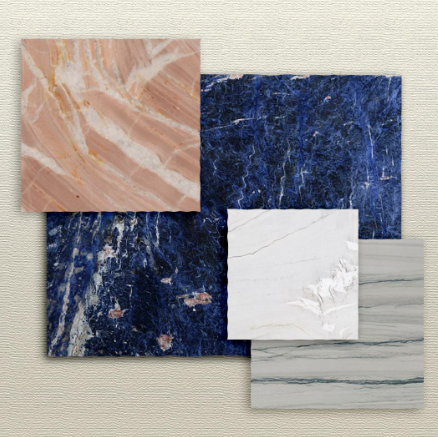
How to choose the perfect natural stone for your project?
Uncertainties when selecting materials are quite common. Here, you'll discover how to choose the perfect natural stone for your project! The solutions available in the market are diverse, and the ideas to be implemented are plentiful. Amidst this, a common question arises: how to choose the ideal natural stone for a project? We'll address this question. After all, they are essential for the design and decoration of many spaces. Follow along and learn all about the topic! Types of natural stones To make excellent choices, having knowledge of the main types of existing stones makes all the difference. By understanding details about the varieties, you can select pieces that truly contribute to the creation of modern and innovative environments. Among the most well-known stones are: Marble Derived from the exposure of limestone to high temperatures and moderate pressure, marble is a versatile material recognized for its sophistication. It can be used in floors, countertops, furniture, and many other applications. Due to its availability in various colors and textures, this stone contributes to the creation of beautiful compositions in sculptures and interior and exterior designs in general. Its composition includes the minerals calcite, aragonite, and dolomite. With low resistance to scratches, marble also stands out for dynamic and horizontal veins, which add style and refinement to many projects. Granite Comprised of three minerals (feldspar, mica, and quartz), granite is an ornamental rock known for its high hardness. It has medium scratch resistance and is easy to install. Its formation occurs through the cooling of magma inside the Earth. This item resembles a mosaic of minerals, with different types and sizes. It has a wide range of uses, commonly employed in bathrooms, kitchens, and bedrooms, among other spaces. Another important aspect is its extensive variety of colors, a distinction ensured thanks to various extraction processes. Quartzite Experts point out that quartzite combines the beauty of marble with the durability of granite, bringing together the best of both worlds. Its formation originates from the metamorphic process of sandstone. It is often found in Brazil, especially in Goiás, and possesses characteristics like impermeability, ease of cleaning, and flexibility. This allows for applications in both indoor and outdoor areas. Delicate yet extremely resilient, quartzite offers a range of advantages in its favor! From blues to grays, from greens to darker shades: options for various projects abound. How to choose natural stone for a project? The answer is below. Paying attention to points like the ones we highlight is crucial for making informed choices: Assess the project's needs and requirements This makes a significant difference in executing work that aligns with your goals, avoiding unnecessary expenses or overruns. Determine the use and location of the natural stone If you plan to use the stone in a kitchen or gourmet space, for example, it's important to focus on options that can be easily cleaned and are more durable when exposed to other elements. Consider factors like durability, resistance, and maintenance. Durable and resistant materials will undoubtedly require less effort and investment in maintenance, making this topic very important for your evaluation. Pay attention to style and aesthetics Explore different patterns, check out color options and applications, and choose the best option according to your environment's aesthetics. Don't forget about sustainability Taking care of the environment is a responsibility for all of us, so consider purchasing products that align with this goal, preserving natural resources and connecting with nature in the best way possible. Seek the expertise of those who understand the subject Consultation with professionals specializing in natural stones can make a significant difference in ensuring your projects are developed with excellence and quality. How about relying on us? For over two decades, we have been known for offering the best in ornamental stones for decoration and design. Explore our projects and discover how we can assist you with your projects. Follow us on Instagram by clicking here.
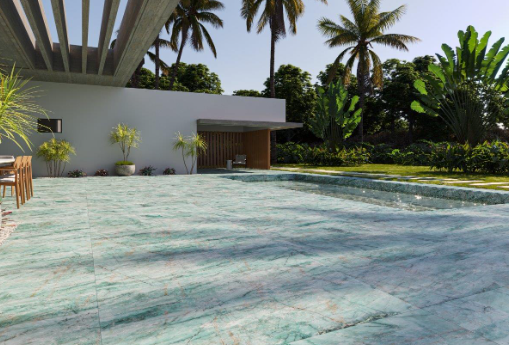
Can quartzite be used in the swimming pool?
Being more resistant, with a low absorption capacity, and a wide range of colors and patterns, this natural stone became the ideal choice to compose designs of residential leisure areas. Cladded in Da Vinci quartzite from Decolores, the pool area became an environment with a marked personality overflowing with an inviting elegance. Photo: Studio Line. One of the advantages of being Brazilian is that you can enjoy one of the liveliest and most famous summers in the world. At this time of year, high temperatures combine with family vacation energy and a dive in the pool. So, for those who can have a leisure area at home, the ideal is to create a cozy and safe environment to gather friends and family, and which also provides the best sense of privacy and comfort for sunny days. Natural stones are a good option because they are more resistant, versatile and have low absorption capacity. It is the case of quartzite that, besides being extremely durable and relatively new to the market, has revolutionized the sector bringing a diversity of colors and patterns. This makes it possible to delineate a space full of personality and which can talk with the aesthetic narrative imposed to other points of interior design. Being a noble material, quartzite adds long-lasting quality to a timeless versatility which can be used on flooring, walls and/or countertops. The Da Vinci quartzite from Decolores is a stone which is ideal to the swimming pool because it is a crystalline quartzite, a special quartzite typology meaning that because of its geological formation it is more resistant than other types of quartzite. Thus, its durability in the swimming pool will last ‘forever’. What’s more, the green in this material is trending this year, so, it is not only a durable quartzite, but also modern. Plus, its colors are natural and do not fade with time, therefore its beauty will remain for many generations. Inside the pool, the finish choices are more related to personal taste than to functionality, and even the polished finish can be used as the highlight is on the stone natural coloring. On the other hand, for the edge of the pool and the deck, which are areas which are areas of transit, it is mandatory to use pieces whose finish have a non-slip effect such as the levigated, flamed and anticato. In these areas around the pool, polished finishes should never be used, because when in contact with water, the surface becomes slippery and can lead to serious occurrences. Besides that, it is essential to choose light hues for the thermal comfort of the design as they will absorb less heat. Decolores, a company, which in less than 20 years became known in the business for being a reference point in quartzite processing, has in its product portfolio a variety of stone styles as the Da Vinci pattern. Such pattern, for example, contains ancient minerals that have transformed over the geological time and currently present exotic colors as the green from the fuchsite, a chromium-rich mineral. ABOUT DECOLORES In a little over 20 years Decolores grew as a business that carries innovation, technology, care and contemporaneity in its DNA, being responsible for bringing a more poetic and plural look to the power of natural stones in architecture and interior design. The company, among other things, became known in the business for being a reference point in quartzite processing, a more resistant stone which ended up bringing innovation to the sector thanks to its large diversity of colors and patterns. Due to its modern and cutting edge processing the company is considered a pioneer in quartzite processing both in Brazil and in the world. Its industrial park is located in a 74 thousand sqm area in the city of Cachoeiro de Itapemirim, in Espírito Santo and has a branch in the municipality of Serra in the same state. The company is considered one of the largest natural stone processing zones in the country. Decolores www.decolores.com.br @decoloresoficial PRESS CONTACT Denise Delalamo Comunicação Customer Service: Ana Sant’Anna Contact: (11) 98536-7627 E-mail: [email protected] Customer Service: Gabriela Bardusco E-mail: [email protected]

Papo de Rochas: videos for natural stone enthusiasts
Anyone who, like us, is a true natural stone enthusiast knows that there is a universe of knowledge to be explored about the geological wealth that the planet offers us. With this in mind, we created the “Papo de Rochas” series on our YouTube channel, where we share tips for use, curiosities about formation and important technical data about the options you can find here at Decolores. Whether you're passionate about the subject or a professional who wants to learn more, we guarantee that the videos will be very useful! Find out more about this initiative below. Explore various contents about natural stone Originating directly from our research and development (R&D) sector, the videos in the series aim to provide quality content, produced by experts, but in accessible language for architects, marble workers, construction professionals and anyone interested. The format is short and dynamic, and we're sure you'll want to watch one after the other. Check out some of the videos we've already published: The origin of quartzite Gaining ground in the industry in recent years, quartzite has made a name for itself among stone specifiers due to its versatility, resistance and unique aesthetics. These unique characteristics are guaranteed by their origin, as quartzites are true witnesses to the history of the Earth, formed over millions of years within the geological wealth of our country. Find out all about the formation of quartzite here. The colors of quartzite Offering a wide range of shades and patterns, with veins or lines, the visual richness of quartzite is impressive. This aspect is directly linked to its origin, which, due to the variation of elements and reactions required for its formation, provides a variety of options in white, blue, red, brown, and even greenish, pinkish and orange tones. In this video, we explore the differences in the mineral composition of each type of quartzite, which gives us various color possibilities. Backlighting Architects and designers looking to create exclusive and sophisticated environments should be familiar with the technique of backlighting natural stone. In this method, a light source is positioned behind a translucent stone, revealing the nuances and details of its patterns and textures, creating an intriguing and engaging look. Learn more about how to apply this unconventional option in projects. Hardness Hardness is one of the most important characteristics to consider when choosing between different types of natural stone for a project, often defining which one is most suitable. This aspect is directly linked to the structure of the stone, and since prehistoric times certain stones have been known for their superior resistance, such as quartzite and granite, which were turned into rudimentary tools. But do you know exactly what generates the different levels of hardness and how this attribute is measured? Find out here. Differentiating calcite and dolomite marbles Calcitic and dolomitic are two of the most commonly used types of marble. What differentiates them is the majority concentration of the minerals calcite or dolomite. This leads to unique characteristics, such as appearance and use properties, for each of the categories. It is therefore essential to know what the composition of the stone is in order to find out what care is needed and here is a simple way to find out. Watch the full playlist Explore all the videos in the Papo de Rochas series and learn much more about these incredible elements on our YouTube channel.