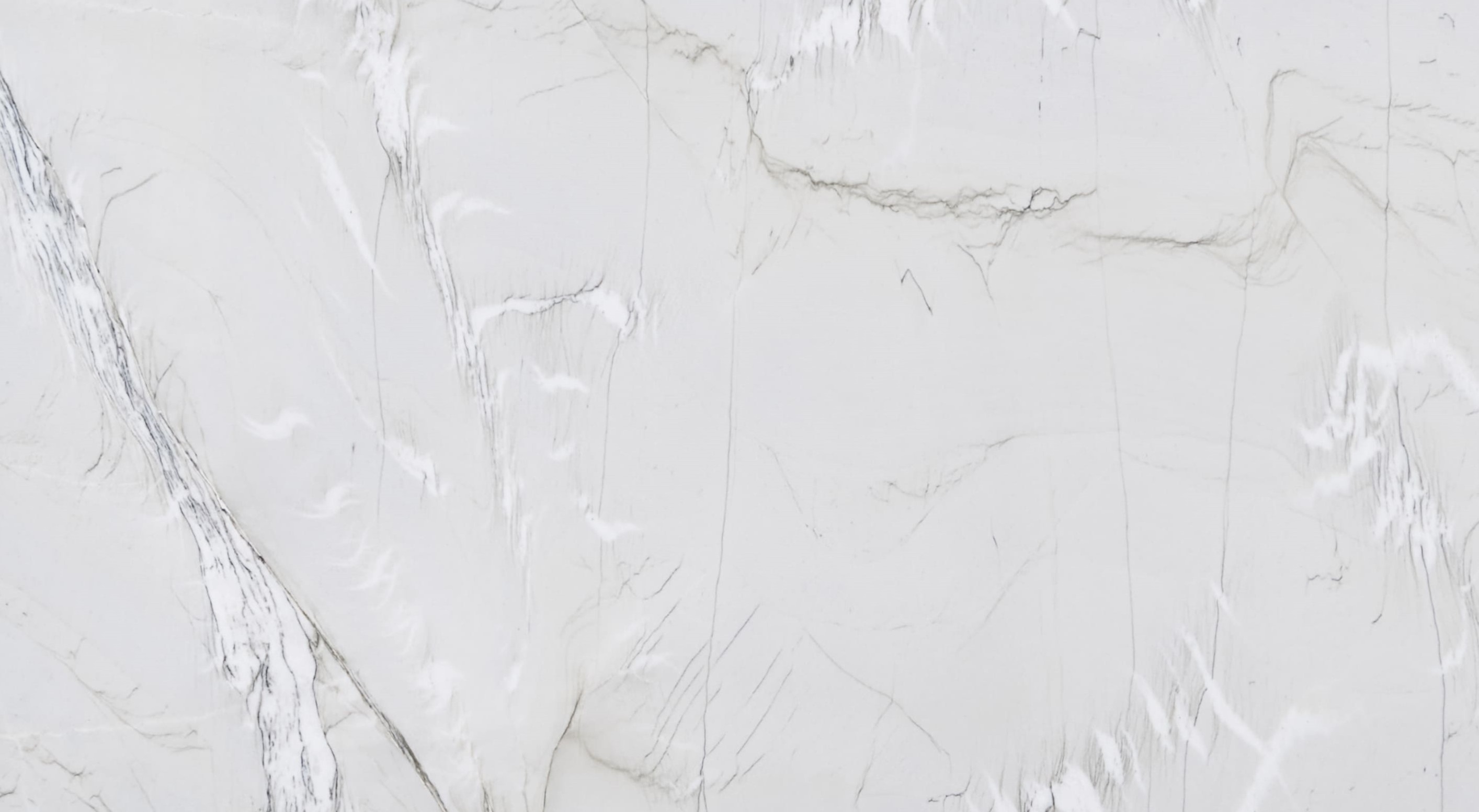
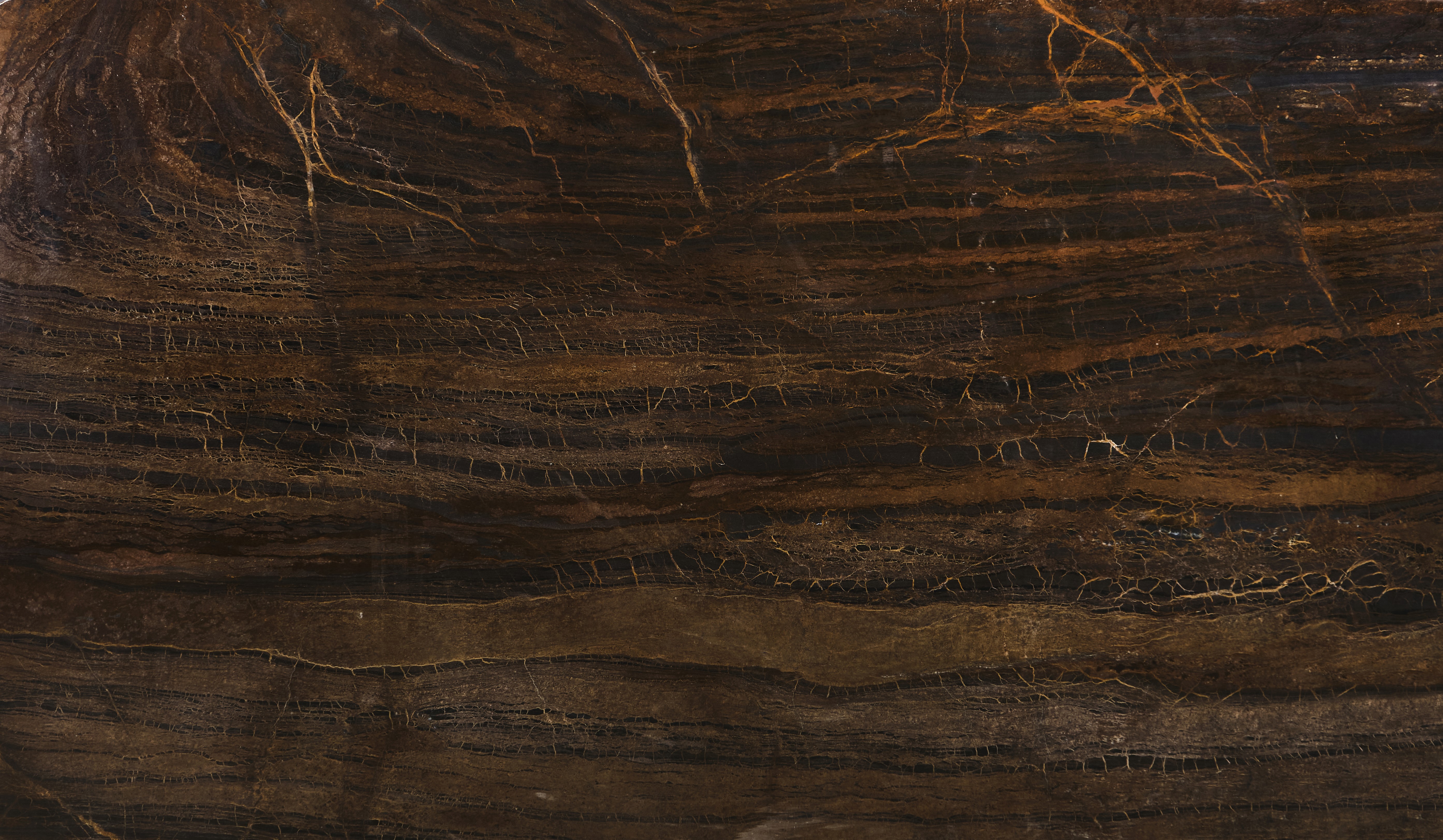
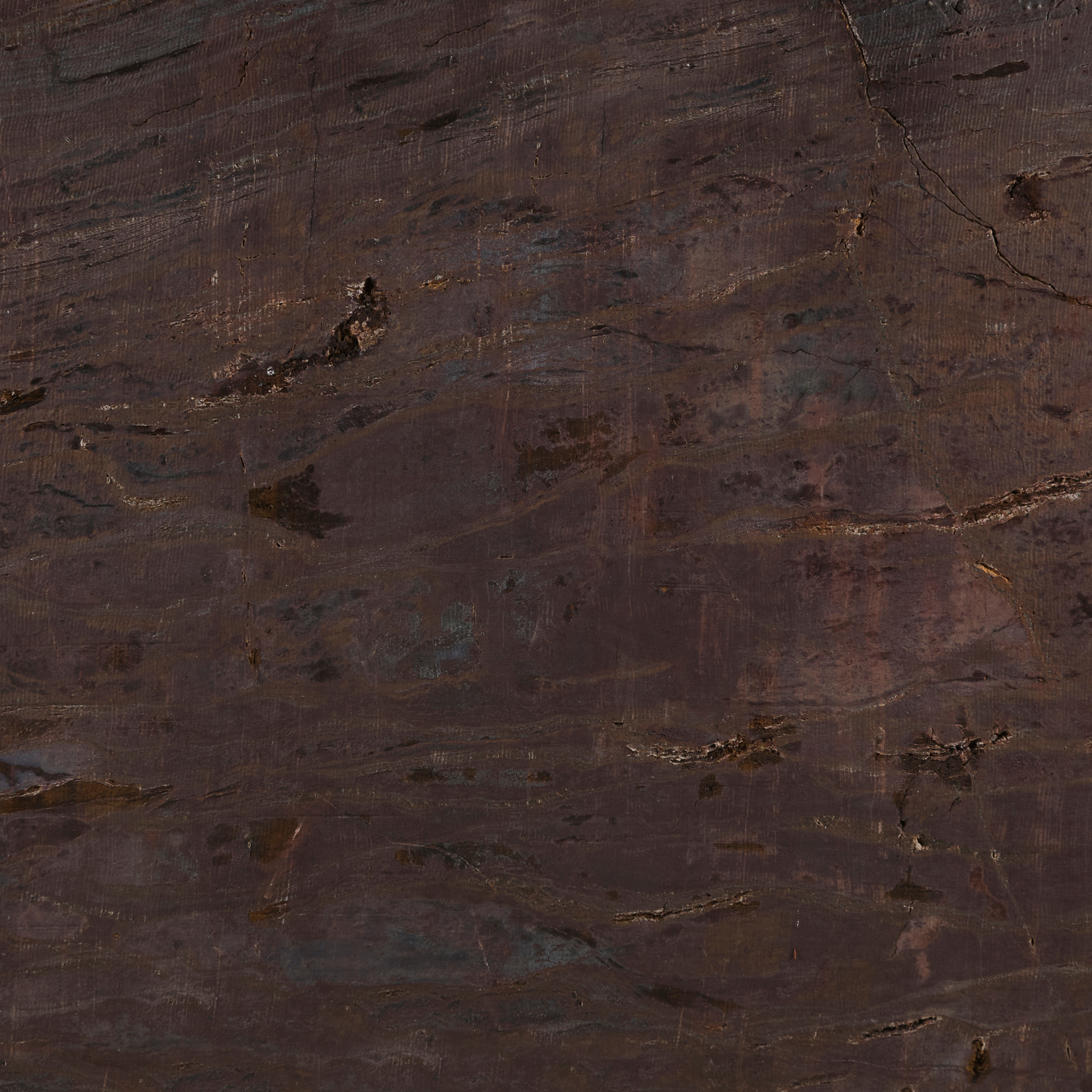
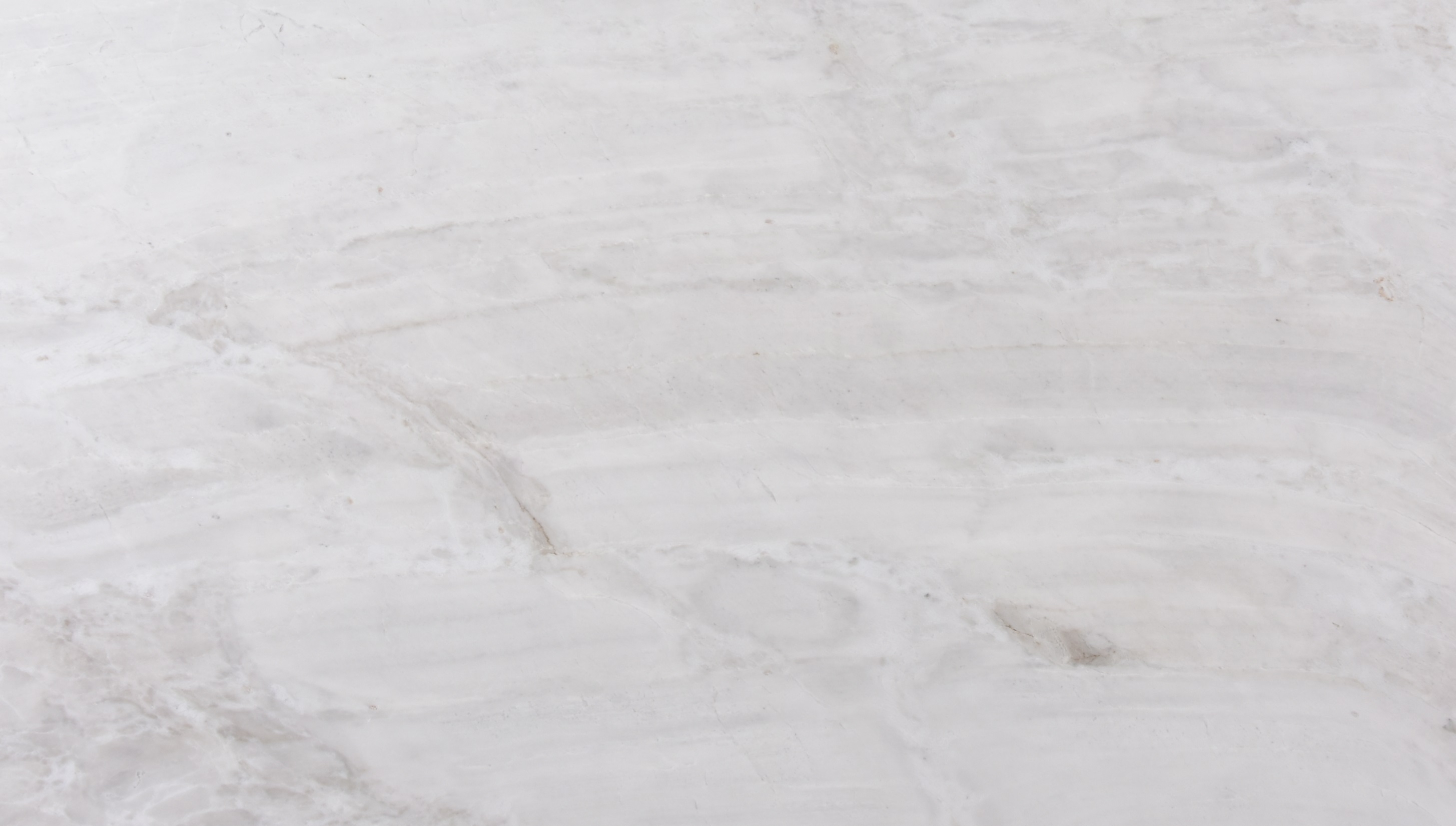
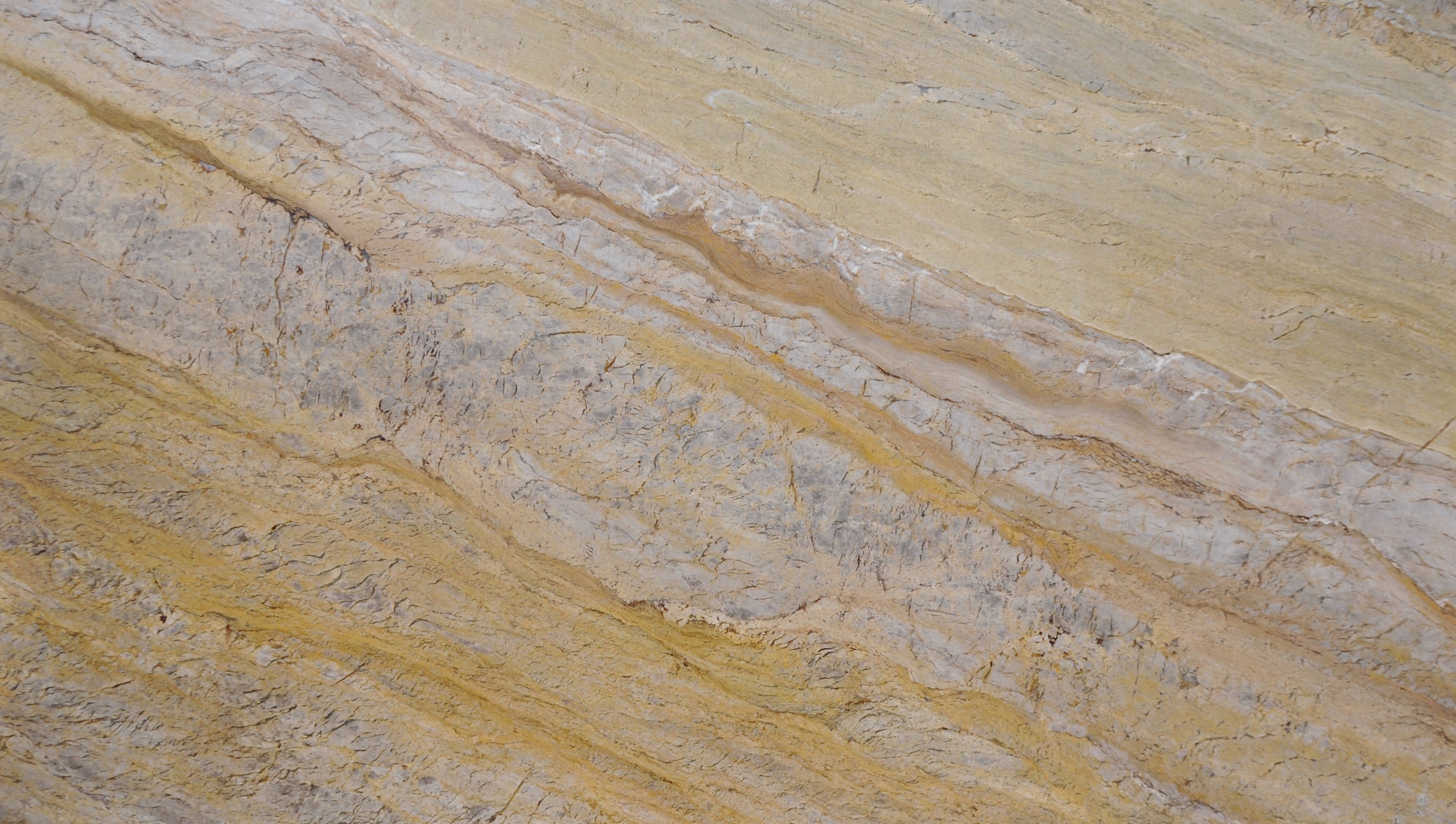
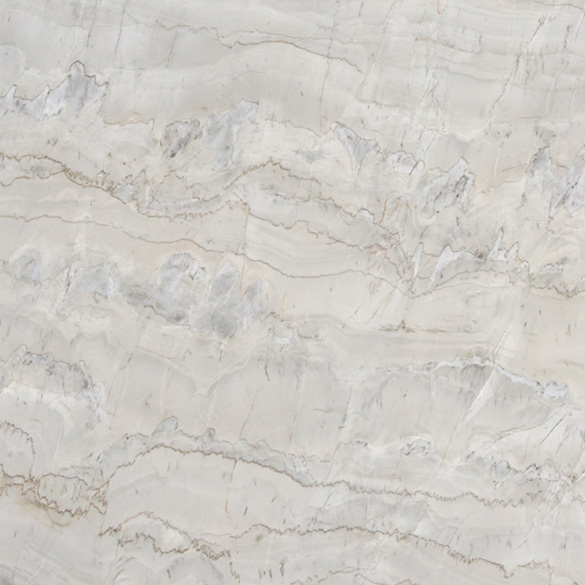
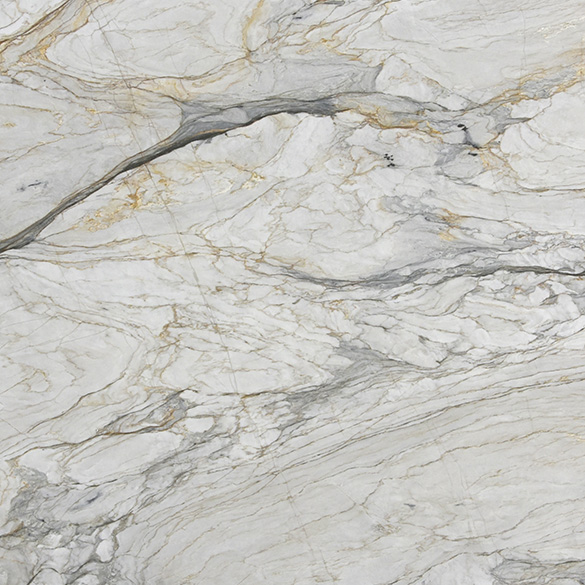
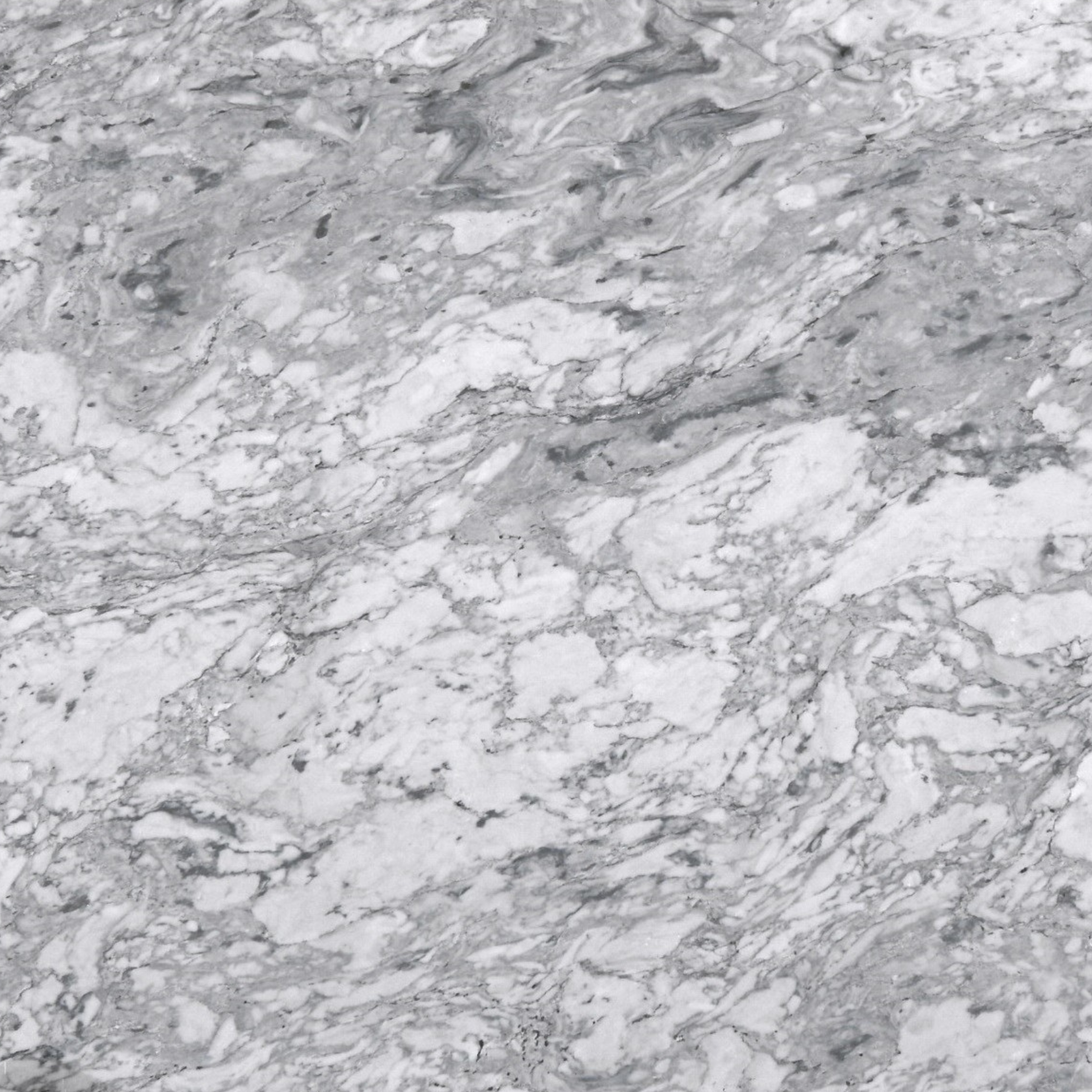
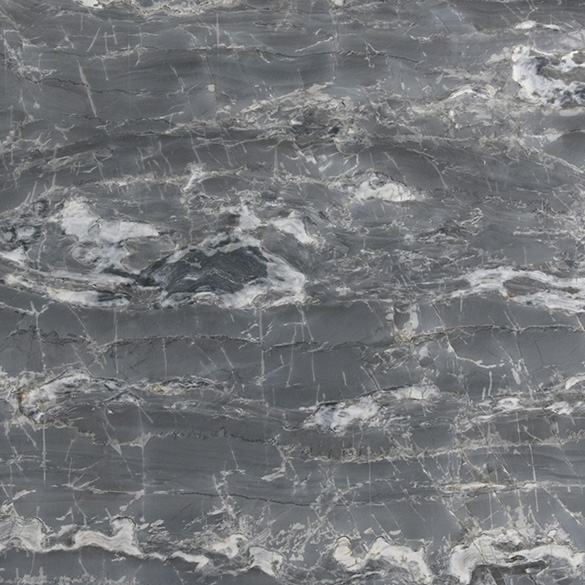
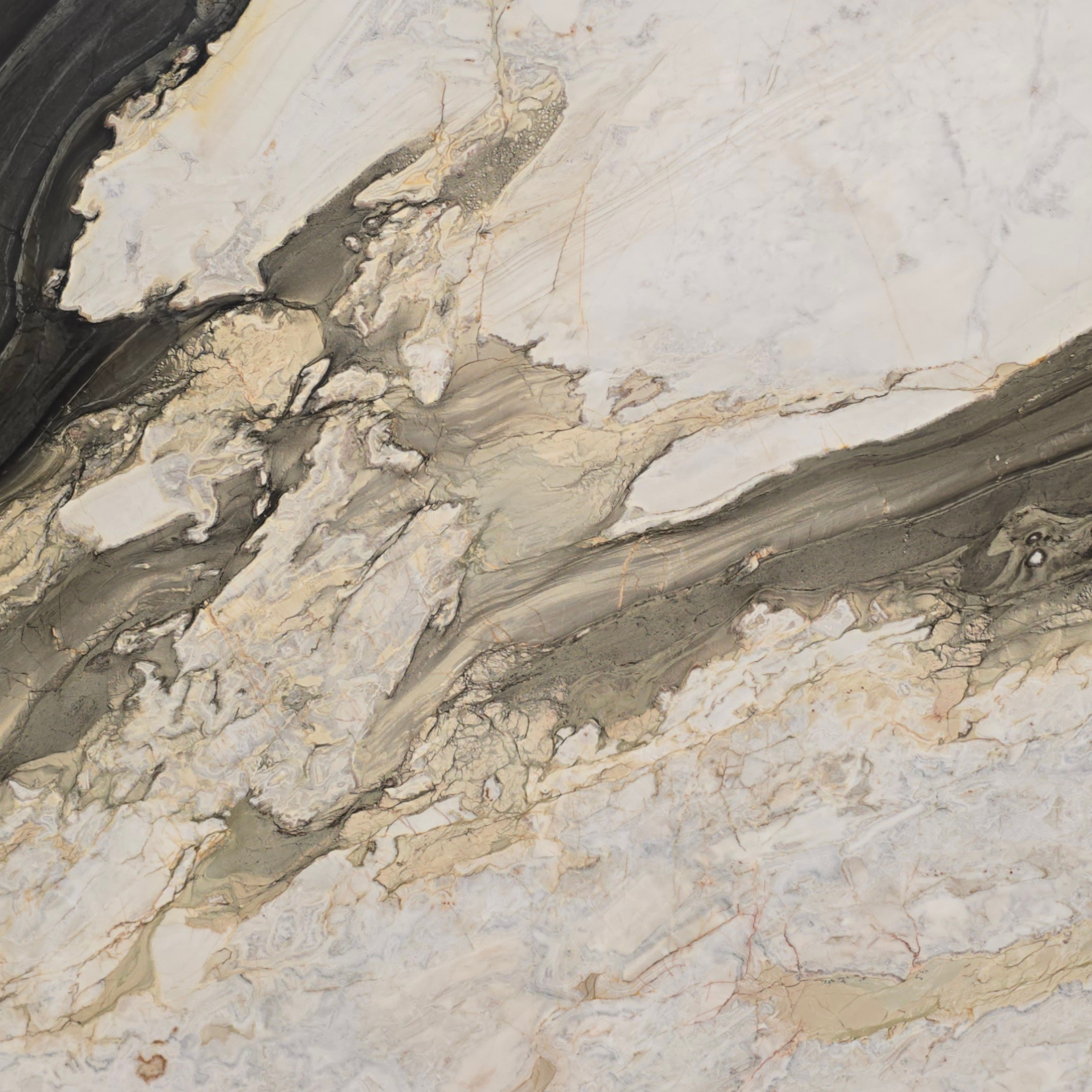
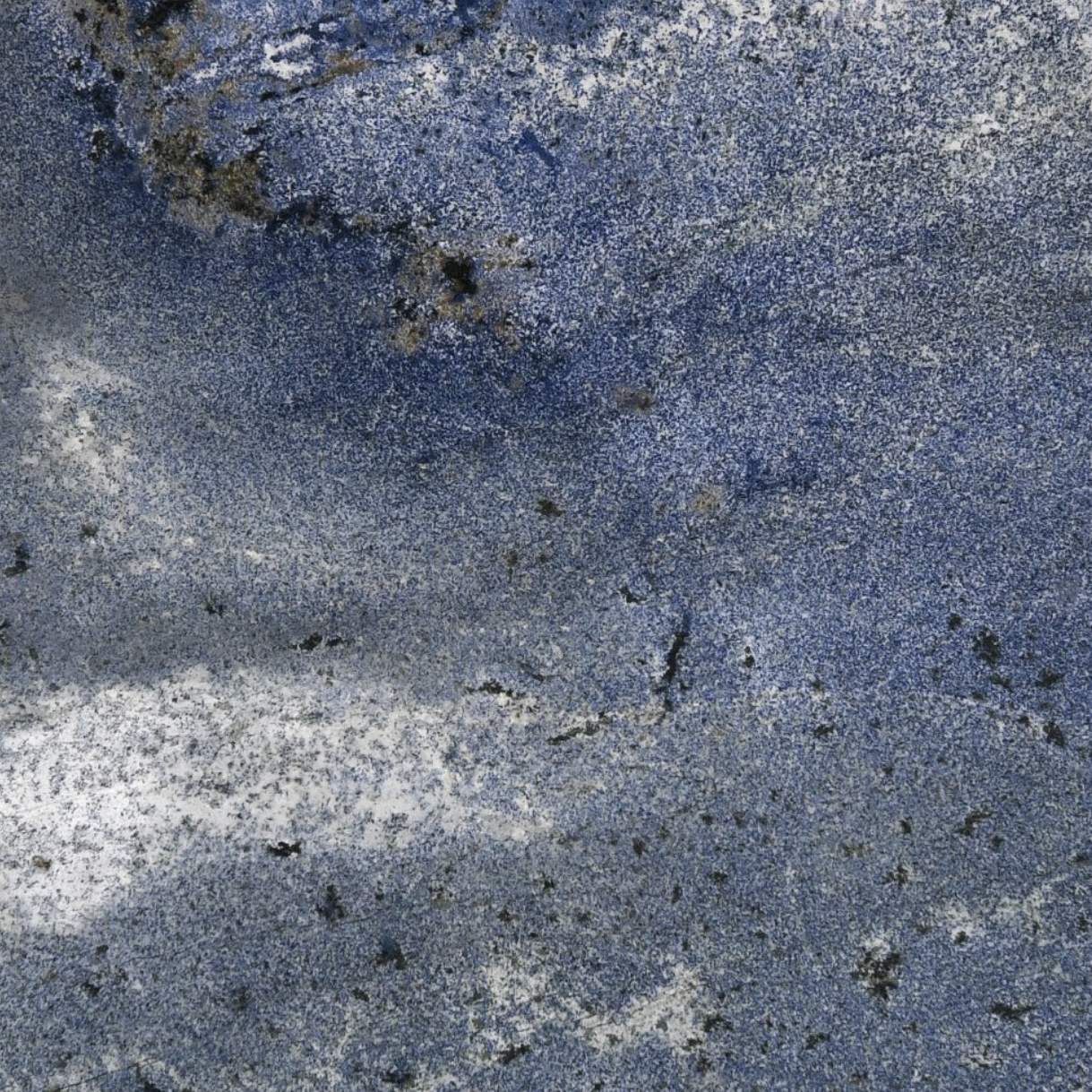
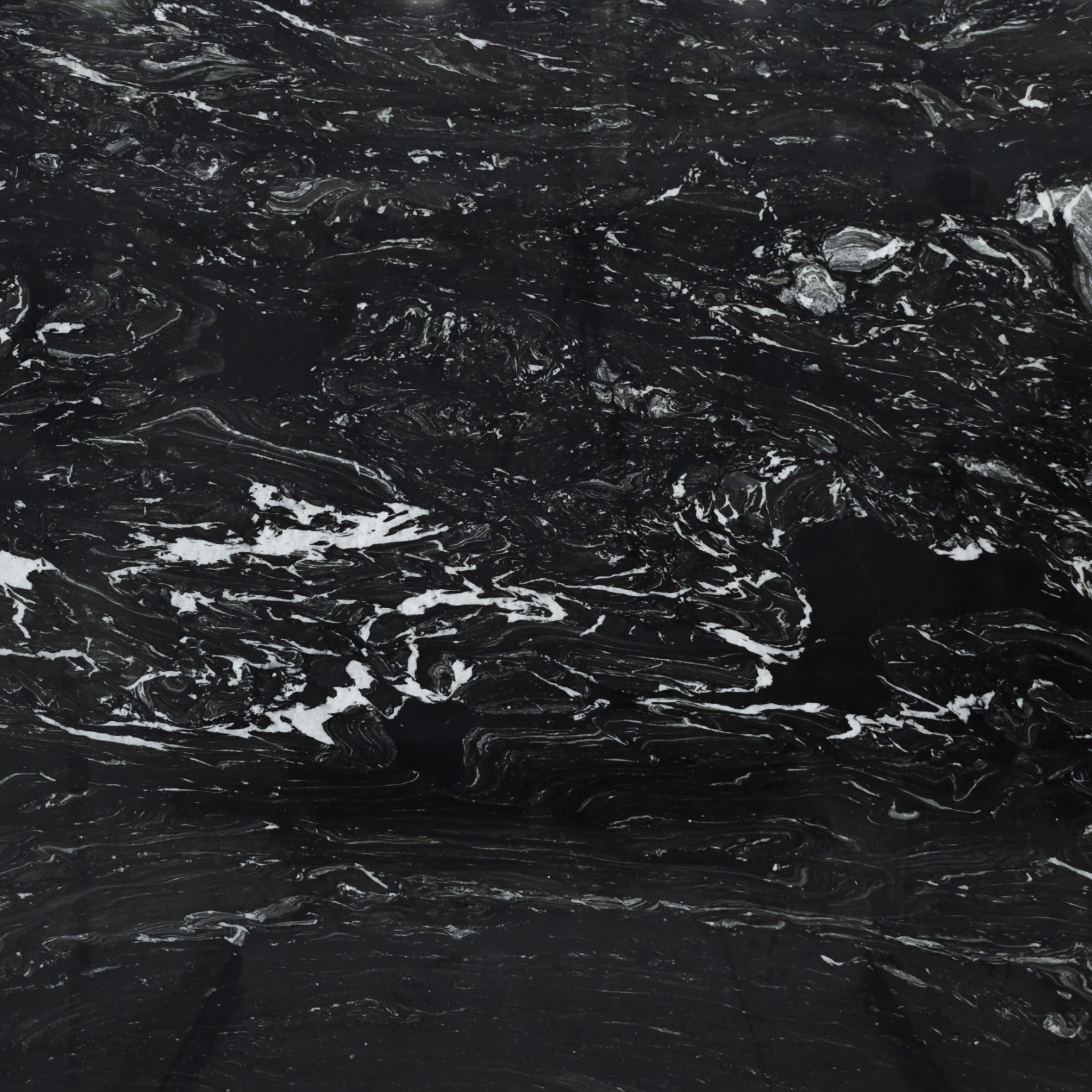
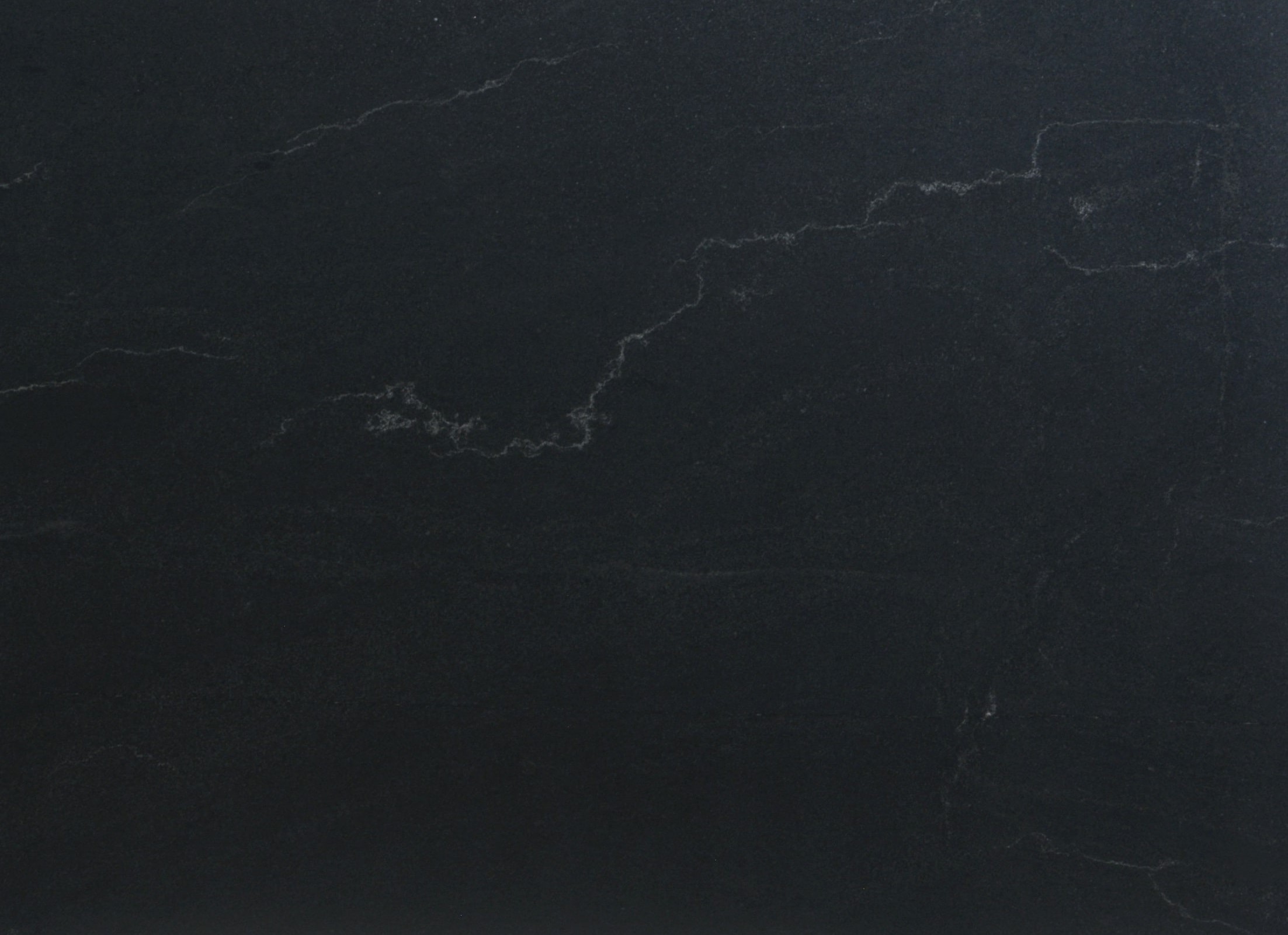
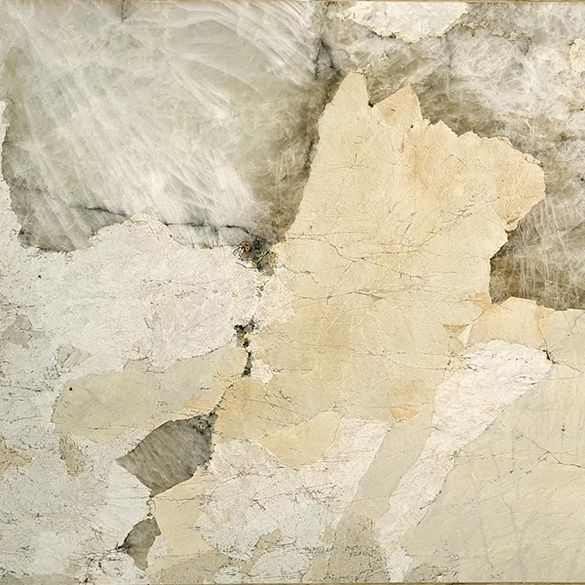
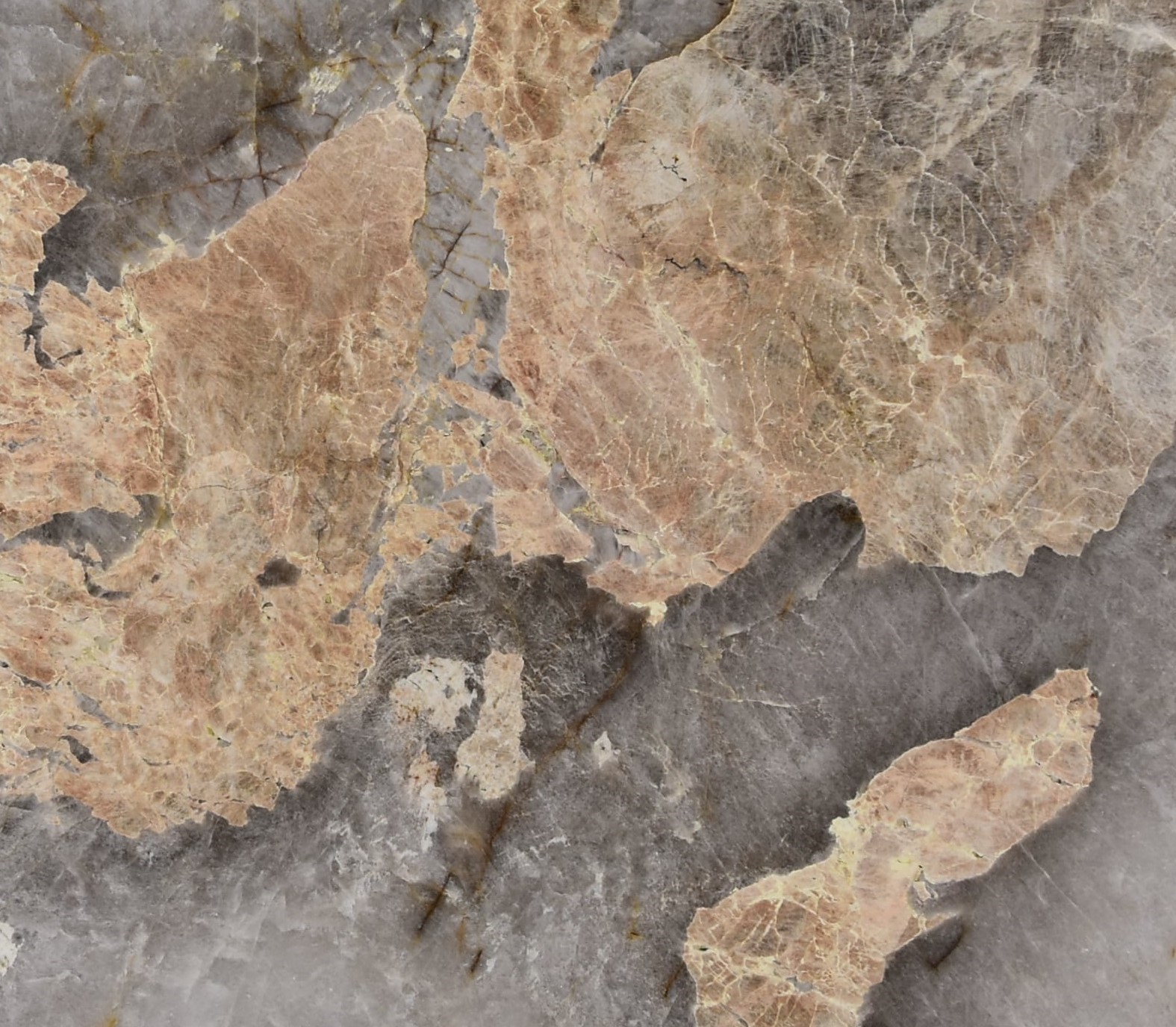
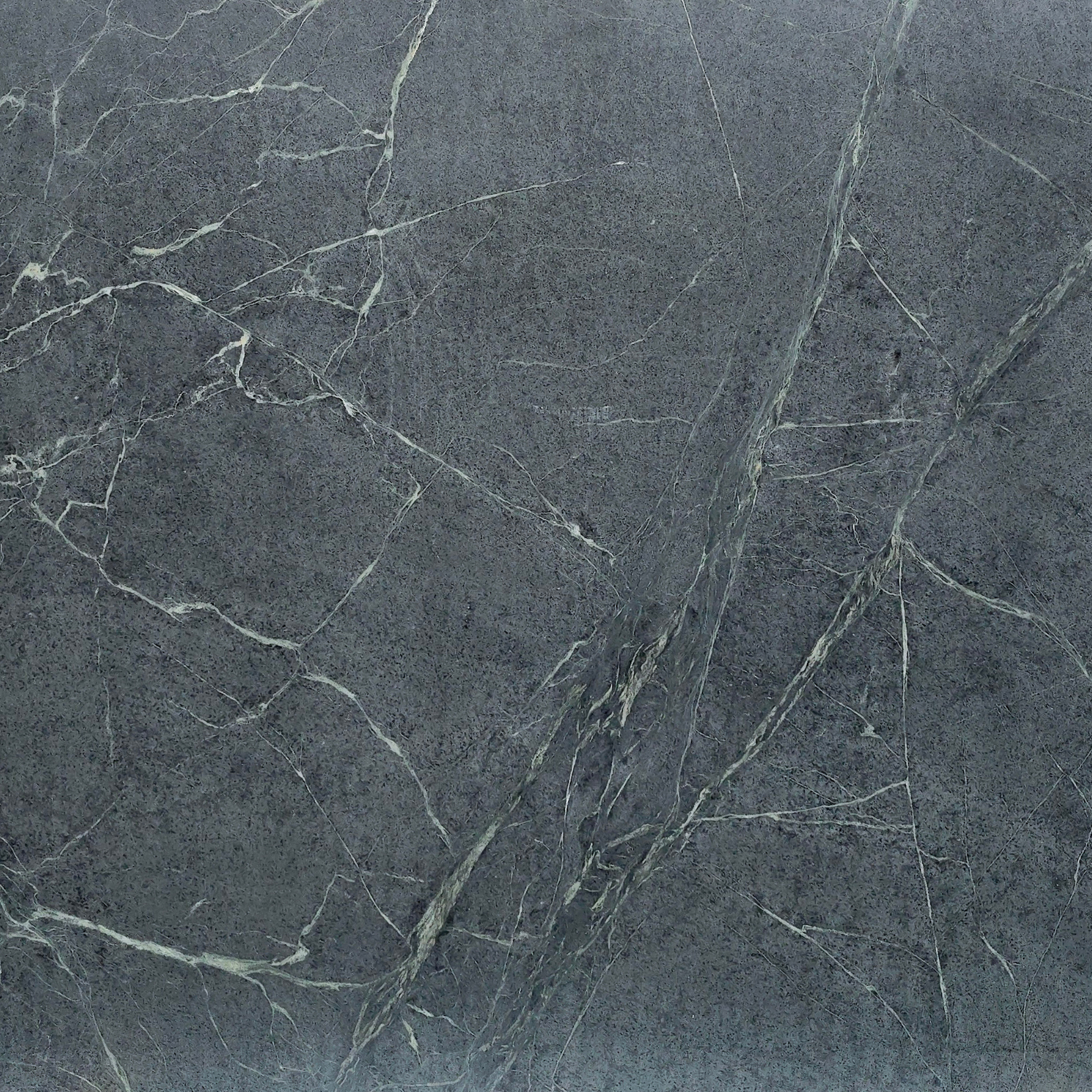
Quartzites are extremely beautiful and highly resistant stones and their striking characteristics have a deep connection with their formation, metamorphism and composition. This type of stone is made up of 75% quartz, a mineral known for its hardness and variability, which can be found from cryst... alline and translucent forms to clear, vibrant and exotic colors. Anyone who admires the beauty and diversity of quartzite, needs to know that the journey of its formation began billions of years ago, with much older stones being eroded by the action of time. The sediments generated are arranged in a new location being compressed and cemented, giving rise to sandstones, a sedimentary stone. These new stones are exposed to high magnitude geological events, culminating in its metamorphism, a process that finally originates the Quartzites, modifying their initial structure and reorganizing the grains. This makes them more robust and resistant, and preserves their movements patterns, highlighting their beauty and sophistication, bringing together the past and the present in unique pieces.
Read MoreMillions of years ago, ancient tropical seas were responsible for generating sedimentary carbonate stones. When these stones are submitted to conditions of high temperature and pressures, caused by geological events, their minerals are modified, giving rise to marble through metamorphism. The hea... ting and deformation generated by the metamorphic action produces the characteristic aesthetics of marble, such as the gracefully flowing veins of color. Classic white marble is made up of pure calcite, the most abundant carbonate mineral. Pink and golden tones are due to the presence of iron oxide. The gray spiral shapes found in some pieces come from layers of clay that have been folded into the marble. And the black color comes from organic matter. Dolomitic marble contains the mineral dolomite, a magnesium-rich carbonate generated by specific metamorphism mechanisms. They are characterized by a finer grain matrix than predominantly calcitic marbles. Marble was widely used as a raw material in magnificent buildings and sculptures that marked the height of the great civilizations, synonymous with nobility and refinement.
Read MoreMillions of years ago, ancient tropical seas were responsible for creating carbonate sedimentary rocks. When these rocks are subjected to high temperature and pressure conditions caused by geological events, their minerals are altered, resulting in marbles through the process of metamorphism. Dolomi... tic marbles, on the other hand, contain the mineral dolomite, a magnesium carbonate generated by specific metamorphic mechanisms. Pink and golden hues are due to the presence of iron oxides. The gray spiral patterns found in some specimens come from clay layers that have been folded. Meanwhile, black colors result from organic matter.
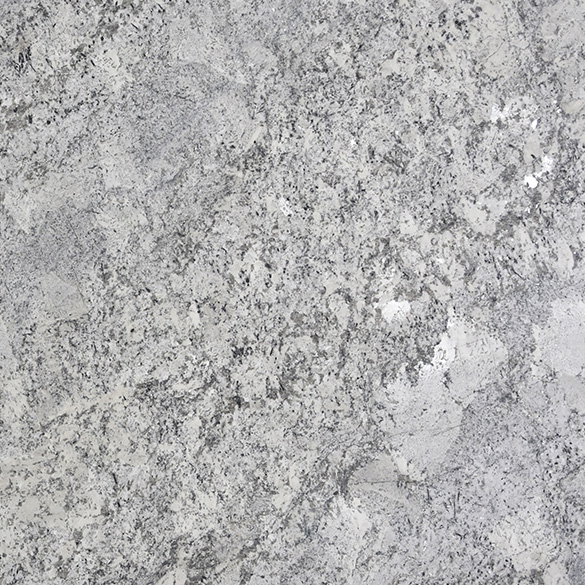
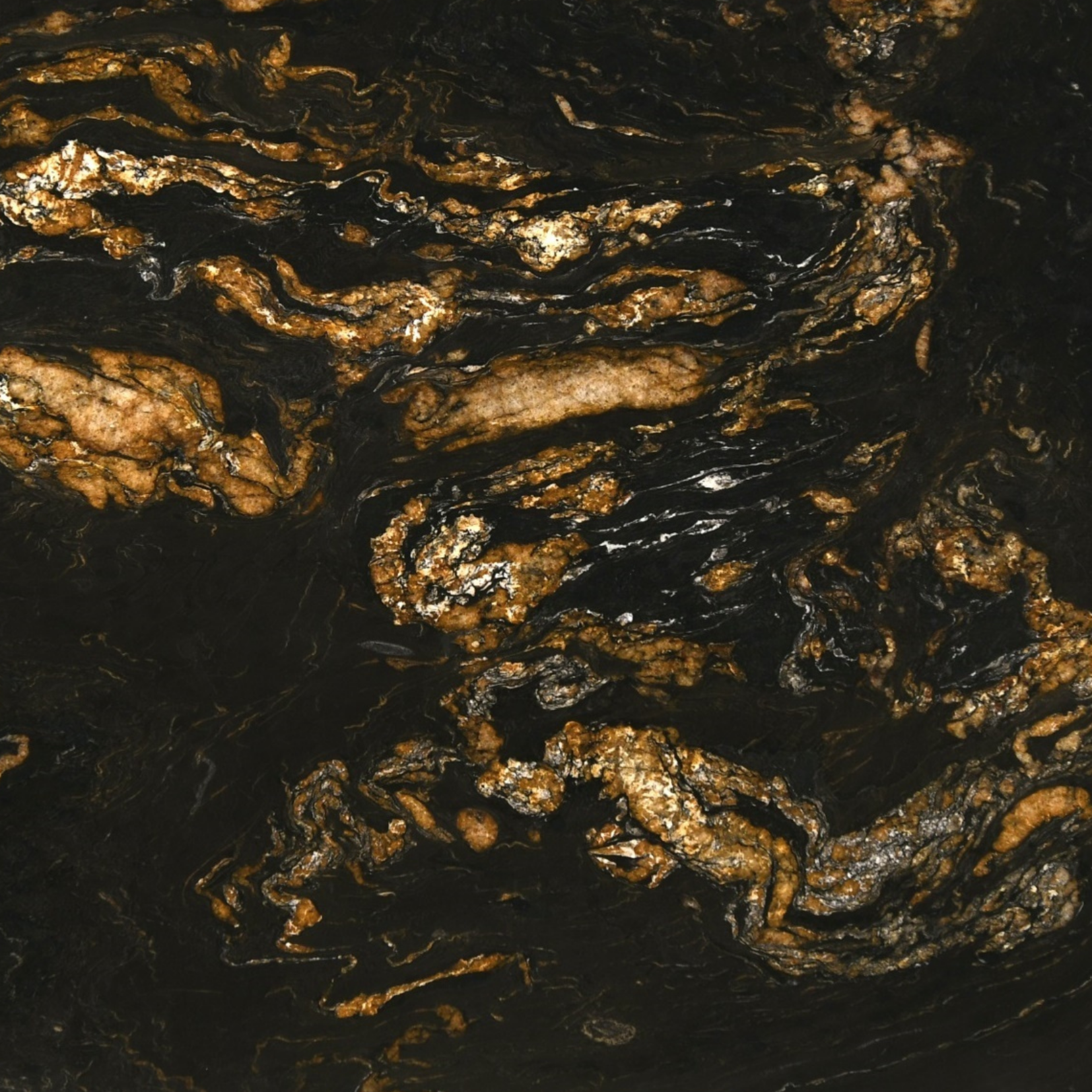
Read MoreGranites are igneous stones, which means that its origin comes from the deep cooling and crystallization of magma, the incandescent liquid found underneath the earth's crust. Some granites can be considered truly geological time keepers, as they were among the first stones to form on Earth, more th... an 3 billion years ago. Magma is made of various chemical elements which, under specific temperature conditions, combine to form the minerals found in granite, such as feldspars, quartz and micas. Quartz generally has a glassy or smoky appearance, while micas are black or greenish. Feldspars, however, can attain special elements during their crystallization, giving granites a variety of colors such as white, yellow, grey and red. The size of today's minerals provides clues about their ancient formation: the slower the magma cools, the larger the sizes of the minerals formed, creating a wide variety of textures. The mineral composition typical of granite gives this natural stone great strength and durability, which, combined with its homogeneous aesthetics, has made it one of the most popular and widely used materials of architecture and urban planning around the world.
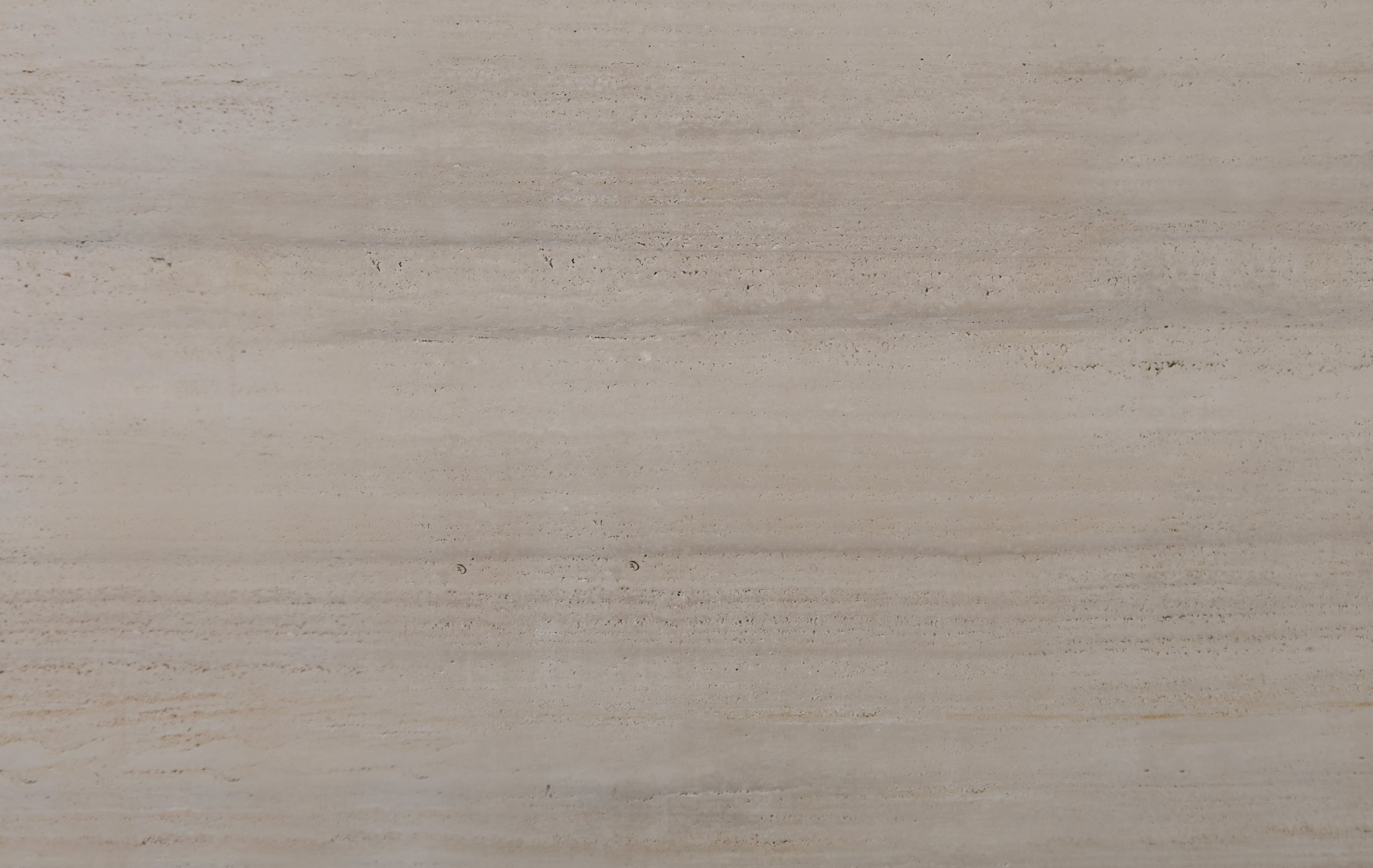
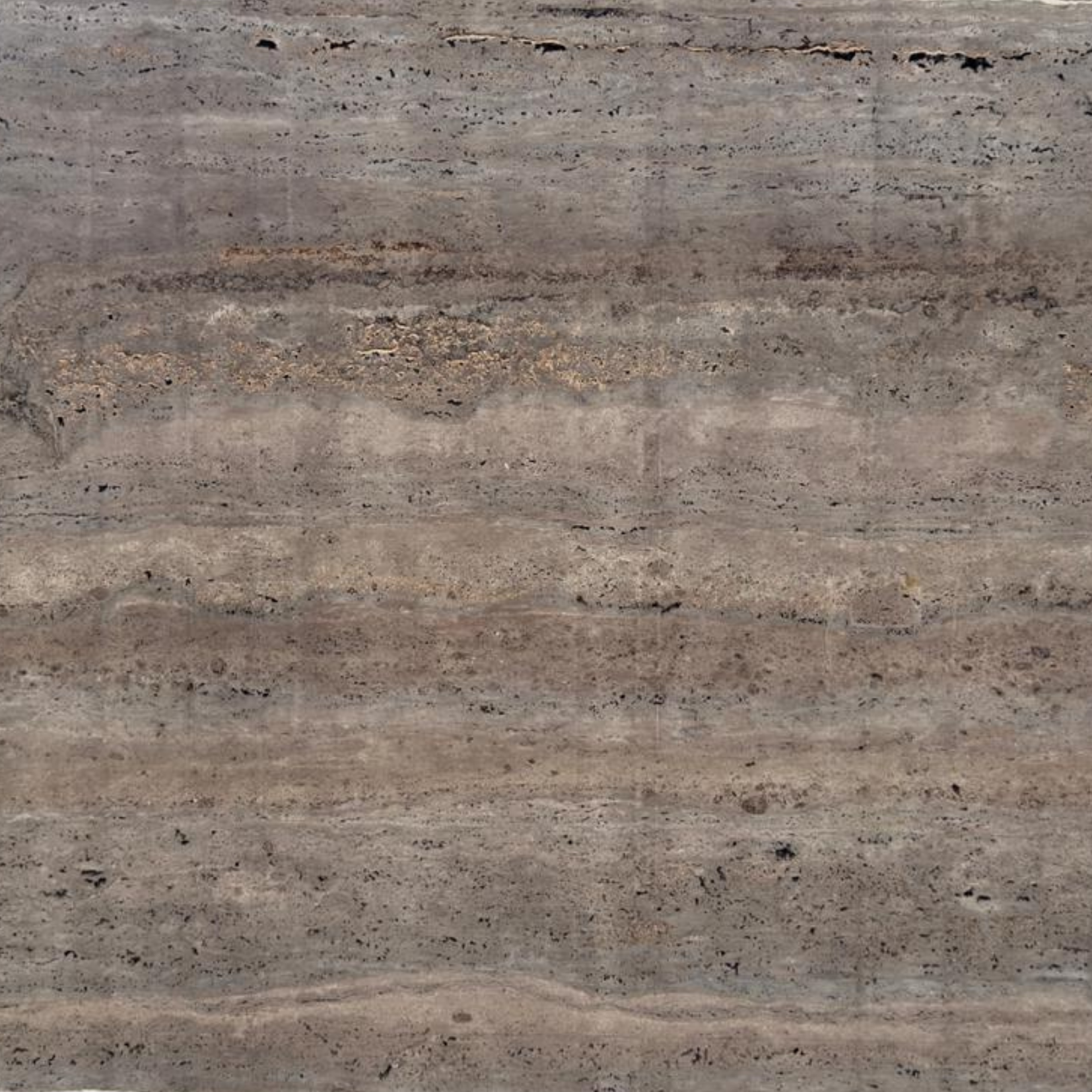
Read MoreTravertine is a sedimentary rock formed by the precipitation of calcium carbonate in continental freshwater environments, such as thermal springs. The formation of this rock occurs when a hot fluid rising from underground interacts with older limestone rocks through fractures. Rich in carbon diox... ide, the heated liquid dissolves part of the limestone composition through a chemical reaction that produces calcium carbonate. Upon reaching the surface, contact with the atmosphere causes the fluid to evaporate and the calcium carbonate to be deposited. This cycle can repeat over thousands of years, forming thick horizontal layers. Travertine presents a variety of colors, including beige, brown, orange, and gray, resulting from the enrichment of different elements during its formation. Its characteristic cavities are created by microorganisms that become trapped within the rock and, as they decompose, leave empty spaces that give travertine its intricate and distinctive appearance. Used since Ancient Rome in the construction of monuments such as the Colosseum, travertine proves to be a timeless material. Its velvety texture and neutral tones provide elegance and versatility, making it suitable for a wide range of contemporary architectural applications.
Read MoreIn this selection, nature ceases to be a supporting actor and becomes the absolute protagonist of the environment. Our curation of Exotic Materials brings together rare quartzites and granites that defy the ordinary, featuring dramatic veins, chromatic depth, and textures that look hand-painted. ... Each slab is a unique piece, intended for projects that seek not only to cover surfaces, but to move the soul. It is the perfect balance between the raw power of the earth and the refinement of contemporary design. Here, we have selected rocks that have their own personality — from the translucency of the finest quartzites to the exuberance of vibrant colors that transform any space into a private gallery.
Read MoreLimestones are sedimentary rocks formed by the precipitation of calcium carbonates in a marine environment. The origin of these carbonates dates back to the abundant life forms that existed in shallow, tropical seas millions of years ago. In that distant past, ancient sea creatures played an ench... anting role in the composition and structure of limestones. Coral reefs, seashells, seaweeds and other microorganisms, when decomposing, generated carbonate sediments that were deposited and crystallized in on the seabed in layers of different patterns and granulometry. Some limestones bear the unmistakable evidence of their origin: preserved intact fossils, which today, provide a vivid glimpse of the ancient seas. The natural process of the sediments compression over thousands of years has turned limestones into a dense and homogeneous stone. These characteristics are added to the typical beige and gray shades, making it ideal to be used in environments that demand a natural and sophisticated look at the same time.
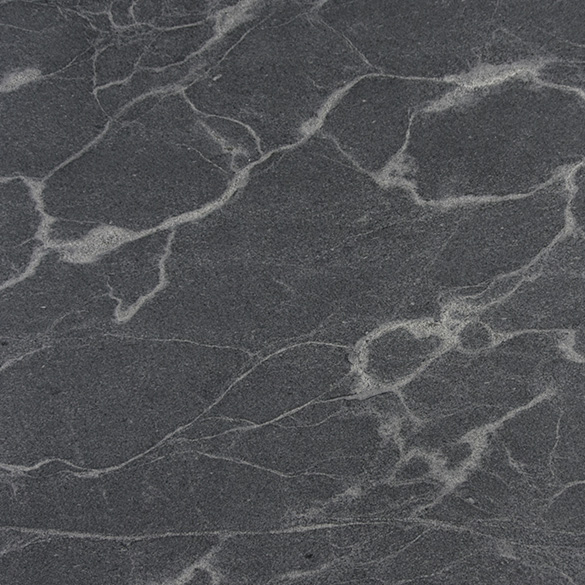
Read MoreDecolores Soapstone is a material of rustic and timeless elegance, highly valued in the international market for its functionality and classic aesthetics. It is often accompanied by fine, delicate veins in lighter tones, which give the piece a sophisticated look. It offers an unmatched silky texture... to the touch, setting it apart from other natural rocks, and its understated aesthetics harmonize with various styles of decoration.
Read MoreEarth's dynamics are capable of generating rocks in the most unique environments, including vigorous geological manifestations such as volcanoes. During eruptions, magma from the interior of the planet reaches the surface and, as it cools rapidly, gives rise to the so-called volcanic lavas - rocks o... f extrusive igneous origin, with unique characteristics in terms of texture, color and resistance. These formations carry within them the strength and history of magmatic processes, resulting in unique materials of high aesthetic and scientific value.
Read More
Mont Blanc
Bronzite
Bronzite Vintage
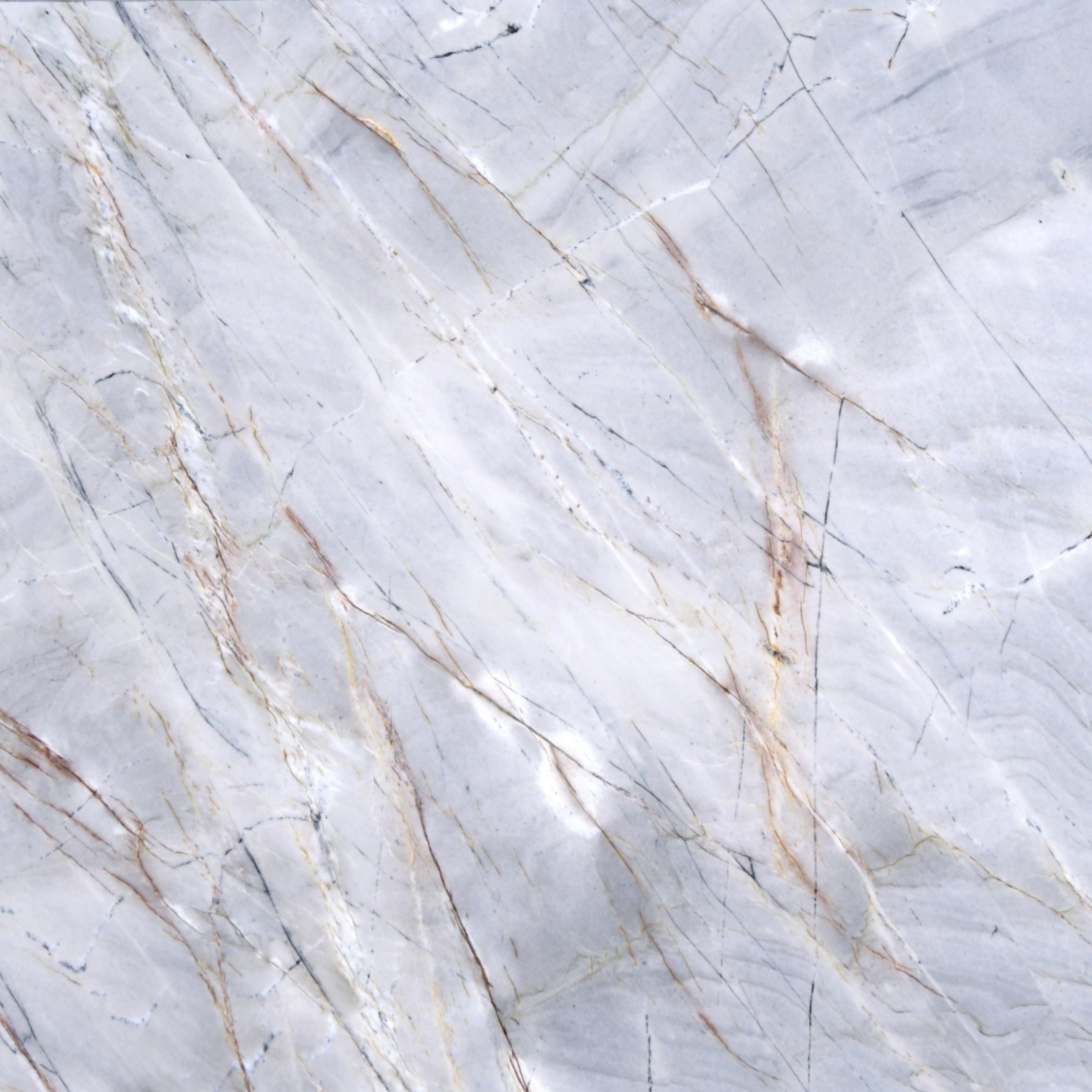
Ijen Blue
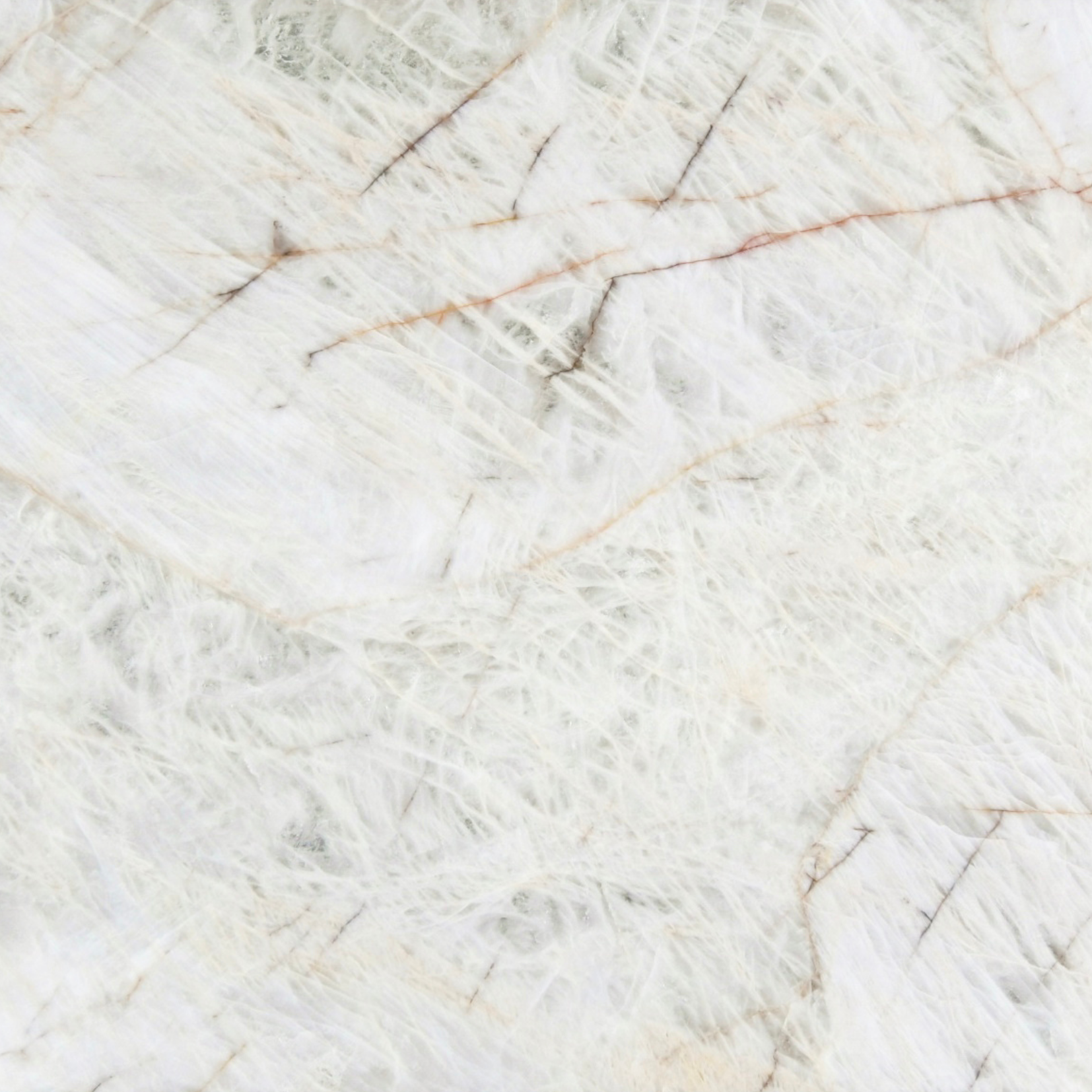
Crystal Diamond
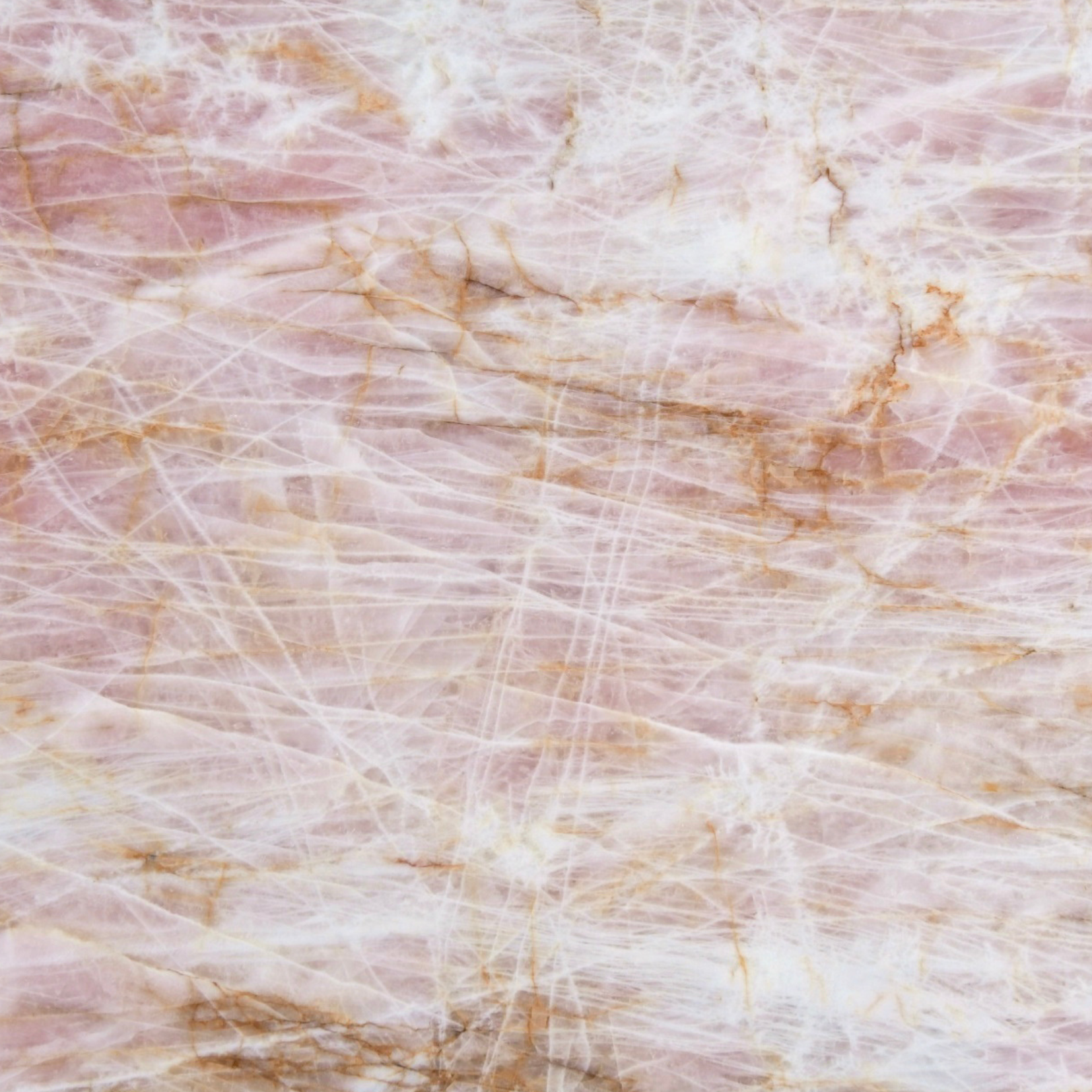
Pink Crystal
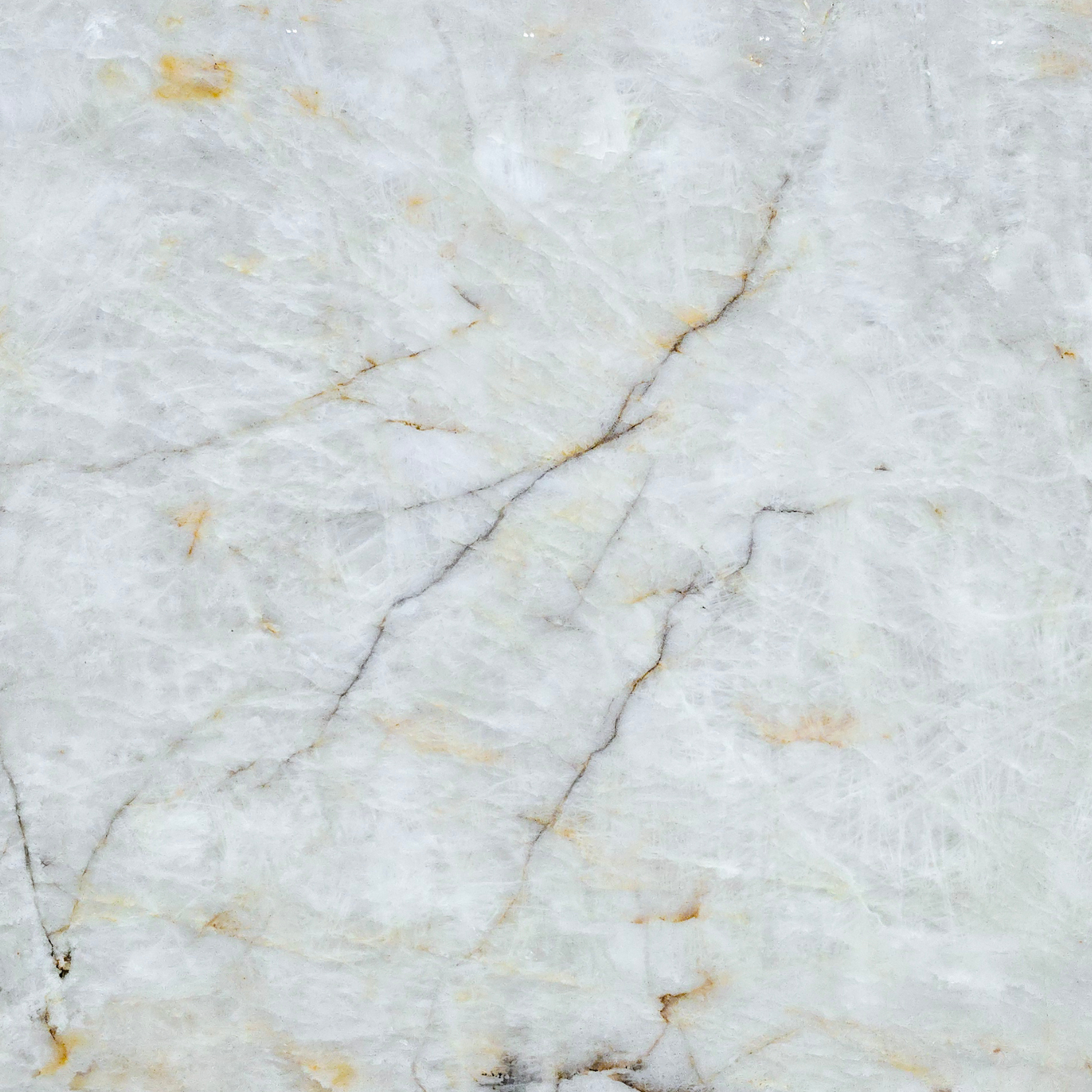
Cristallo Lumen
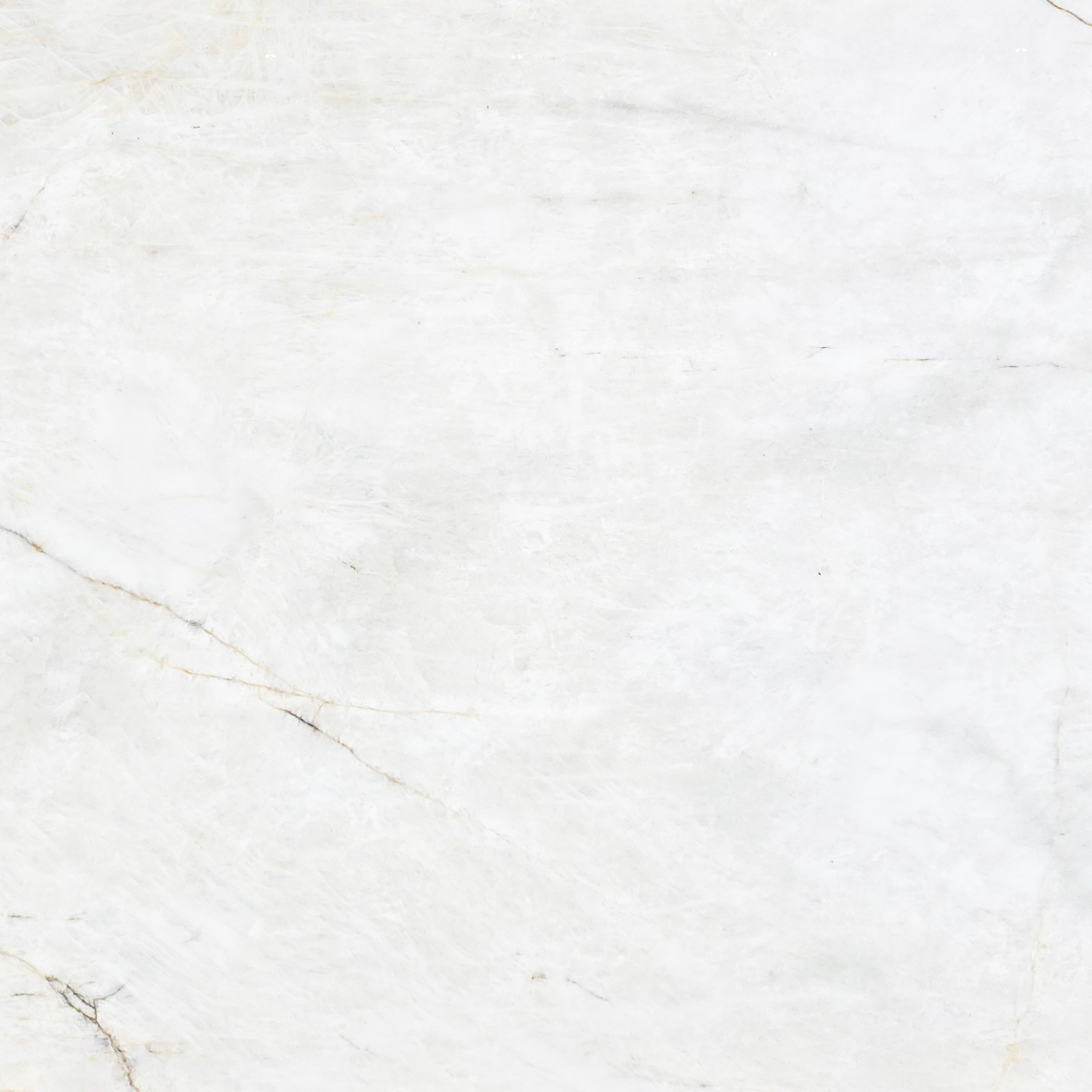
Cristallo Iluminato
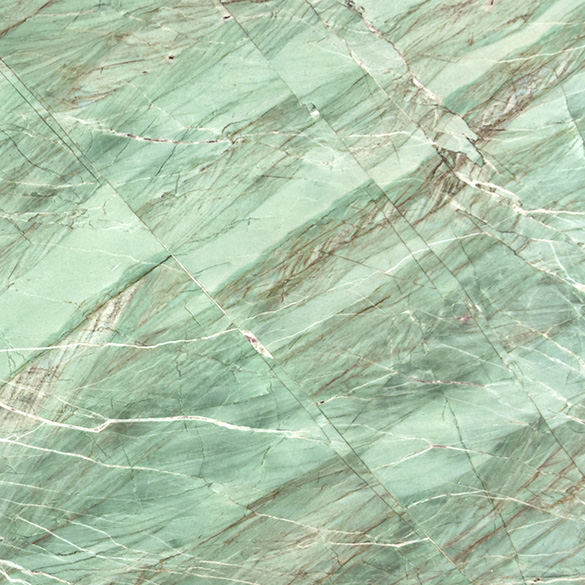
Emerald Lake
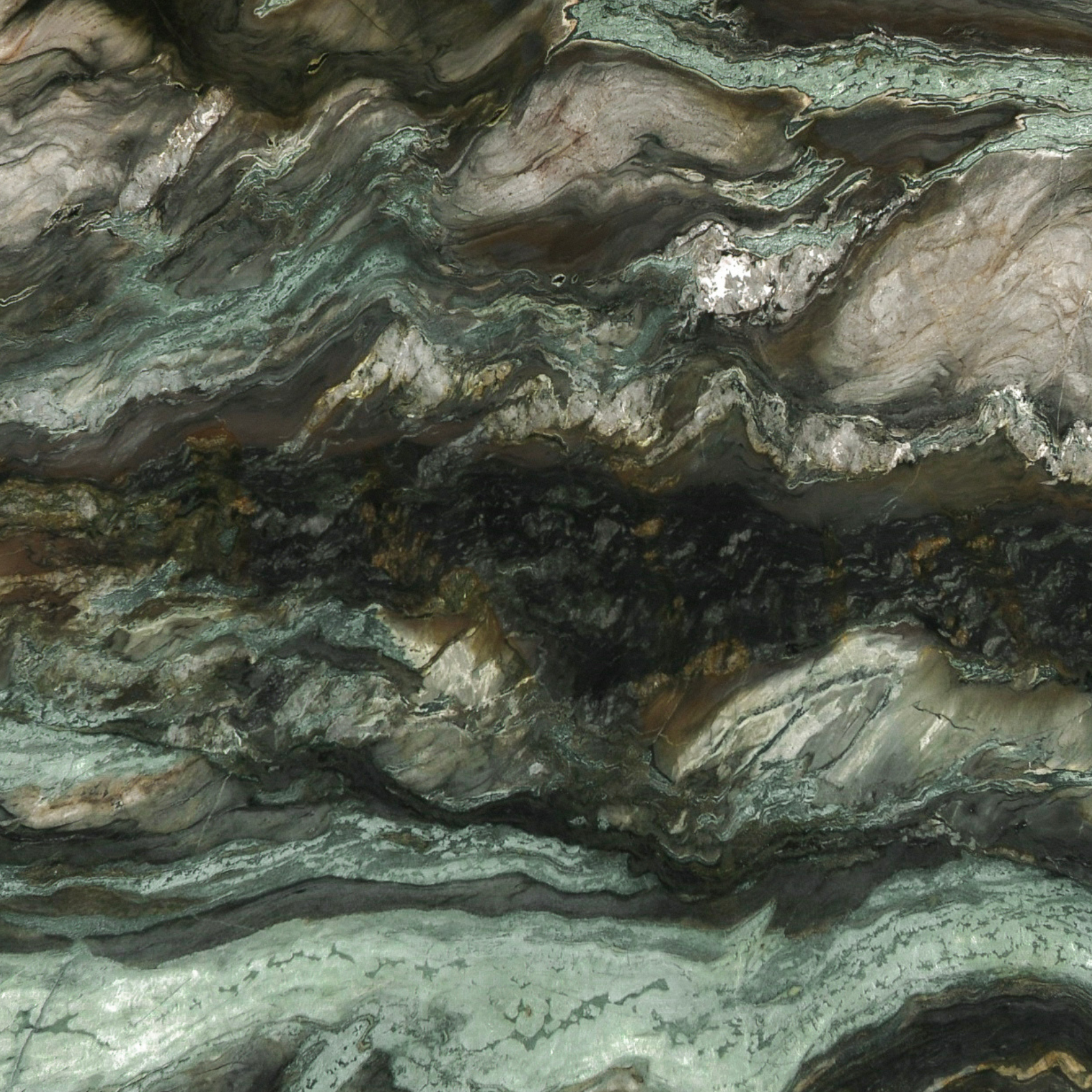
Amazon Reef
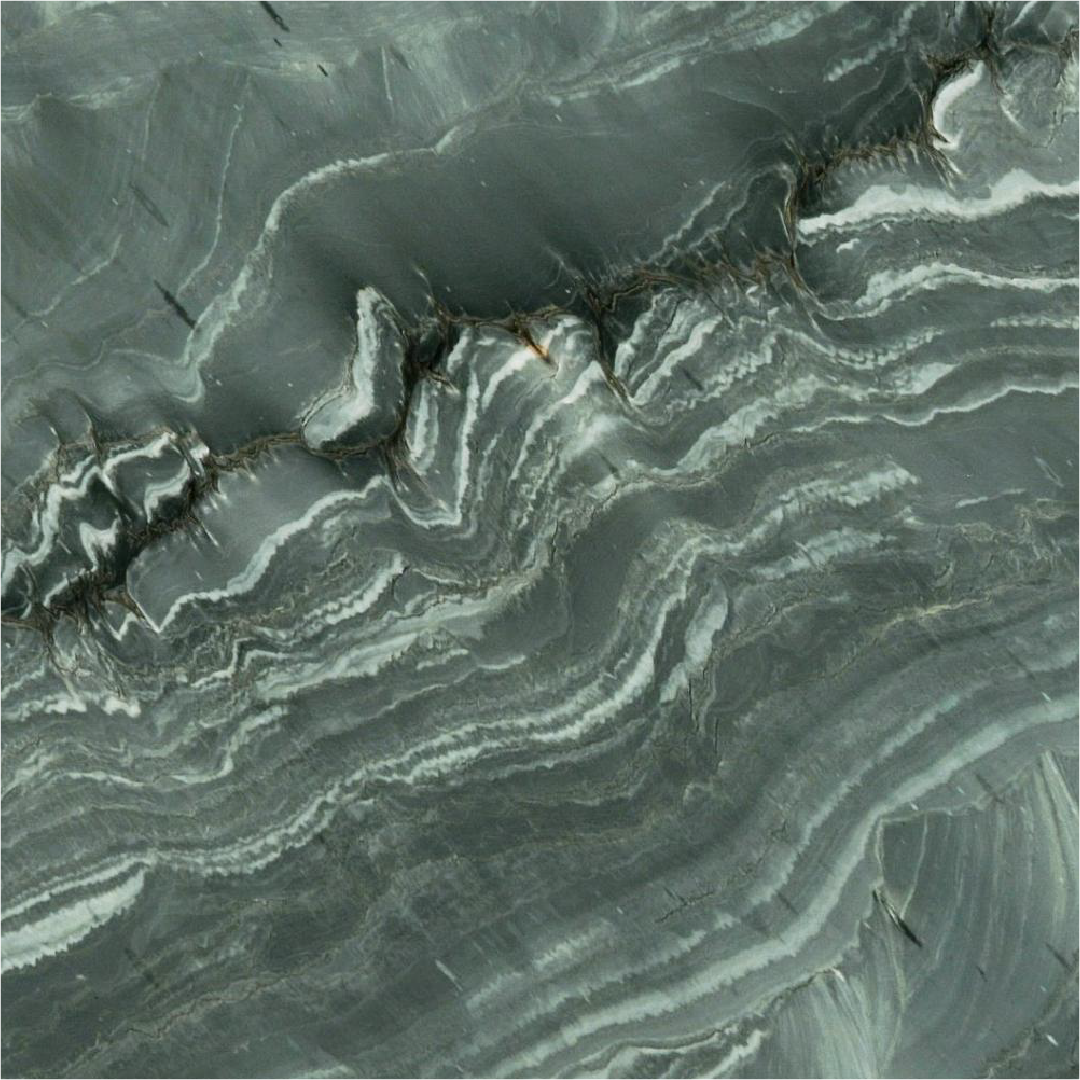
Laguna Bay
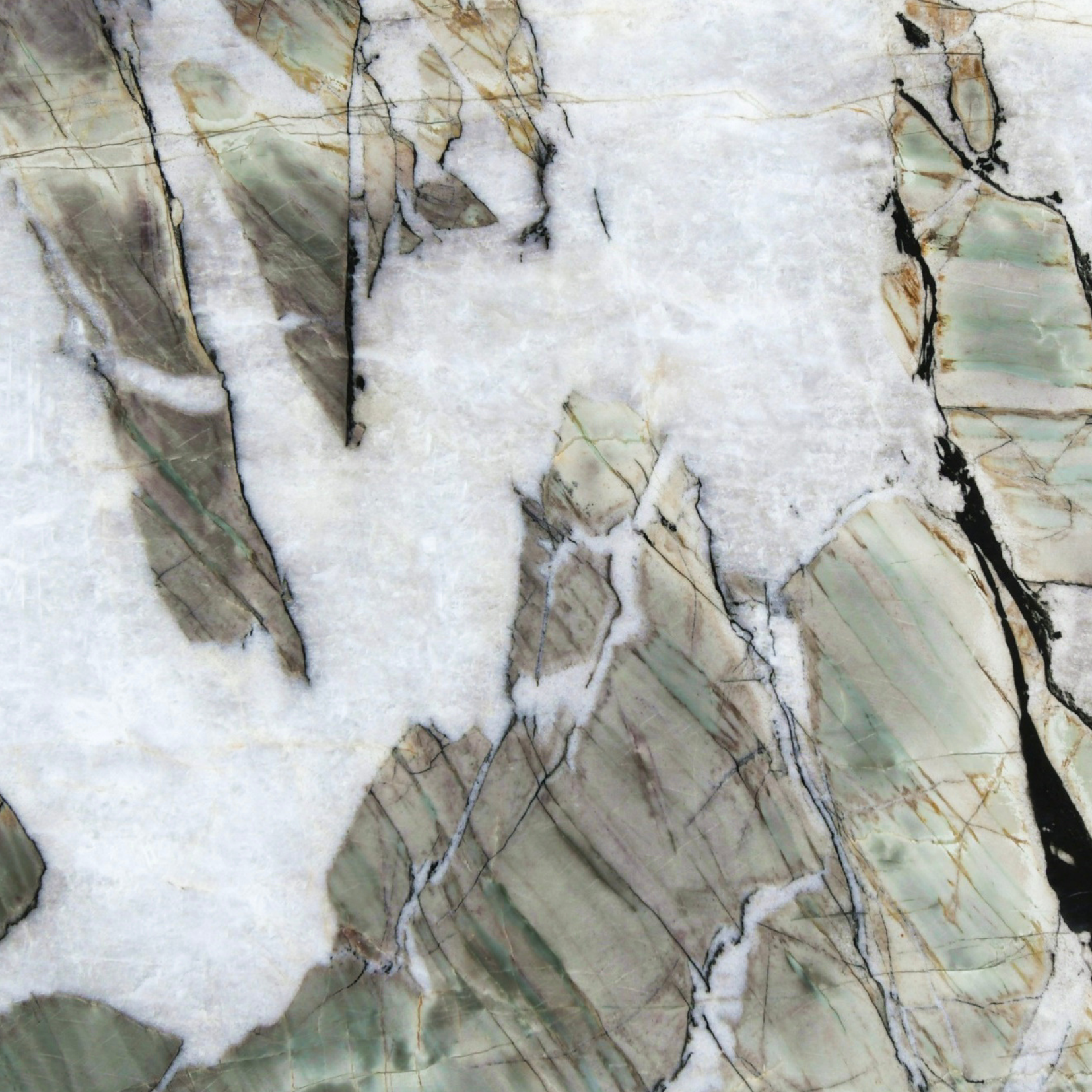
Botanic Green
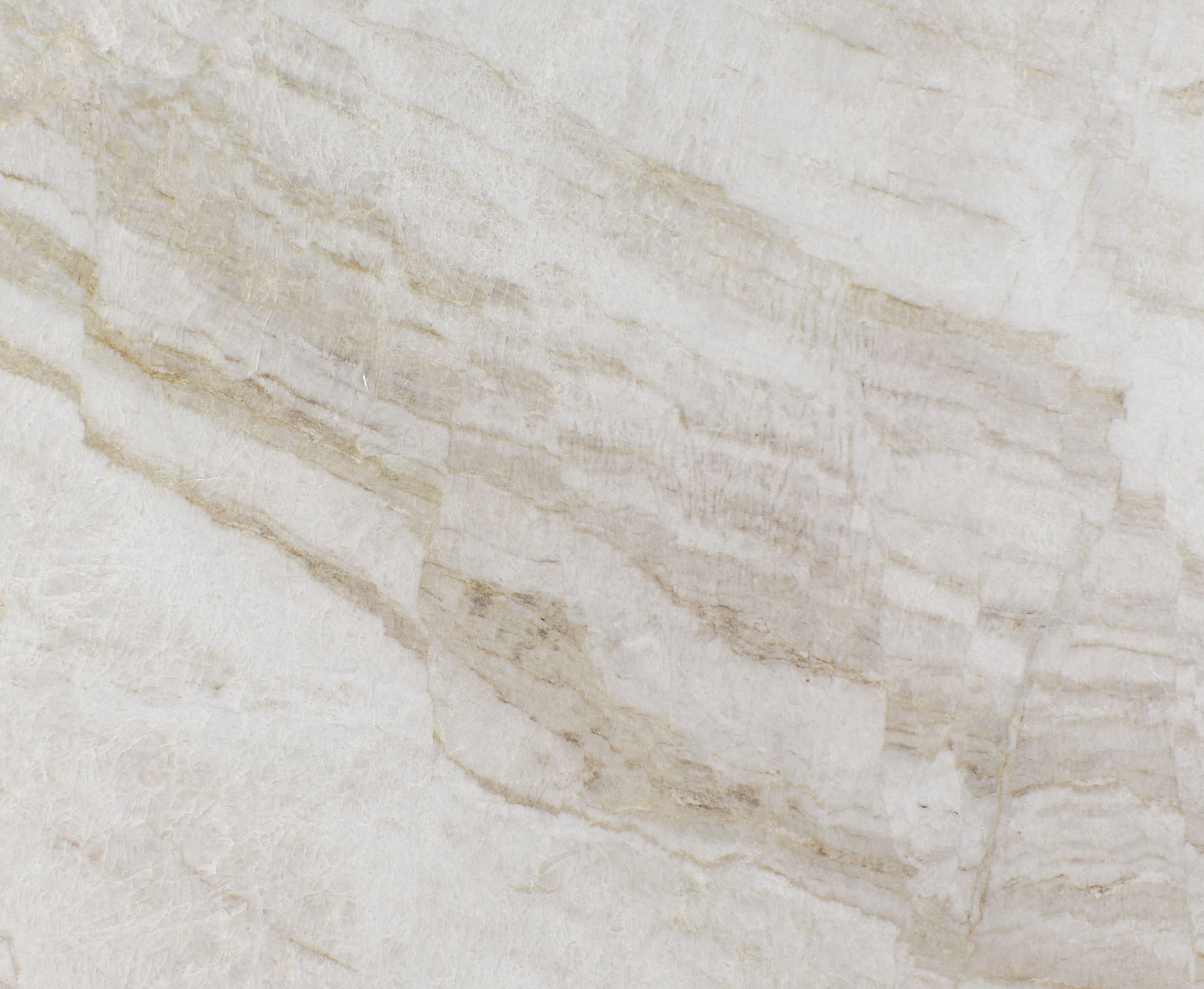
Naica
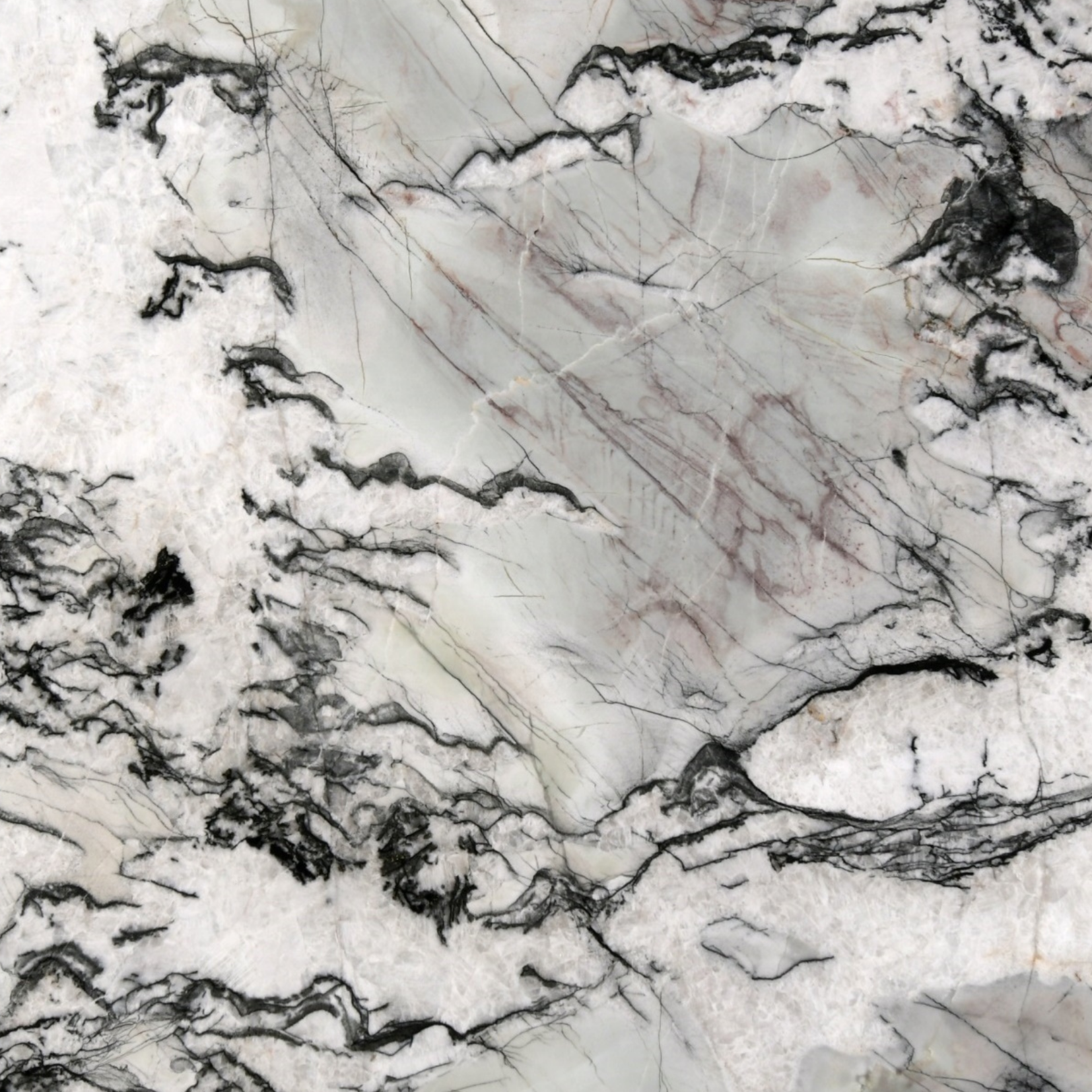
Bonsai
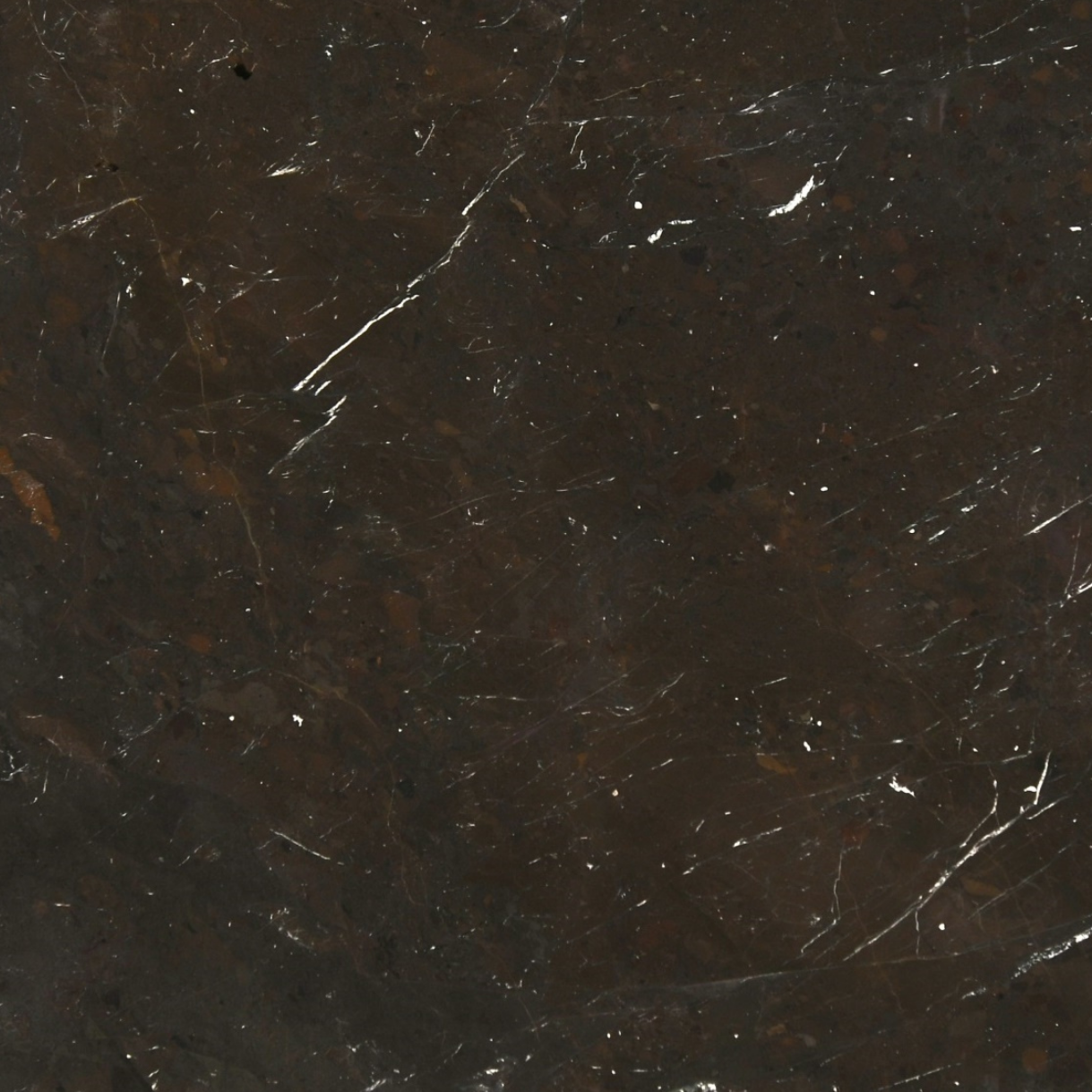
Breccia Imperiale
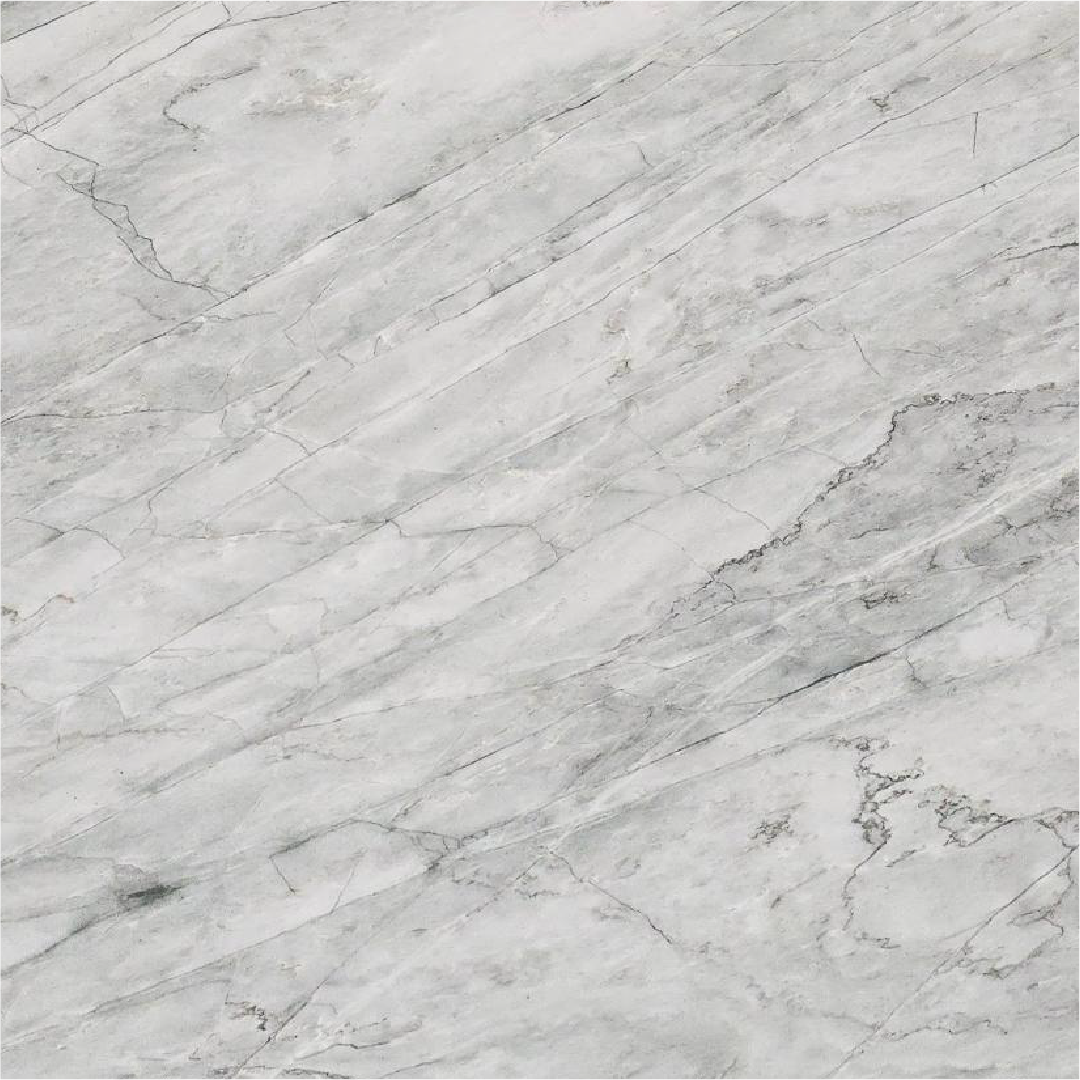
Sea Pearl
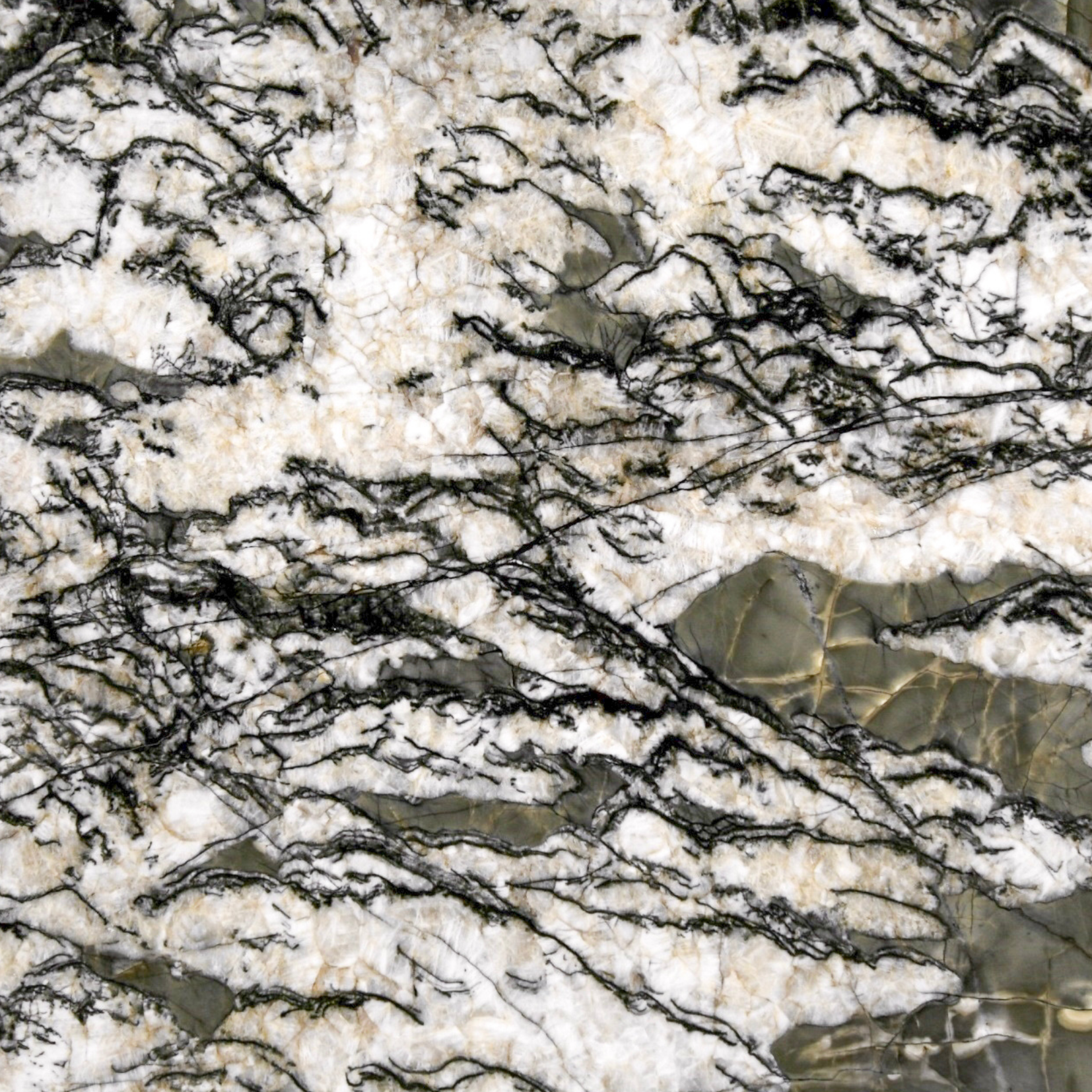
Camelot
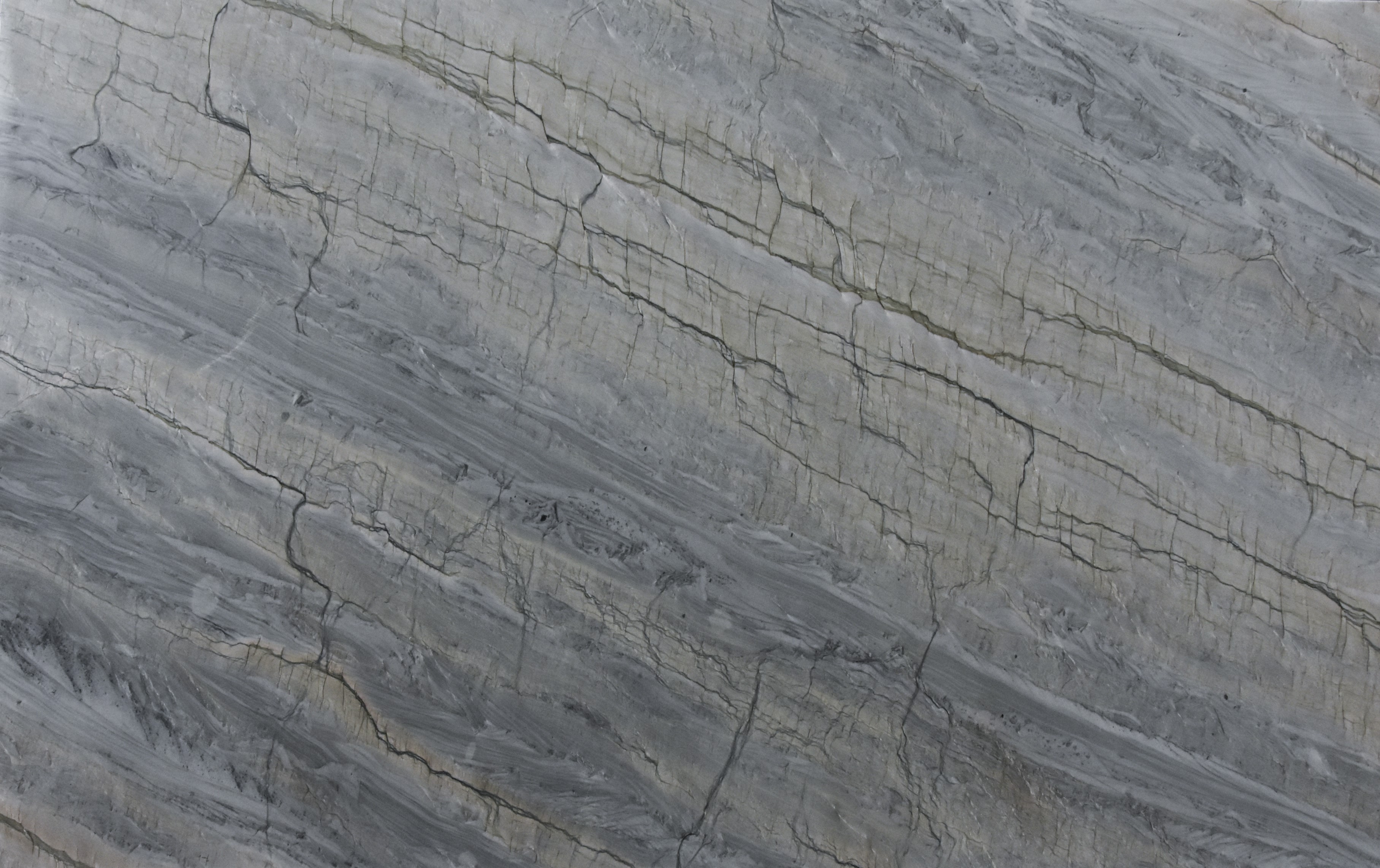
Leblon
Infinity Grey
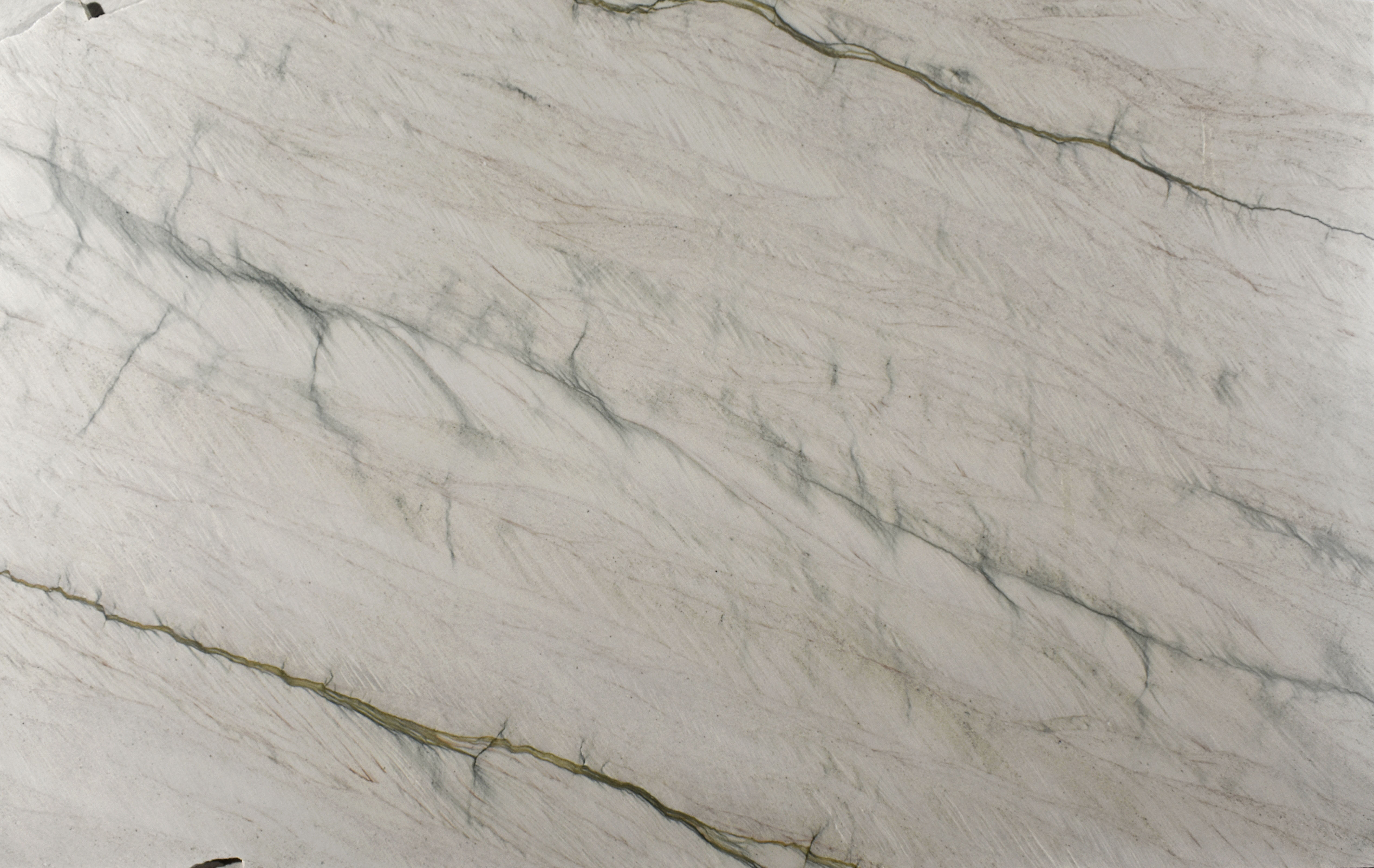
Meridian
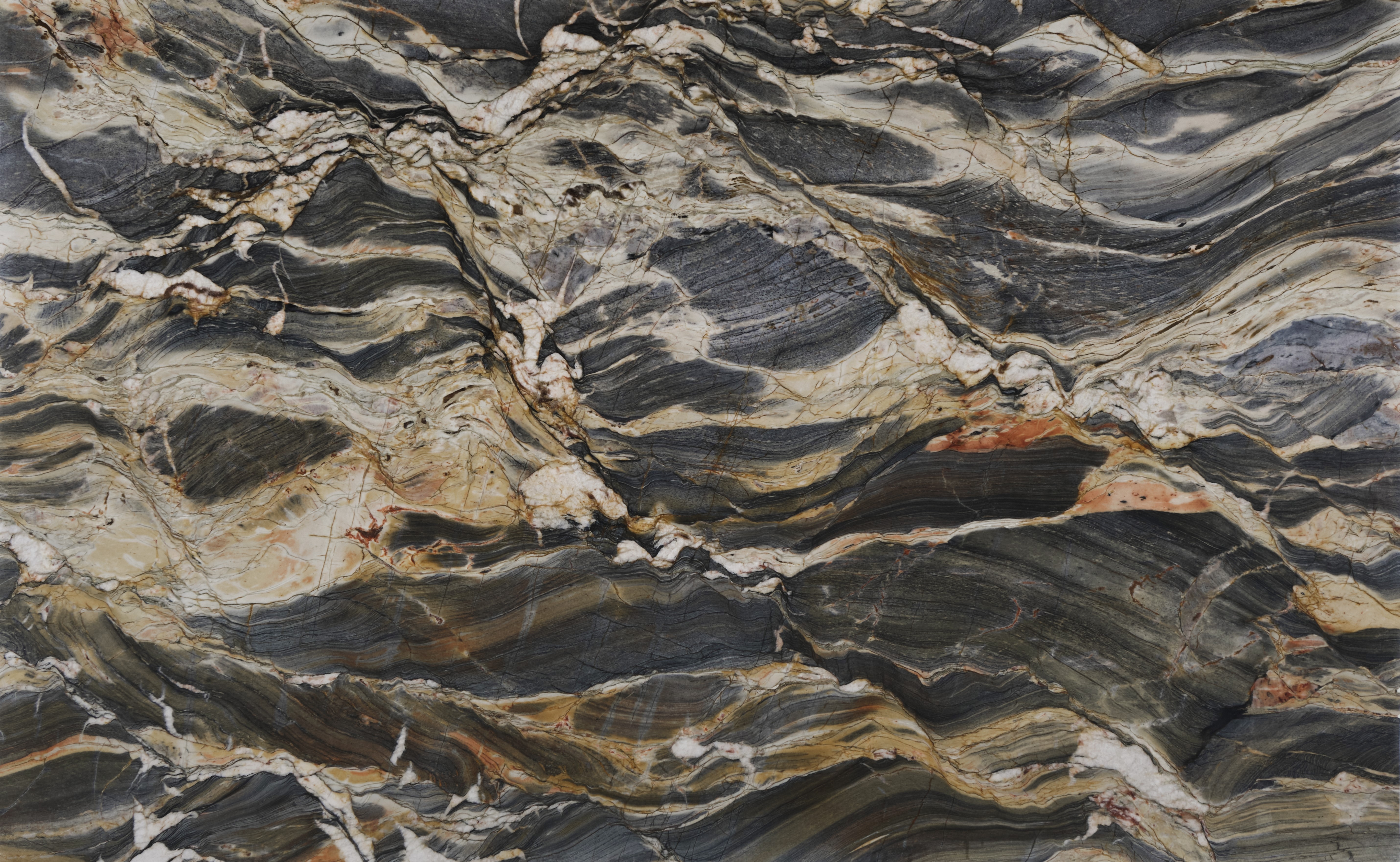
Colorado
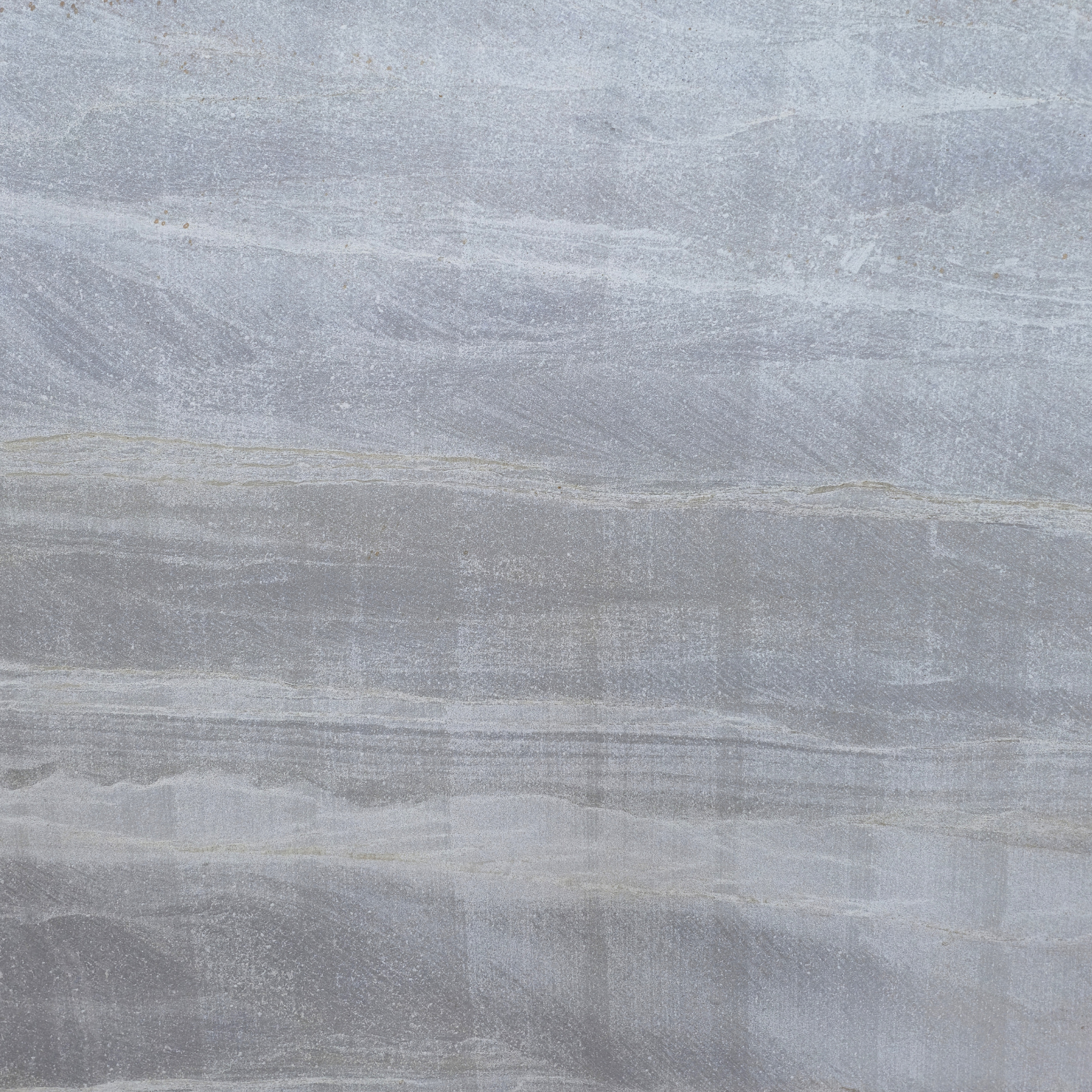
Atlantis
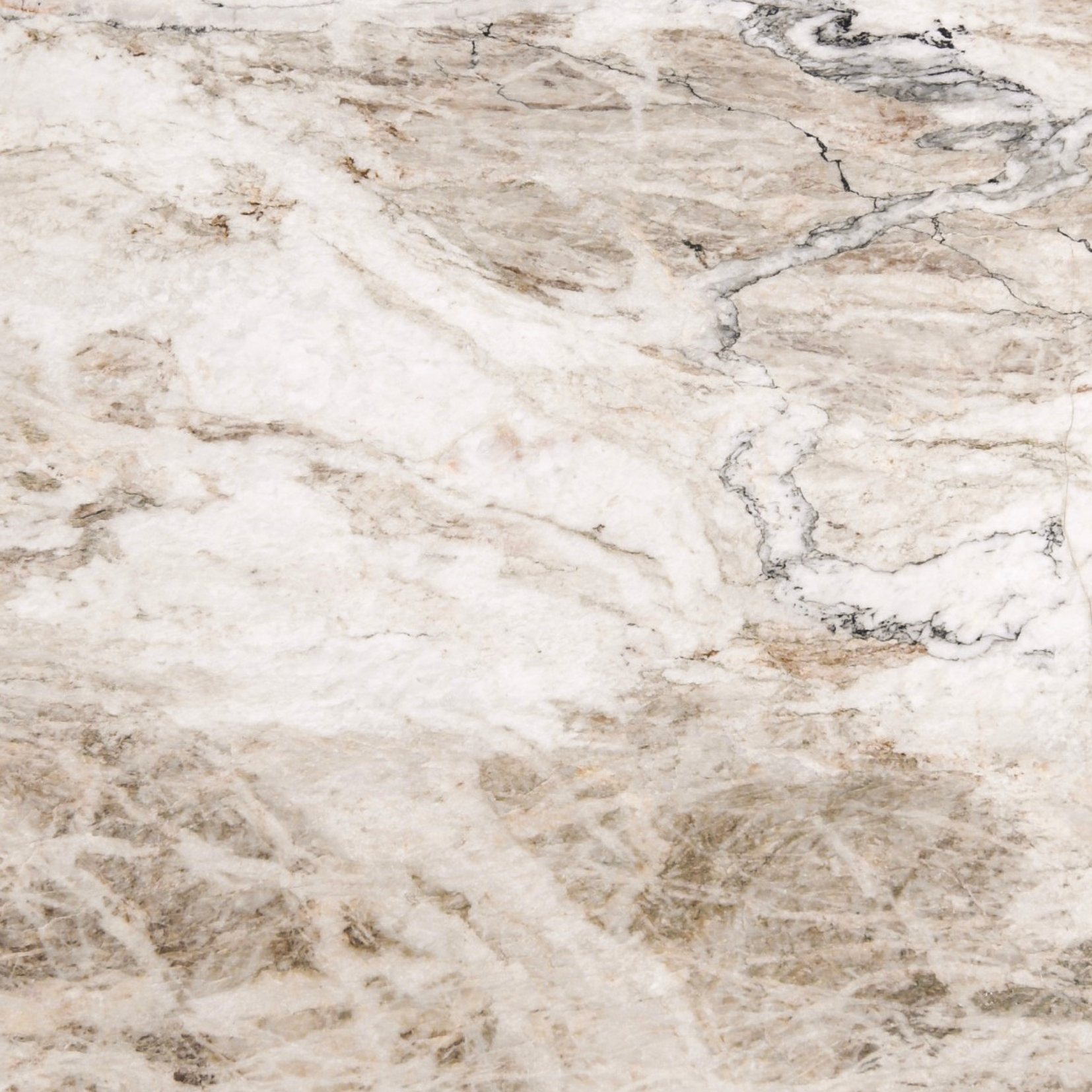
Venaria
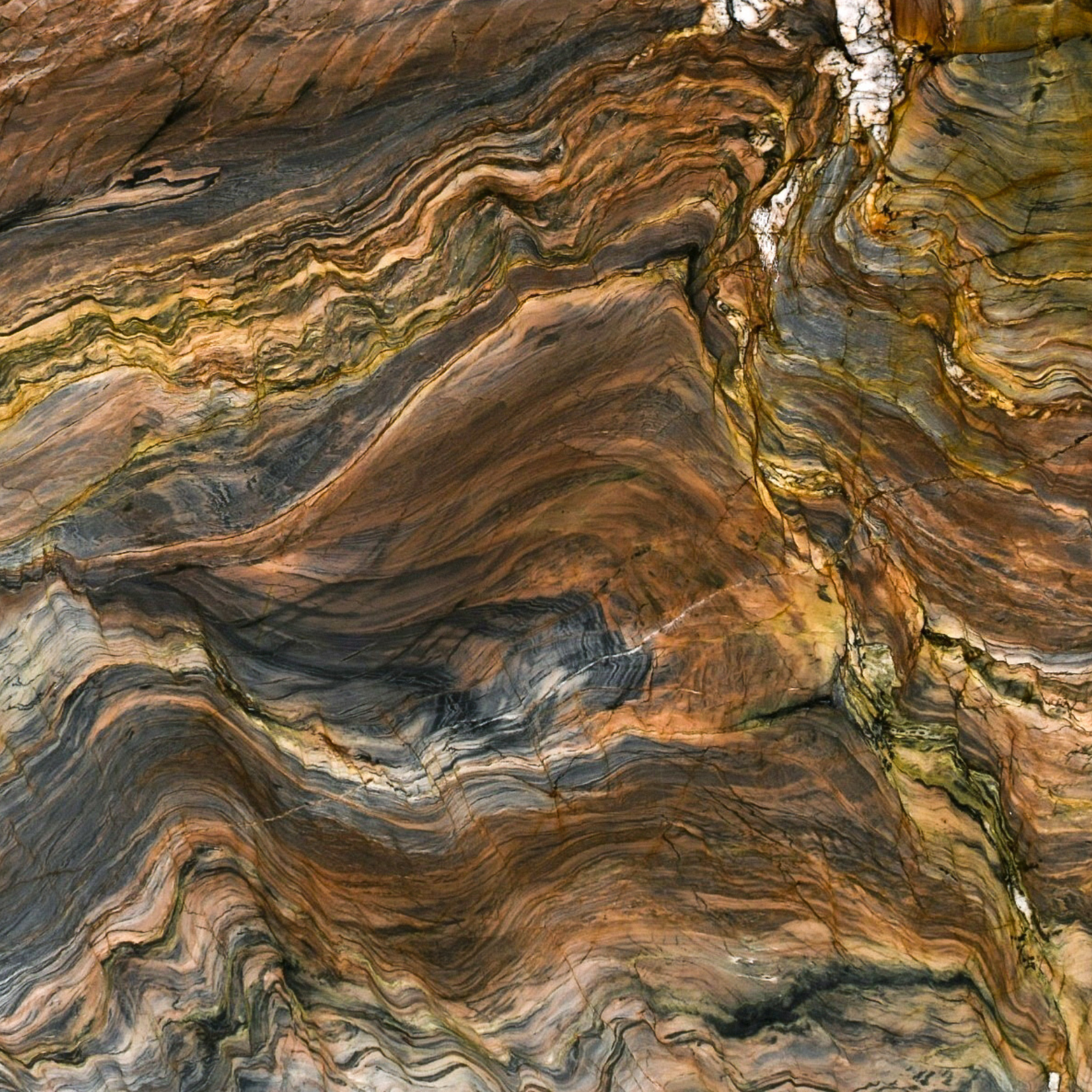
Fusion Multcolor
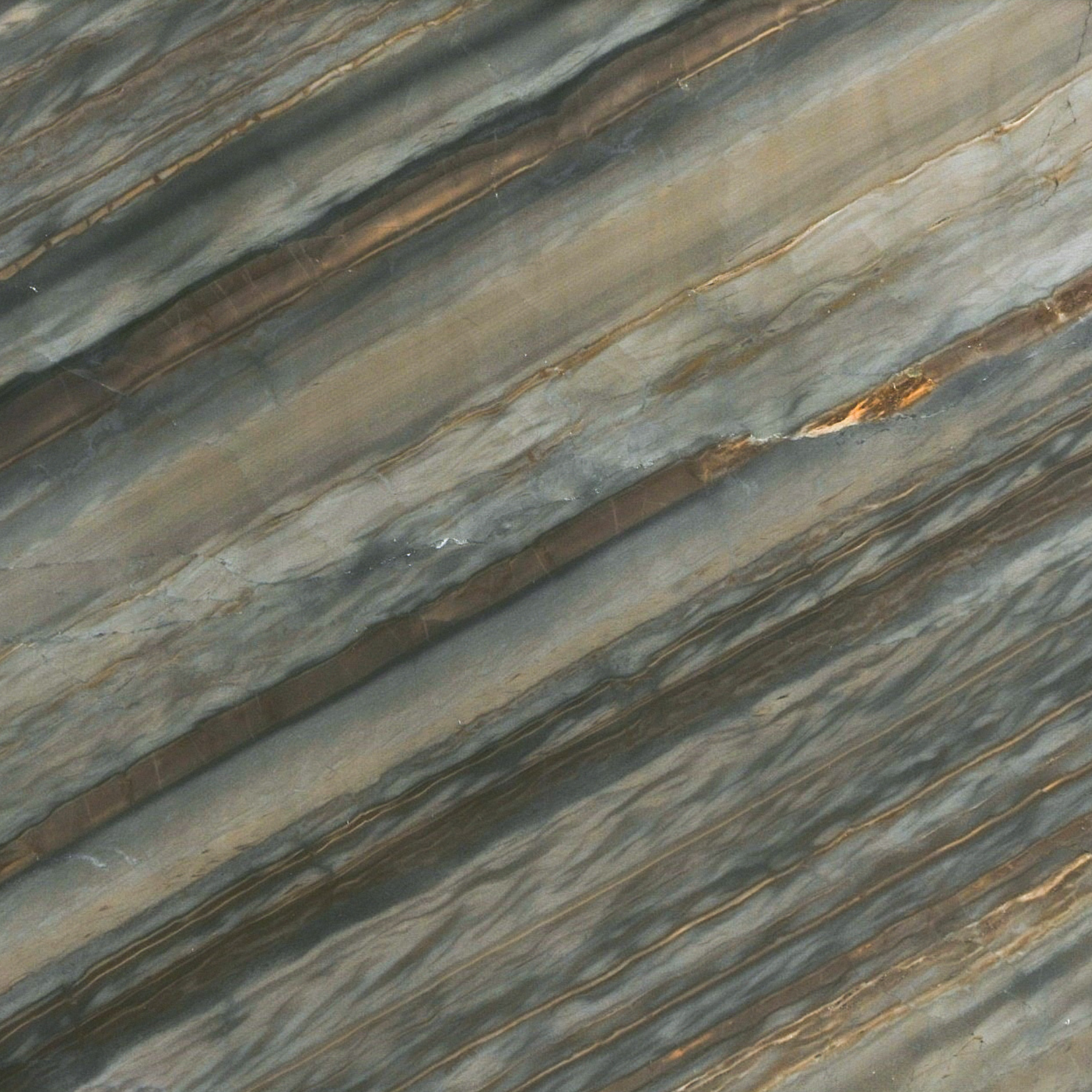
Elegant Brown
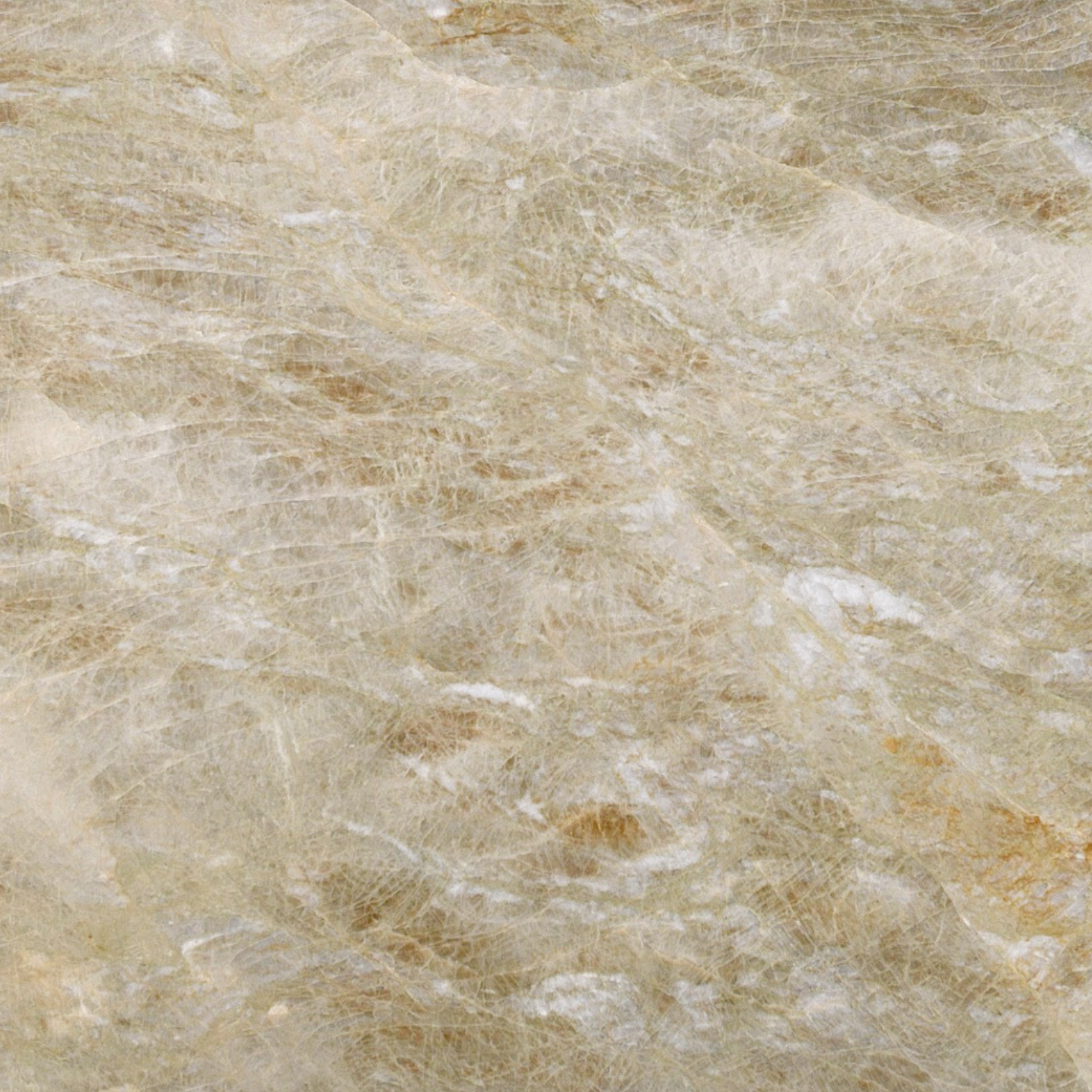
Perla Murano
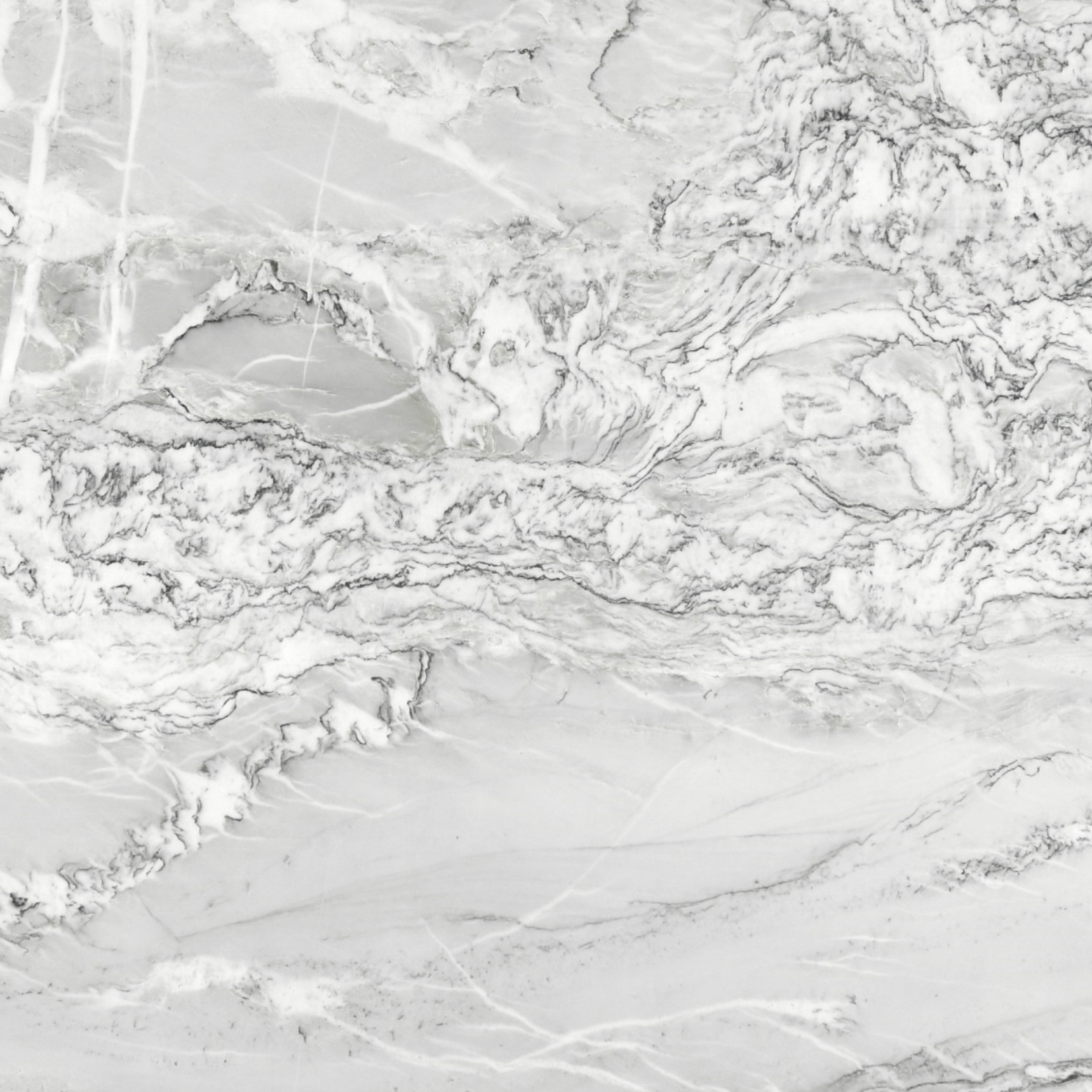
Mont Blanc Extreme
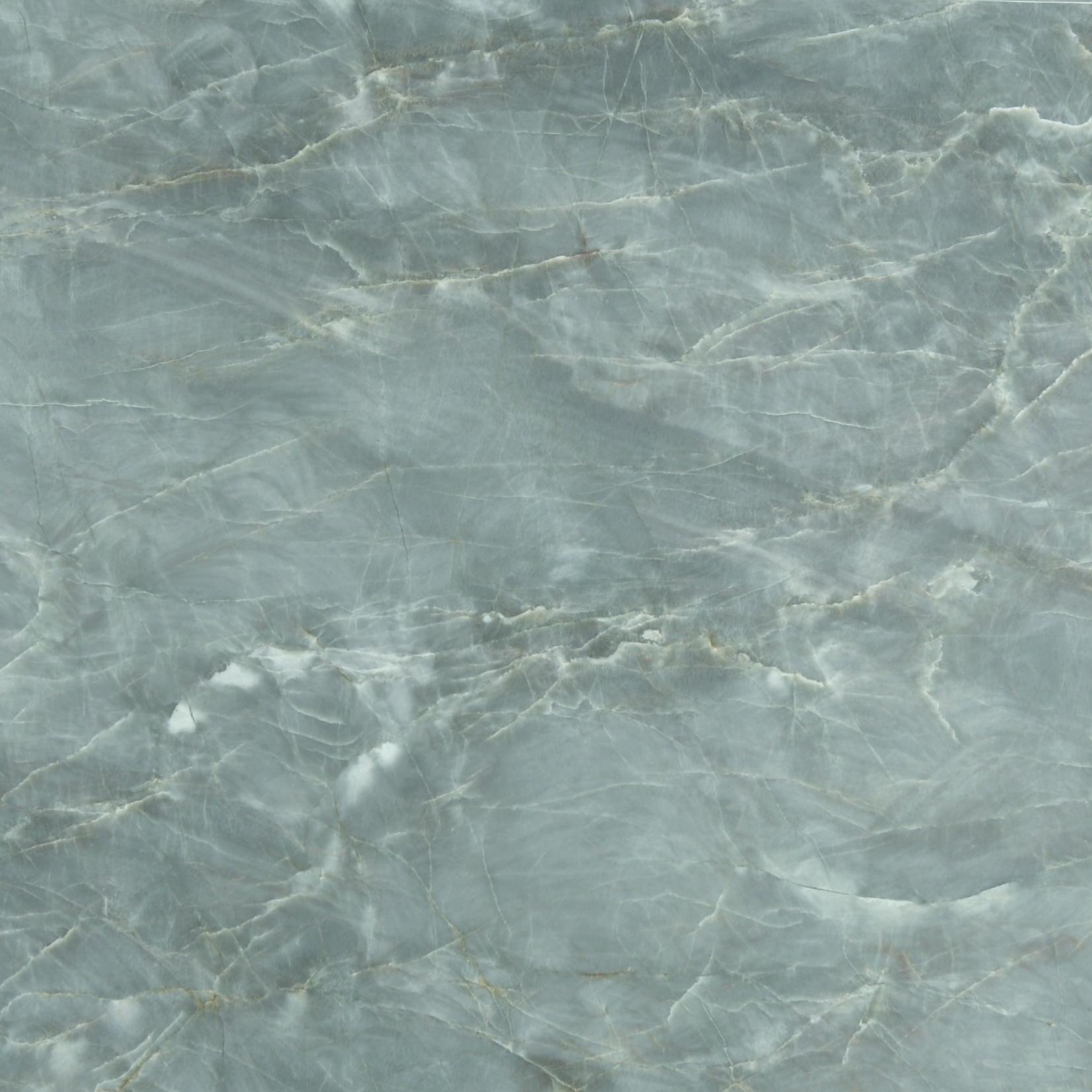
Emerald Green
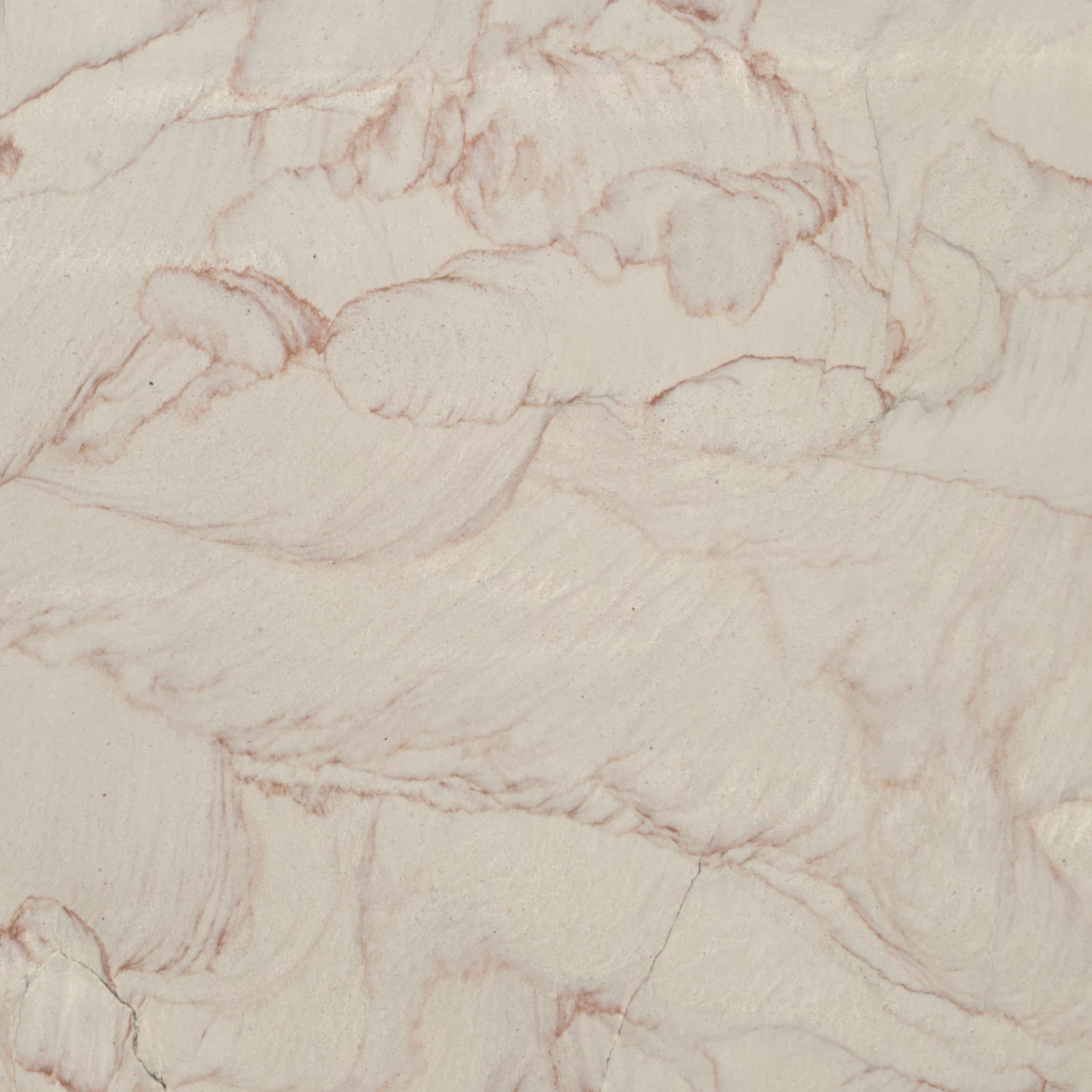
Kallahary
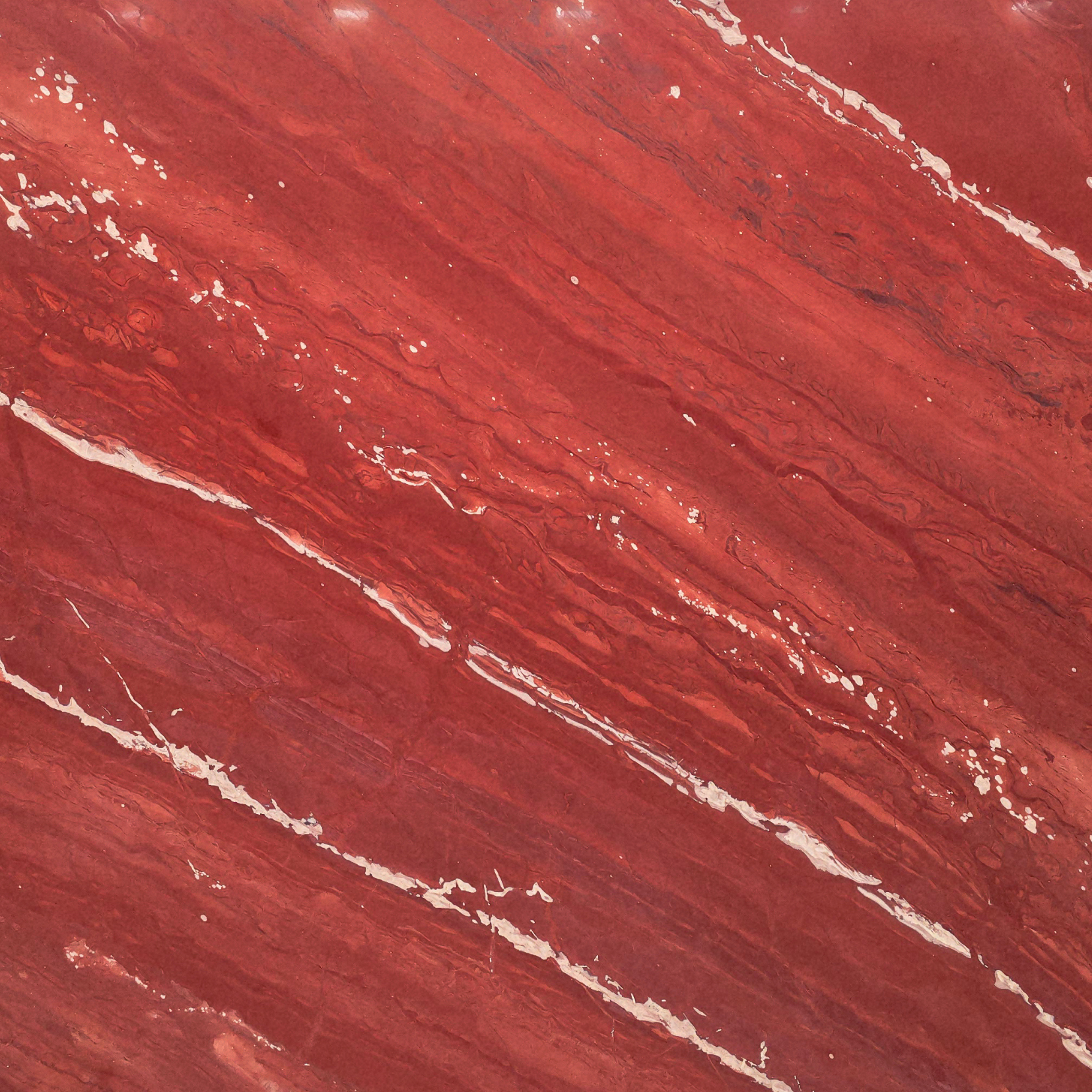
Jasper
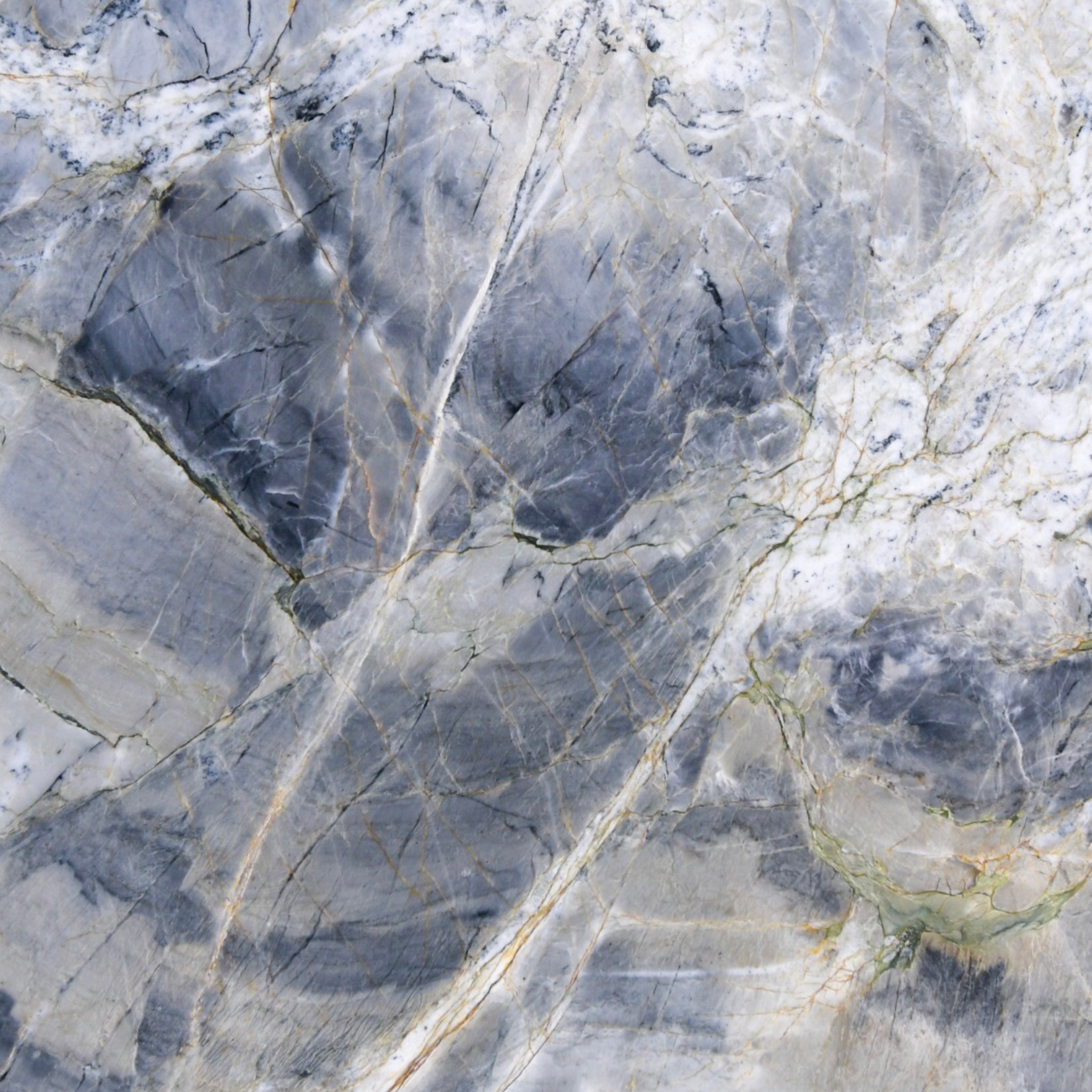
Mystic Blue
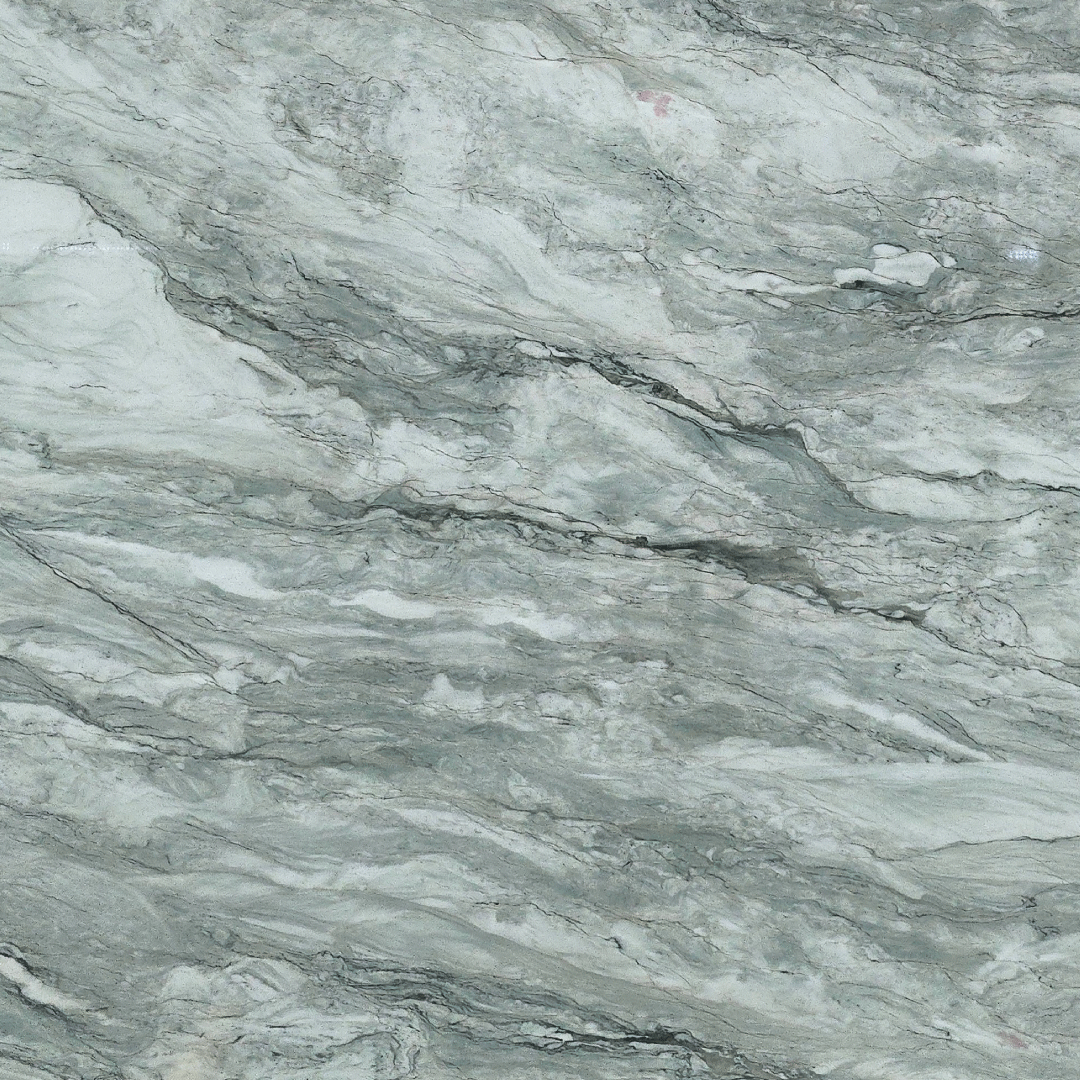
Ocean Green
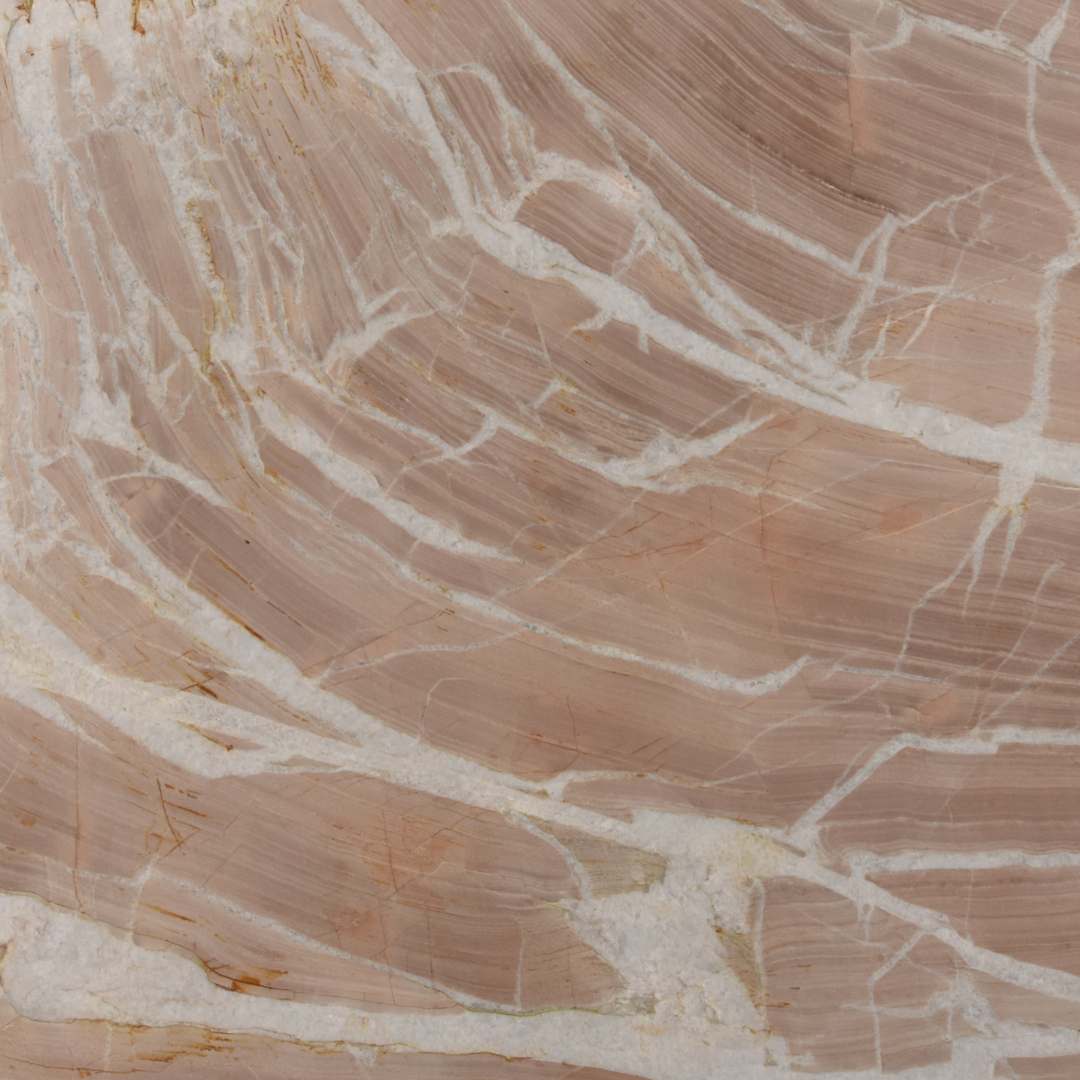
Splendido
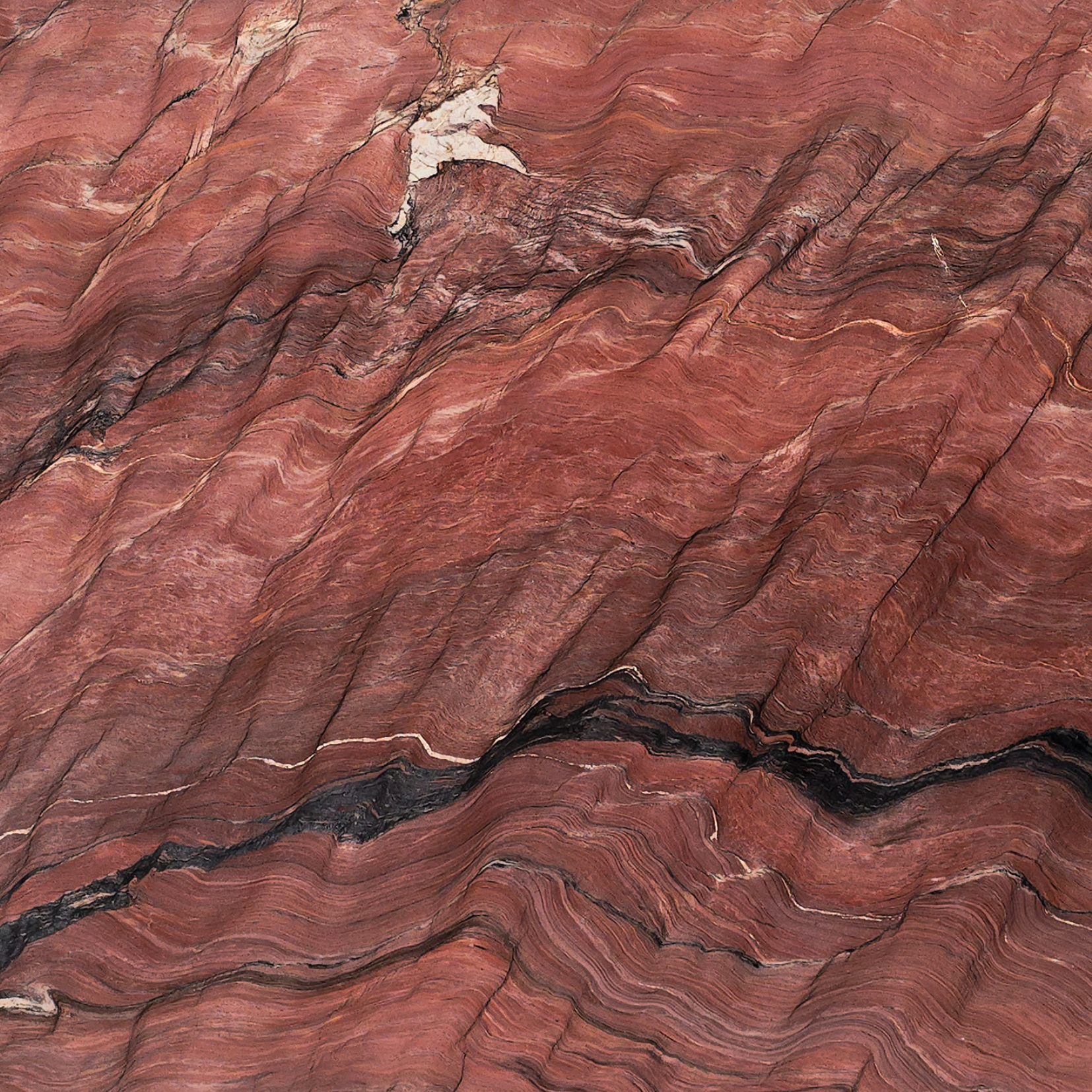
Fusion Revolution
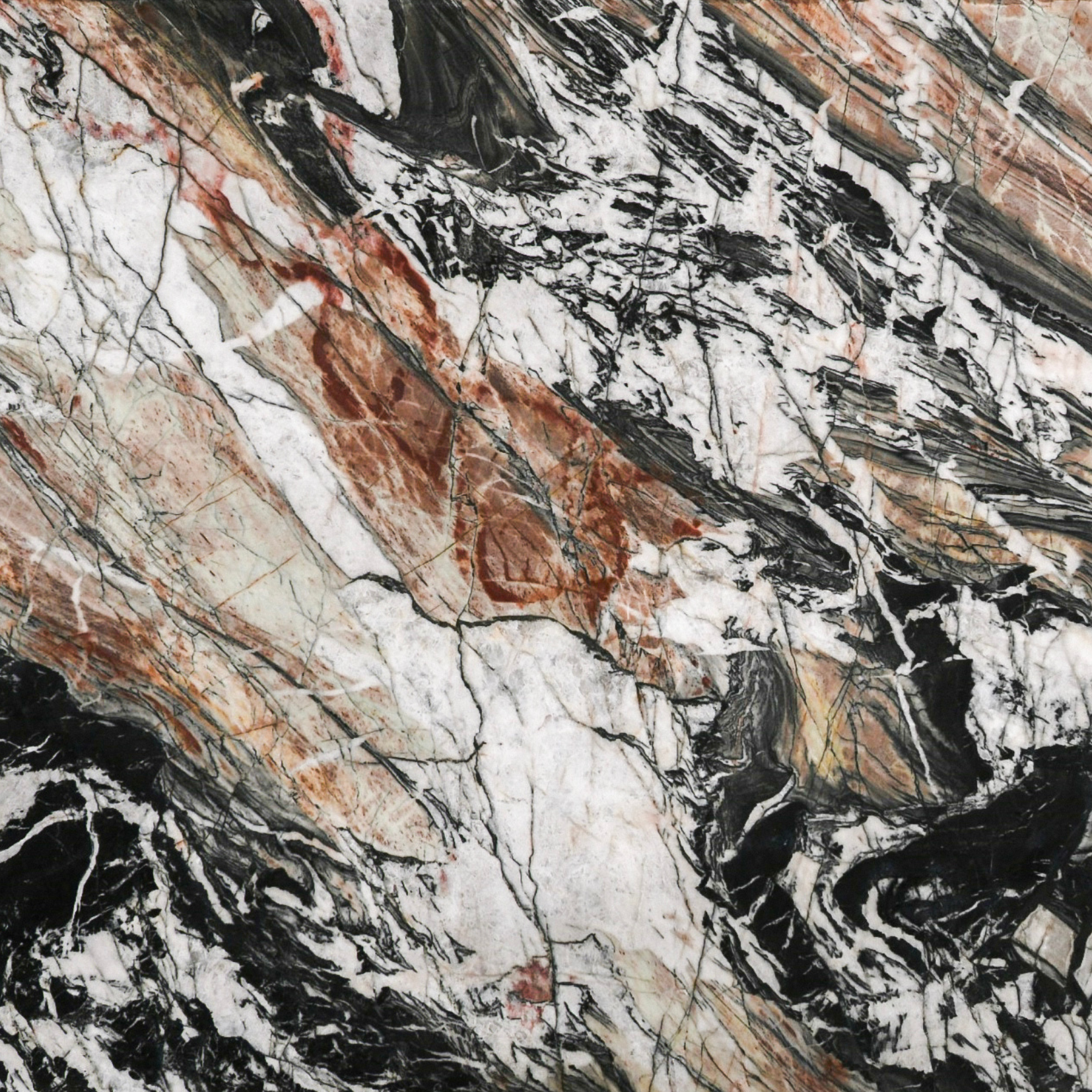
Baikal
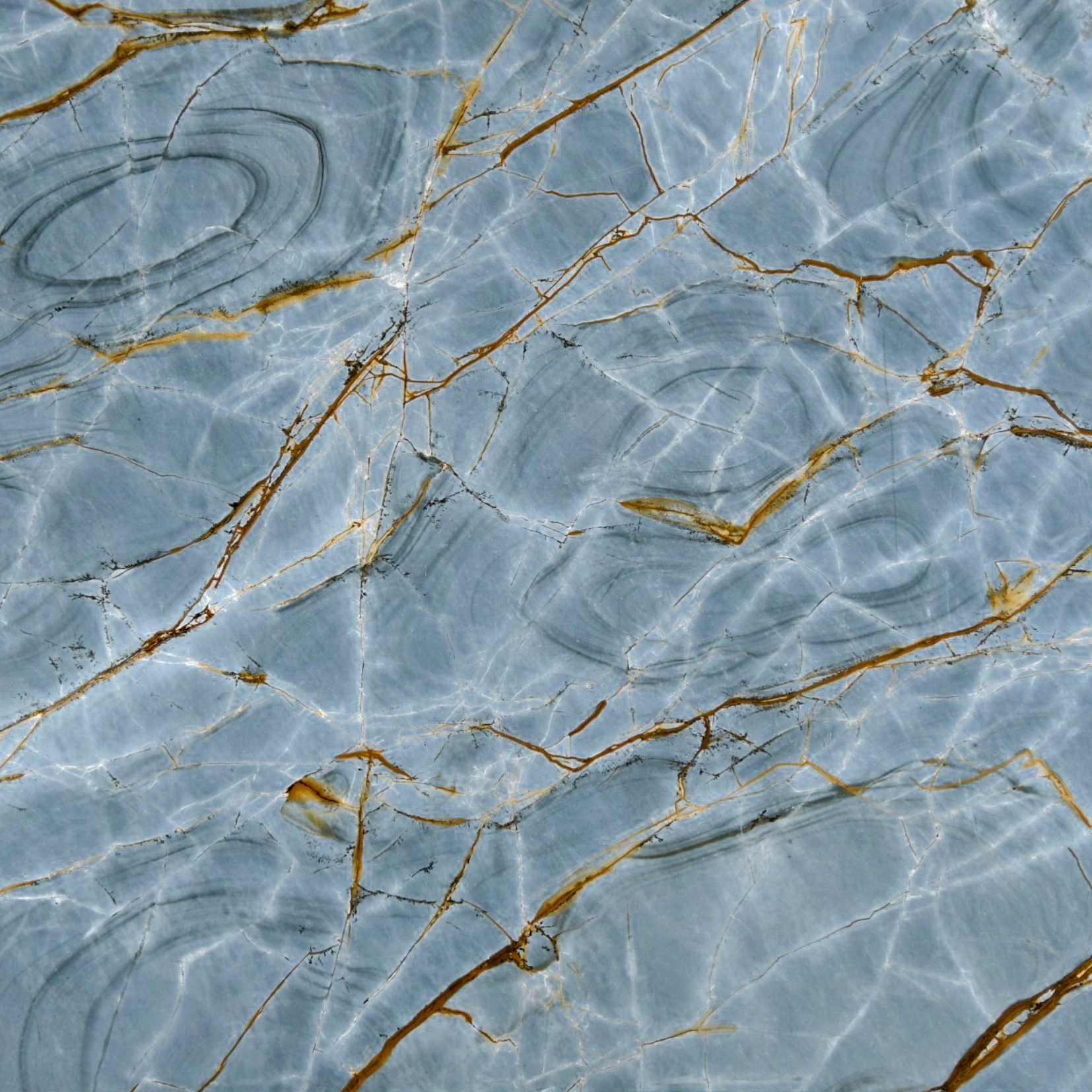
Blue Deep
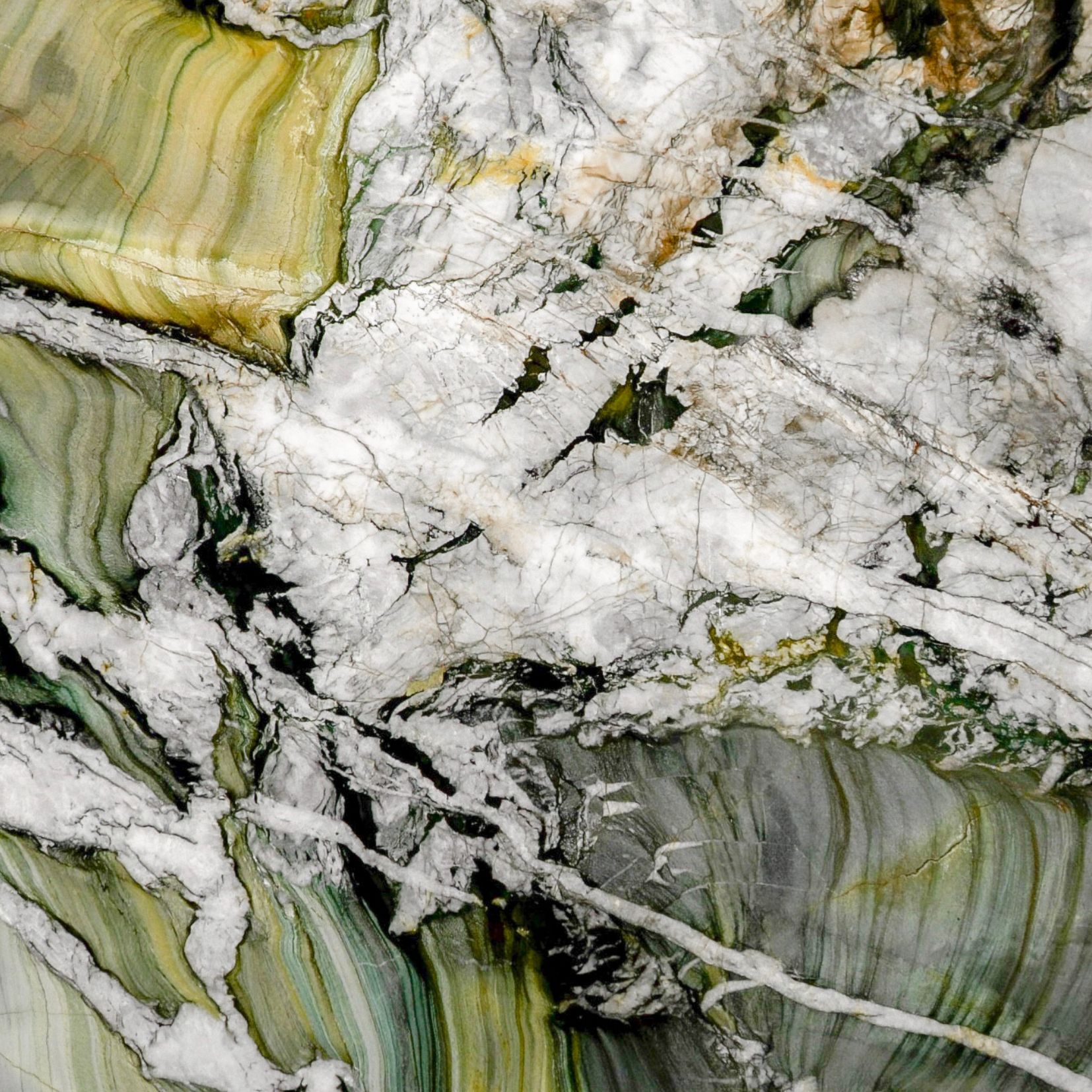
Fiji
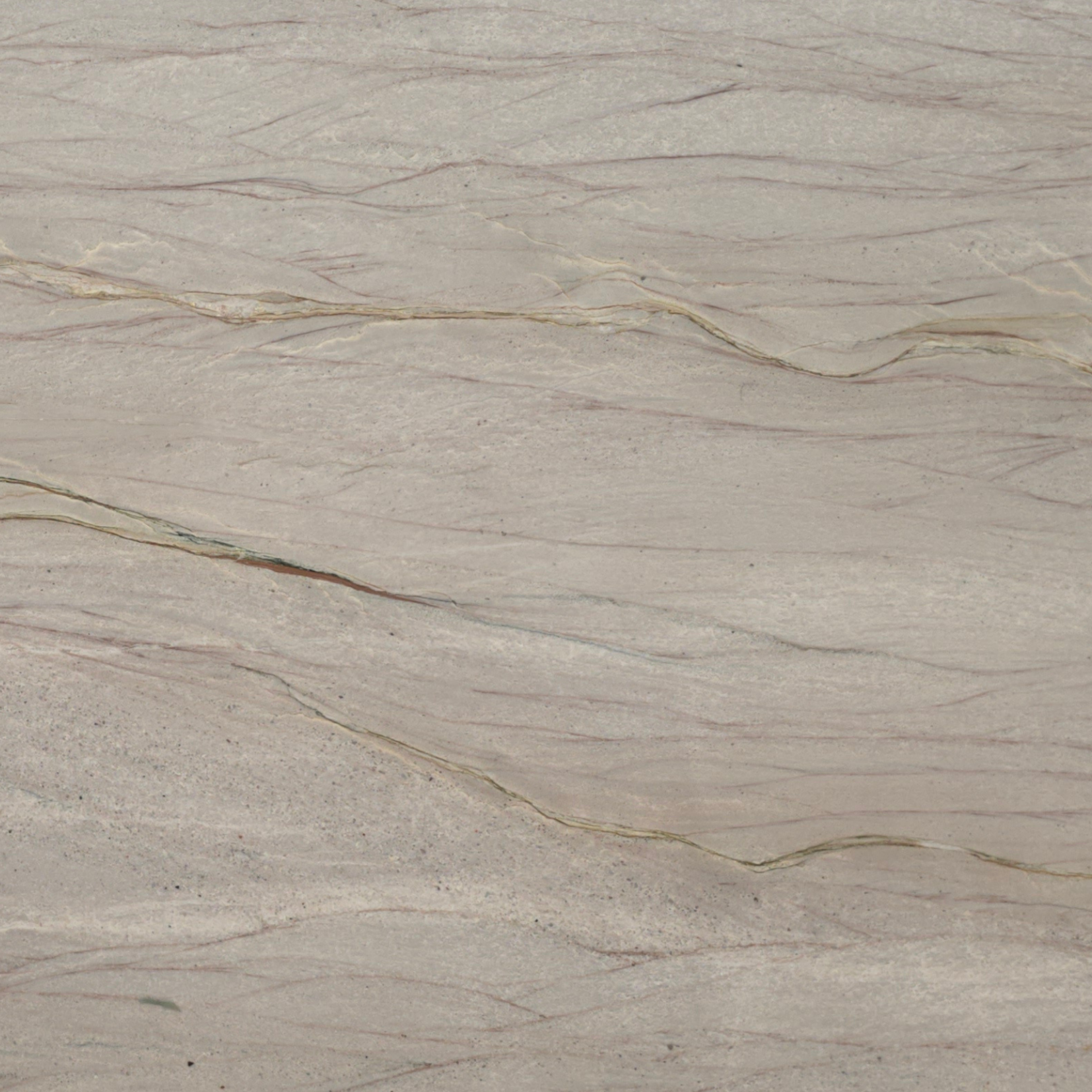
Kallahary Select
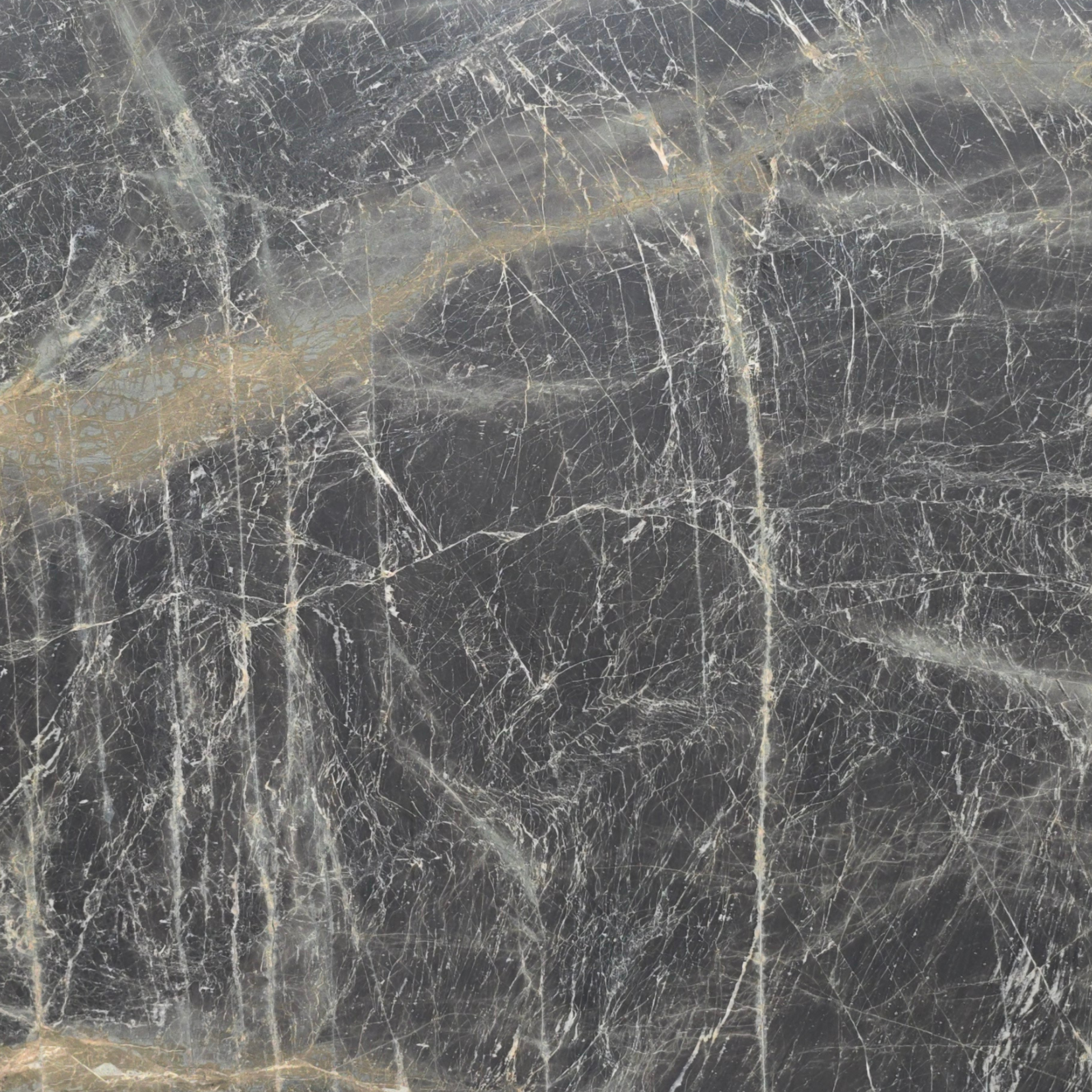
Nebula
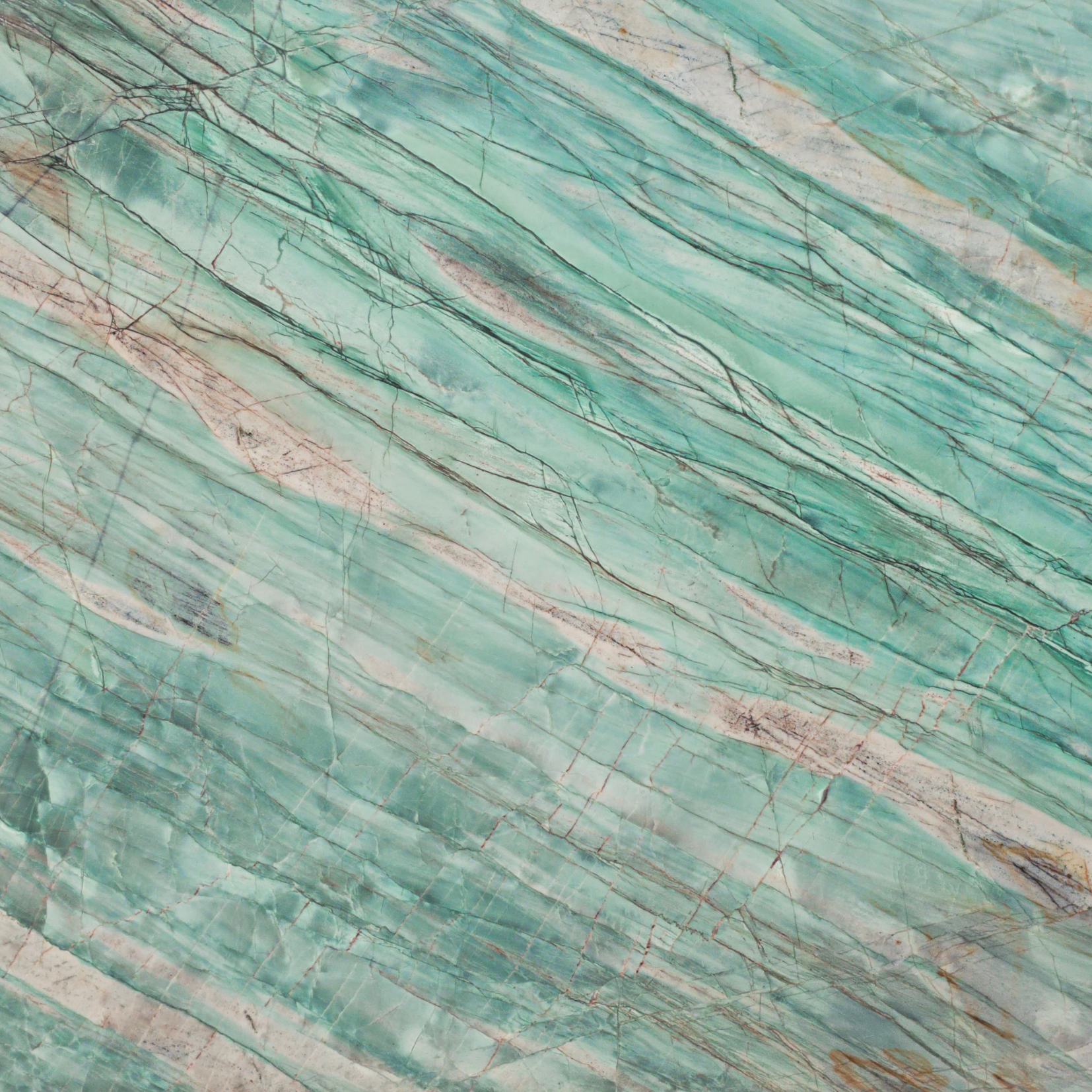
Emerasya
Explosion
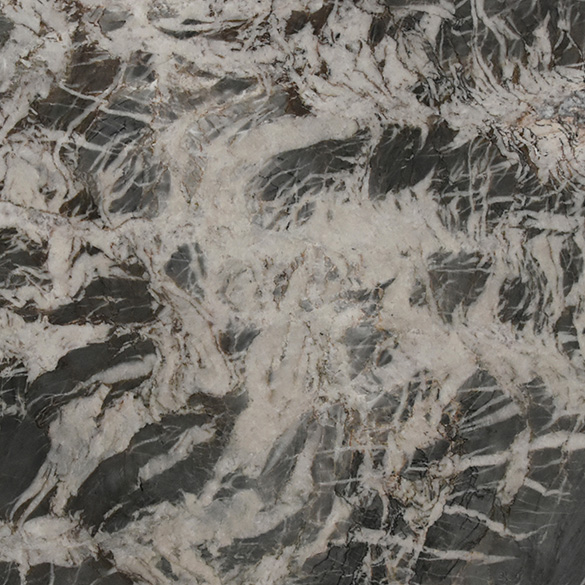
Vittara
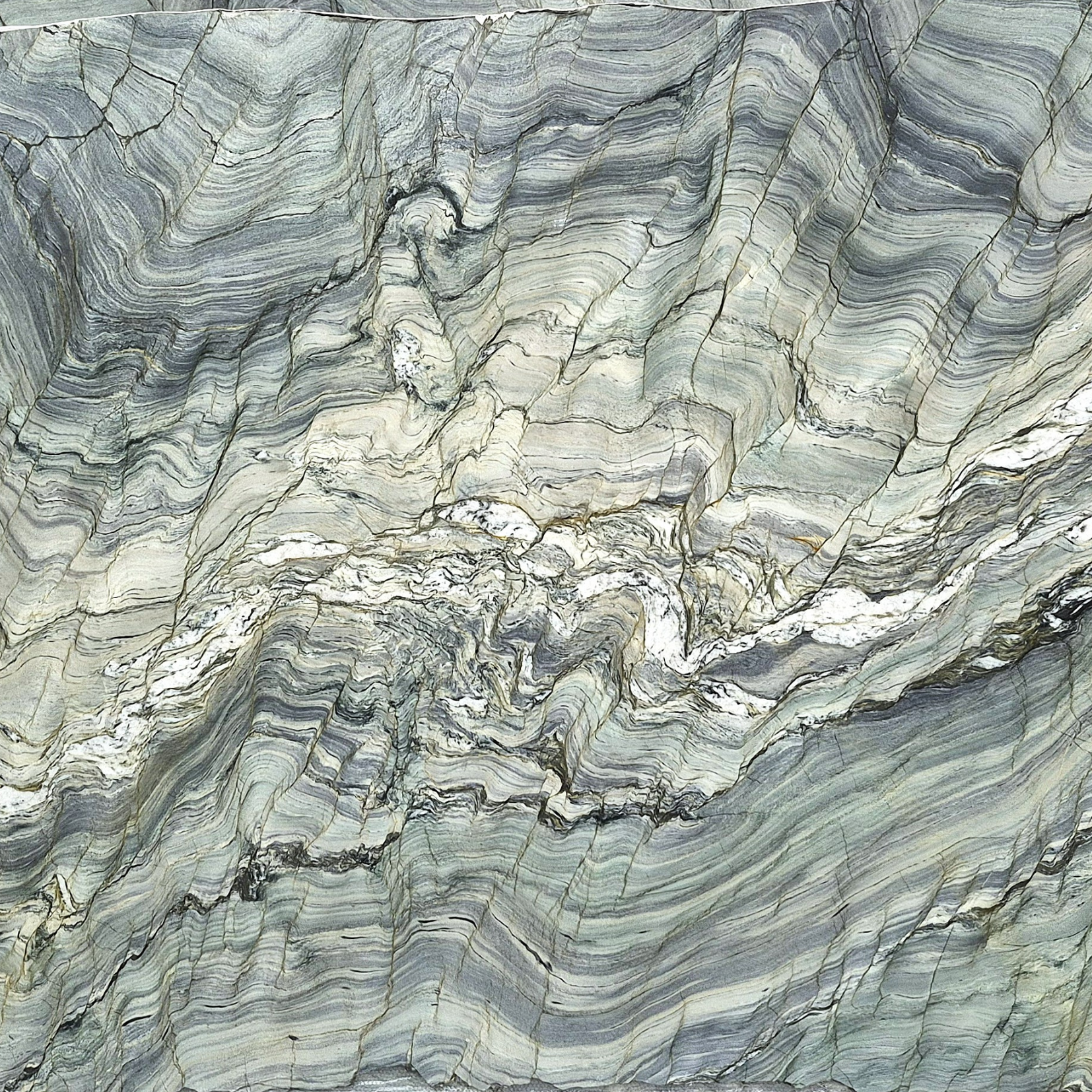
Fusion Light
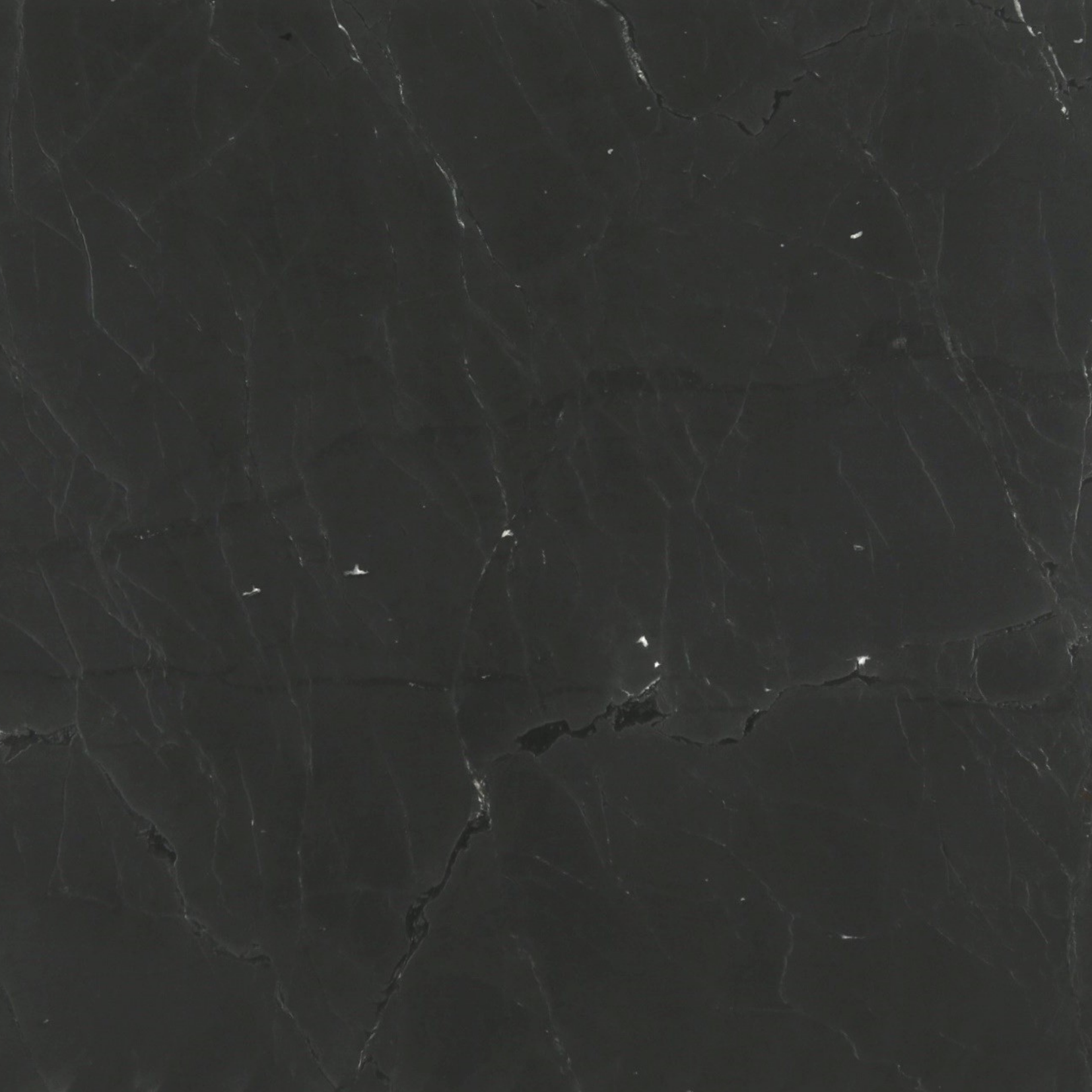
Diamond Black
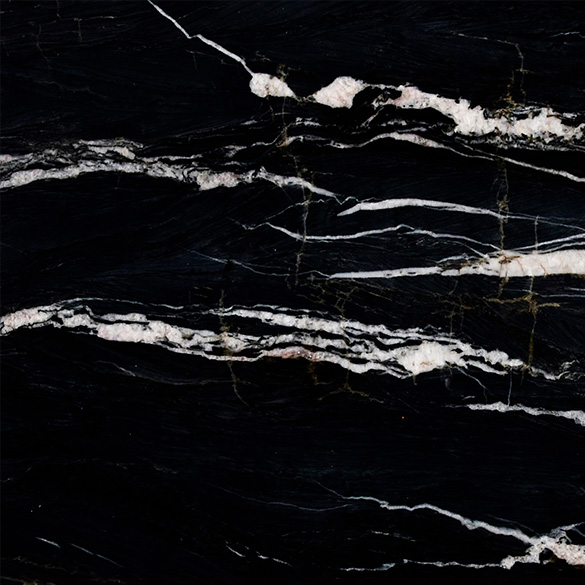
Mandrake
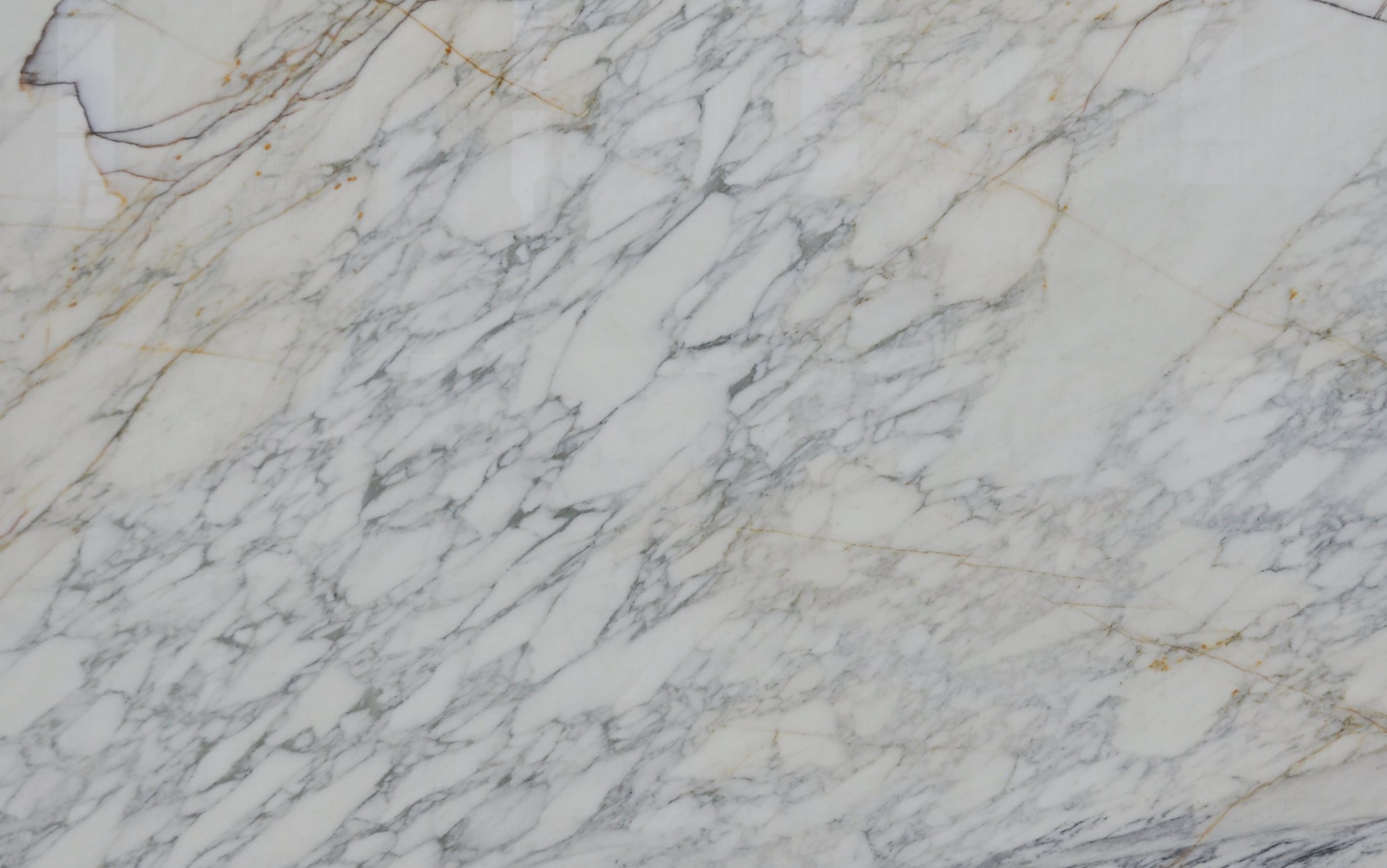
Calacatta Italiano
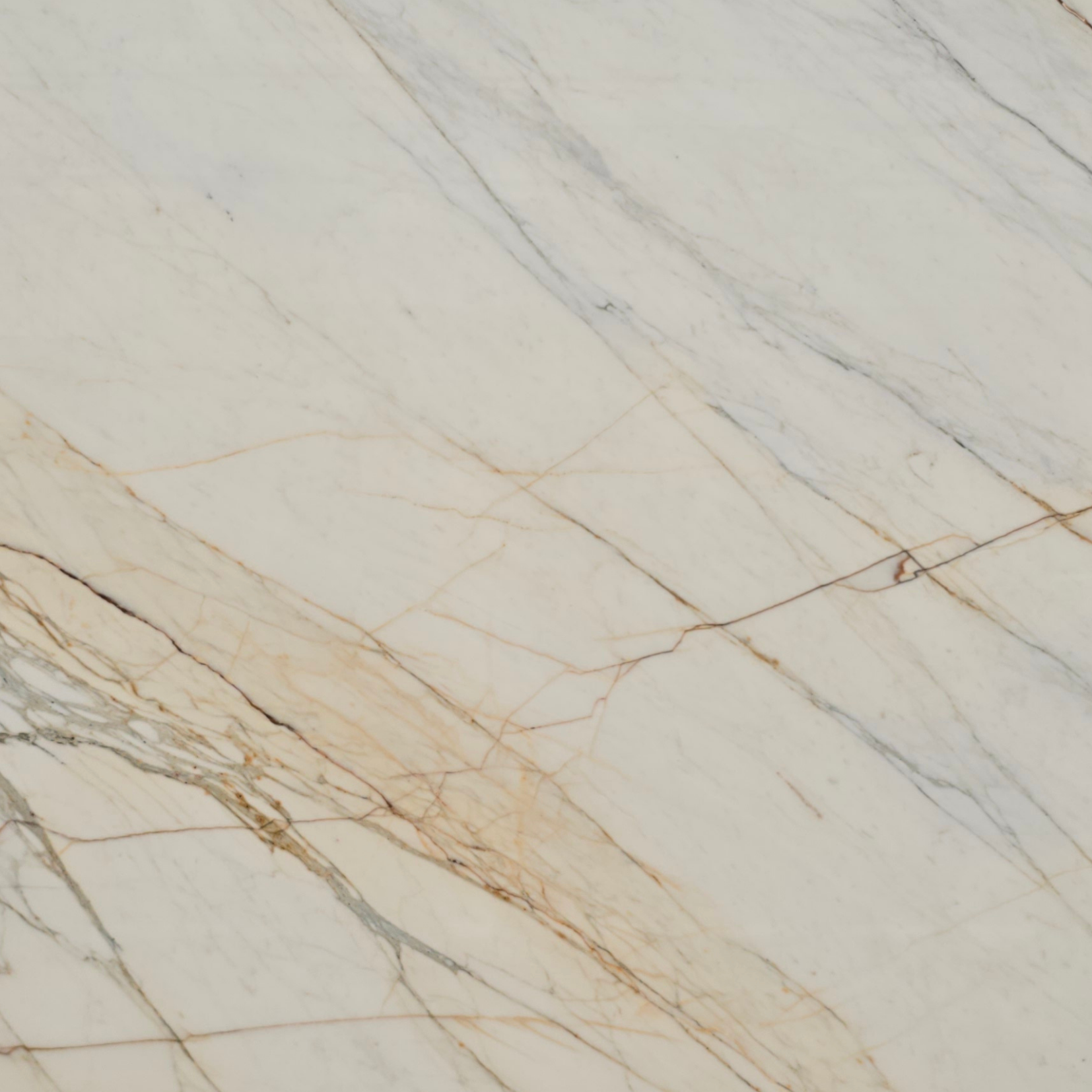
Calacata Ouro
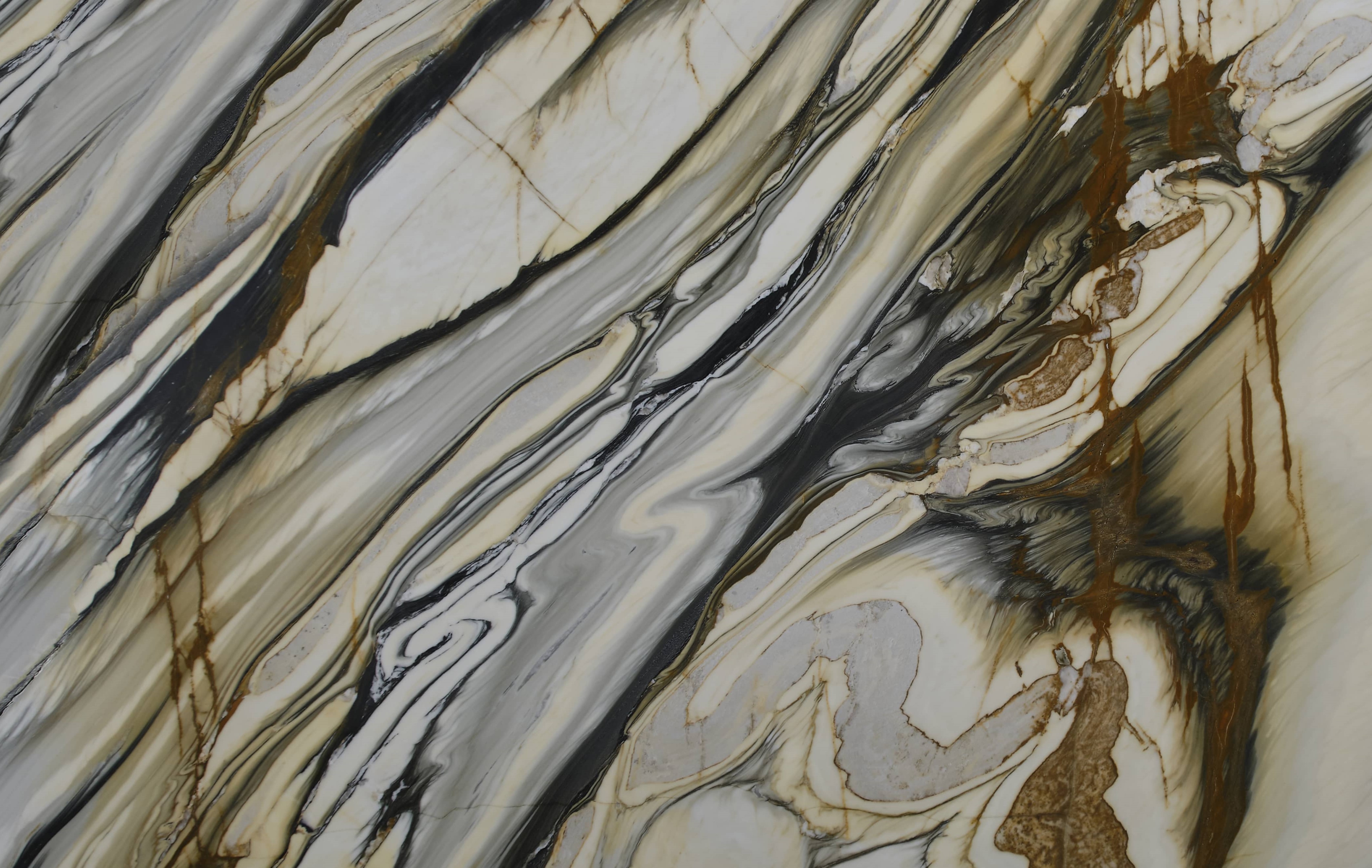
Calacatta Fabbricotti
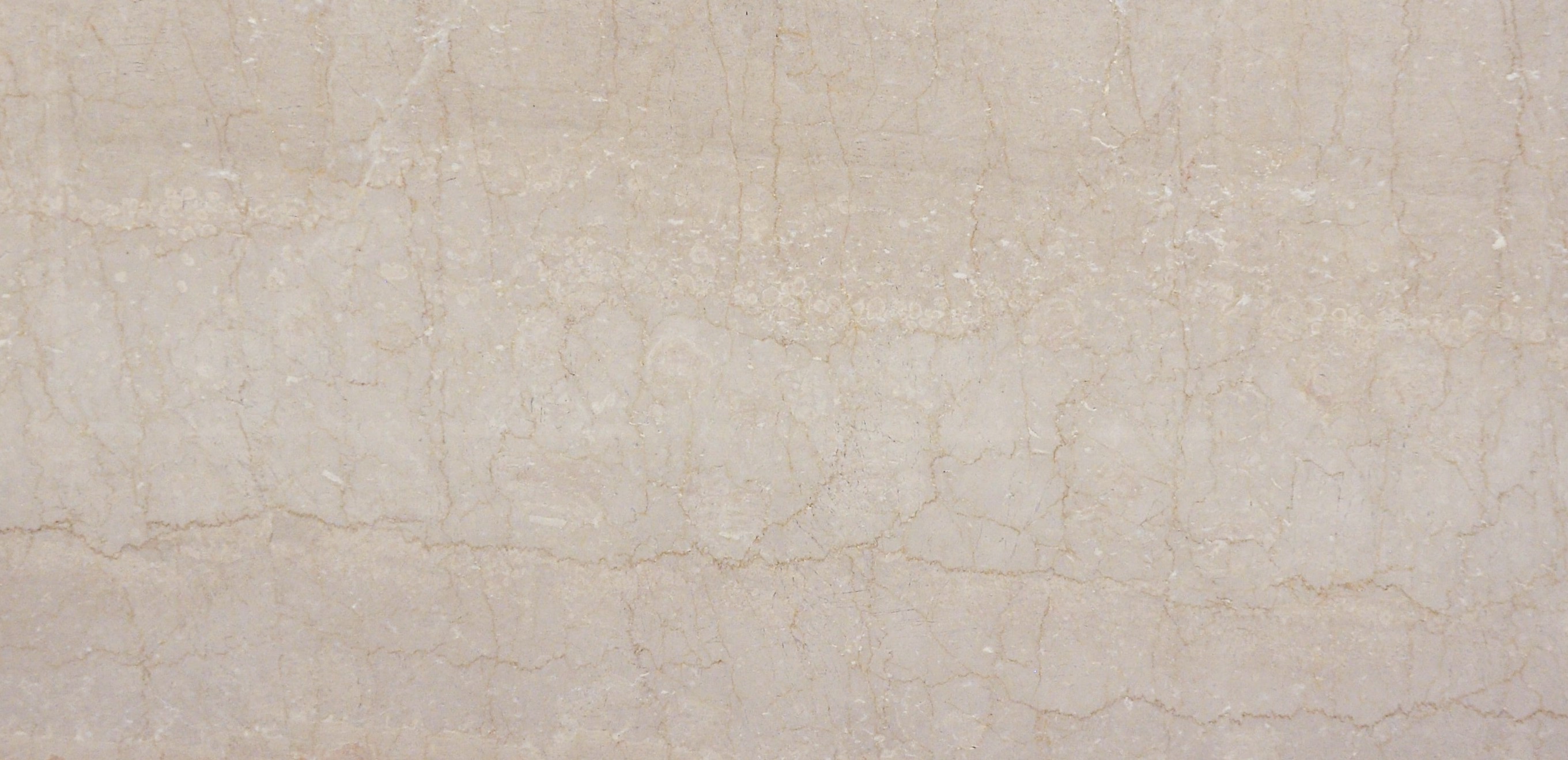
Botticino
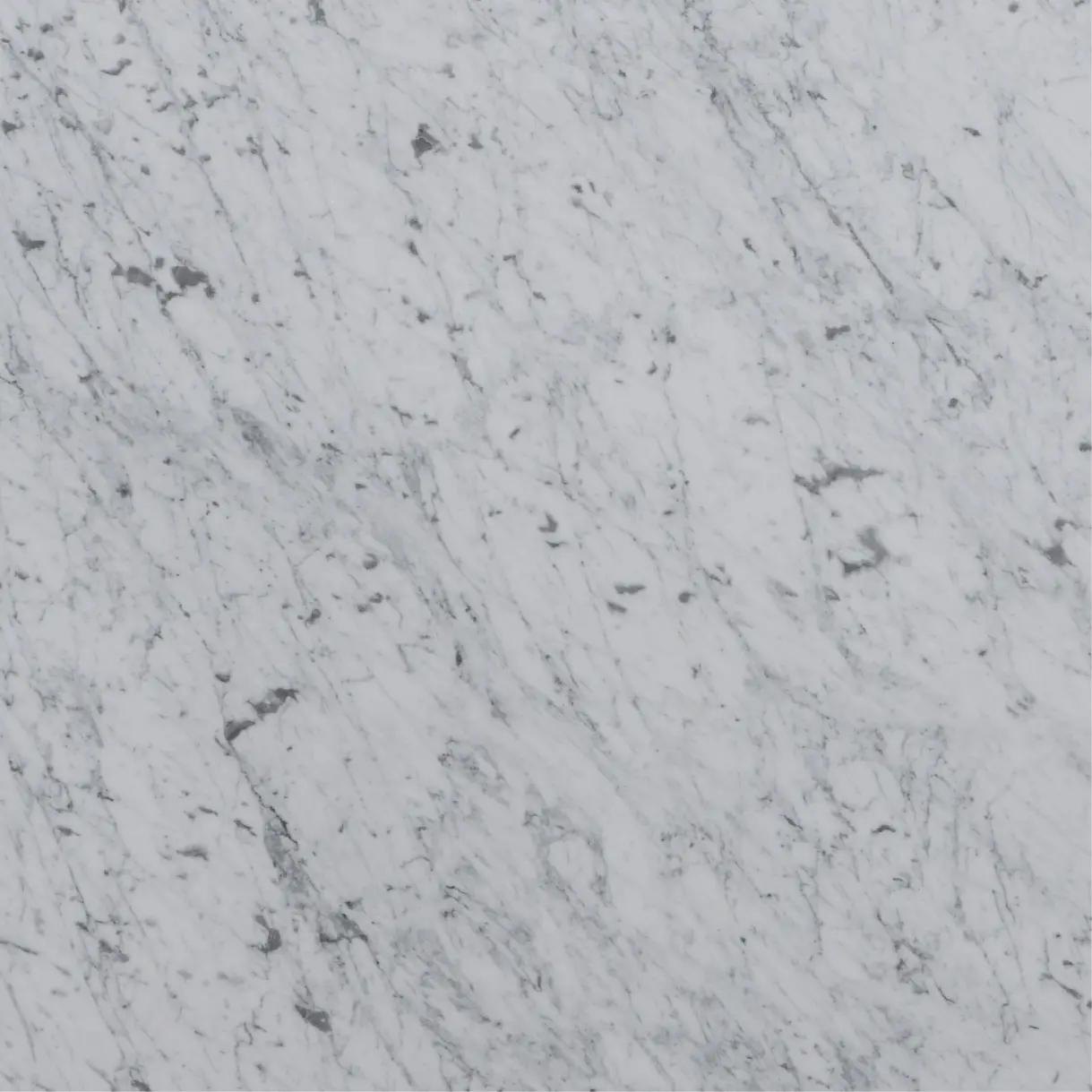
Carrara
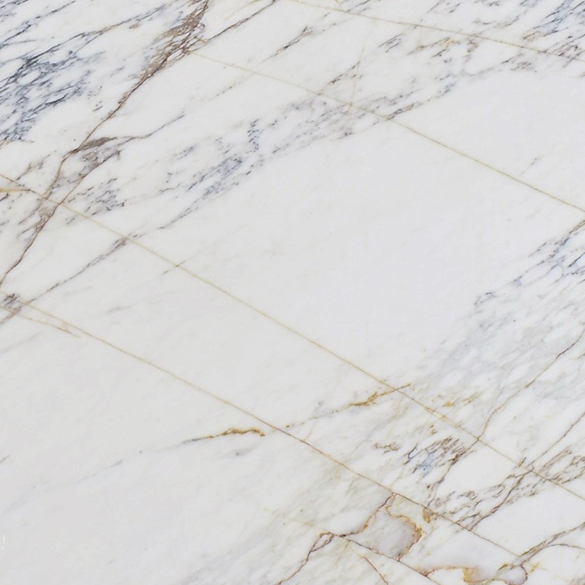
Calacata Antico
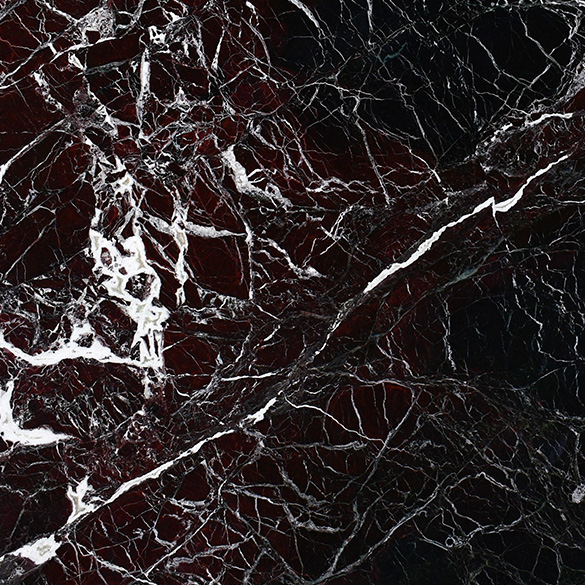
Rosso Levanto
Statuario

Crema Marfil
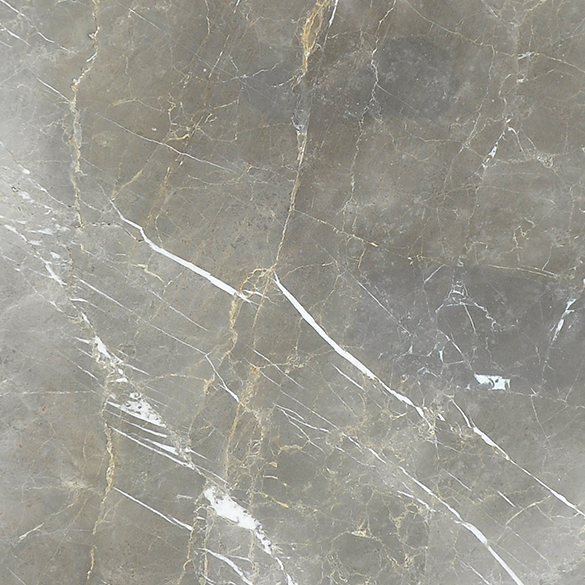
Grigio Collemandina
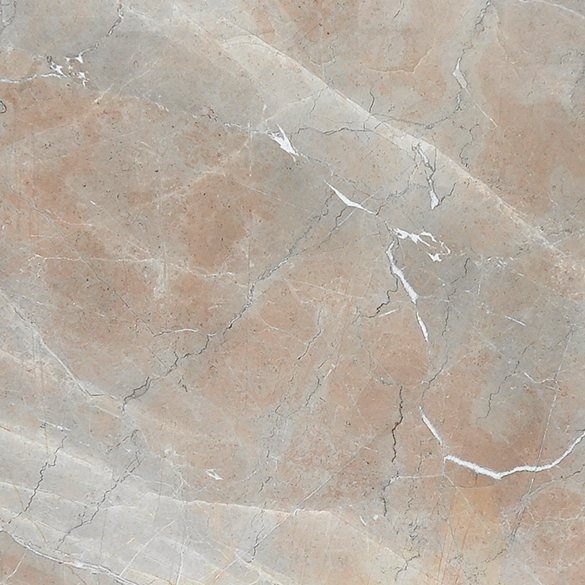
Fior di Bosco
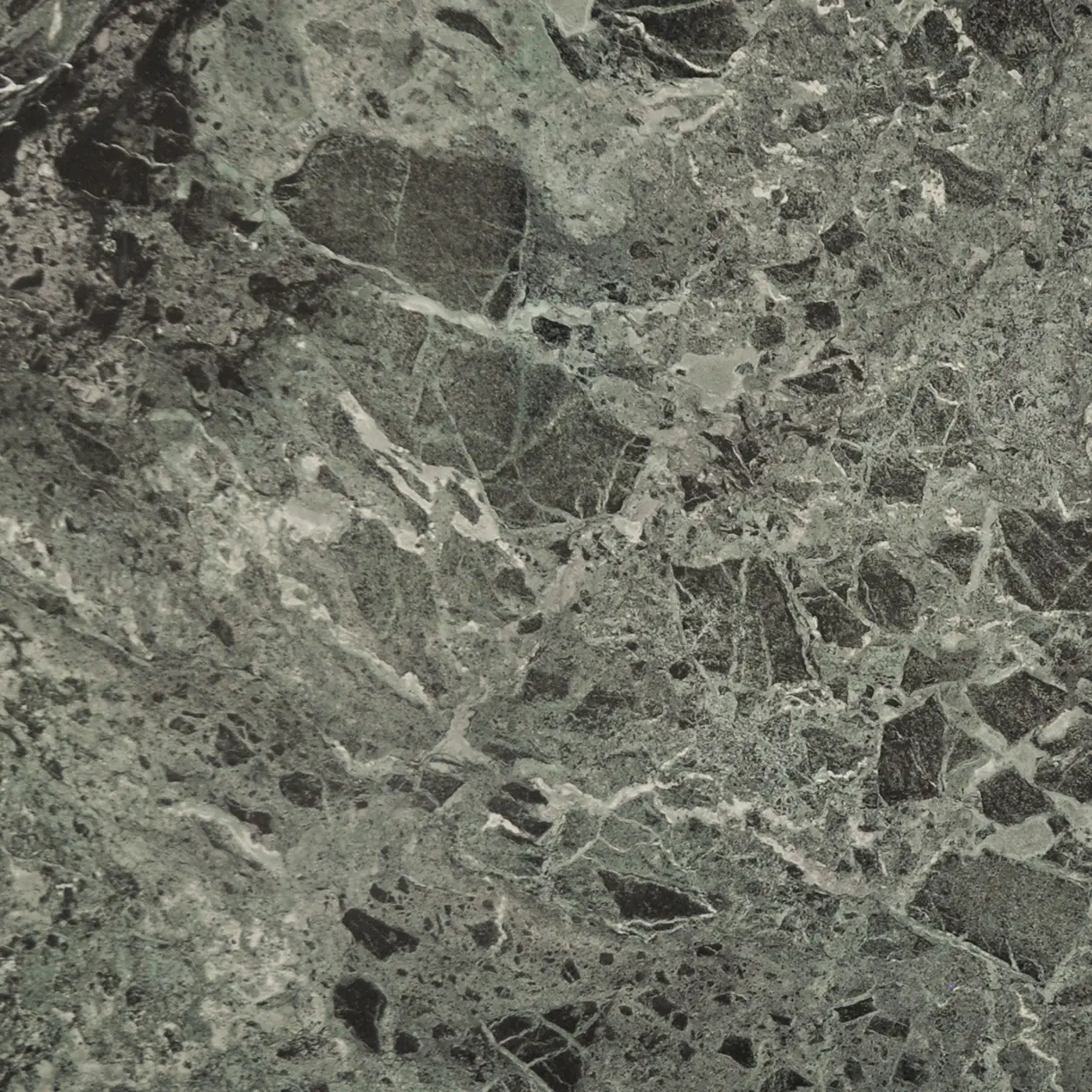
Verde Alpi
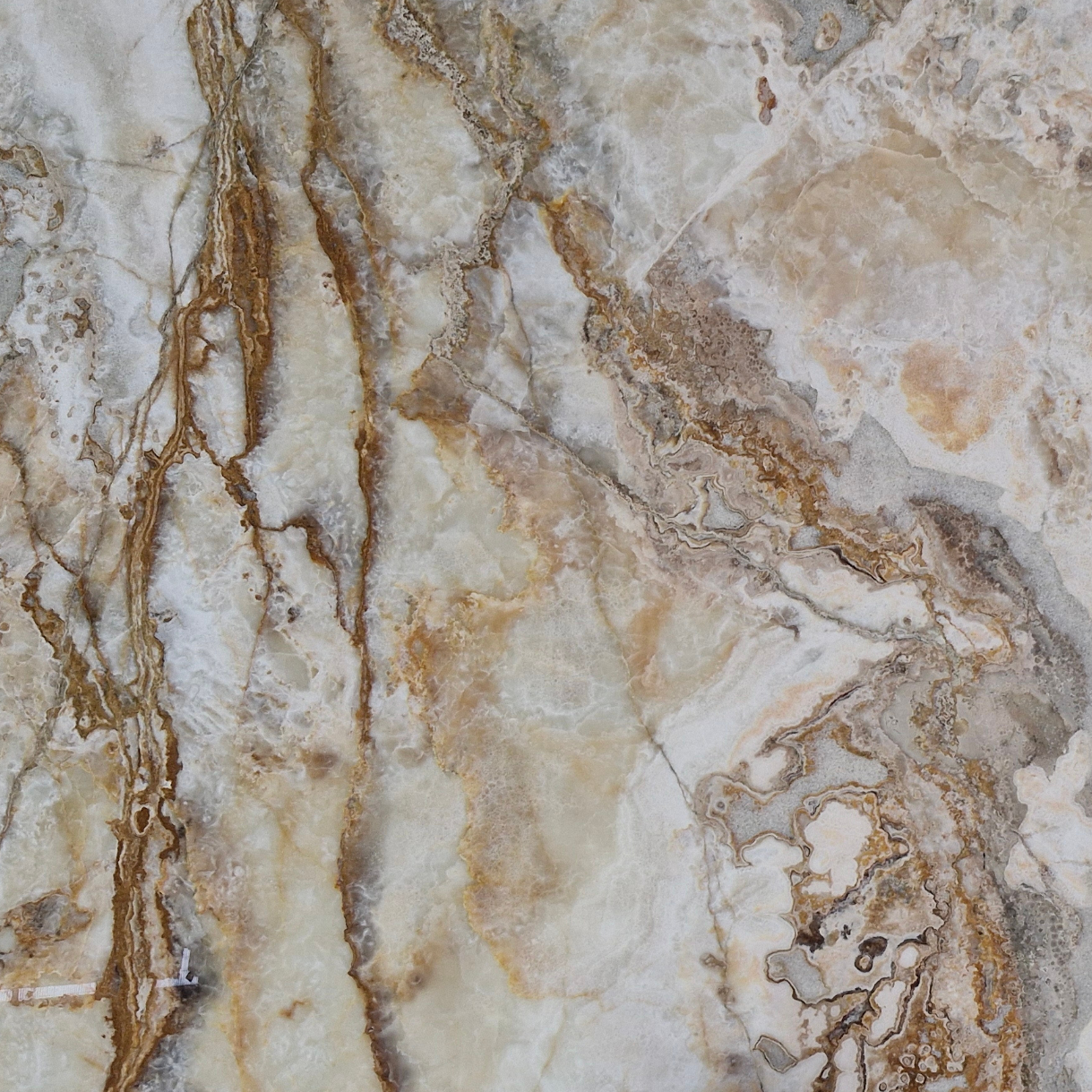
Onix Green Light

Fossile Brown
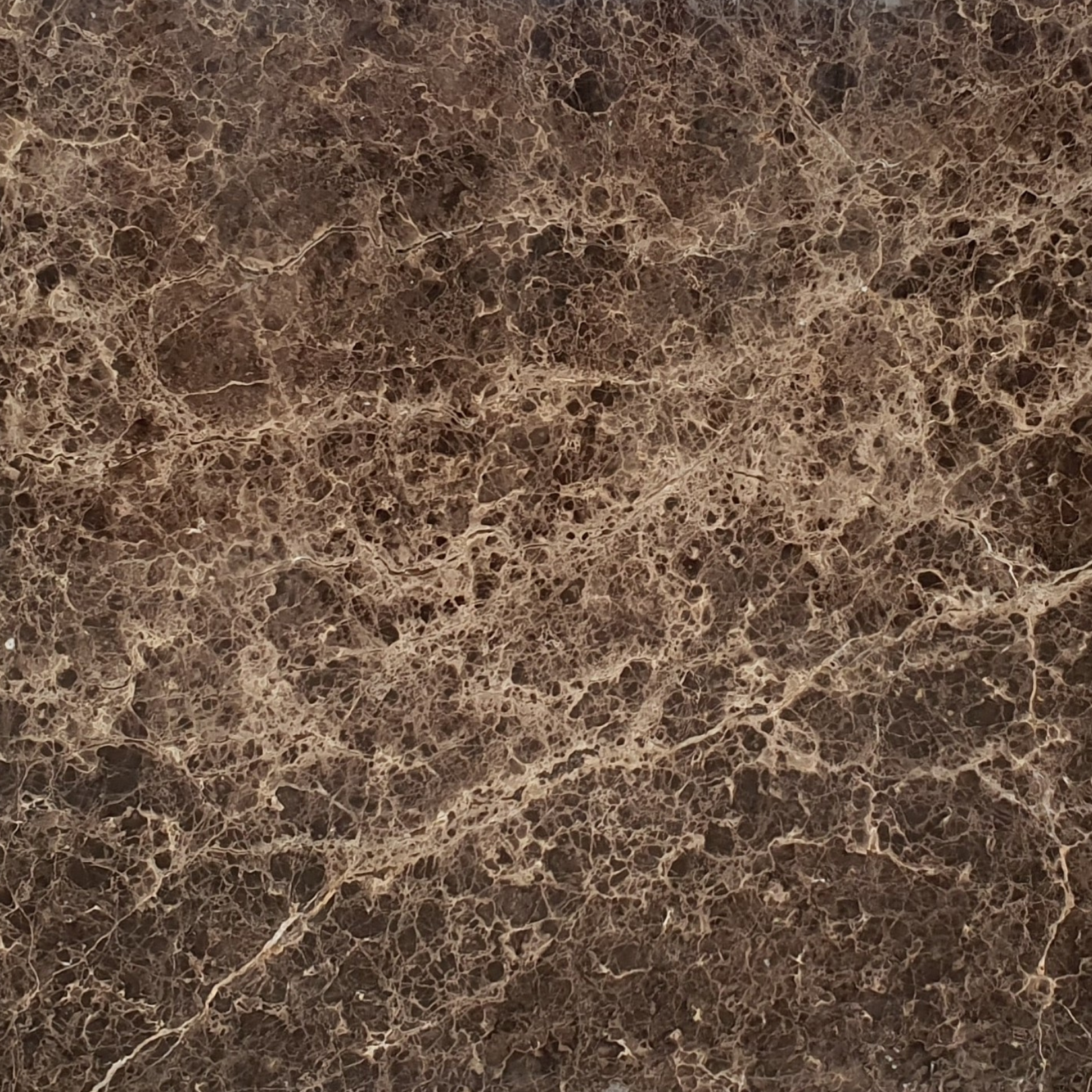
Marrom Imperador
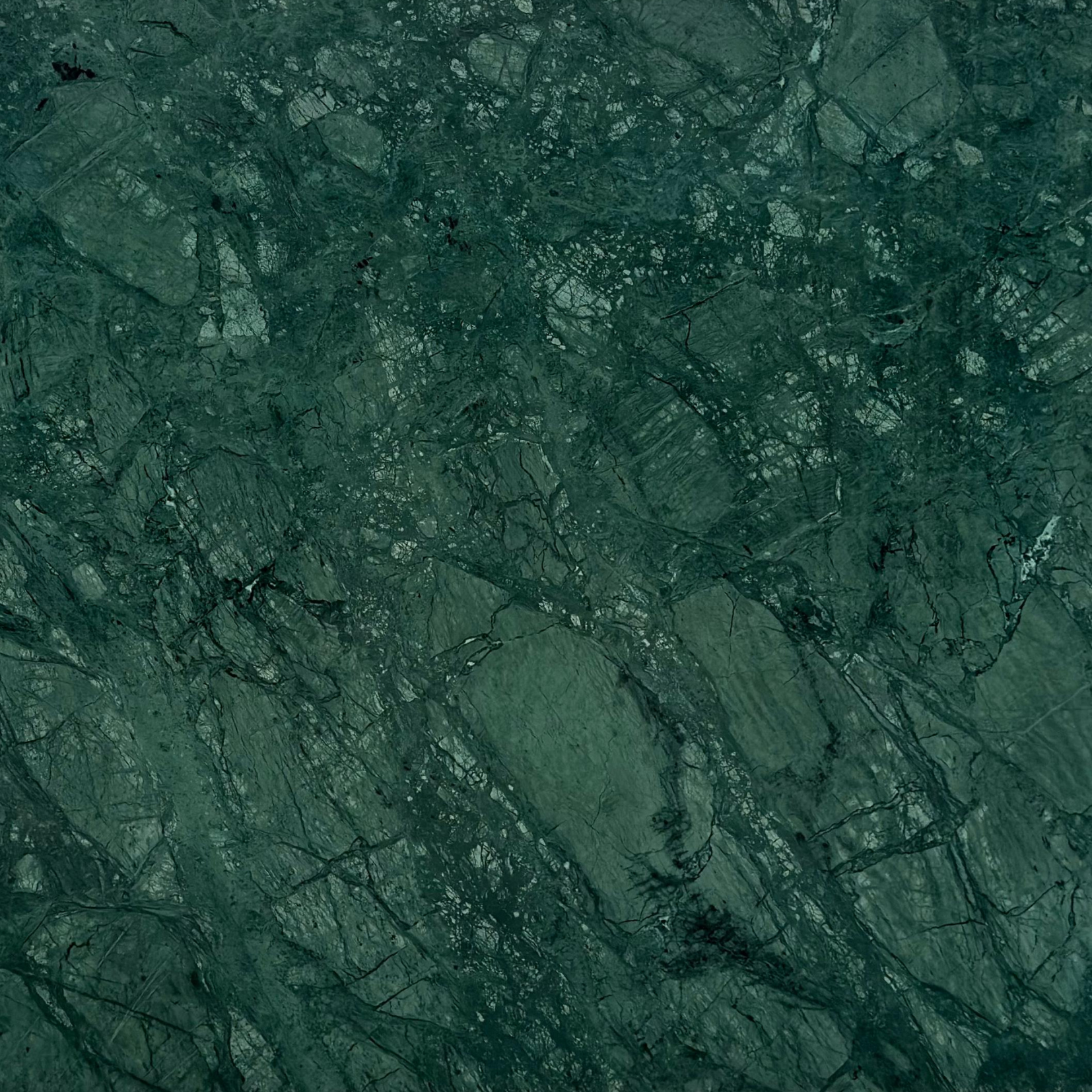
Verde Guatemala
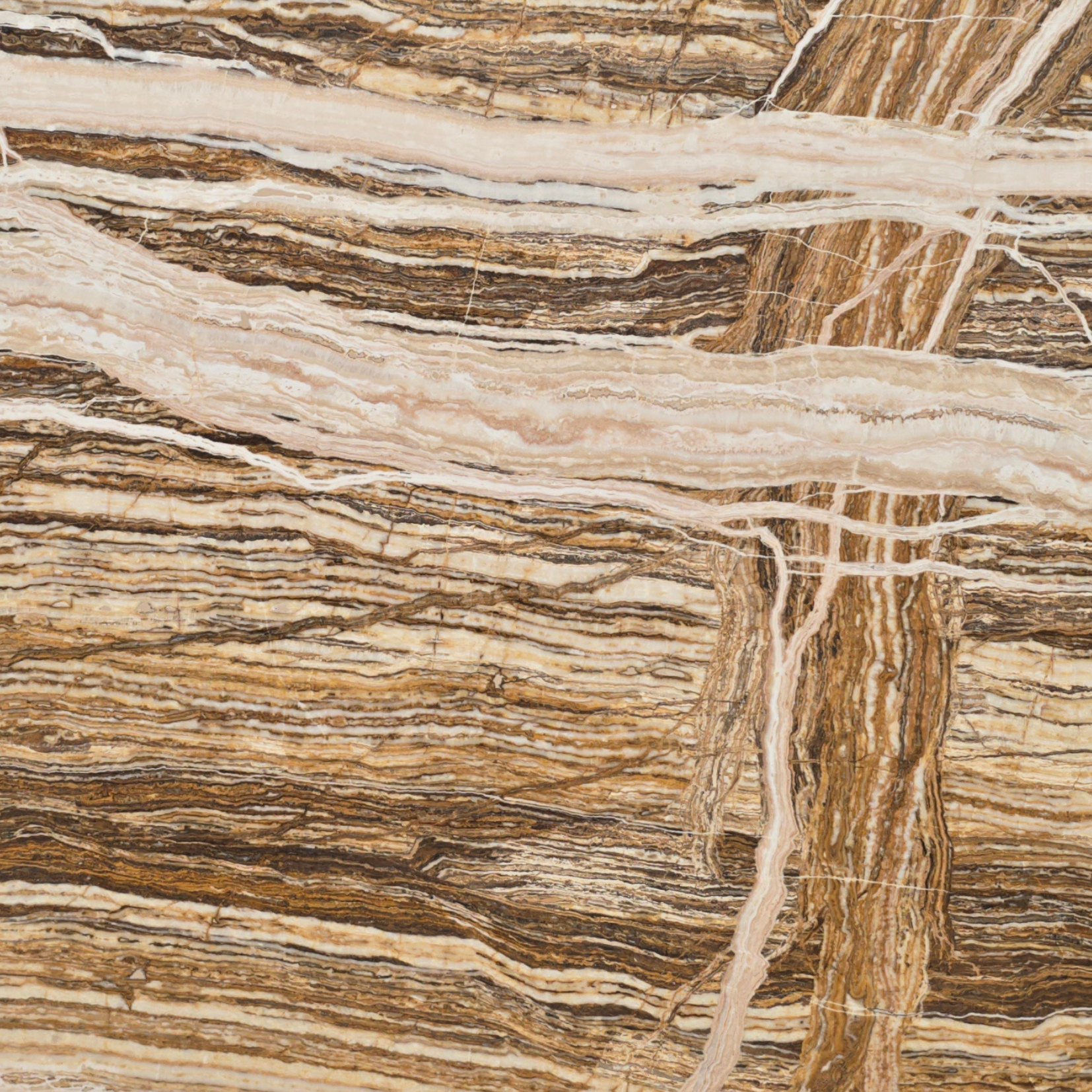
Onix Wood
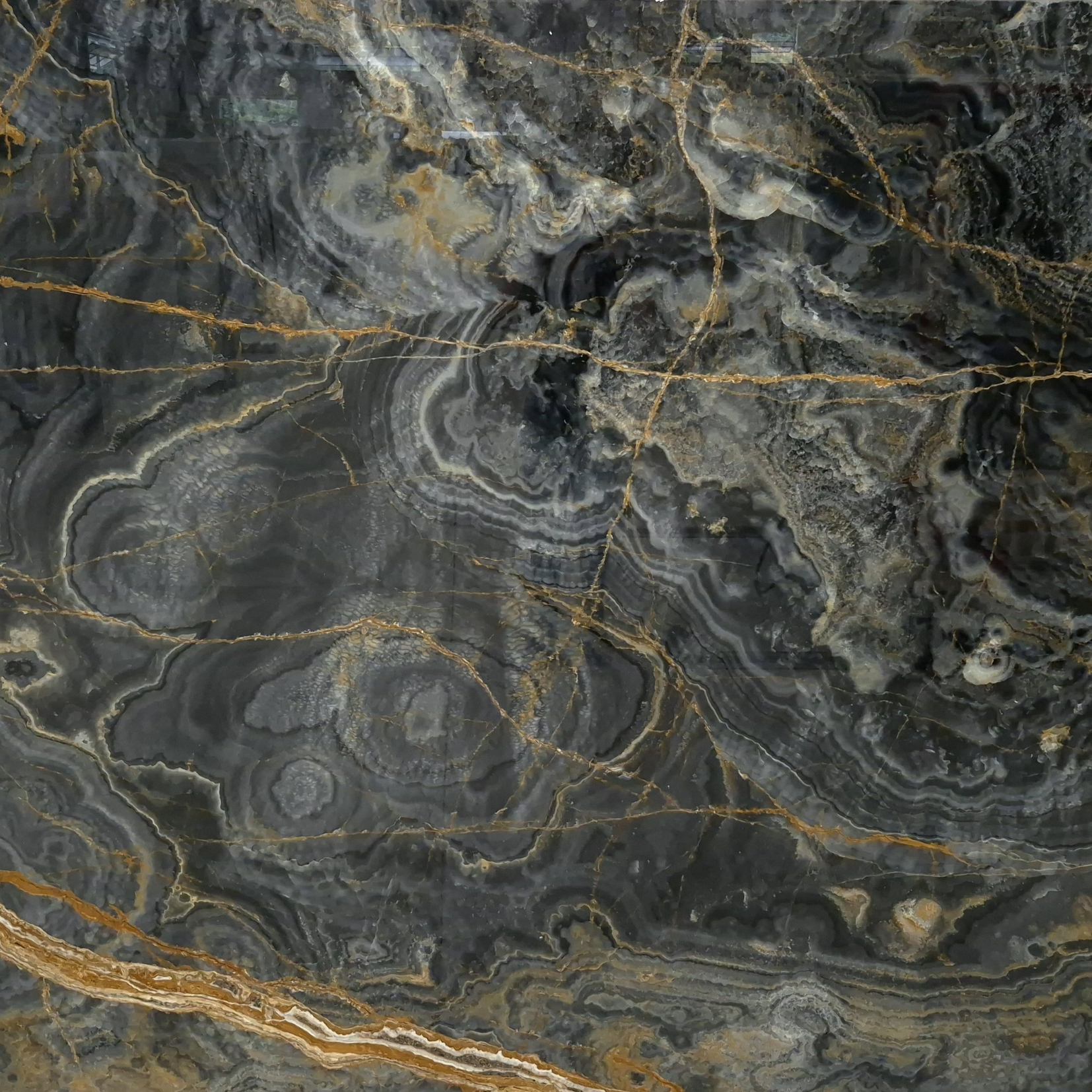
Onix Black
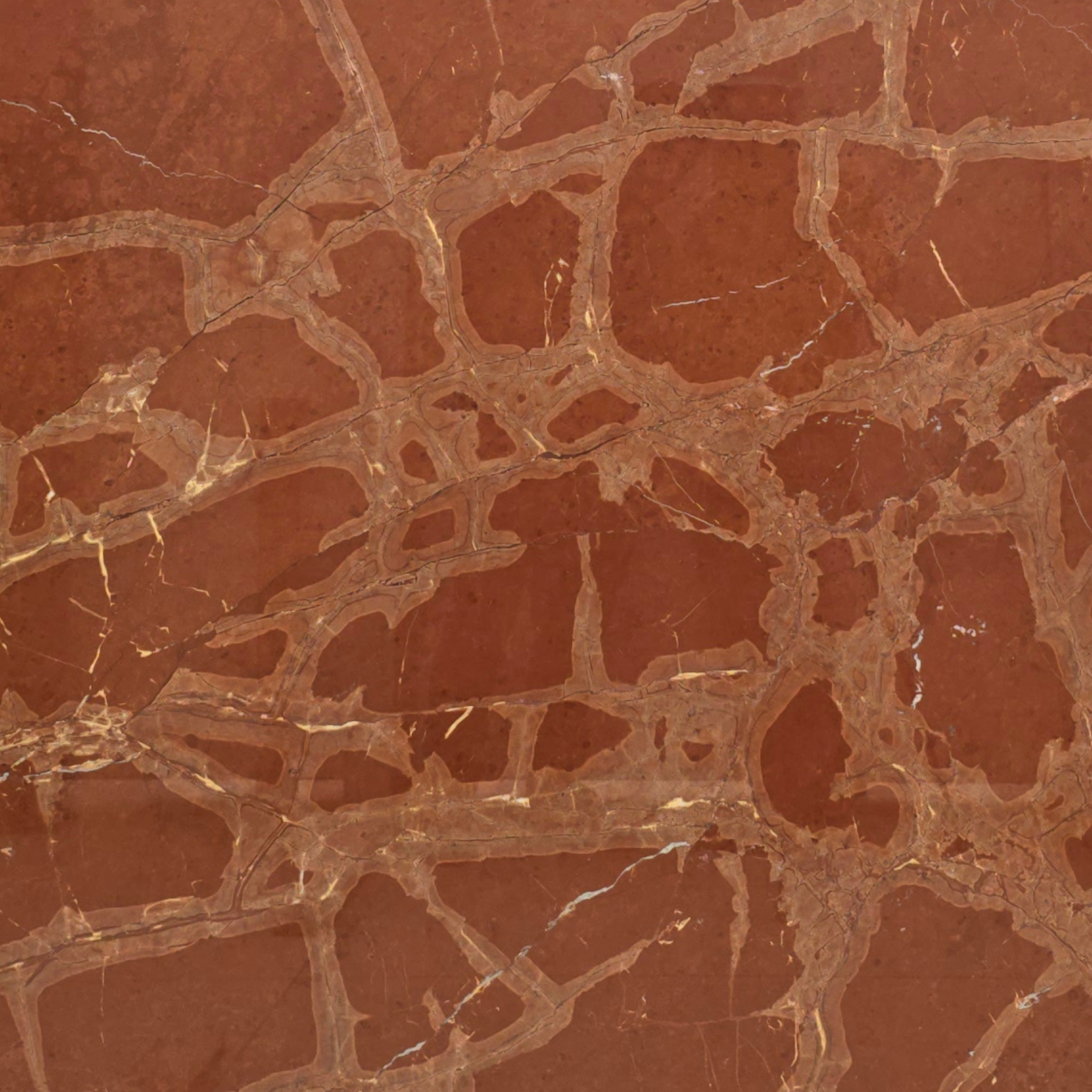
Rosso Collemandina
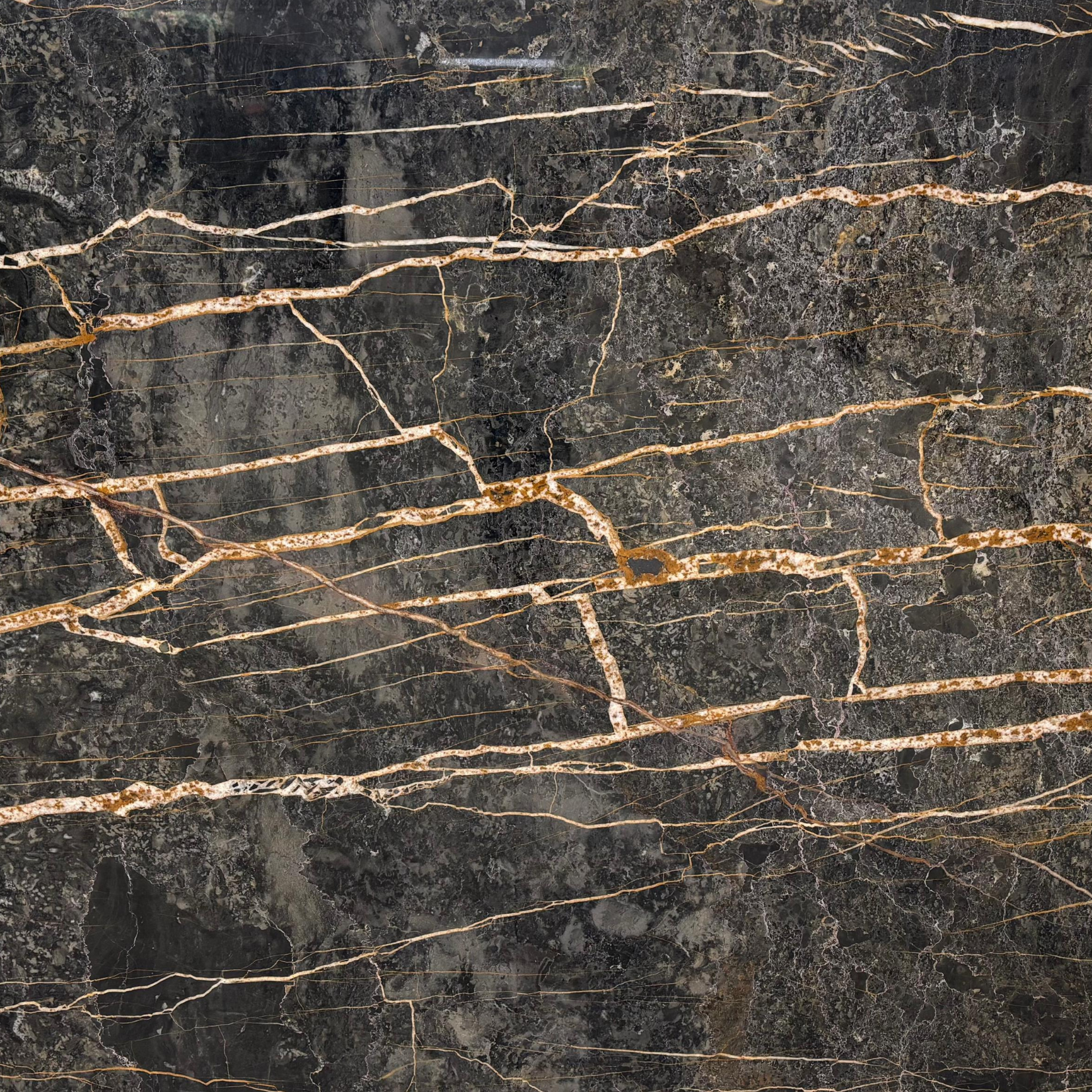
Port Laurent
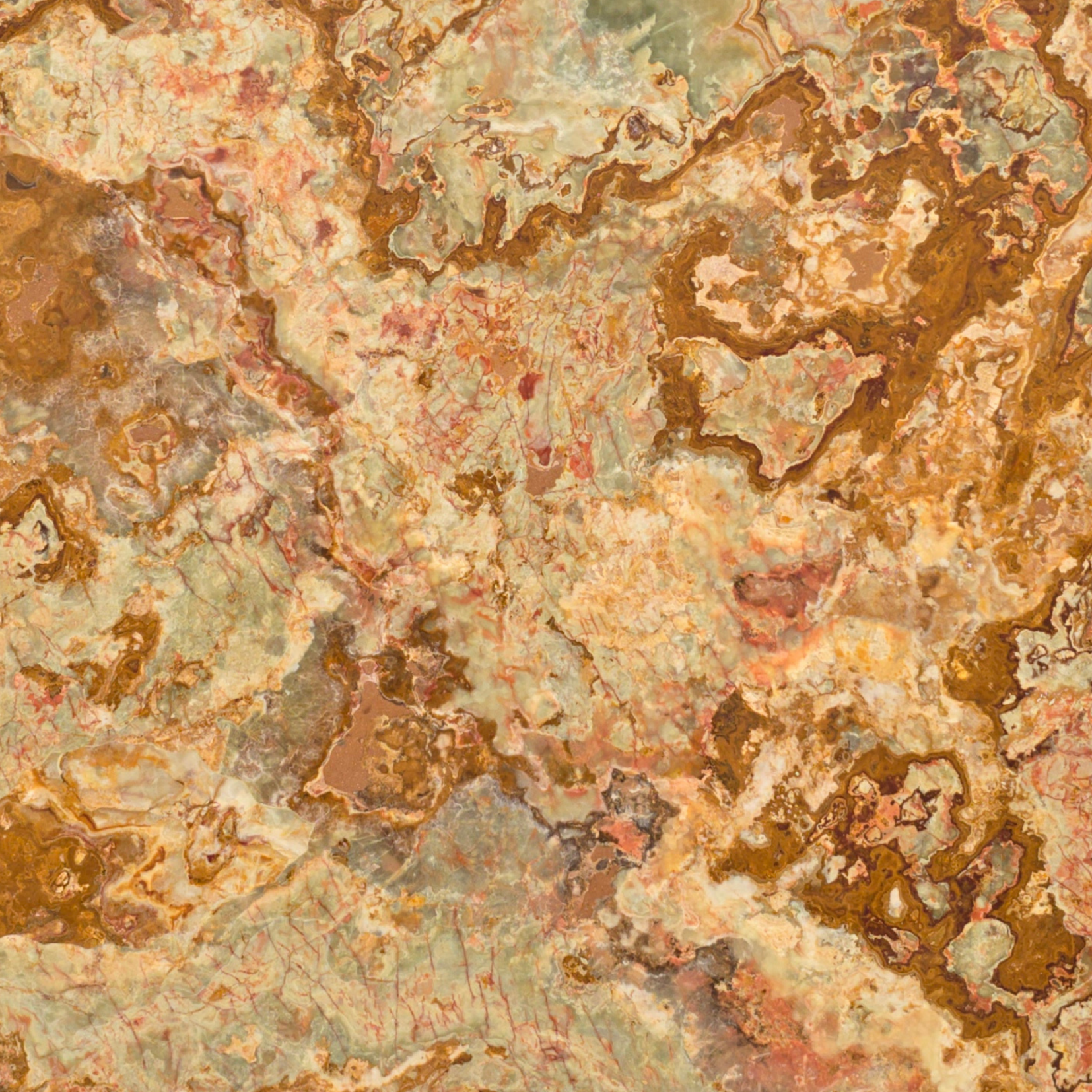
Onix Green
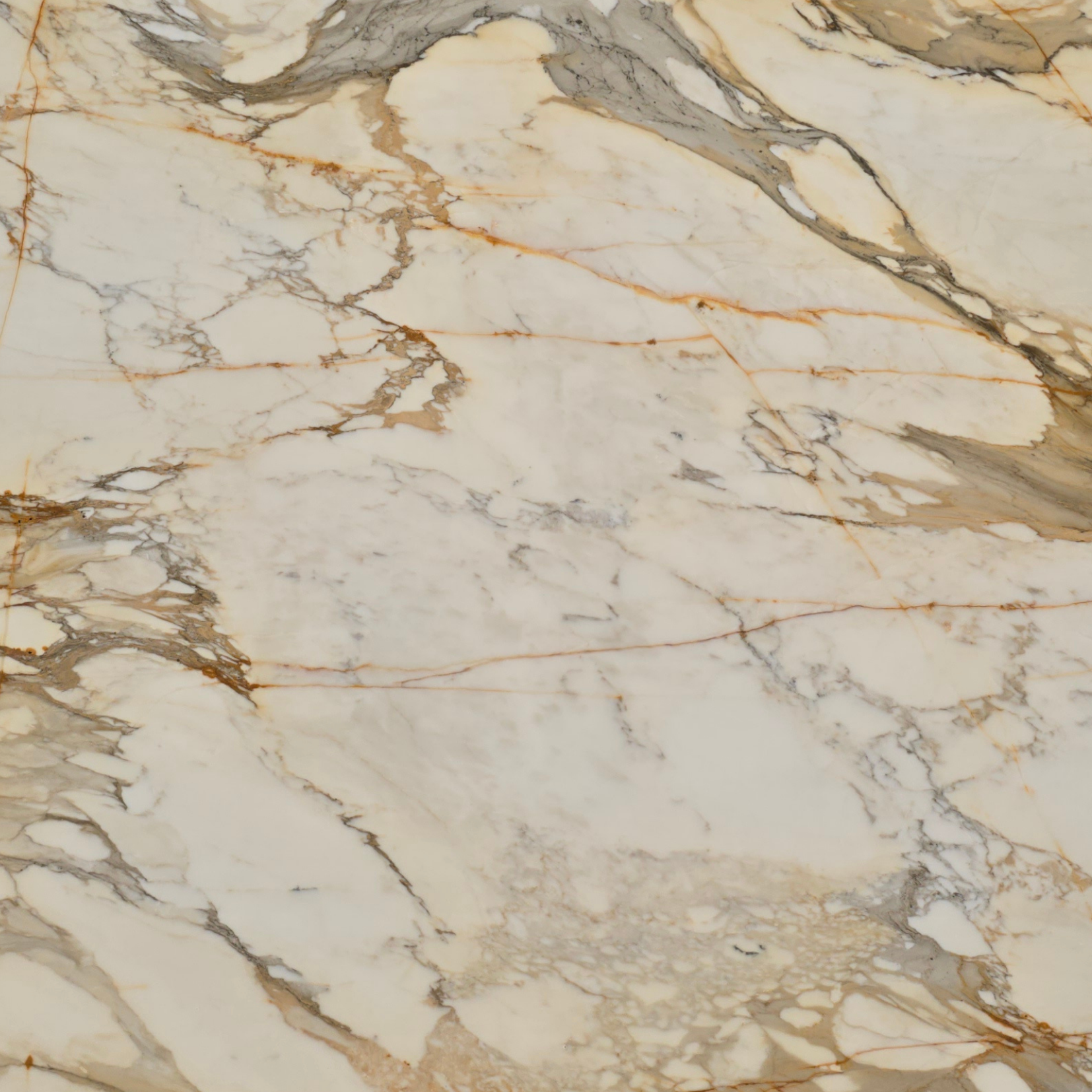
Macchia Vecchia Importado
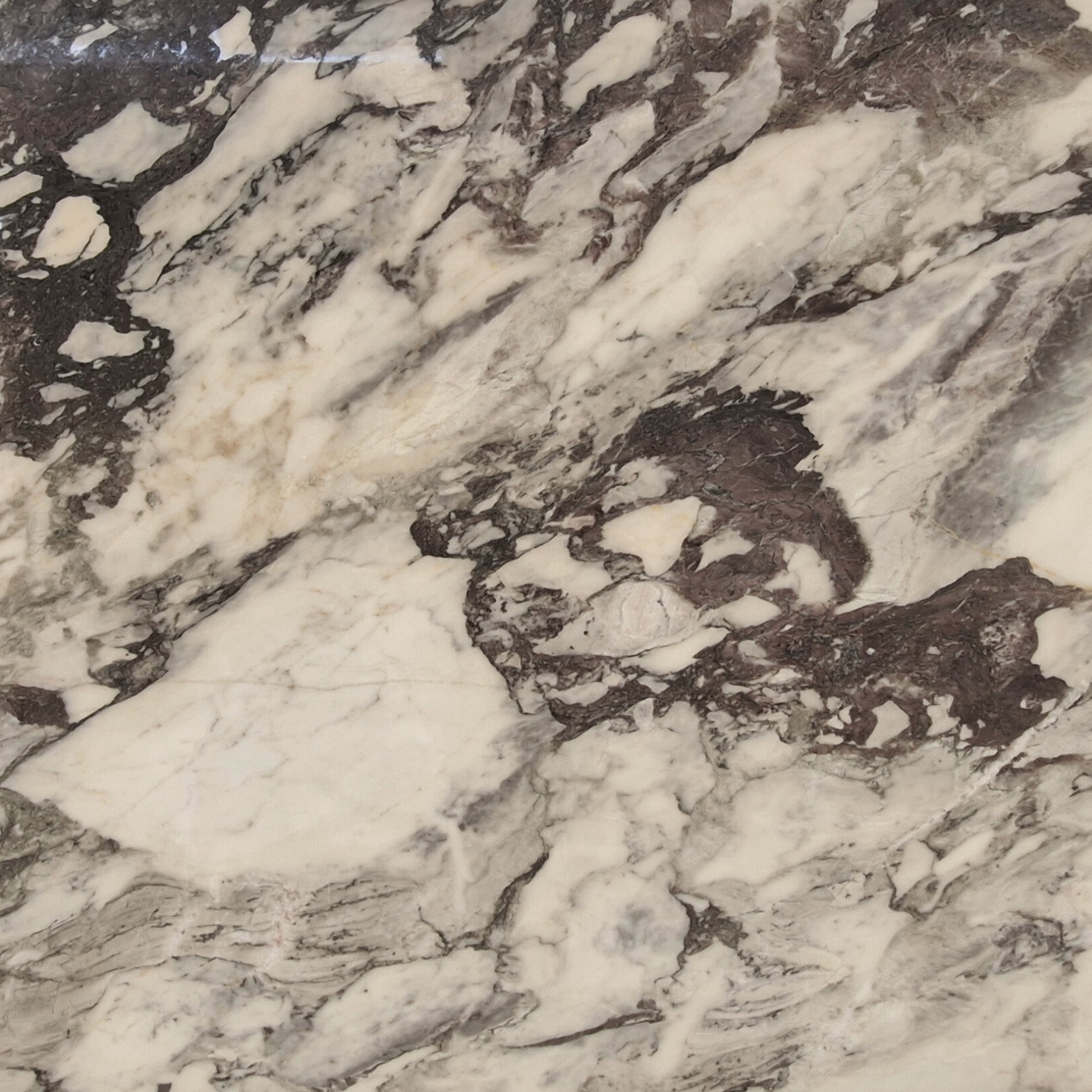
Calacata Nobile
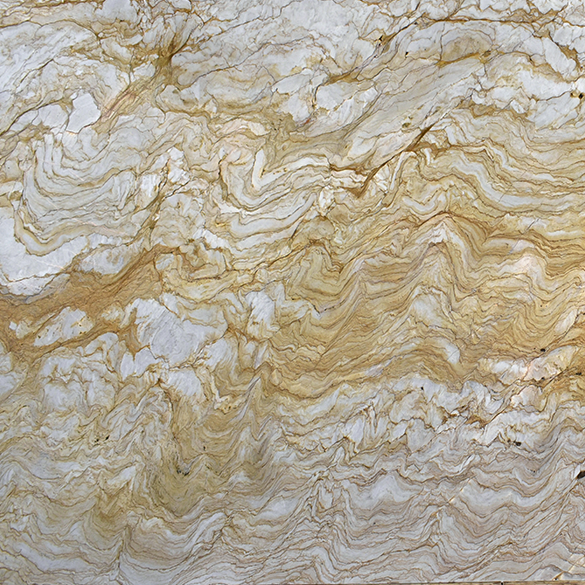
Calacatta Italiano
Calacata Ouro
Calacatta Fabbricotti
Botticino
Carrara
Calacata Antico
Rosso Levanto
Statuario
Crema Marfil
Grigio Collemandina
Fior di Bosco
Verde Alpi
Onix Green Light
Fossile Brown
Marrom Imperador
Verde Guatemala
Onix Wood
Onix Black
Rosso Collemandina
Port Laurent
Onix Green
Macchia Vecchia Importado
Calacata Nobile
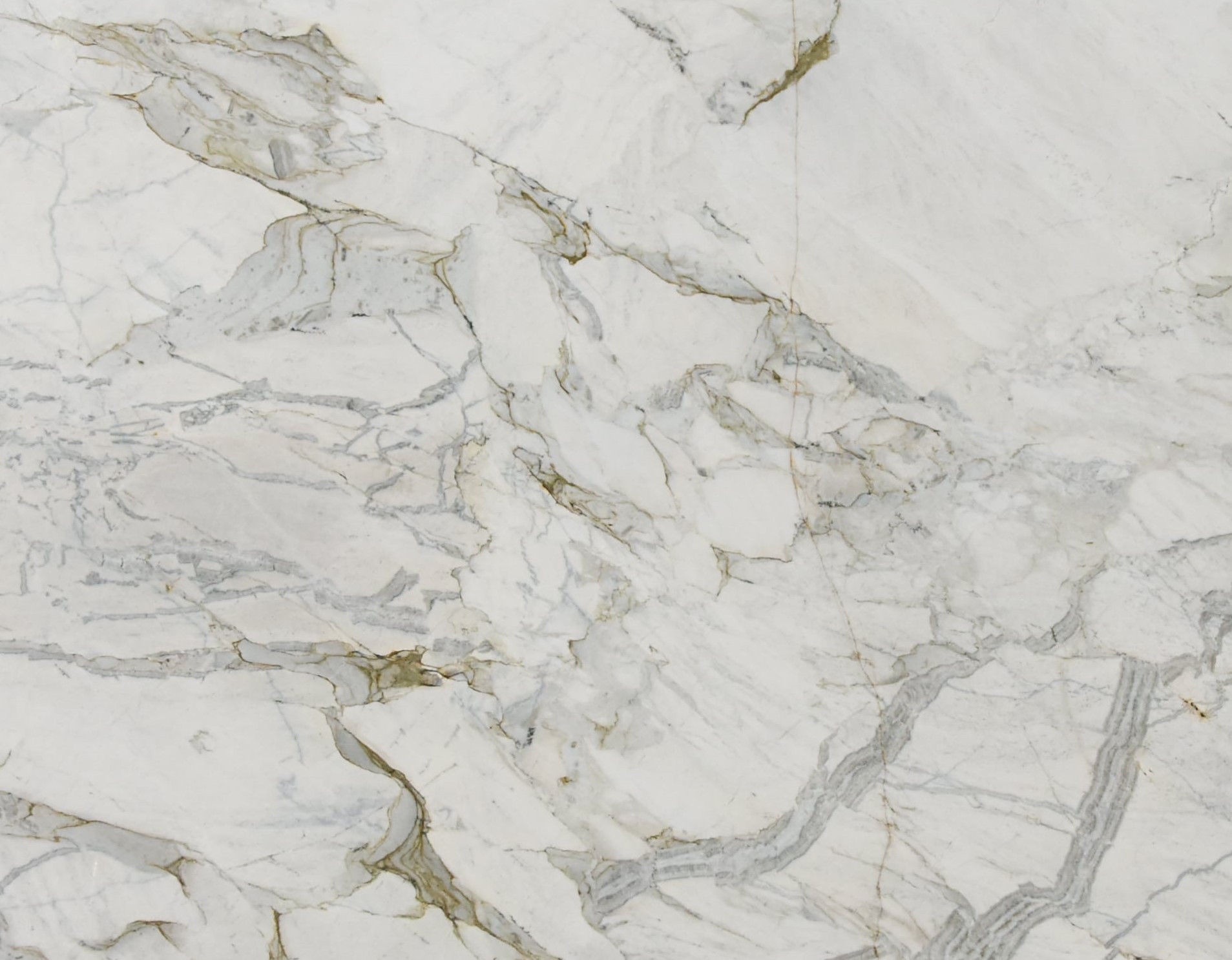
Mont Blanc
Bronzite
Bronzite Vintage
Ijen Blue
Crystal Diamond
Pink Crystal
Cristallo Lumen
Cristallo Iluminato
Emerald Lake
Amazon Reef
Laguna Bay
Botanic Green
Naica
Bonsai
Breccia Imperiale
Sea Pearl
Camelot
Leblon
Infinity Grey
Meridian
Colorado
Atlantis
Venaria
Fusion Multcolor
Elegant Brown
Perla Murano
Mont Blanc Extreme
Emerald Green
Kallahary
Jasper
Mystic Blue
Ocean Green
Splendido
Fusion Revolution
Baikal
Blue Deep
Fiji
Kallahary Select
Nebula
Emerasya
Explosion
Vittara
Fusion Light
Diamond Black
Mandrake